
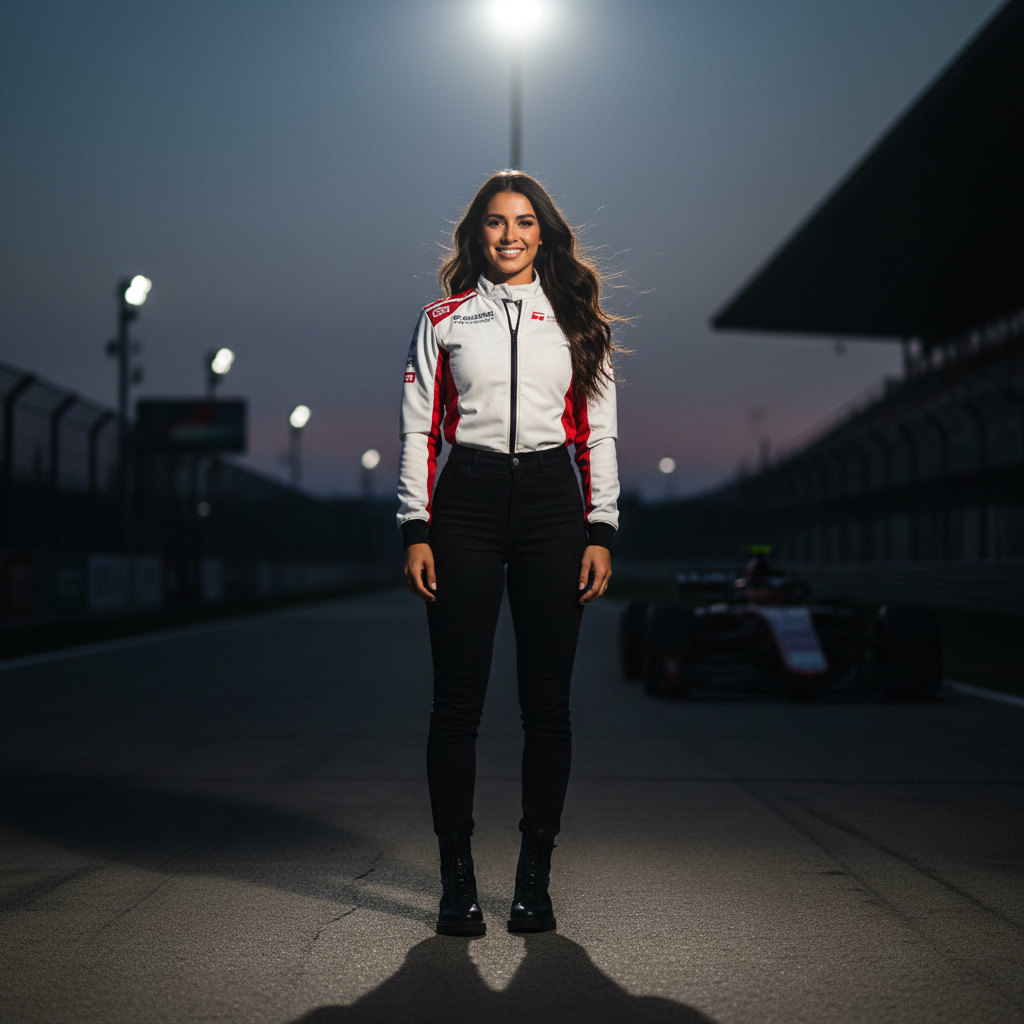
So, here’s a thought that might blow your mind a little, especially if you’re picturing F1 Academy drivers as these hyper-focused, grease-stained, almost-robotic athletes who live and breathe nothing but lap times and aerodynamics. We tend to put them on a pedestal, right? These incredible women, pushing boundaries at dizzying speeds, all grit and determination. And they absolutely are all that. But what Joanne Ciconte, one of the F1 Academy’s brightest stars, recently shared kind of flips that whole narrative on its head a bit. It turns out, their secret weapon – or at least a secret weapon – isn’t some new engine tech or a groundbreaking brake system. Nope. It’s much, much more relatable.
I mean, you’d probably expect drivers to talk about mental fortitude, physical training regimes, the relentless pursuit of perfection on the track. And they do, obviously. But Ciconte’s conversation with PEOPLE magazine, where she was chatting about her partnership with Wella Professionals, throws in a curveball that’s surprisingly refreshing. “Self-care and looking good makes me feel good,” she said. Read that again. Not “makes me faster,” not “gives me an edge over the competition,” but “makes me feel good.” And suddenly, the whole superhuman façade melts away, revealing something intensely, wonderfully human underneath that helmet.
The Unexpected Power of Feeling Good
It’s funny, isn’t it? We often separate “serious” stuff – like professional sports at the highest level – from something as seemingly frivolous as self-care or looking presentable. Like, you can’t be a fierce competitor and also care about your hair being on point. But why not? Ciconte’s statement, simple as it is, speaks volumes about the intertwined nature of our physical and mental states. It’s not just about the external appearance; it’s about the internal ripple effect.
Beyond the Track: The Inner Game
Think about it. When you feel good about yourself, really good – maybe you just got a great haircut, or your favorite outfit fits just right, or you’ve spent a little extra time on your skincare routine – doesn’t it translate into more confidence? That little bounce in your step, the extra sparkle in your eye? That’s what Ciconte is tapping into, I think. She’s not saying a perfect blow-dry shaves milliseconds off her lap time (though who knows, maybe a little aerodynamic boost there, ha!). She’s saying that the act of caring for herself, of feeling put-together, fuels her mental state. And in a sport where mental game is everything – split-second decisions, immense pressure, constant scrutiny – that mental edge, however it’s achieved, is invaluable.
- Point: Self-care isn’t just about pampering; it’s a foundational element of mental well-being for many high-performers.
- Insight: Ciconte’s words challenge the traditional, almost austere image of elite athletes, suggesting a more holistic approach to performance.
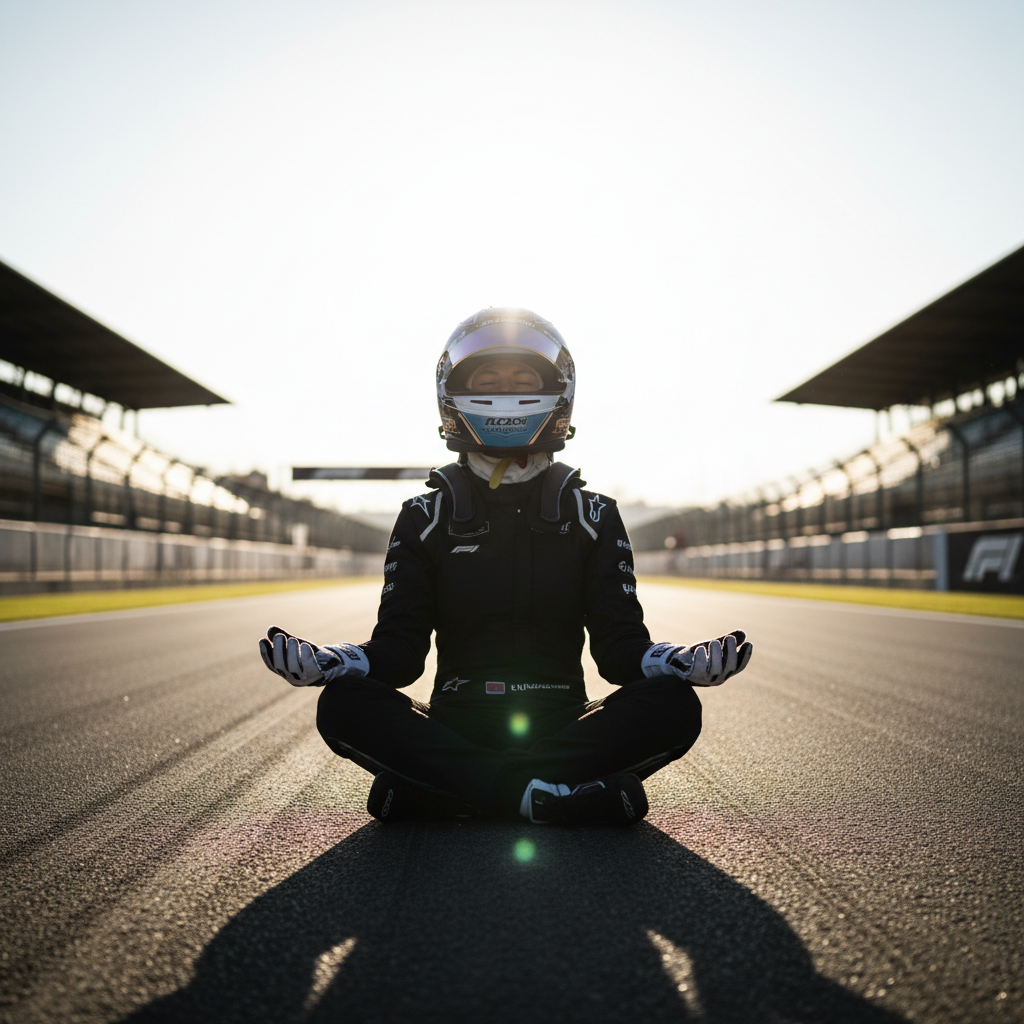
The F1 Academy Context: Pressure Cooker Performance
Now, let’s put this into the F1 Academy context. These drivers, many of them quite young, are not just competing at an incredibly high level; they’re also navigating intense media attention, sponsorship demands, grueling travel schedules, and the constant pressure to perform. It’s a pressure cooker environment, really. In such a high-stakes world, any anchor, any ritual that grounds you and makes you feel in control, is probably golden. For Ciconte, part of that anchor seems to be her self-care routine – a very deliberate, conscious choice to invest in how she feels, starting with how she looks.
Wella Professionals and the “Why”
Her partnership with Wella Professionals isn’t just a sponsorship deal, then, is it? It feels like it goes deeper than that. It legitimizes this aspect of her life. It says, “Yes, even at the pinnacle of motorsport, these things matter.” It kind of makes us re-evaluate our own assumptions about what productivity and success “look” like. We often think of success as nose-to-the-grindstone, sacrificing everything. But Ciconte’s approach suggests that integrating self-care – even superficial-sounding self-care – can actually be a performance enhancer. It sounds almost contradictory, but it makes a lot of intuitive sense, doesn’t it?
“Self-care and looking good makes me feel good.”
This isn’t about vanity, not really. It’s about agency. It’s about having some control over a small part of your world when so much else is dictated by external factors – the mechanics, the weather, the track conditions. It’s a small victory, a personal win, before she even straps into the cockpit. And those small wins, those boosts to self-esteem, can be incredibly powerful psychological tools.
What This Means for All of Us
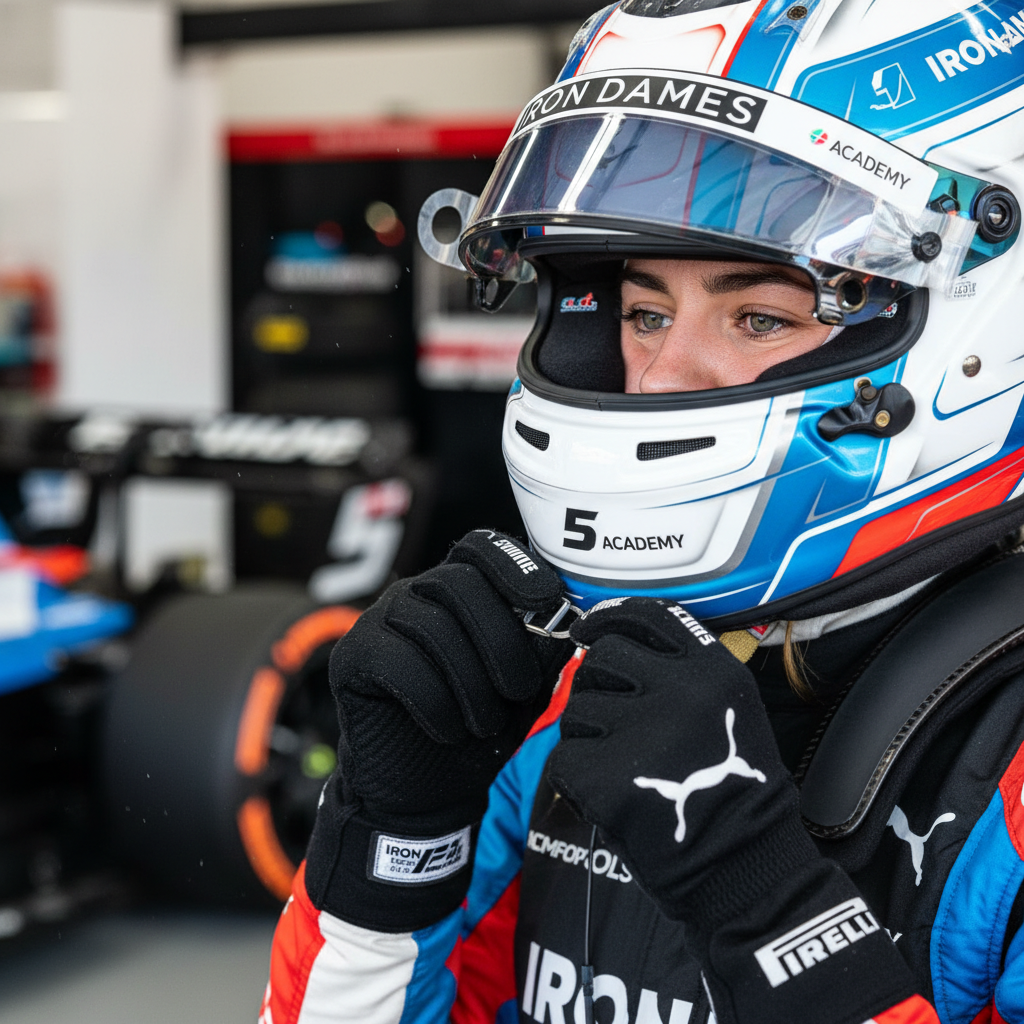
So, here’s the kicker: if an F1 Academy driver, operating at the absolute peak of athletic and mental performance, finds value in “looking good” to “feel good,” what does that tell us about our own lives? It’s a reminder that performance isn’t just about raw talent or endless hours of practice. It’s also about nurturing the whole person. It’s about finding those little things – whether it’s a good hair day, a favorite mug of coffee, or a walk in the park – that gently nudge our spirits upward. These aren’t distractions from the main event; they might actually be part of the main event. The foundation, even.
Rethinking the “Superhuman” Image
Ciconte’s honesty really humanizes these athletes in a lovely way. It dismantles the idea that they’re somehow immune to the universal need for feeling good about themselves. They’re not just engines on legs; they’re people. With feelings. And hair. And probably days where they just want to binge-watch something silly. It’s comforting, in a way, to know that even those who operate at such an elite level benefit from the same simple acts of self-affirmation that we all do. It makes their achievements even more impressive, actually, knowing they’re navigating all that pressure while still making space for their own well-being.
Ultimately, Joanne Ciconte – with a little help from Wella, perhaps – reminds us that the best performances, in racing or in life, often come from a place of holistic well-being. It’s not just about what you do, but how you feel when you’re doing it. And sometimes, feeling good starts with something as seemingly simple as liking what you see in the mirror. It’s a powerful lesson, tucked right there under an F1 helmet.