
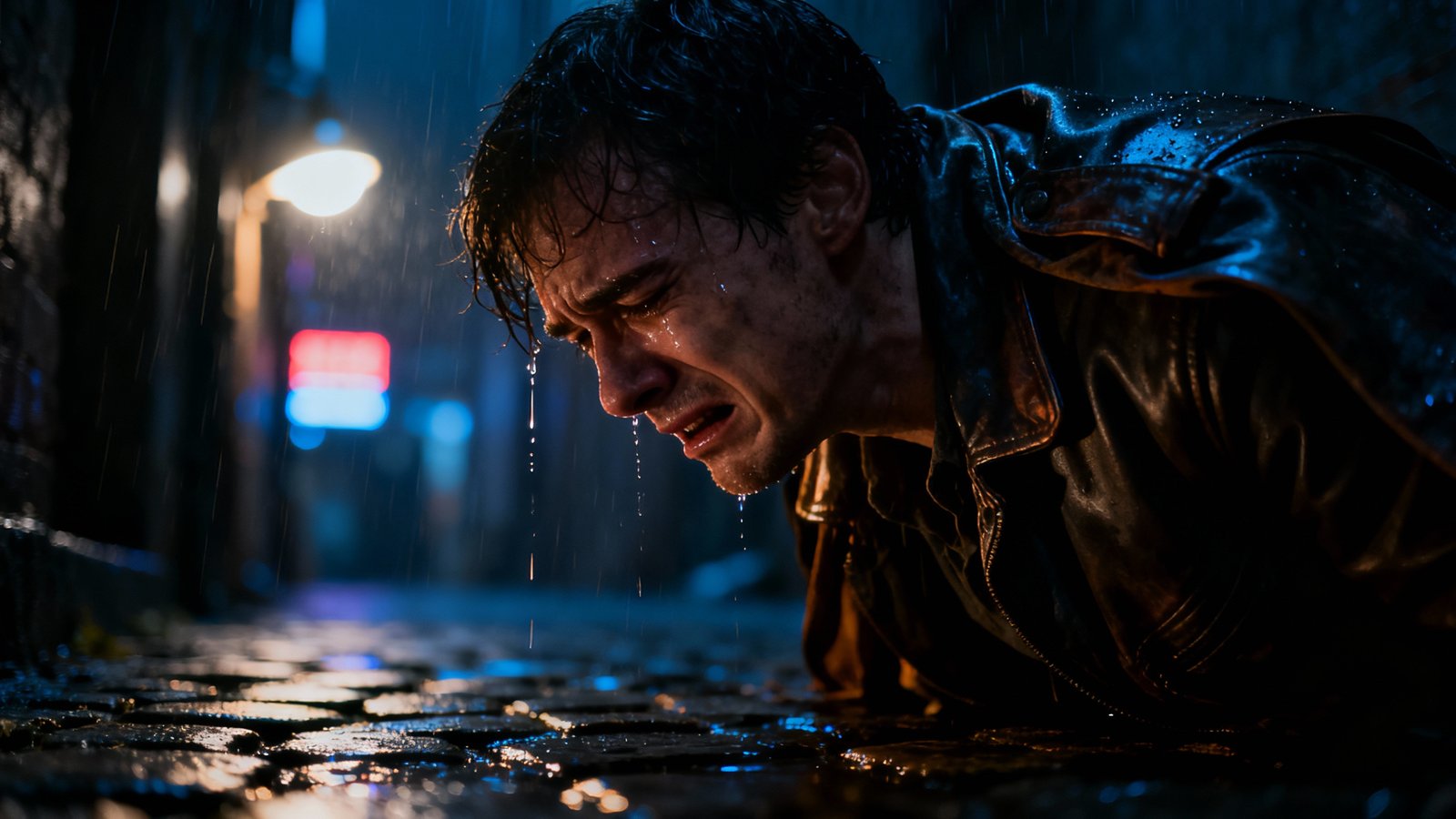
I sat there, basically daring it to happen, you know? Like, “Come on, break me.” And you know what? It did. It totally, utterly, completely broke me. Not just a little sniffle, folks. We’re talking full-blown, snot-running, silent-sobs-into-my-sleeve kind of breakdown. Right there in the theater. It was… humbling, to say the least. So yeah, for those of you who’ve seen it, you get it. For those who haven’t- well, buckle up. You’ve been warned.
The Quiet Power of Grief, Undone
Zhao has this way of capturing the world that’s almost- almost– too intimate. You feel like you’re not just watching characters, but living alongside them. In Hamnet, this approach is cranked up to eleven. We’re talking about Shakespeare, well, pre-Shakespeare really. It’s not about the famous playwright, not exactly. It’s about Agnes Hathaway, his wife, and their children, especially the titular Hamnet. And their grief. Oh, their monumental, earth-shattering grief.
A Mother’s World, Unfolding
It’s not a flashy movie, at all. It’s grounded, earthy, almost tactile. You can practically smell the damp soil, feel the raw wool, taste the sparse meals. Agnes, played with such raw, believable intensity- truly a performance for the ages, I think- she’s not just a character; she’s a force of nature. A healer, a witch perhaps, misunderstood, deeply connected to the natural world around her. Her life, her devotion to her children, her difficult- but clearly passionate- relationship with her husband, played by a surprisingly understated Paul Mescal. It’s all laid bare, piece by piece, building this incredibly fragile, beautiful world that you just know is destined to shatter.
- Setting: Stratford-upon-Avon, 1580s. A small world, but deep with emotion.
- Agnes: An unconventional, spiritually intuitive woman, really the heart of the film.
- The Children: They’re not just plot devices; they’re fully formed, vibrant little people. Hamnet especially.

The pacing is deliberate, meditative even. Zhao lets moments breathe, linger. A child’s smile, a hand clasped, the way light filters through a window. These aren’t just pretty shots; they’re building blocks for the emotional tidal wave that’s coming. You get so invested in these small, everyday moments, these quiet rhythms of life in a bygone era, that when tragedy strikes- and you know it’s coming, given the title alone- it feels like a personal gut punch. It truly does. It’s like watching a delicate glass sculpture being meticulously crafted, piece by painful piece, only to see it drop.
“What Zhao has done here isn’t just adapt a novel; she’s bottled the essence of profound, inexpressible loss and allowed it to permeate every frame.”
The Arrow and the Play
Now, you might think, “Okay, historical drama, grief, heard it all before.” But this is where the genius- and the heartbreaking specificity- comes in. The story isn’t just about losing a child, though that’s obviously central. It’s also about how grief transforms, how it shapes art, how something so utterly devastating can eventually- eventually- manifest into something immortal. For Agnes and William, it’s not just a personal tragedy; it’s the genesis of one of the greatest plays ever written.
The Shadow of Hamlet
The film essentially posits- and it’s a popular theory, though certainly not historically irrefutable- that the death of their son, Hamnet, was the catalyst for Shakespeare’s masterpiece, Hamlet. The connection between the names, the timeline, it all lines up. And my goodness, does this movie lean into that devastating possibility. Throughout the film, there are subtle- and not-so-subtle- hints at William’s creative process, how his observations, his struggles, his immense sorrow, are slowly, irrevocably being woven into the fabric of his future work. It’s a heavy thought, isn’t it? That such beauty could be born from such profound pain.
- Etymology: Hamnet and Hamlet- virtually interchangeable names in that period.
- Art as Catharsis: The notion that Shakespeare channeled his deepest grief into his most famous tragedy.

It sounds academic, maybe, when I put it like that. But in the film, it’s anything but. It’s raw. It’s a mother grappling with an unbearable loss, knowing instinctively- perhaps even resentfully- that her husband is finding a way to articulate, to externalize, something she can only feel as a gaping, internal wound. Her husband is famous, off in London, finding fame and catharsis, while she’s left in Stratford, wrestling with ghosts. That’s a brutal, unequal dynamic right there. It raises all sorts of questions about creativity, about remembering, about who gets to tell the story of a life, or a death.
Honestly, watching Hamnet felt less like viewing a film and more like experiencing a particularly vivid, unsettling dream. It gets under your skin. It gnaws at you. The performances are so lived-in, so utterly convincing, that you forget you’re watching actors. You’re just… there with them. In their grief, in their struggle. And let me tell you, when you’re there with them, the dam breaks. It just does. It’s a testament to Zhao’s unique vision, her ability to make the ancient feel achingly, devastatingly modern.
So, yeah, Hamnet broke me. Completely shattered my proud “I don’t cry at movies” streak. And I wouldn’t trade that experience for anything. It’s a powerful, truly unforgettable film that reminds you- sometimes in the most painful way possible- of the enduring human capacity to love, to lose, and to somehow, impossibly, carry on. You’ll probably cry. A lot. But you should still see it.