
Okay, so you know those massive tech companies, the ones that seem to be everywhere, doing everything? Think Amazon, Google, Meta, but over in China. We’re talking Alibaba, Baidu, Tencent, and then some industrial powerhouses like BYD, making cars that are suddenly giving Tesla a run for its money. They’re these behemoths of innovation and commerce, basically woven into the fabric of daily life there. But what if those seemingly innocuous e-commerce platforms, search engines, and EV manufacturers are actually- deeply intertwined with something far more serious than just selling you stuff or finding you a restaurant?
That’s the question the Pentagon is apparently asking, and it’s a pretty big one. According to recent reports from Bloomberg, the U.S. Department of Defense is looking at whether to add some of China’s biggest civilian tech and manufacturing giants to a list that alleges their involvement in aiding Beijing’s military. Yeah, you heard that right. It’s not just some obscure drone manufacturer anymore- it’s companies whose names you probably see in headlines all the time. This isn’t just about economic competition; it feels like it’s about something much more fundamental, something that could really redefine how these global players are perceived and treated. It’s a bombshell, really.
The Blurry Lines of Civilian and Military Tech
Now, you might think, “Alibaba? The e-commerce giant? How could they be helping the military?” And that’s a fair question, a very human one to ask. It’s not like Jack Ma is personally designing fighter jets, right? But here’s where it gets interesting, and frankly, a bit unsettling. In China, the government operates under a doctrine often called “military-civil fusion.” Basically, it’s this national strategy where there isn’t really a clear dividing line between civilian enterprises and military objectives. They’re encouraged- or perhaps, expected– to share technology, data, and expertise for national defense purposes. It’s not optional. This isn’t like a Silicon Valley startup doing contract work for the Pentagon; it’s practically baked into the system.
From Cloud Computing to Command Control?
So, when you think of Alibaba, you think online shopping, payment systems, maybe even that huge cloud computing arm, Alibaba Cloud. Baidu? They’re Google’s counterpart, with search engines and increasingly, AI development- self-driving cars, face recognition, all that jazz. BYD? They’re huge in electric vehicles and batteries. These aren’t overtly military companies. Not on the surface anyway. But consider the nature of their technologies:
- Alibaba Cloud: What’s the backbone of modern military operations? Data. Lots of it. Secure, robust cloud infrastructure is crucial for advanced command and control systems, logistics, intelligence gathering, and even AI training for military applications. If Alibaba Cloud is a leading provider, it’s not a huge leap to imagine that same tech being applied to military needs, given the “fusion” policy.
- Baidu’s AI and Big Data: Imagine the insights derived from vast search data, navigational information, and their cutting-edge AI. This stuff can be used for everything from optimizing troop movements to developing sophisticated surveillance tools or even enhancing autonomous weapon systems. It’s kind of like saying a hammer is just for construction, but it can also be used for… other things.
- BYD’s Battery Tech: Electric vehicles themselves might not be direct military hardware, but the underlying battery technology- especially high-capacity, high-efficiency power sources- is absolutely critical for modern military equipment. Drones, portable power, advanced vehicles, submarine technology- all benefit immensely from cutting-edge battery innovation.
It’s this dual-use nature of technology that makes this whole situation so thorny. What starts as something for everyday conveniences can easily be adapted for strategic, even military, gains. That’s the real conundrum here.
The U.S. Response- And What it Means for You
So, what does it actually mean if the Pentagon formally adds these companies to their list? Well, it’s not just a slap on the wrist. It could trigger a whole host of actions. For one, it could lead to sanctions, making it harder for these companies to operate or acquire technology from U.S. entities. More significantly, it pressures American investors to divest from these firms. Imagine your retirement fund or a mutual fund you own potentially having to offload shares in Alibaba or BYD. That could have a ripple effect on global markets, particularly tech stocks.
“The concern isn’t about what these companies intend to do, but what they are compelled to do under China’s military-civil fusion strategy. That’s the fundamental difference.”
For individuals, especially if you’re invested in the stock market, this is something to watch closely. The U.S. government has been increasingly scrutinizing Chinese companies, particularly after geopolitical tensions have been simmering. This isn’t a new phenomenon, but adding names like Alibaba and Baidu feels like a significant escalation. It signals a move away from just targeting obvious military suppliers to potentially challenging the foundational tech infrastructure within China that could have security implications. It’s like saying, “We’re not just worried about the gun manufacturers, we’re worried about the steel mills that supply them, because that steel can be used for tanks too.”
Navigating the Geopolitical Tech Minefield
It creates a tricky situation, doesn’t it? On one hand, you have massive, innovative companies that are undeniably leaders in their fields, driving global economic growth and technological advancement. On the other, you have a government, specifically the U.S., expressing serious national security concerns about the potential for their technologies to be integrated into or co-opted by a rival military. It’s not a black-and-white issue, which is probably why it’s so difficult to untangle.
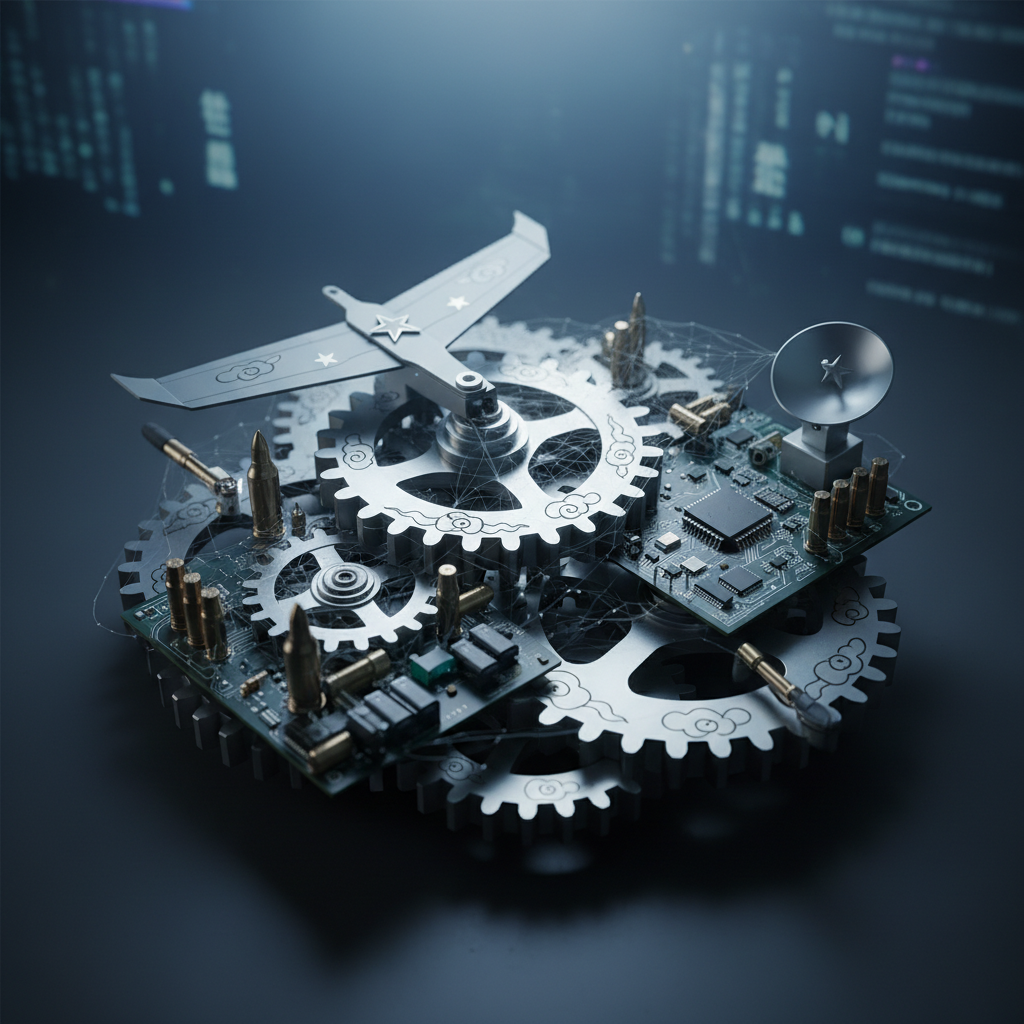
This discussion also brings up a larger point about globalization and interconnectedness. In our current world, technology flows across borders, investments are global, and supply chains are intricately linked. When a major power like the U.S. draws a line in the sand, saying certain tech giants are too close to a rival’s military apparatus, it forces a reassessment of relationships for everyone involved- governments, businesses, and investors alike. It’s almost like a forced decoupling of certain sectors, which can be messy and unpredictable.
Ultimately, this Pentagon consideration highlights a growing anxiety in Washington about China’s technological advancements and its military ambitions. It’s a strategic move, intended to, well, basically slow things down or at least make it more difficult for these companies to benefit from access to American capital and technology, if that tech might ultimately bolster a strategic competitor. It’s a high-stakes game, and the latest reports suggest that what once seemed like purely commercial enterprises are now being viewed through a very different, very serious lens.
So, keep an eye on this. The ripple effects could be significant, not just for the companies involved, but for the broader global economy and the ongoing tech rivalry between two of the world’s biggest superpowers. It really makes you wonder, doesn’t it, about the true cost of convenience and technological progress when national interests are at stake?