
Okay, so imagine you’re at a high-stakes poker game, but instead of cards, it’s billions of dollars and national interests on the table. That’s kind of what’s unfolding with this whole Teck Resources-Anglo American saga. You’ve got Anglo sniffing around Teck, trying to acquire its base metals business, and honestly, for anyone watching the mining industry, it’s a big deal. Copper, zinc- these are the metals powering our electric future, right? Canada’s sitting on a lot of it.
Now, Teck, a Canadian mining giant, they were already planning to spin off their steelmaking coal business, renaming the remaining base metals company EVR Metals. Smooth, clean separation, they thought. Anglo American, however, saw an opportunity-a massive, strategic opportunity-to gobble up Teck’s copper and zinc assets, which are, to put it mildly, pretty sought after these days. Makes sense, given the global push for decarbonization and electrification. Everyone needs copper, like, yesterday.
But here’s the rub, the Canadian government. You can almost hear the collective gasp from Ottawa. A foreign company, even a behemoth like Anglo American, swooping in to take over one of Canada’s strategic resource players? Not so fast, buddy. You’ll probably hear about this at your next family dinner, if someone’s into stocks or, you know, just cares about Canada’s economic sovereignty.
“National Security Review”: Translation – We’re Watching You
So, a few weeks ago, Reuters-always on the ball-broke the news that the Canadian government is gonna conduct a national security review if Anglo American makes a formal move on Teck. That’s not just a polite suggestion; it’s a statement. It’s like saying, “Hey, good luck getting through our very particular, very Canadian inspection process.”
What’s Really Going On Behind the Curtain?
Now, you might think, “Why is this a big deal? Companies get bought and sold all the time.” True. But Teck isn’t just any company. It’s a major Canadian employer, a significant player in the global metals market (especially those critical metals), and it controls a ton of resource assets on Canadian soil. For the Canadian authorities, this isn’t just about money; it’s about control. Who produces these raw materials? Who benefits from the jobs and technology? And maybe most importantly, who has the final say on where these critical resources go?
- The “Critical Minerals” Angle: This isn’t just about copper or zinc for plumbing anymore. We’re talking about ingredients for electric vehicle batteries, magnets for wind turbines, all the tech that’s going to reshape our energy future. Countries are getting super protective of their critical mineral supplies right now.
- Canadian Sovereignty: There’s a deep-seated desire, especially in Canada, to maintain control over its natural resources sector. It’s part of the national identity, almost. Handing over significant chunk of it to a foreign entity-even an allied one-raises some red flags. Think about it: a country built on oil, gas, and mining assets feels a certain way about those assets.
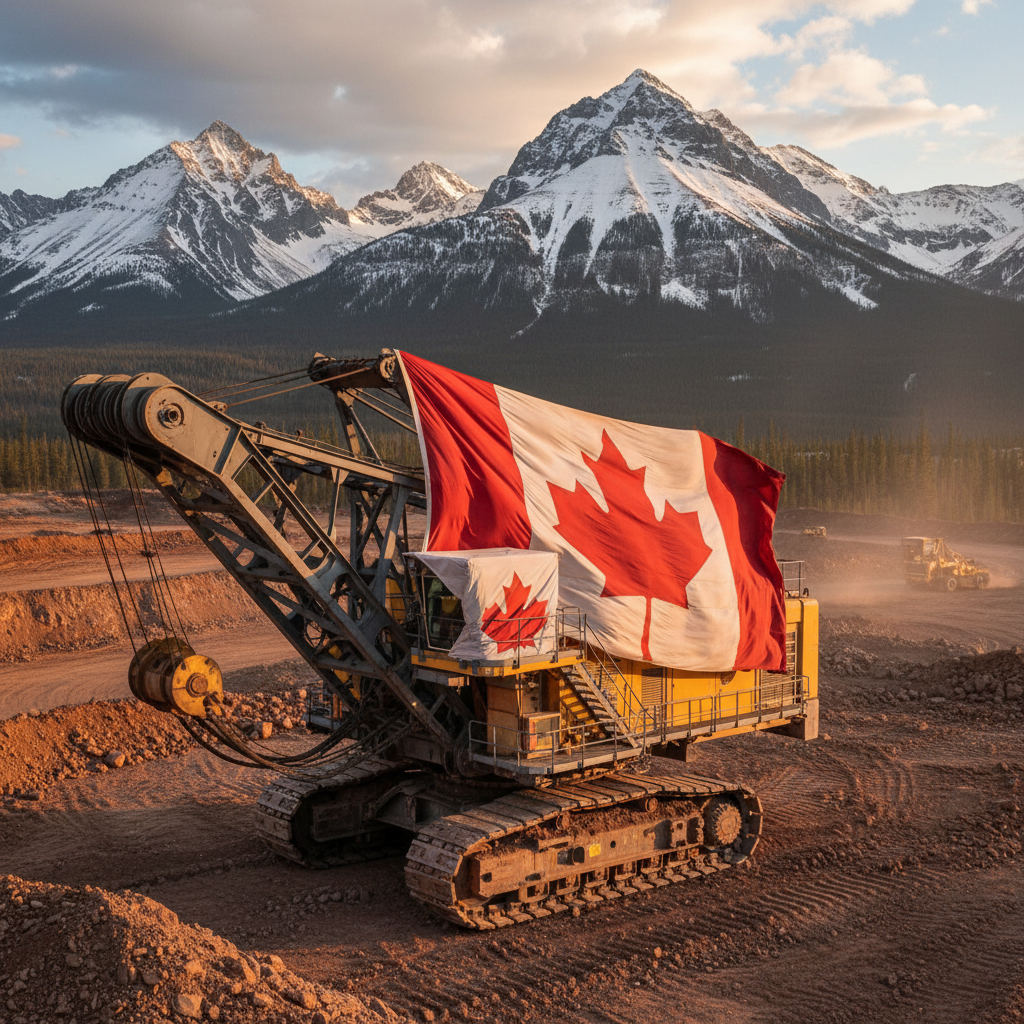
Plus, let’s be real, the current geopolitical climate is making everyone a bit jumpy about who owns what. Supply chain resilience, strategic autonomy-these aren’t just buzzwords. Nations are genuinely trying to secure their futures. So this review isn’t just bureaucratic red tape; it’s a defensive posture, you know?
“It’s like a country saying, ‘This isn’t just property, it’s our future. And we get a say in who holds the keys.'”
The Dance of the Giants: Teck’s Options and Anglo’s Play
So, Teck itself had this complex plan for KAI separation-splitting into Teck Metals Corp. and Elk Valley Resources (the coal part). It was supposed to be a nice, clean break, allowing investors to pick their poison, so to speak-either the sexy base metals future or the cash-rich but carbon-heavy coal business. Anglo American’s move sort of threw a wrench in that. They want the whole base metals pie, not just a portion, and they’d probably spin off the coal themselves. Savvy, I guess.
Why the Government Isn’t Just Rubber-Stamping This
Imagine, for a second, you’re the Canadian Minister of Innovation, Science and Industry. You’ve got to weigh the potential economic benefits of a foreign investment against the long-term strategic implications of losing control over a key domestic industry. It’s not an easy call. There are jobs to consider, environmental regulations, Indigenous relations (super important in Canadian mining), and the whole “head office in Canada” prestige. Losing a major head office-that means losing jobs at the top, significant charitable contributions, political influence, you get the picture.

This isn’t the first time Canada has flexed its muscles on foreign takeovers, either. There have been several high-profile cases over the years where deals were either blocked, or approved with some pretty stringent conditions attached about maintaining Canadian employment, research and development, and ownership. It’s a recurring theme in Canadian business news, kind of like Groundhog Day for foreign investors.
The Verdict: Will Anglo’s Bid Be Stuck in the Maple Syrup?
So, what happens next? It’s tough to say with absolute certainty, but if Anglo American does table a formal bid, that national security review is going to be intense. They’ll scrutinize every aspect: who’s employed, where the profits go, what specific technologies are involved, even the environmental track record. There would undoubtedly be demands for commitments-to keep jobs in Canada, to invest more here, maybe even a requirement for Canadian board members or a minimum level of Canadian ownership. You know, conditions that make it feel less like a takeover and more like a joint venture of sorts, but with Canada still firmly in the driver’s seat.
It’s a chess match, really. Anglo American wants those assets badly, Teck obviously wants to maximize shareholder value, and the Canadian government wants to protect its strategic interests. Whoever wins, or ends up making concessions, this whole situation highlights just how much critical minerals have become a geopolitical hot potato. It’s not just about market forces anymore; it’s about power. And Canada, being resource-rich, is right in the thick of it. Stay tuned-it’s probably gonna get even more interesting.