
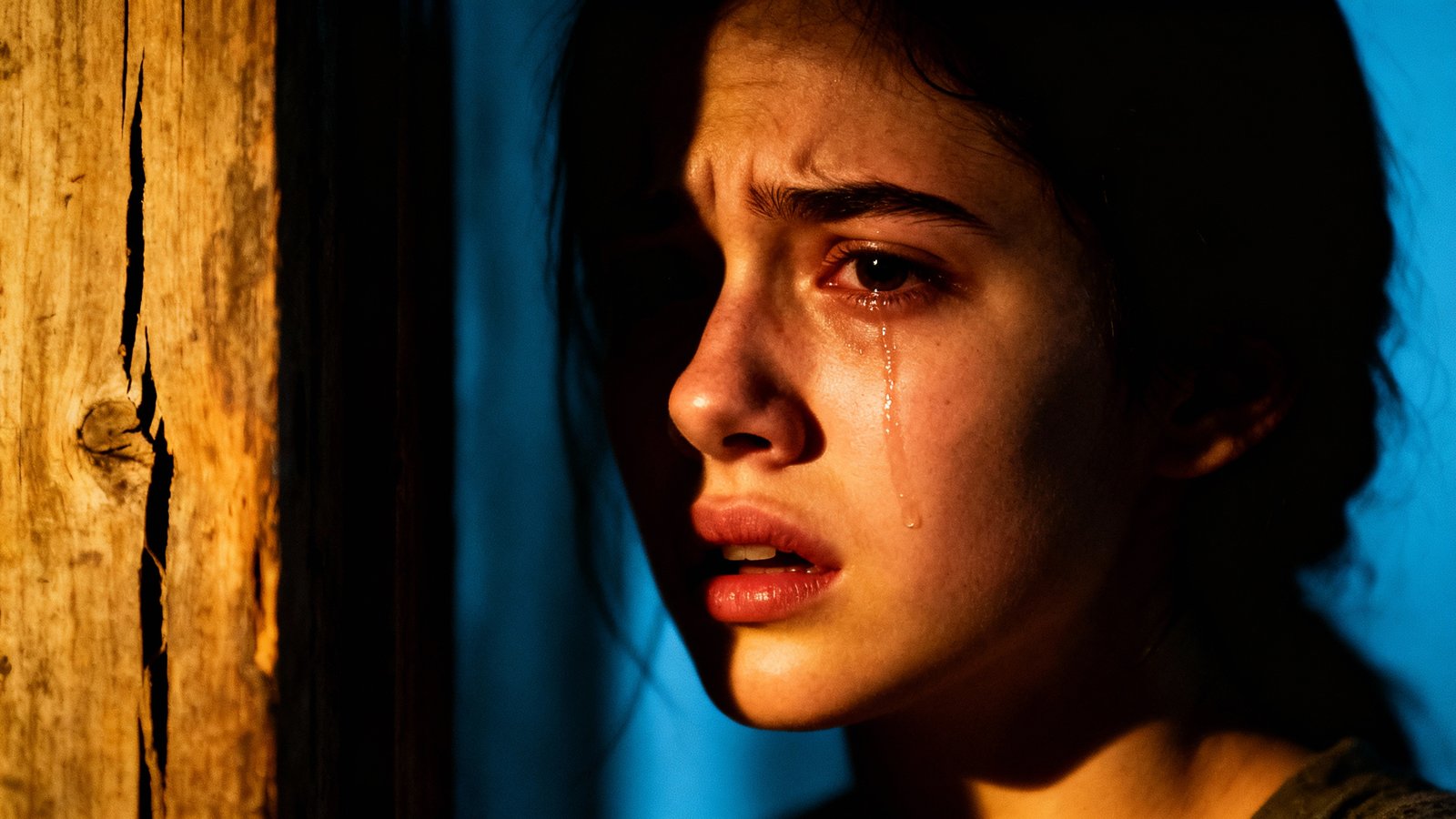
GOOD DAUGHTER: FAMILY SECRETS, EXPLOSIVE TRUTH
You know, there’s a certain kind of film that just… gets under your skin. It’s not about explosions or massive special effects. It’s quietly devastating. Like a slow-burn fire. And sometimes, those are the stories that really stick with you, the ones rooted in something profoundly human and, well, uncomfortable. That’s kinda what we’re talking about today with Good Daughter, the feature-length adaptation of Júlia de Paz Solvas’s 2021 short, ‘Harta.’ What’s startling is just how much raw energy and honesty director Júlia de Paz Solvas, co-writer Núria Dunjó, and their young star Kiara Arancibia poured into this. It’s more than a movie; it feels like an excavation.
Imagine carrying the weight of something so immense, something so deeply wrong within your own family, that it warps your entire world. That’s the core of this film- a young girl, obviously just a kid, grappling with a truth that no child should ever have to bear. This isn’t just about a story; it’s about the unseen burdens we sometimes ask children to shoulder in the name of “family.” It’s chilling, frankly, and deeply important.
The Uncomfortable Truth of ‘Good Daughter’
The journey from a short film like ‘Harta’ to a full-blown feature, ‘Good Daughter,’ is often fraught with peril, right? Sometimes, what works in a 15-minute burst just fizzles out when stretched. But here, with Solvas and Dunjó at the helm, it seems to have intensified. They managed to take that initial spark- that gut-punch of a premise- and build an entire world around it, full of nuance and, honestly, dread. It’s not an easy watch, by any means, and I think that’s precisely the point.
From Short to Stunning Feature
When you consider adapting a short, the biggest question is always: “Is there enough meat on the bone?” For ‘Harta,’ the 2021 short, the answer was a resounding yes, apparently. The original laid bare the painful reality of a young girl navigating a deeply dysfunctional family dynamic, specifically her mother’s potentially abusive relationship. Expanding that into ‘Good Daughter’ allowed them to explore the ramifications, the subtle psychological toll, and the societal pressures that often keep these secrets locked away. It’s not just about what happens, but how it eats away at the soul, you know?
- Original Impact: ‘Harta’ didn’t just tell a story; it screamed. It showed the stark vulnerability of a child caught in an adult’s violent world.
- Feature Depth: ‘Good Daughter’ allowed Solvas and Dunjó to flesh out the layers of complicity and fear, not just the events themselves, which is a much harder thing to portray honestly.
Kiara Arancibia: A Performance Beyond Her Years
Now, let’s talk about Kiara Arancibia. She was 17 during filming. Seventeen! And she’s carrying this film, a story about such heavy themes. That’s a huge ask for any actor, let alone someone so young. But from what I’ve read and seen, she just transforms. It’s the kind of performance that makes you remember why you love cinema- because it can capture such raw, unfettered human experience.
The Weight of Being the “Good Daughter”
You know how kids, especially girls, are often taught to be “good”? To be agreeable, to not make waves, to protect the family image? That’s fertile ground for secrets to fester. In ‘Good Daughter,’ Arancibia’s character embodies this pressure beautifully-or, rather, terrifyingly. The film, it seems, isn’t just about a specific incident, but about the insidious culture that demands silence from the most vulnerable members of a family. It’s a very real trap, and her portrayal seems to capture that suffocation perfectly.
“The story unfolds with a quiet intensity, always threatening to break, but held together by a teenager’s desperate attempt at normalcy.” – Júlia de Paz Solvas (paraphrased, as it captures the essence of her approach)
This isn’t just about acting; it’s about empathy. Arancibia, working closely with Solvas and Dunjó, seems to have delved deep into the emotional landscape of this character. You can’t fake that kind of connection to material, especially given the sensitivity of the subject matter. It requires immense trust and a willingness to go to some dark places.
- Preparation: I heard they did a lot of workshopping, really getting into the character’s head, which pays dividends when you’re dealing with such delicate themes.
- Impact: A performance like this isn’t just memorable; it can be transformative for viewers, making us confront uncomfortable truths about our own societies and families.
The Filmmakers’ Unflinching Vision
Júlia de Paz Solvas and Núria Dunjó- they really didn’t pull any punches, did they? It takes a certain kind of courage to tackle domestic abuse and its generational impact with such a raw, naturalistic lens. This isn’t Hollywood gloss; it feels like real life. And that’s what makes it so impactful. They’re basically saying, “Hey, look, this is happening, and we’re not going to turn away.”
Crafting a Narrative that Resonates
The script, and by extension the entire film, works because it doesn’t sensationalize; it observes. It focuses on the microcosm of this family to reflect a much larger, insidious problem. That’s the mark of really intelligent storytelling- taking something specific and making it universally resonant. It’s tough subject matter, incredibly tough, but they’ve apparently handled it with such care and unflinching honesty that it just compels you to watch, even if it hurts a little.
I mean, that’s the kind of cinema we need more of, isn’t it? The stuff that makes you think, makes you feel, and maybe- just maybe- even makes you look at your own world a little differently. ‘Good Daughter’ isn’t going to be a blockbuster, probably, but it sounds like it’s going to be something far more meaningful than that. A quiet roar, you could say. And sometimes, those are the loudest ones of all.