
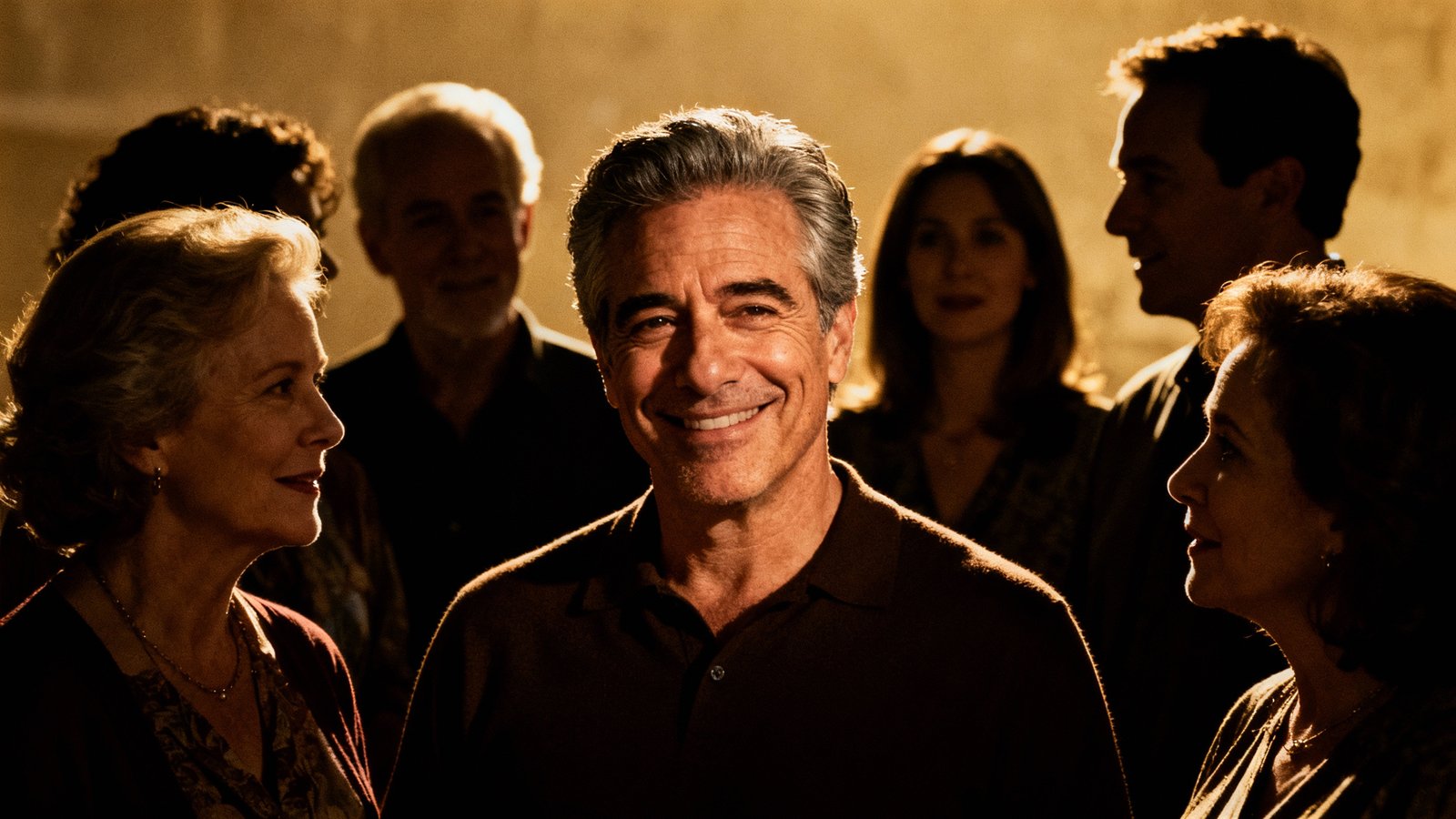
Raymond’s 30! They’re Still Family.
You know, there’s a certain magic that happens when a show just gets it. Not just the jokes, mind you, but the very essence of family life-the good, the bad, the absolutely maddening. And honestly, fewer shows have captured that particular brand of comedic chaos better than Everybody Loves Raymond. Now, fast forward three decades-yes, three whole decades have zipped by since it first graced our screens on CBS-and the feeling, for many of us, is still very much the same.
Can you believe it? Thirty years. It feels like just yesterday we were watching Ray Barone trying to navigate his overbearing parents and slightly-too-perfect brother living practically next door, while his wife, Debra, just tried to maintain some semblance of sanity. The whole thing was just-chef’s kiss-perfectly calibrated, wasn’t it? Ray Romano, the show’s co-creator and star, recently reflected on this incredible milestone, and what really struck me is how, even after all this time, the heart of the show-that messy, loving, exasperating family dynamic-still shines through. It’s not just a TV show for a lot of people; it’s a touchstone.
The Secret Sauce: Real Life, Raw Jokes
It’s tempting to think about sitcoms as these perfectly polished, joke-delivery machines. And sure, Raymond had plenty of meticulously crafted laughs. But the real genius, the bit that made it stick in our collective consciousness, was its almost uncomfortable authenticity. Phil Rosenthal, the other co-creator, was a big proponent of pulling directly from their own lives. I mean, who would’ve thought that actual family squabbles, things you’d normally keep under wraps, would become prime-time gold?
When Fiction Mirrors Reality a Little Too Closely
Think about it-how many times did you watch an episode and think, “Oh my god, that’s my mom!” or “My brother does that exact thing!” That wasn’t an accident. They leaned into it, hard. Ray Romano’s stand-up, which was the show’s genesis, was all about his actual family, his actual life. So, when they brought that to the screen, it wasn’t just a gimmick-it was the foundation.
- Point: The writers’ room sessions often involved personal anecdotes from Romano and Rosenthal-actual arguments with spouses, awkward holiday dinners, the sort of stuff that makes you sigh deeply in real life but laugh hysterically on TV.
- Insight: This willingness to be vulnerable, to expose the slightly ugly but utterly relatable truths of family dynamics, is precisely what forged such a deep connection with viewers. It wasn’t about aspirational living; it was about recognizing your own messy reality.

And that’s why it still resonates, thirty years on. The specific fashion choices or even some of the broader social cues might feel a little dated now, but the underlying conflicts-the mother-in-law who drops by unannounced, the sibling rivalry that never quite dies, the exasperated spouse just wanting a moment’s peace-those are timeless. Honestly, who hasn’t felt like Debra trying to host a dinner party while Marie critiques her every move?
“The thing is, we never tried to make anyone look bad. We just showed what actually happens.” – Phil Rosenthal (paraphrased, because he always had that candid vibe)
Beyond the Laughs: The Unseen Empathy
Here’s where it gets interesting, I think. While we were all busy laughing, the show was actually doing something quite profound. It was building empathy. Yeah, I know, “empathy” isn’t exactly the first word that comes to mind when you think of a sitcom where everyone’s pretty much always annoyed with each other. But hear me out.
Understanding the “Why” Behind the “What”
Each character, no matter how grating they seemed sometimes, had a deeply human core. Marie, for all her meddling, was a mother who loved fiercely (if suffocatingly). Frank, the gruff, often-nasty patriarch, probably had his own untold stories of struggle and disappointment. Robert, the perpetually overshadowed brother, just wanted his parents’ approval and some recognition. And Ray himself? He was just trying to keep everyone happy, or at least keep them from actively fighting, which, as anyone with a family knows, is a full-time job.
- Point: The show consistently gave us glimpses into the characters’ inner worlds-a quiet moment of vulnerability from Frank, a rare admission of insecurity from Marie, Robert’s longing for connection.
- Insight: By showing us those moments, even fleeting ones, the writers transcended simple caricatures. They offered us a chance to understand not just what these characters did, but why they did it. And that, my friends, is genuine empathy on display.
This depth-this understanding that even the most annoying people in your life usually come from a place of something resembling love (or at least a misguided attempt at it)-is what elevates Everybody Loves Raymond beyond just a funny show. It’s a reminder that family, for all its complexities, is ultimately about connection, however flawed that connection might be. That’s a pretty heavy thought for a show about a sportswriter and his meddling parents, right?
The Lasting Legacy: More Than Just Reruns
So, thirty years later, what’s its actual legacy? Is it just a nostalgic trip for millennials and Gen Xers? I don’t think so. I think its influence-subtle, often unacknowledged-is still weaving its way through the sitcom landscape.
Paving the Way for Relatable Messiness
Before Raymond, a lot of family sitcoms, while funny, often felt a tad more aspirational, a bit more polished. The perfect families, the perfect houses, the perfect kids who always learned a lesson by the end of 22 minutes. Raymond blew that out of the water. It made it okay, even cool, to show the unvarnished, frustrating, but ultimately lovable messiness of real families.
- Point: It basically said, “Hey, your family probably drives you nuts, and that’s totally normal.” This paved the way for shows that lean into awkwardness and dysfunction as a source of humor, rather than something to be neatly resolved.
- Insight: Its legacy isn’t just in its own reruns, but in the permission it gave subsequent creators to dig deeper into the actual, sometimes excruciating, realities of family life. Think about how many modern comedies owe a stylistic nod to this approach.
That’s what makes celebrating 30 years of Everybody Loves Raymond so meaningful. It’s not just about commemorating a classic show; it’s about acknowledging its quiet but profound influence on how we, as a culture, look at family on screen. It showed us that the most hilarious stories often come from the most annoying, yet deeply human, places.
Ultimately, Ray Romano and Phil Rosenthal created something that just clicked with people because it felt real. It validated our own family frustrations while making us laugh at them. And isn’t that what the best comedy does? It holds up a mirror, makes you nod knowingly, and then makes you snort-laugh at the absurdity of it all. Here’s to 30 years, and many more, of watching the Barones remind us that despite everything-the meddling, the bickering, the endless parade of unsolicited opinions-sometimes, everybody really does love Raymond, and his whole chaotic crew.