





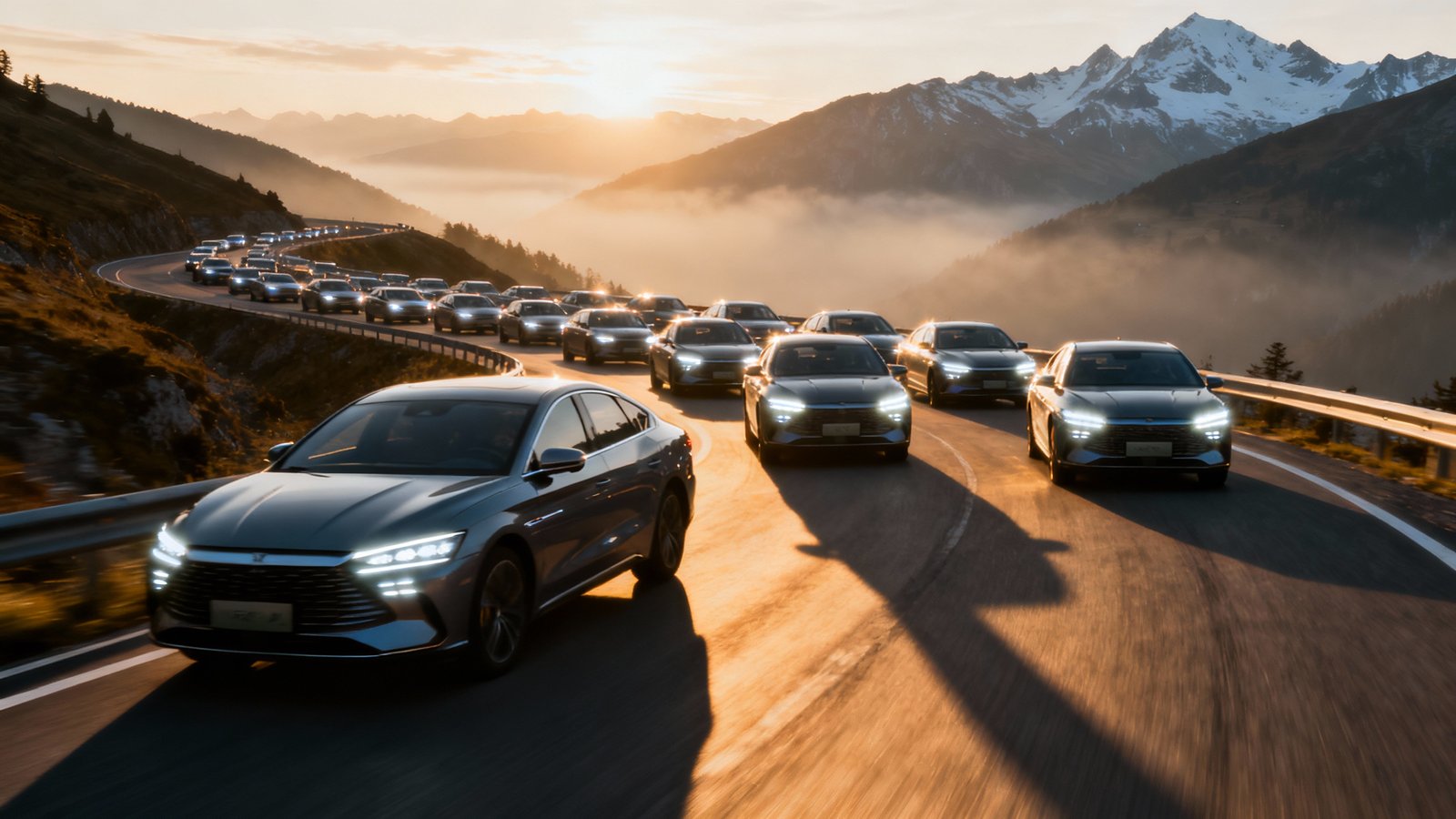
China’s Auto Bomb: 300,000 Cars Storm Europe!
Okay, so try to wrap your head around this: a single Chinese automaker, Great Wall Motor-GWM, is setting up a plant in Europe-Hungary, specifically-with an annual production target of 300,000 cars. That’s not a typo. Three. Hundred. Thousand. Every year. Think about that for a second because it’s kind of a big deal, you know? It’s not just another factory opening; it’s a strategic beachhead, a major play in the global automotive chess game, and honestly, it feels like the opening salvo in what could be a really intense automotive war. An invasion even, if you want to get dramatic about it.
For years, Western automakers have trotted into China, built plants, tailored cars for the local market, and essentially cashed in on that booming market. Now, the tables, they’re turning. Big time. GWM is just one of many, actually, making serious moves into what was once considered hallowed ground for European giants like Volkswagen, Stellantis, and Mercedes. And they’re not just arriving; they’re arriving with an arsenal of electric vehicles that are often cheaper, often packed with more tech, and definitely pushing boundaries.
The Great Wall Comes West-Literally
So, GWM choosing Hungary, that’s not by accident. It’s a calculated move. Hungary offers a sweet spot-lower labor costs than, say, Germany or France, and it’s right in the heart of Europe, making distribution pretty darn efficient. Also, the Hungarian government is usually quite welcoming to foreign investment, especially large-scale manufacturing like this. This isn’t just about assembling cars, mind you. This is about establishing a full-fledged production hub. That means jobs, yes, but also a direct challenge to the existing automotive ecosystem.
Why 300,000 is a Game Changer
That 300,000 number? It’s not just a big number for a single plant from a relatively unknown (in Europe, anyway) brand; it’s a statement. It signals a shift from occasional imports to a permanent, high-volume presence. Think about it-that’s a significant chunk of market share potentially up for grabs. For perspective, lots of established European brands don’t even hit those numbers with specific models. This GWM plant is basically saying, “We’re here, we’re building, and we’re ready to compete.”
- Point: GWM’s entry isn’t just about market share; it’s about de-risking supply chains for them. Building locally avoids some of the logistical nightmares and tariff threats that come with shipping cars across oceans.
- Insight: This also means greater customization potential for the European market. They can react quicker to trends, offer specific features that Europeans want, basically become more agile than their import-only counterparts.
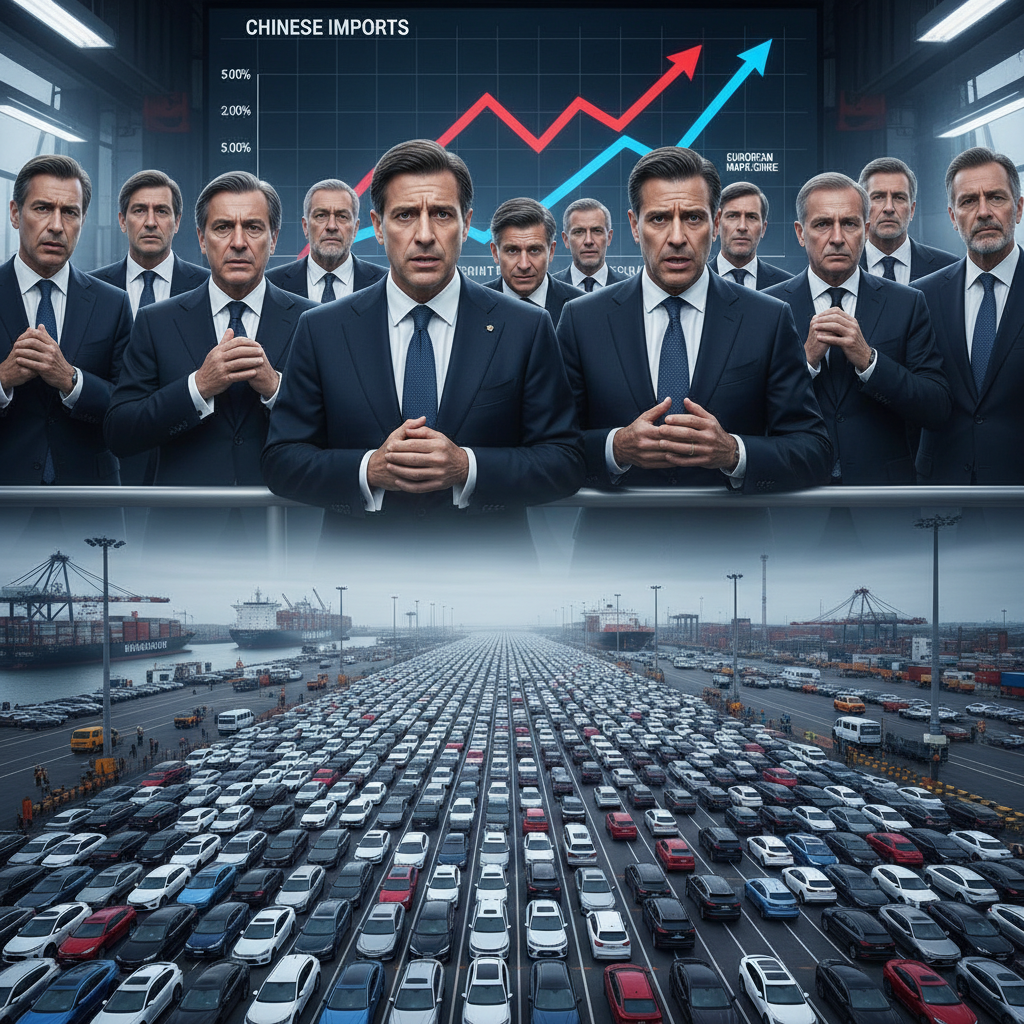
The European Response-Panic or Adaptation?
So how are the European automakers taking this? Well, you know, it’s a mix. Some are probably getting a bit antsy. Others might be thinking, “Hey, we’ve been here before.” But the truth is, the Chinese are coming in hot, especially with electric vehicle technology, and that’s the future. They’ve invested heavily in batteries, in smart cockpits, in genuinely futuristic stuff. European brands, while strong, are sort of playing catch-up in some of these specific areas. And when you factor in price-point, it gets even dicier.
“It’s not just about selling cars; it’s about reshaping the entire automotive competitive landscape. Old rules really don’t apply anymore.”
The EV Edge and What It Means
The shift to EVs is the real x-factor here. Traditional internal combustion engine (ICE) cars. Western automakers have been building those for over a century. They have the pedigree, the brand recognition, the infrastructure. But EVs are a different beast. It’s a more level playing field, frankly. Chinese companies, unencumbered by decades of ICE legacy, have been able to innovate and scale quickly in the EV space. That means they can offer models with impressive range, cool designs, and advanced features at prices that are making heads turn–and maybe causing some heartburn in Stuttgart and Munich.
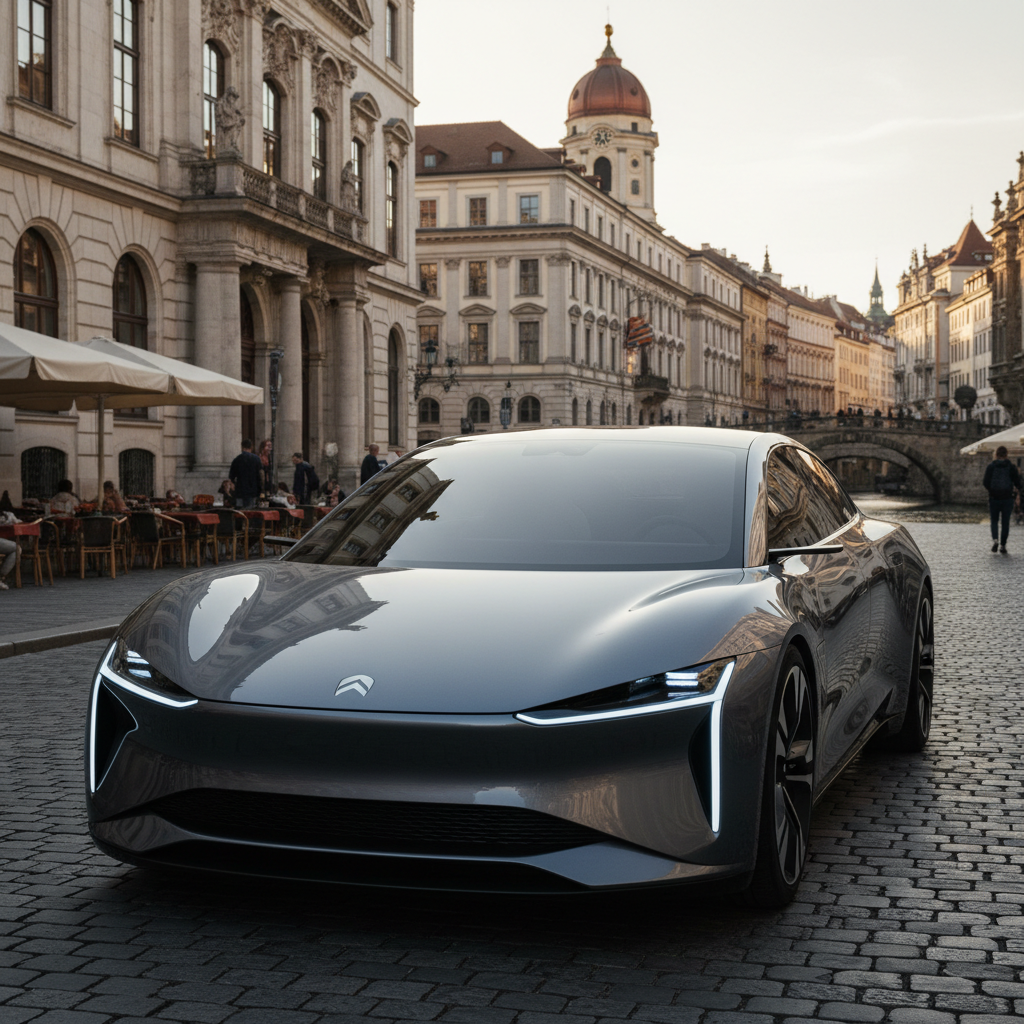
This isn’t about slapping together cheap cars anymore, either. We’re seeing some genuinely high-quality Chinese EVs coming to market. Think about BYD, for instance, or Nio. They’re not just selling on price; they’re selling on capability and user experience. And GWM? They’re right there with them, pushing boundaries and probably making some legacy automakers a little nervous, which is a healthy thing for competition, I guess.
Geopolitics and the Road Ahead
Now, you can’t talk about this without touching on the geopolitical current swirling around everything. The EU is looking at potential tariffs on Chinese EVs, worried about unfair subsidies and, let’s be honest, protecting their own industries. But when a company like GWM builds a factory inside the EU, it complicates that narrative, doesn’t it? It becomes a European employer, a contributor to the local economy. It’s a clever move, kind of side-stepping some of those protectionist arguments. Makes you wonder, what will the EU’s next move be? It’s a bit like watching a really intense game of chess, but with billions of euros and hundreds of thousands of jobs on the line.
So, what does this all mean for you, the everyday car buyer in Europe? Well, probably more choice, possibly lower prices, and definitely a faster pace of innovation. That’s good, right? More competition usually benefits the consumer. But for the European auto industry, accustomed to its dominance, this is a wake-up call, a huge one. It’s not just a trickle of cars from China anymore; it’s a flood. And with 300,000 cars a year from a single plant alone, that flood is about to become a tidal wave. Hang on to your hats, folks, it’s going to be a wild ride in the auto world.


