
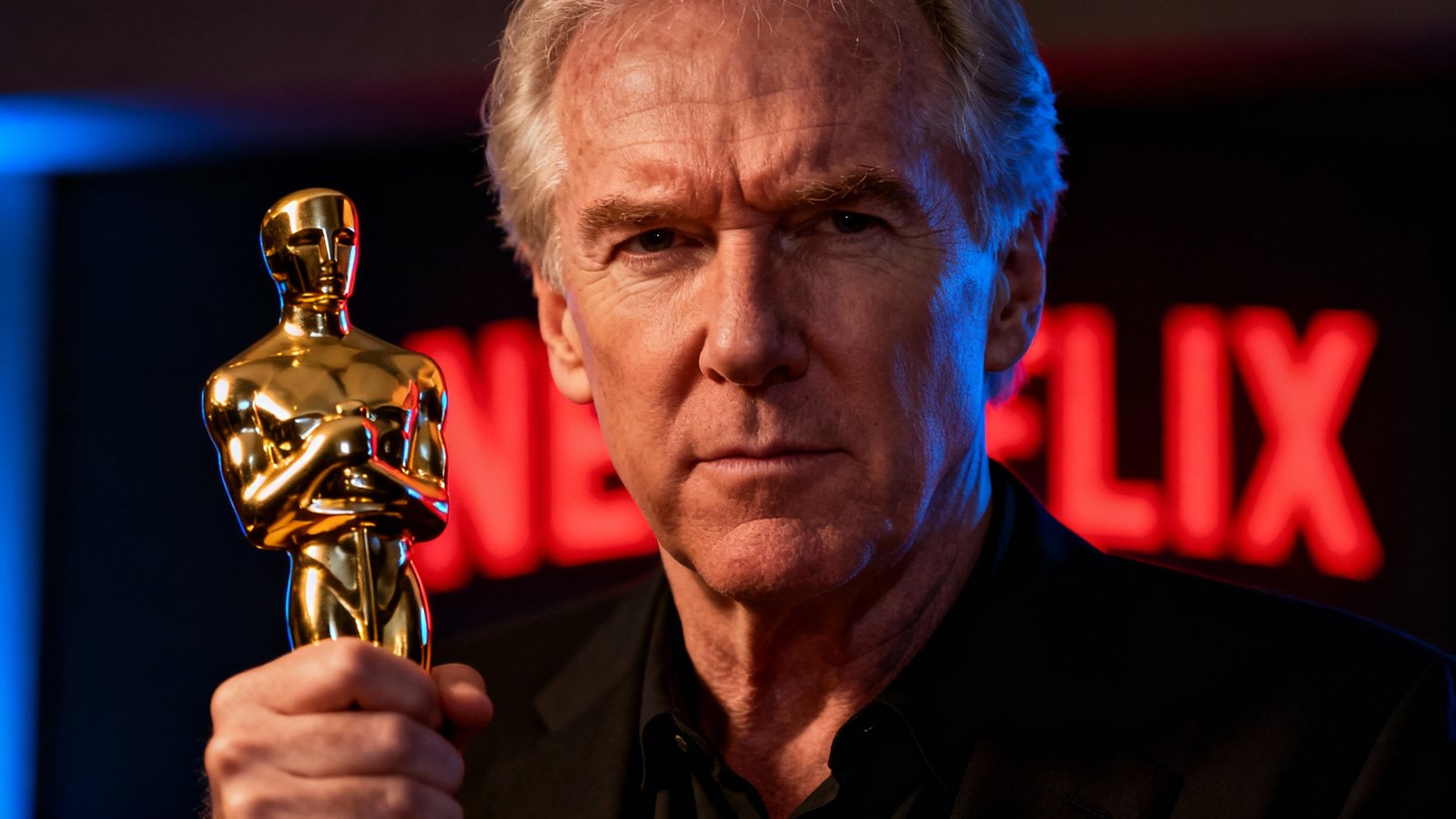
James Cameron – the guy who made Titanic and Avatar, two of the biggest box office juggernauts in cinema history – just threw down the gauntlet at streaming services. And he’s not being subtle about it.
At a recent industry event, Cameron basically said that Netflix movies shouldn’t be eligible for Oscars unless they commit to showing their films in at least 2,000 theaters for a full month. His exact words? “A movie should be made as a movie for theatrical, and the Academy Awards mean nothing to me if they don’t mean theatrical.” Ouch. That’s not just a preference – that’s a line in the sand.
Now, this isn’t some random director complaining about streaming. This is James freaking Cameron, the man who convinced studios to let him spend $200 million-plus on underwater epics and alien planets. When he talks about the theatrical experience, people listen. Whether they agree? Well, that’s where things get interesting.
The Theatrical Experience Isn’t Just Nostalgia
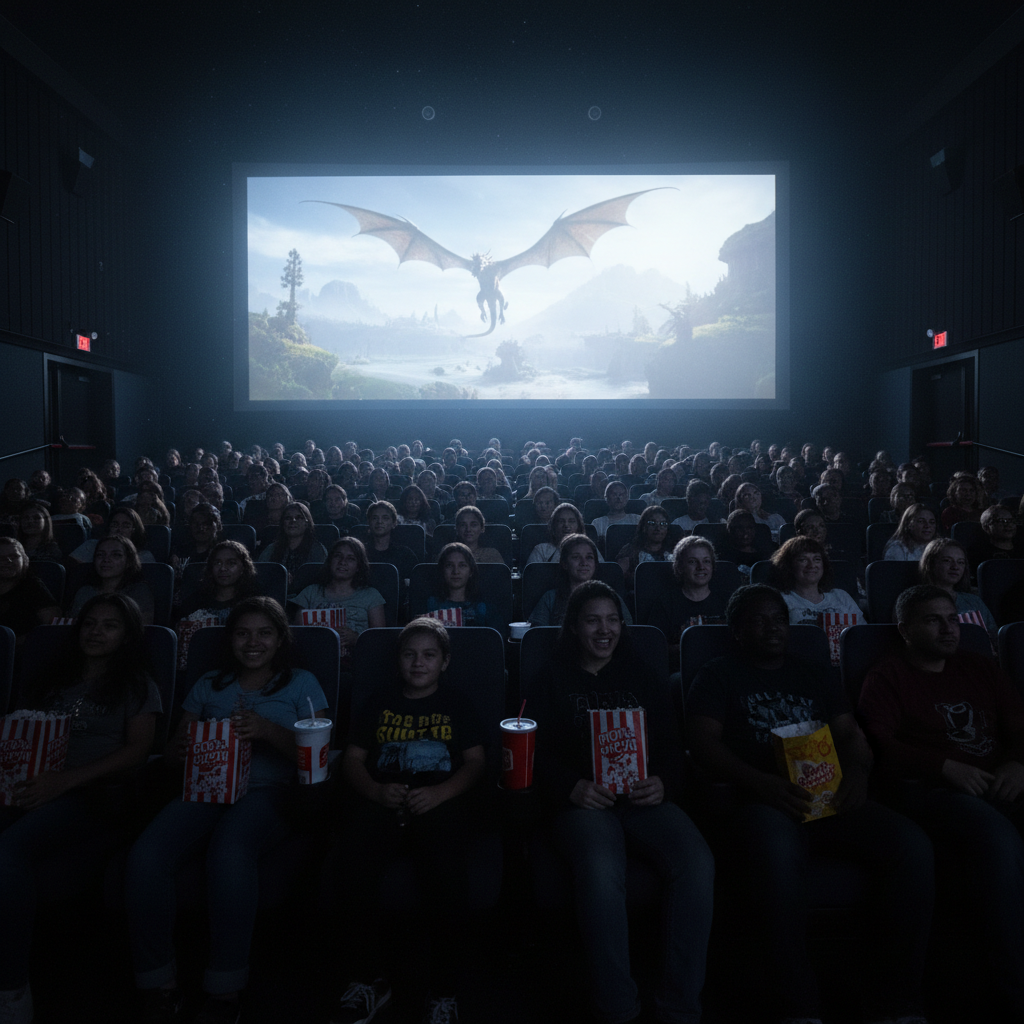
Here’s the thing Cameron’s getting at, and honestly, he’s got a point worth considering. There’s something fundamentally different about watching a movie in a theater versus on your couch. And I’m not just talking about the size of the screen (though, yeah, that matters too).
When you’re in a theater, you’re committed. You can’t pause to check your phone every five minutes. You can’t wander to the kitchen for snacks during the slow parts. You’re stuck there with a hundred other people, all experiencing the same thing at the same time. That’s kind of the whole point of cinema, at least the way Cameron sees it.
What Makes a Movie Actually a “Movie”?
Cameron’s argument goes deeper than just screen size and surround sound. He’s essentially asking: what defines cinema as an art form? If a film is designed from day one to be watched on a laptop screen while you’re half-paying attention, is it really the same thing as something crafted for the theatrical experience?
Think about it this way. Cameron spends years – literally years – perfecting every frame of his movies. He develops new camera technology. He pushes visual effects boundaries. He creates underwater motion capture rigs that didn’t exist before. All of that is designed for one specific venue: a dark room with a massive screen and killer sound.
- The technical aspect: Movies like Avatar: The Way of Water were shot at high frame rates specifically for theatrical presentation. The entire visual language changes when you’re designing for IMAX versus a TV.
- The creative choices: Directors compose shots differently when they know audiences will see every detail on a 40-foot screen. Wide vistas, subtle facial expressions, background details – they all matter more.
- The communal element: There’s a reason comedies play better with audiences. Horror films are scarier. Dramas hit harder. We react to the collective energy in the room.
But Wait, Isn’t This Just Gatekeeping?
Okay, so here’s where Cameron’s stance gets controversial. And trust me, plenty of people think he’s completely wrong.
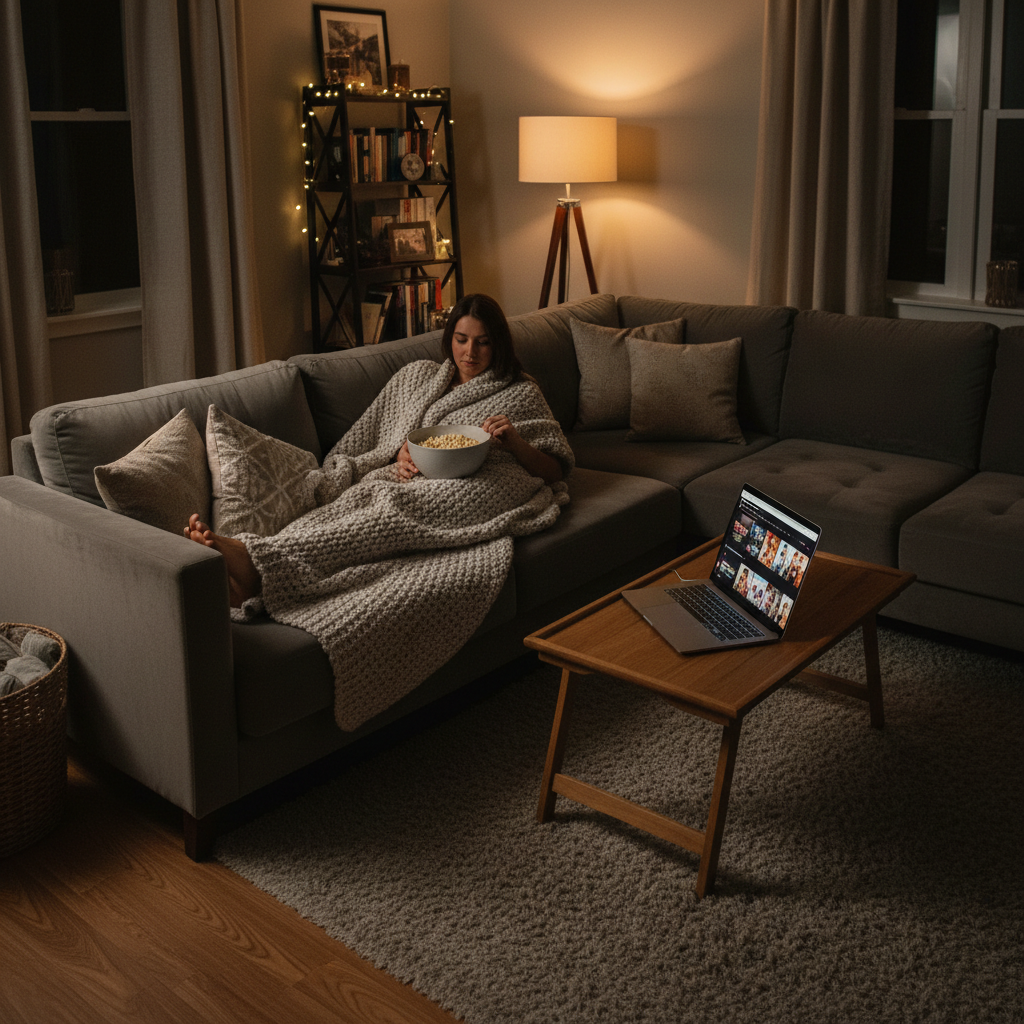
Netflix would argue (and has argued) that they’re democratizing film. Not everyone lives near a decent theater. Not everyone can afford $15 tickets plus $20 for popcorn and drinks. Some people have disabilities that make theatrical viewing difficult. Some folks just prefer watching at home with subtitles on. Are we really saying those people’s viewing experiences matter less?
The Economics Are Messy
Here’s something Cameron doesn’t really address in his comments: the theatrical model is kind of broken for a lot of movies. Mid-budget dramas? Good luck keeping them in theaters for more than two weeks. Smaller indie films? They might play in 50 theaters total, not 2,000.
Netflix and other streamers have actually funded movies that traditional studios wouldn’t touch. Roma, The Irishman, Marriage Story – these got made because streaming services were willing to write the checks. Sure, they got limited theatrical runs, but would they have existed at all in the old system? Probably not.
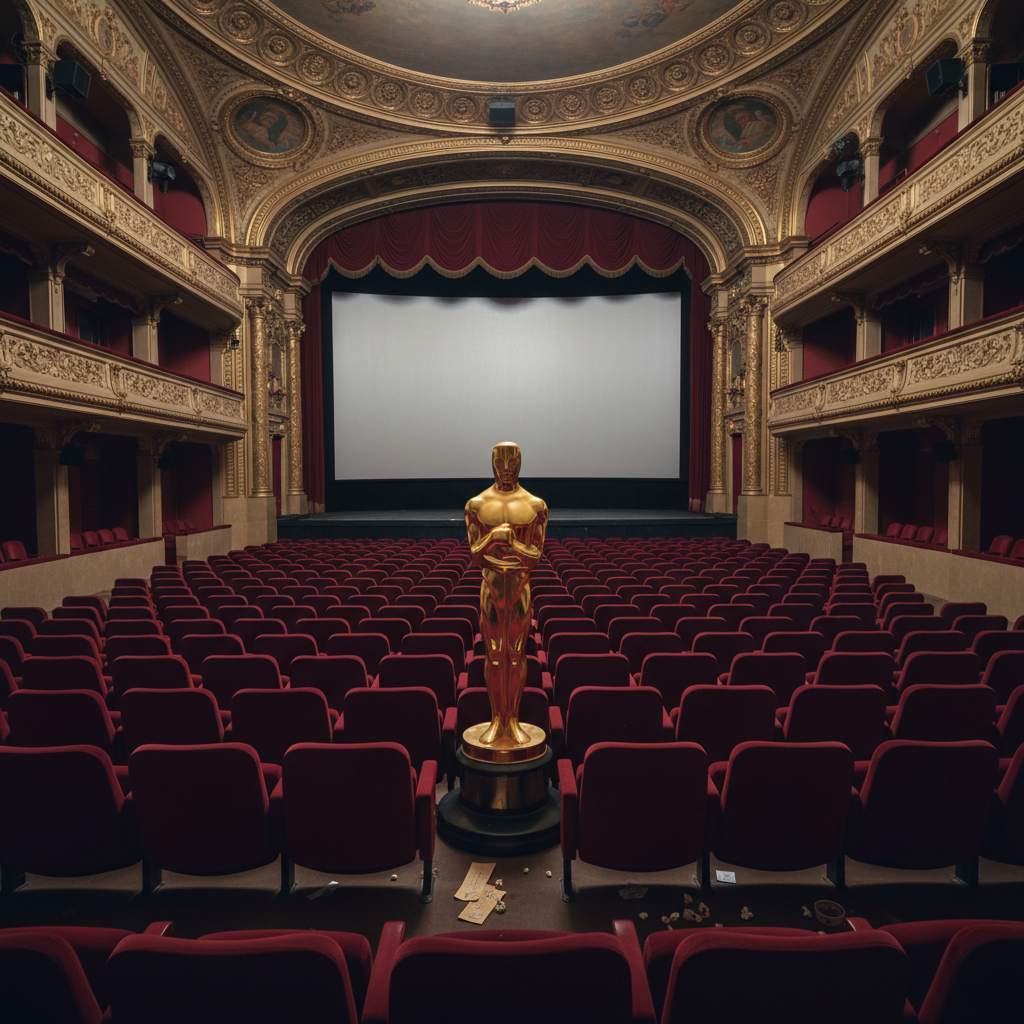
And let’s be real about something else: theaters aren’t exactly thriving everywhere. Small towns have lost their local cinemas. Even mid-size cities have seen their art house theaters close. The infrastructure Cameron wants to protect is already crumbling in many places.
What Does the Academy Actually Want?
This whole debate isn’t new, you know. The Academy has been wrestling with streaming eligibility for years now. They’ve tried to find a middle ground, requiring some theatrical release but not Cameron’s proposed 2,000-theater, one-month requirement.
The current rules are basically a compromise that nobody’s totally happy with. Streaming films need a qualifying theatrical run in select cities, but it’s nothing like what traditional releases do. It’s enough to technically count, but not enough to satisfy purists like Cameron.
Who’s Really Winning Oscars Anyway?
Here’s a fun fact: despite all the hand-wringing about streaming, Netflix has actually struggled to win the big Oscars. They’ve gotten plenty of nominations, sure. But Best Picture? Still elusive. CODA won for Apple TV+, but that’s basically it for streaming’s major victories.
Maybe that tells us something. Maybe Academy voters, consciously or not, still value the theatrical experience. Or maybe streaming services just haven’t cracked the code on what Oscar voters want. It’s hard to say.
“The Academy Awards mean nothing to me if they don’t mean theatrical.”
That quote hits differently when you think about Cameron’s history. He’s won Oscars. Multiple Oscars. He’s been part of that world for decades. For him to say the awards would be meaningless without the theatrical requirement – that’s not a casual opinion. That’s a statement about the fundamental purpose of the Academy.
Where Do We Go From Here?
The uncomfortable truth is that both sides have valid points. Cameron’s right that there’s something irreplaceable about theatrical cinema. The artistry, the communal experience, the technical achievement – it all matters. But streaming advocates are also right that accessibility and changing viewing habits matter too.
What’s probably going to happen? Not much, at least not immediately. The Academy isn’t going to suddenly adopt Cameron’s strict requirements. That would alienate too many players in the industry, including some very powerful streaming companies with deep pockets. And let’s be honest, the Oscars already have an existential crisis about relevance and viewership. Cutting out a huge chunk of modern filmmaking wouldn’t help.
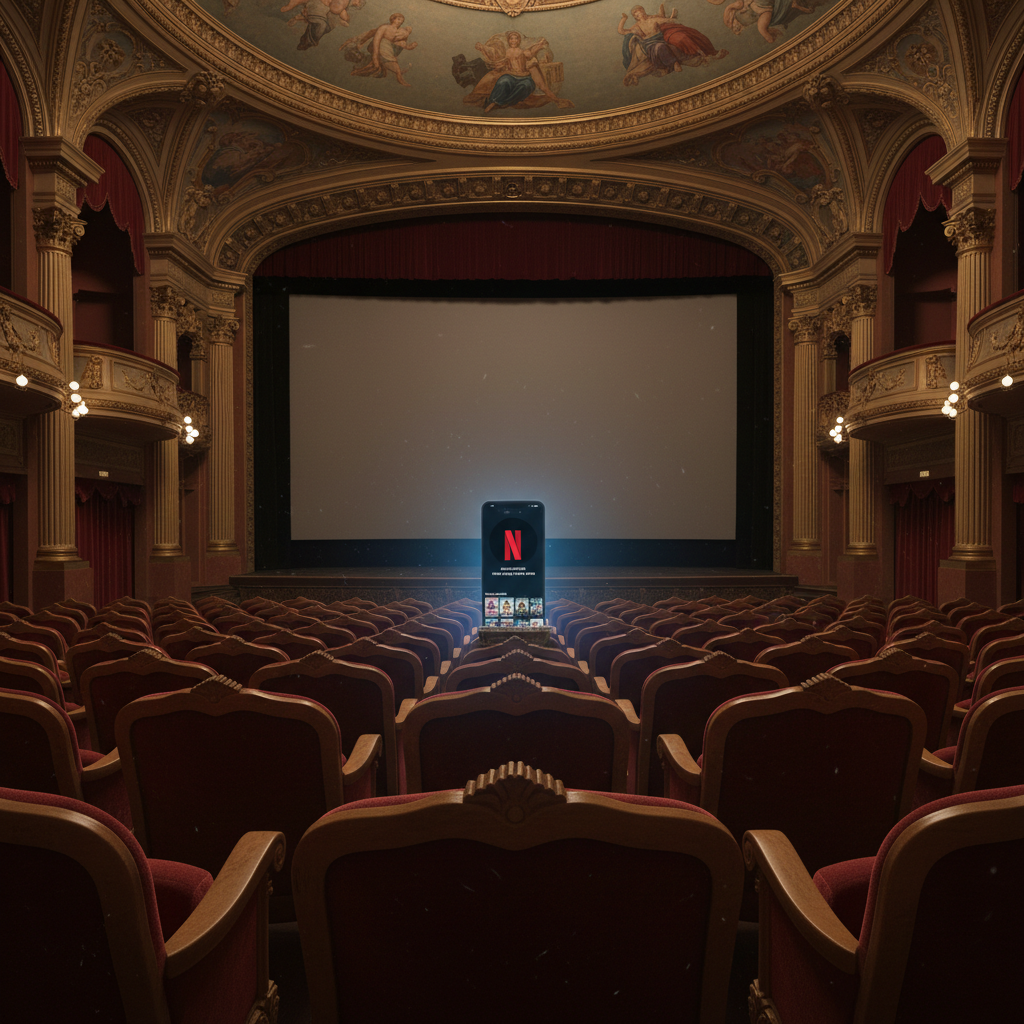
But Cameron’s comments do force a bigger conversation. What is cinema in 2024? Is it defined by where you watch it, or by the artistic intent behind it? Can something designed for streaming ever achieve the same cultural impact as a theatrical release? These aren’t easy questions, and they don’t have clear answers.
Maybe the real issue is that we’re trying to fit two different models into one awards framework. Theatrical releases and streaming films might need different categories, different standards, different expectations. Or maybe – and this is probably the scariest option for traditionalists – we need to accept that cinema is evolving beyond the theatrical model that dominated for a century.
One thing’s certain: James Cameron isn’t backing down from this fight. And given his track record of being stubbornly right about big industry shifts (3D, high frame rates, the box office potential of three-hour movies), it might be worth listening. Even if we don’t entirely agree.