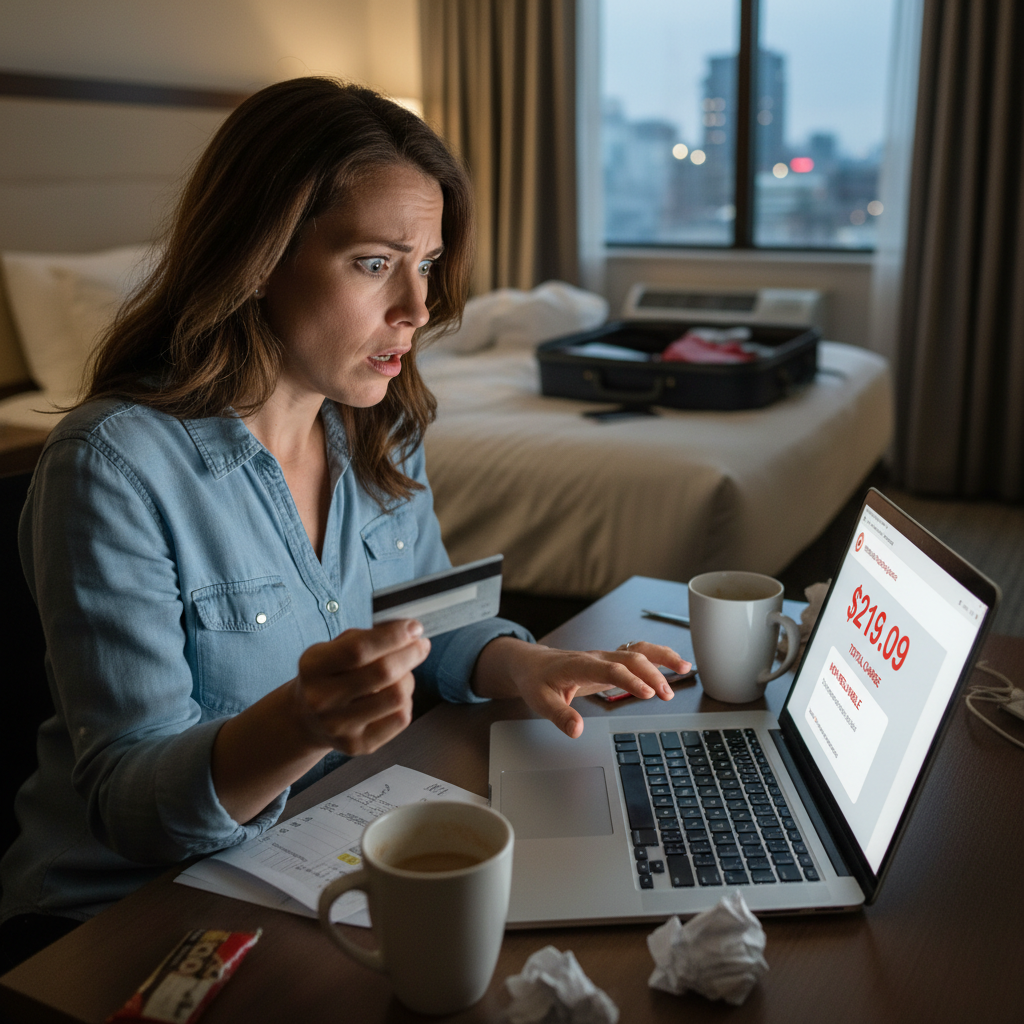
Nadia Saikaley thought she’d locked in the perfect vacation. After months of planning, she’d booked a family trip to Miami through Booking.com – three hotel rooms for nine nights at the Residence Inn Miami Beach Surfside. Total cost: $4,277 CAD. Not cheap, but reasonable for peak season, and she’d paid it all upfront. Her confirmation email arrived, everything looked good, and she probably felt that little rush of relief you get when vacation planning finally clicks into place.
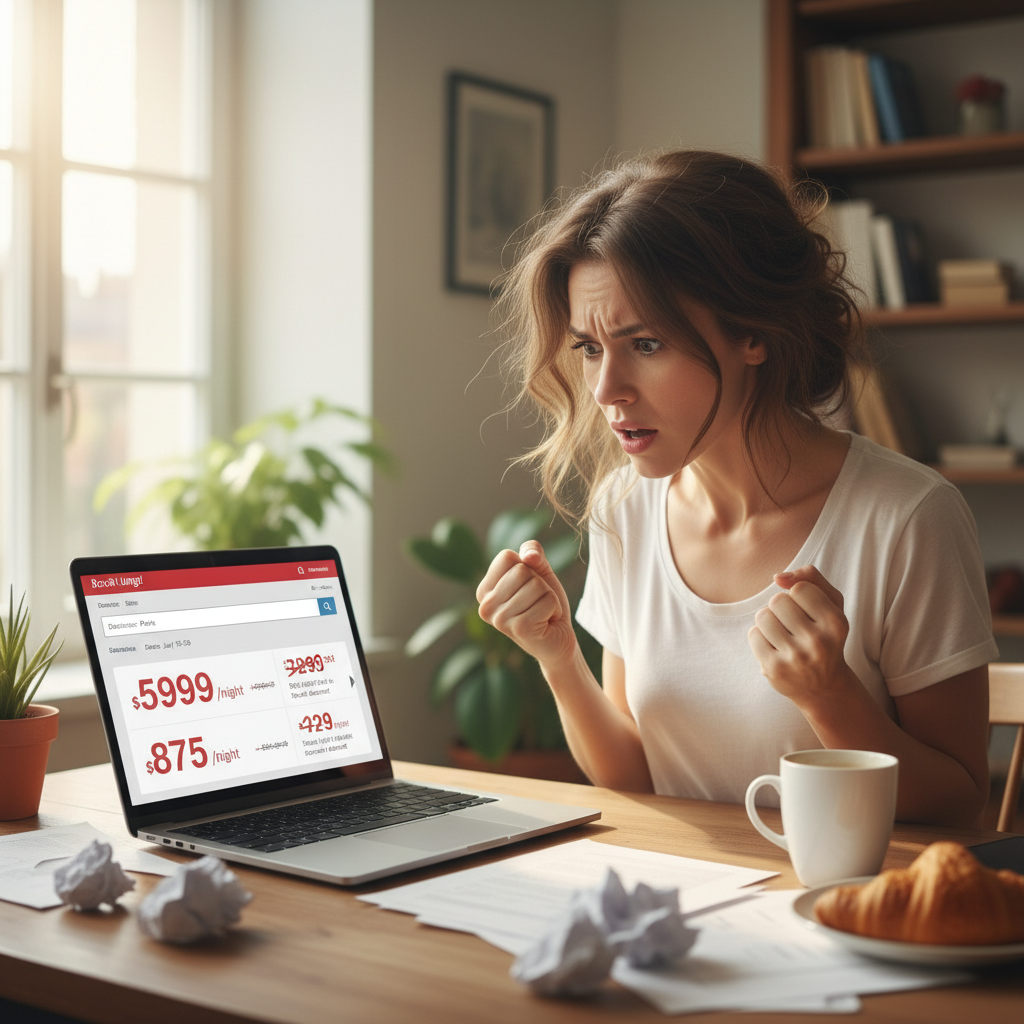
Then Booking.com cancelled her reservation. Without warning. And when she went back to rebook the exact same rooms for the exact same dates? The price had somehow jumped to $17,000.
Yeah. You read that right. We’re talking about a $13,000 price increase overnight.
When Your Confirmation Email Means Nothing
Here’s what actually happened, and honestly, the timeline is kind of infuriating. Saikaley made her booking in early January 2025 for a trip planned in March. Everything seemed fine until she got an email in February – not from Booking.com, but from the hotel itself – saying they had no record of her reservation. Which is, you know, the kind of message that makes your stomach drop when you’re two weeks out from a family vacation.
When she contacted Booking.com, they confirmed what she feared: her reservation had been cancelled. Their reason? The hotel had supposedly flagged it as fraudulent. But here’s where it gets really weird – Booking.com had already charged her credit card back in January. The money was gone. The hotel had been paid. And now suddenly it’s fraud?
The “Fraud” That Wasn’t
Saikaley provided everything Booking.com asked for to prove the booking was legitimate. Credit card statements, identification, the works. She jumped through every hoop they put in front of her. And after reviewing all her documentation, Booking.com admitted there was no fraud. None. The cancellation was, apparently, a mistake.
So problem solved, right? They’d just reinstate her original booking at the original price?
Not exactly.
The $13,000 “Mistake”
When Booking.com offered to help Saikaley rebook, they quoted her $17,000 for the same rooms she’d originally paid $4,277 for. The same property. The same dates. The same room configuration. Just a casual 297% price increase.
Now, you might think this is just surge pricing or normal rate fluctuations, but the timing is pretty suspicious. Her original booking was cancelled less than two weeks before check-in – peak price season, when hotels know desperate travelers will pay almost anything. And Booking.com’s explanation? They claimed they couldn’t override the hotel’s pricing, even though they’d acknowledged their own error in cancelling a legitimate reservation.
The Platform’s Convenient Powerlessness
This is where the story gets into some murky territory about how these booking platforms actually work. Booking.com operates as a middleman – they display inventory and process payments, but they claim to have limited control over hotel pricing and policies. It’s a convenient shield when things go wrong.
But think about it: Booking.com had enough power to cancel a paid reservation. They had enough control to collect $4,277 from Saikaley’s credit card. They presumably had enough leverage to negotiate commission rates and partnership terms with the hotel. But somehow, when it came time to fix their own mistake, they were powerless to enforce the original rate?
- The money trail: Booking.com collected payment in January and held it for weeks before the cancellation
- The timing: Cancellation happened just days before check-in, when prices peak and alternatives vanish
- The pattern: This isn’t Saikaley’s isolated experience – similar complaints have surfaced across social media
The whole thing feels less like an unfortunate glitch and more like a system that’s working exactly as designed – just not for the customer’s benefit.
What Actually Happened to the Money
Here’s a question worth asking: where did Saikaley’s $4,277 go during all this? According to the CBC report on her case, Booking.com eventually refunded her – but only after she’d spent weeks fighting, only after she’d gone to the media, and only after the story started getting traction online. Which is great for her (sort of), but what about the people who don’t have the time, energy, or media connections to fight back?

The standard playbook for these platforms seems to be: cancel the booking, offer to rebook at inflated prices, refund only when pressed, and hope most people either pay up or give up. And honestly? It probably works most of the time. How many travelers have the bandwidth to wage a weeks-long battle with customer service when they’re trying to salvage a family vacation?
The Bigger Picture Problem
Saikaley’s case isn’t happening in a vacuum. Online travel agencies (or OTAs, if you want to use industry jargon) have been facing growing scrutiny over these kinds of practices. Just last year, the European Commission fined Booking.com millions for misleading practices. Consumer protection agencies in multiple countries have opened investigations into pressure tactics, hidden fees, and – you guessed it – suspicious cancellations followed by price increases.
The business model itself creates some perverse incentives. These platforms make money on commission – typically 15% to 30% of the booking price. If a reservation gets cancelled and rebooked at a higher rate, well, that’s more commission. I’m not saying that’s definitely what happened here (though the math isn’t hard to do), but the incentive structure doesn’t exactly encourage platforms to fight for customers when hotels want to reprice.
“I trusted Booking.com with my family vacation and my money, and they completely let me down.” – Nadia Saikaley to CBC
Your Vacation Booking Just Got Riskier
So what’s a traveler supposed to do with all this? Book directly with hotels? Maybe, but you’ll often pay more upfront and lose the convenience of managing everything in one place. Stick with the big platforms and hope for the best? That’s basically gambling that you won’t be the next Saikaley.
The frustrating reality is that online booking platforms have become nearly unavoidable. They’ve got the inventory, the search tools, and the market power. Hotels list with them because that’s where the customers are. Customers use them because that’s where the hotels are. It’s a cycle that’s really hard to break, even when the system shows its worst side.
A few things you can do to protect yourself, though they’re not guarantees: Screenshot everything. Save confirmation emails. Document your credit card charges. If something seems off, start complaining loudly and publicly – social media pressure and media attention seem to be the only things that reliably get these companies to act. Which is kind of depressing when you think about it.
The Trust Economy Breaking Down
What really gets me about stories like this is how they erode the basic trust that e-commerce depends on. When you click “book now” and enter your credit card information, you’re trusting that the company will honor the deal. That the confirmation email means something. That if there’s a genuine error, they’ll make it right without forcing you to fight for weeks.
Booking.com’s handling of Saikaley’s case suggests that trust might be misplaced. And that’s a problem that goes beyond one family’s ruined vacation plans.
The company did eventually make things right for Saikaley after the story went public – they found her comparable accommodations at a similar price. But that resolution came only after weeks of stress, countless hours spent on customer service calls, and the intervention of a national news outlet. That’s not a customer service success story. That’s a warning about how little recourse ordinary travelers have when things go wrong.
Next time you’re booking a vacation online, you might want to ask yourself: what would happen if my reservation just vanished? Do I have the time and energy to fight a multinational corporation to get my money back? And is that really the kind of gamble we should have to take just to book a hotel room?