
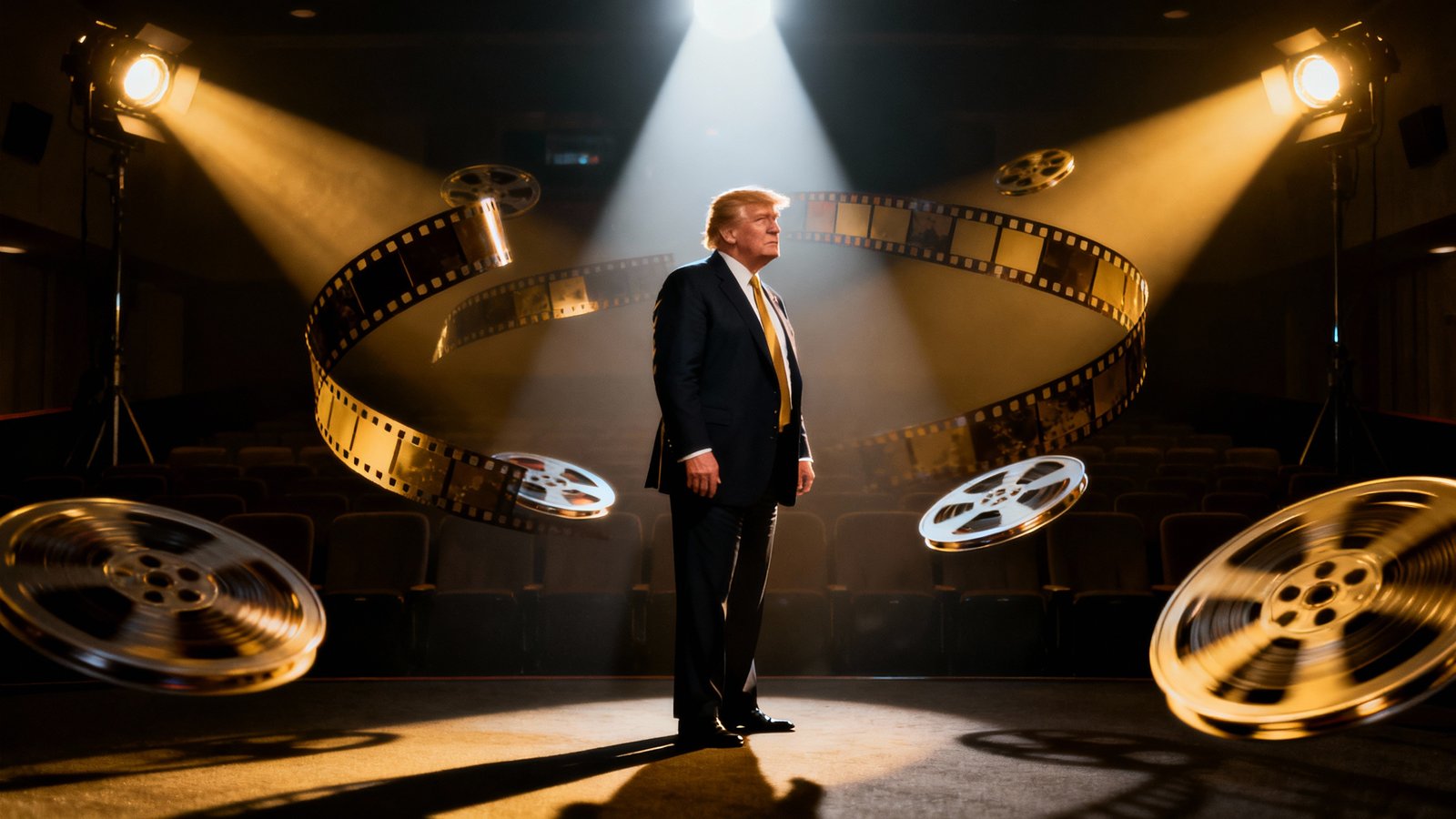
Look, I’ve covered some weird Hollywood stories in my time. But Donald Trump personally lobbying Paramount executives to greenlight Rush Hour 4? That’s a new one for the file cabinet marked “what the hell is happening.”
According to multiple reports, the president isn’t just casually suggesting movie ideas at dinner parties. He’s apparently got specific titles he wants to see made, specific eras of cinema he wants revived, and he’s using his current position to make those pitches heard. We’re talking about a guy who’s genuinely passionate about Bloodsport – the 1988 Jean-Claude Van Damme martial arts flick – and thinks Hollywood needs more of that energy.
Which, you know, raises about a thousand questions. But let’s start with the obvious one: is this really how we’re using executive influence in 2025?
The Action Movie Manifesto Nobody Asked For
Trump’s reportedly been pushing hard for Rush Hour 4, the long-dormant sequel to the Jackie Chan and Chris Tucker franchise that basically defined late-90s buddy cop comedies. The last one came out in 2007, and honestly, nobody’s been losing sleep waiting for another installment. Except apparently one very prominent fan.
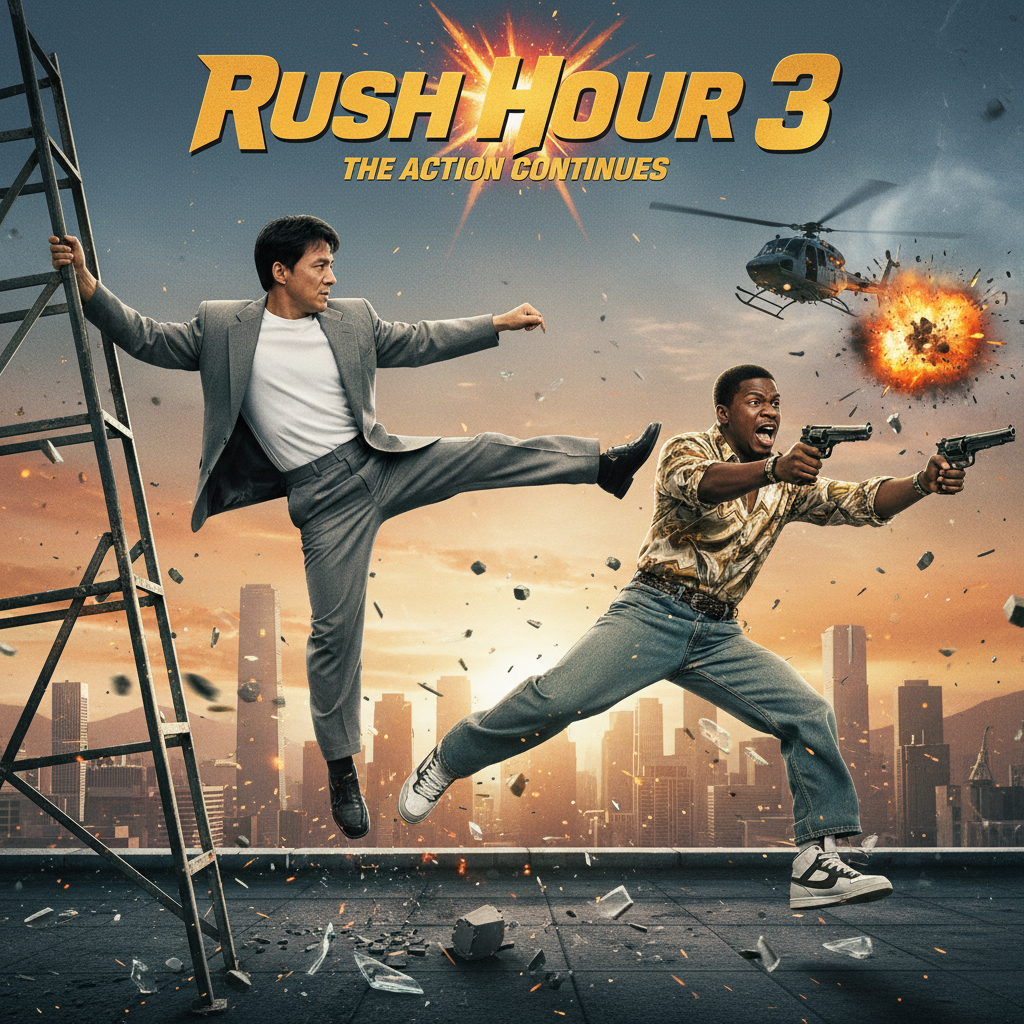
But here’s where it gets interesting. This isn’t just about one sequel. Sources say Trump’s been advocating for a whole renaissance of late-80s to late-90s action comedies. The raucous kind. The ones with impossible stunts, wisecracking heroes, and villains who monologue their entire evil plan before the third act showdown.
What’s Actually on His Watchlist
Bloodsport keeps coming up in these conversations, which – if you haven’t seen it – is basically Van Damme doing splits and roundhouse kicks in an underground fighting tournament. It’s peak 80s martial arts cinema. The kind of movie you’d find on VHS at a gas station, and somehow it became this cult classic that guys of a certain age quote religiously.
The Rush Hour franchise makes a bit more sense as a revival target, at least from a business perspective. Those movies made serious money (the trilogy pulled in over $850 million worldwide). But they also belonged to a very specific moment in comedy – one that doesn’t necessarily translate to 2025 sensibilities.
Hollywood’s Uncomfortable Position
Here’s the thing that makes this whole situation kind of fascinating and deeply awkward at the same time. Paramount executives are apparently taking meetings about these pitches. Which, fair enough – when the president wants to chat about your upcoming slate, you probably clear your calendar.
But the entertainment industry’s relationship with political power has always been complicated. Studio heads are used to being courted for donations, sure. They’re used to politicians showing up at fundraisers and award ceremonies. What they’re not used to is getting what amounts to creative notes from the White House.

The Nostalgia Factor (Or: What This Really Means)
Let’s be honest about what’s happening here. This isn’t really about Rush Hour 4 or Bloodsport specifically. It’s about a very particular vision of American entertainment – one that peaked somewhere between Die Hard and The Matrix. Big, loud, uncomplicated. Heroes who solved problems with fists and one-liners.
That era of filmmaking came with a kind of confidence that feels almost quaint now. The good guys won. The bad guys lost. Everything wrapped up neatly in under two hours. No post-credit scenes setting up seventeen sequels, no dark and gritty reboots exploring the villain’s trauma.
Why Those Movies Worked Then
The late-80s and 90s gave us a specific breed of action comedy that basically doesn’t exist anymore. Think about it:
- Rush Hour (1998): Made $244 million on a $33 million budget, launched a franchise, made Jackie Chan a household name in America
- Bloodsport (1988): Cost $2.3 million, became Van Damme’s breakout, spawned countless imitators
- The Formula: Charismatic leads, practical stunts, fish-out-of-water comedy, minimal CGI, maximum personality
These weren’t prestige pictures. They were crowd-pleasers, pure and simple. And they worked because audiences weren’t dissecting every frame on social media the next day. You watched, you laughed, you left the theater happy.
Why They Probably Won’t Work Now
Here’s where we hit a wall. The movie-going audience of 2025 isn’t the audience of 1998. Jackie Chan is 70 years old. Chris Tucker hasn’t headlined a major film in years. And the kind of broad comedy that played well in Rush Hour – some of which aged like milk left in the sun – doesn’t exactly fly in the current cultural climate.

Modern action comedies have evolved. They’re self-aware now, meta, deconstructing their own tropes even as they indulge in them. The Guardians of the Galaxy movies, the later Marvel films, even something like The Fall Guy – they all wink at the camera in ways that 90s action movies never did.
Going back to that earnest, straightforward style? It’s basically impossible. You can’t unknow what audiences now know about filmmaking, about representation, about the politics baked into even the most “apolitical” popcorn flick.
The Bigger Picture (Because It’s Never Just About Movies)
So why does any of this matter? Well, it matters because we’re watching someone use political capital to advocate for Hollywood projects. That’s not technically new – politicians have always had opinions about entertainment – but the directness of it is kind of unprecedented.
It also reveals something about how different people think about American culture. For some folks, those 90s action comedies represent something lost – a time when things felt simpler, when entertainment was just entertainment, when you didn’t have to think too hard about subtext or representation or cultural sensitivity.
“He appears to want to revive the raucous comedies and action films of the late 1980s to late 90s.”
That word “raucous” is doing some heavy lifting there. It suggests a kind of unruly, politically incorrect energy that supposedly got polished away by focus groups and sensitivity readers. Whether you think that’s a good or bad thing probably depends on where you sit on a dozen other cultural debates.
What Paramount’s Actually Thinking
Behind closed doors, you have to imagine Paramount executives are in a weird spot. Do they take this seriously? Rush Hour 4 has been in development limbo for over a decade. Brett Ratner, who directed the originals, is persona non grata in Hollywood post-Me Too. The budget would be massive for what’s essentially a nostalgia play with aging stars.
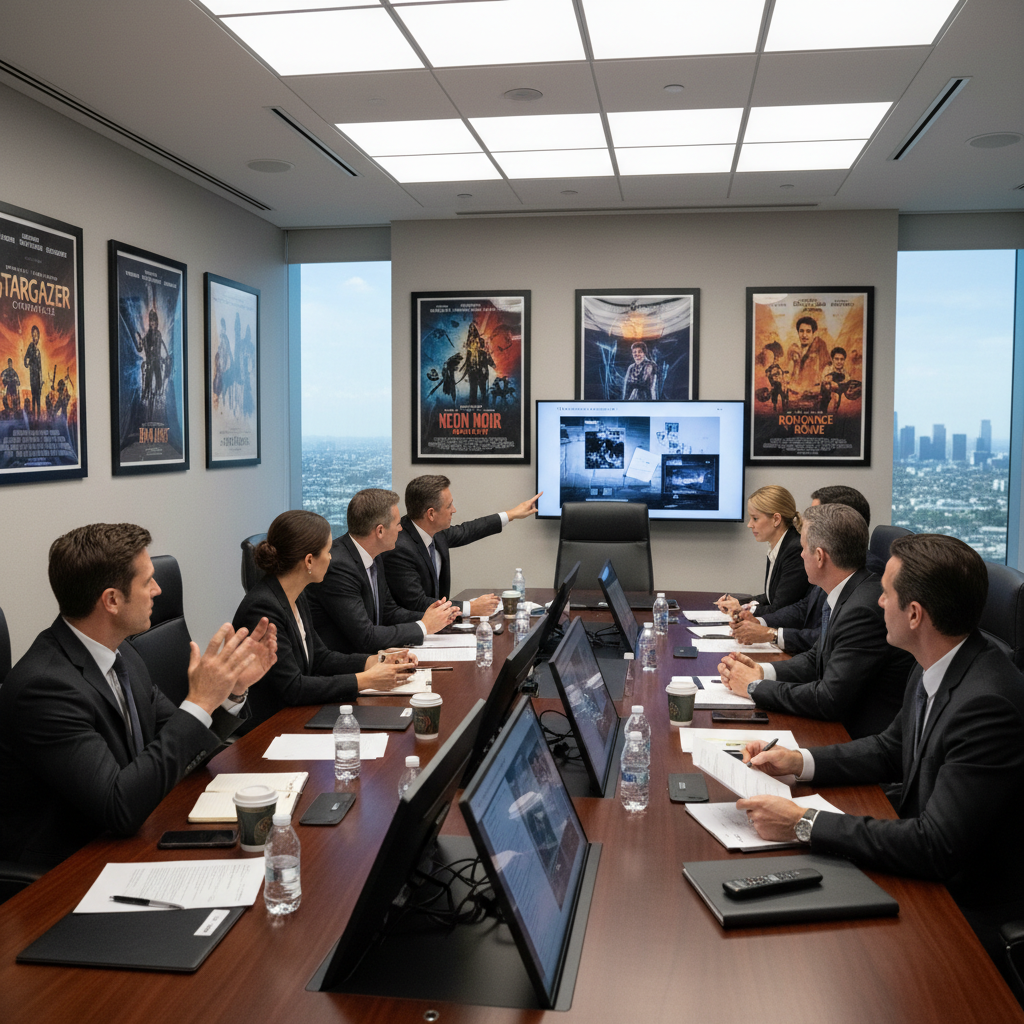
On the other hand, presidential endorsement is free publicity. If they actually made the thing, the controversy alone would drive conversation. And maybe – just maybe – there’s still an audience hungry for that old-school action comedy formula.
But probably not. The safe money’s on polite nods, vague promises to “explore the property,” and letting this whole thing fade into Hollywood legend. Another weird footnote in the ongoing collision between politics and entertainment.
What Happens Next
Will we actually see Rush Hour 4? Honestly, I doubt it. Hollywood runs on money, not nostalgia – well, okay, it runs on both, but the nostalgia has to make financial sense. A Rush Hour sequel in 2025 feels less like a sure thing and more like a really expensive gamble on whether Gen Z knows who Chris Tucker is.
But the broader trend here is worth watching. We’re in this weird moment where political figures are weighing in on entertainment more directly than ever before. Sometimes it’s about content restrictions, sometimes it’s about diversity requirements, and apparently sometimes it’s about getting your favorite 90s franchises revived.
As for Bloodsport? Look, I loved that movie when I was twelve. I watched Van Damme do the splits between two chairs and thought it was the coolest thing I’d ever seen. But that doesn’t mean we need a remake, a reboot, or whatever nostalgia-fueled resurrection might be cooking in someone’s fever dream.
Some things are better left as fond memories. Time capsules of a different era. Not everything needs to be revived, rebooted, or given another shot at the box office. Sometimes the most respectful thing you can do for a beloved piece of entertainment is let it rest.
But hey, if Rush Hour 4 actually happens and somehow turns out great? I’ll be the first one in line with my popcorn, ready to be proven spectacularly wrong.