

You know, sometimes you stumble upon someone in Hollywood-land, or really just in entertainment generally, and you just get this feeling. This vibe, right? Like, “Okay, this person is going places, and not just the usual bland places everybody else goes.” That’s exactly the sensation I got reading about Ellis Howard, a name you need to etch into your mind, trust me. He’s this BAFTA Breakthrough honoree who’s absolutely owning his narrative, weaving together queerness and class in a way that feels both incredibly personal and universally resonant. It’s not just acting for him-it’s a mission, you might say.
I mean, think about it: Hollywood has made strides, sure, but a truly nuanced exploration of intersectionality-especially around socio-economic standing and LGBTQ+ identity-that’s still kind of rare, isn’t it? We get the surface-level stuff, typically. But Howard, he’s like, “Nah, we’re going deeper.” He’s not just an actor; he’s a writer, too, which means he’s literally crafting these stories himself, giving them an authenticity that’s tough to fake. He’s talking about bringing his BBC series, What It Feels Like, to the U.S., and honestly, it sounds like exactly what we didn’t even know we were missing.
Beyond the Glitz: Real Stories, Real Lives
Here’s the thing about Ellis Howard: he’s not just talented-he’s deliberate. He told The Hollywood Reporter that “queerness and class are incredibly important to me.” That’s not just a throwaway line for an interview; it’s the bedrock of his creative output. He’s taking his own experiences, his own observations, and molding them into something tangible that audiences can connect with. It’s not just about representation for representation’s sake, which can often feel a bit hollow, you know? It’s about genuine storytelling, rooted in identity that often gets overlooked.
Unpacking British Class on Screen
In Britain, class is this incredibly intricate, unspoken yet universally understood thing. It dictates so much, from opportunities to daily interactions, even how you’re perceived, and it’s something that American audiences might not immediately grasp in its full complexity. Howard’s work, particularly his BBC series, seems like it’s taking that nuanced, almost invisible framework and making it visible, tying it intrinsically to queer experiences. That’s a unique perspective.
- Point: British class dynamics are subtle but hugely impactful.
- Insight: Howard’s work could be a crucial bridge for U.S. audiences to understand this intersection with queerness.
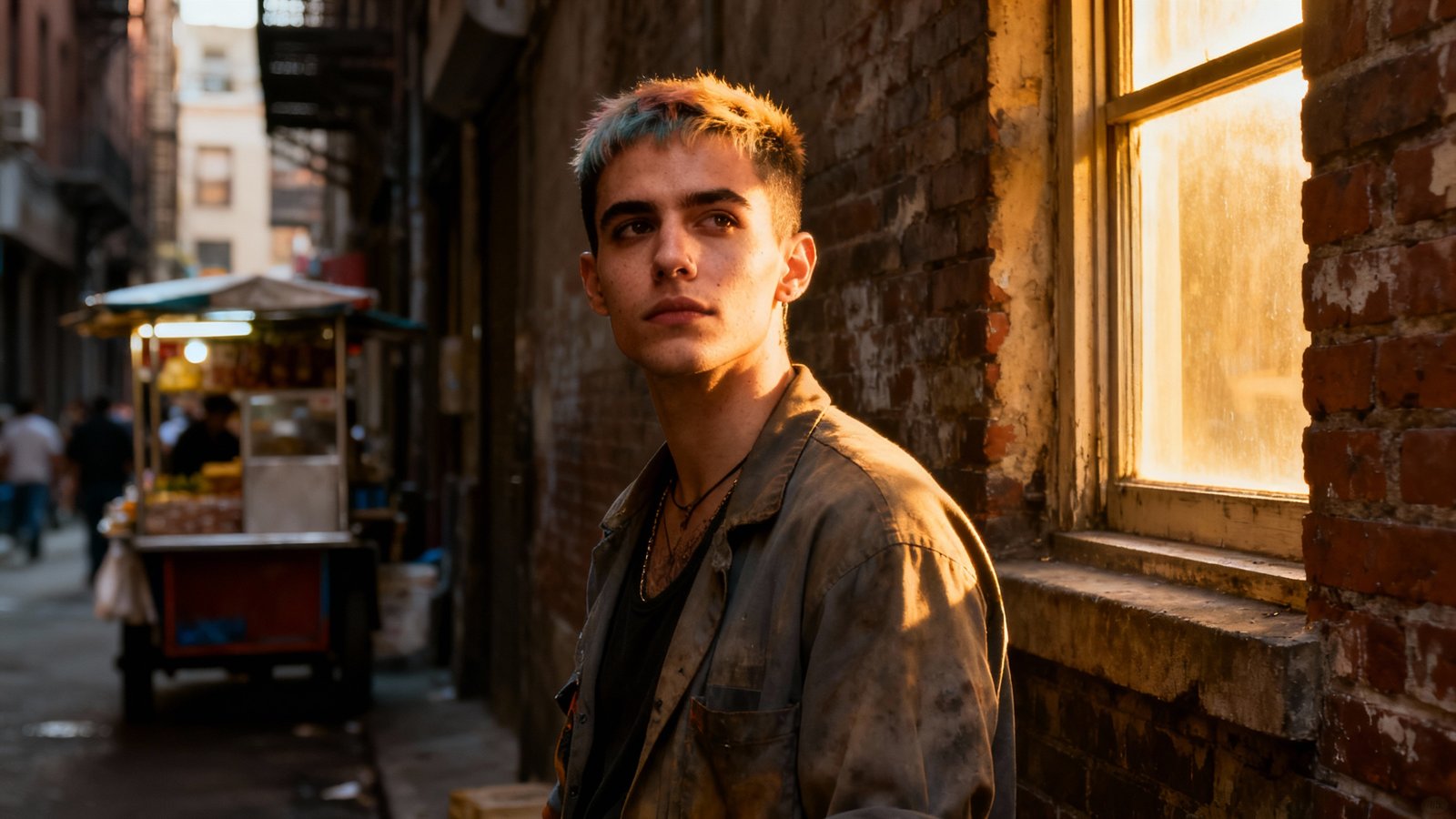
It’s not just about being gay; it’s about being gay and working class, or gay and navigating a certain social strata that adds layers of challenge and triumph. It’s like adding another dimension to an already complex character-and honestly, that’s what good drama is built on, isn’t it? Characters who aren’t just one-dimensional embodiments of a label, but fully fleshed-out human beings with ALL their baggage and brilliance.
“Queerness and class are incredibly important to me.”
The American Dream, British Style
Bringing a BBC series to the U.S. is no small feat. There’s a whole different landscape here-different networks, different audience expectations, sometimes even a slight adjustment in dialogue or cultural references. But the core universality of human struggle and connection? That’s always going to translate, especially when it’s told with such authenticity. Howard’s hope for What It Feels Like to cross the pond suggests he believes in that universality too, that these specific stories have a global resonance.
Carving Out a Niche-and a Future
What’s truly exciting is that Howard isn’t just waiting for opportunities to come to him. He’s creating them. He’s writing, he’s acting, he’s actively shaping the kind of narratives he wants to see in the world. That proactive approach, especially for someone relatively early in their career (even as a BAFTA honoree-which, wow!), is kind of inspiring, frankly. It shows a genuine commitment to storytelling and a clear vision for the future of diverse representation.
- Point: Howard is actively creating his own work, not just waiting for roles.
- Insight: This indicates a strong artistic vision and a genuine desire to influence narrative direction in media.
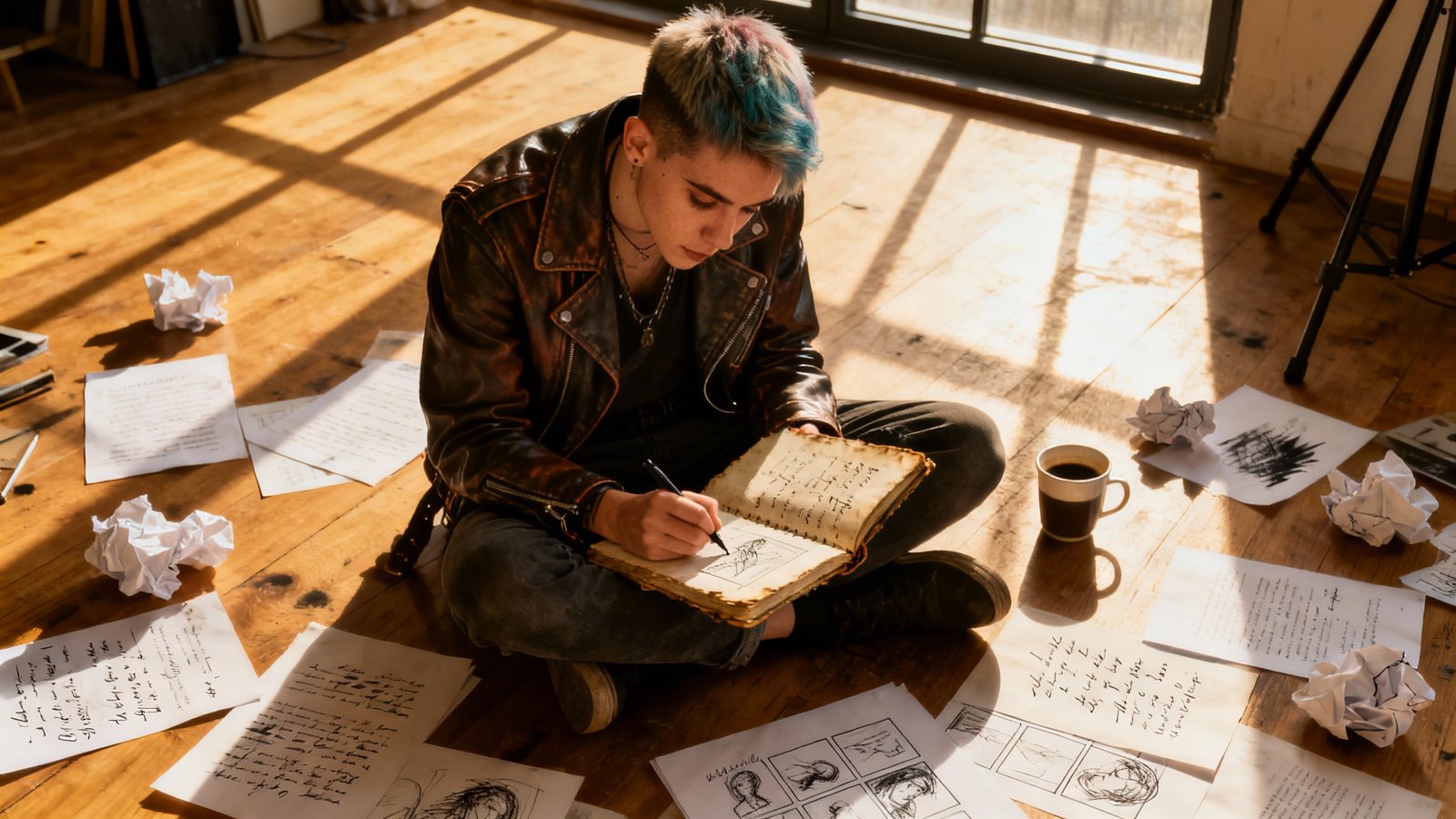
When you’re producing your own content, especially content as deeply personal and socially aware as what Howard is pursuing, you retain a level of control and authenticity that you often lose when you’re just an actor on someone else’s project. That’s a powerful position to be in, and it’s probably why his work feels so fresh and unfiltered.
Why This Matters-Right Now
In an era where authenticity is increasingly valued, both by audiences and critics, artists like Ellis Howard are becoming incredibly important. They’re not just filling quotas; they’re expanding our understanding of the world, piece by piece. They’re telling the stories that needed to be told yesterday, but are finally finding their voice today. It’s a reminder that truly compelling art often bubbles up from personal experience, from the intersections of identity that define who we are.
So, yeah, keep an eye on Ellis Howard. He’s not just an actor heading to Hollywood; he’s bringing a vital, distinctive voice with him-a voice that understands the nuances of queer identity, the quiet force of class, and the power of blending them into something genuinely new. The future of film and TV, if we’re lucky, will be shaped by more artists with this kind of insight and intentionality. And honestly, isn’t that just a bit more interesting than the same old song and dance?