

They killed him. Actually killed him.
They killed him. Actually killed him. Riley's not the only TV figure whose story ended in tragedy – The People's Court Case That Ended in Murder has haunted viewers for fifteen years.
Last night’s Law & Order didn’t just write out Detective Vincent Riley – they put him in the ground. In the line of duty, no less. And honestly? I’m still processing whether this was gutsy storytelling or just… cruel.
When “Amicable” Turns Deadly
Here’s what we knew going in: Reid Scott was leaving the show. His choice, apparently. The word “amicable” got thrown around back in July when the news broke. David Ajala’s Detective Theo Walker was getting a new partner – James Badge Dale would be sliding into that senior detective slot. Standard TV shuffle, right? People leave shows all the time.

But here’s the thing – when a departure is truly amicable, when the door’s supposed to stay open for future returns like the trades reported, you don’t usually kill the character. You transfer them. Promote them. Send them to another precinct or have them take a job in the private sector. You leave breadcrumbs for a possible return because that’s what “amicable” actually looks like in TV land.
Instead, Thursday night’s episode showed us Riley’s team hunting down his killer. Trying to give him “the closure he deserved.” Which, I mean – he’s dead. What closure is that, exactly?
The Dick Wolf Playbook
Look, I’ve been covering this franchise long enough to know how Dick Wolf operates. Law & Order has never been precious about its characters. People rotate in and out like they’re working actual civil service jobs, and that’s kind of been the show’s thing since 1990. The cases matter more than the cops. The system is the star.
But that approach works better when characters just… leave. When Lennie Briscoe retired, when Mike Logan got transferred, when dozens of ADAs moved on to other opportunities – those exits felt true to the show’s documentary-style realism. Cops change jobs. Prosecutors take other positions. Life goes on.
So Why Kill Riley?
That’s what I keep coming back to. Executive producer Rick Eid had been teasing Scott’s farewell, so they clearly put thought into this. They could’ve done anything. And they chose the one option that permanently closes the door they supposedly wanted to keep open.
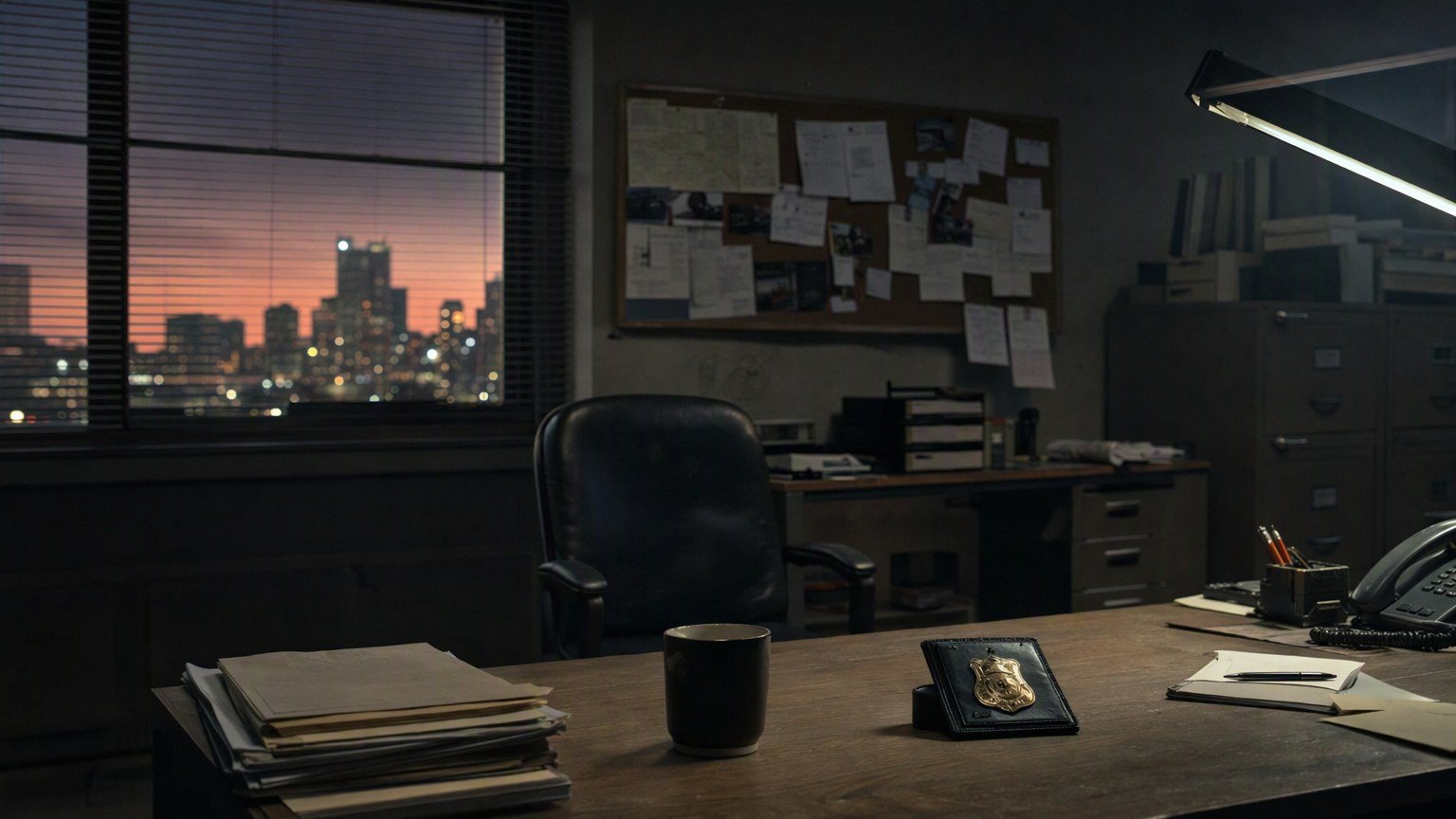
Maybe it’s about stakes. God knows network procedurals have been accused of feeling toothless lately – everyone’s too valuable to actually be in danger. Killing off a main character reminds viewers that this job has real consequences. That “in the line of duty” isn’t just something they say at cop funerals.
Or maybe – and I hate to be cynical about this, but fifteen years in this business has earned me some cynicism – maybe “amicable” was doing some heavy PR lifting. Maybe the departure wasn’t quite as mutual as Deadline’s sources suggested. Maybe this is what a burned bridge looks like when it’s dressed up in respectful language.
“The departure was Scott’s choice, and the ‘amicable’ decision will likely leave the door open for Riley to return in the future.”
Yeah. About that.
The Fans Are Gonna Have Opinions
I’ve already seen the reactions rolling in online, and they’re split pretty much how you’d expect. Half the audience is praising the show for taking a real swing, for reminding everyone that these aren’t superhero cops with plot armor. The other half feels betrayed – they invested in Riley as a character, and this feels less like drama and more like punishment. That same split reaction – grief versus acceptance – echoes in "We All Knew": Mother Breaks Silence on Daughter's Murder, where closure remains fifteen years out of reach.
Both sides have a point, honestly. Riley wasn’t some redshirt who showed up for three episodes. Scott had been with the show long enough that his character mattered to people. Killing him off-screen would’ve been insulting. But doing it on-screen, turning his death into the case-of-the-week? That’s playing with fire.
What This Actually Means
I keep thinking about what this says about where Law & Order is right now. Season 24 brought the show back from the dead after more than a decade off the air. They’ve been trying to find their footing in a TV landscape that’s changed completely since the show went off the air in 2010. Streaming has trained audiences to expect serialization, character arcs, emotional investment.
But Law & Order has always resisted that. It’s aggressively episodic. Characters are vehicles for cases, not the other way around. And maybe that’s what this is – a reminder that this show plays by different rules. That it can and will lose characters because that’s the nature of the job they’re depicting.
Still doesn’t quite sit right with me, though. There’s something about the gap between “amicable departure with an open door” and “shot in the line of duty” that feels like we’re not getting the whole story. And in a show that’s all about investigating until you find the truth? That irony isn’t lost on me.
Guess we’ll see if Riley somehow comes back in flashbacks or hallucinations or whatever creative loophole they can dream up. But I’m not holding my breath. Dead is usually dead, even when the exit interview said otherwise.