




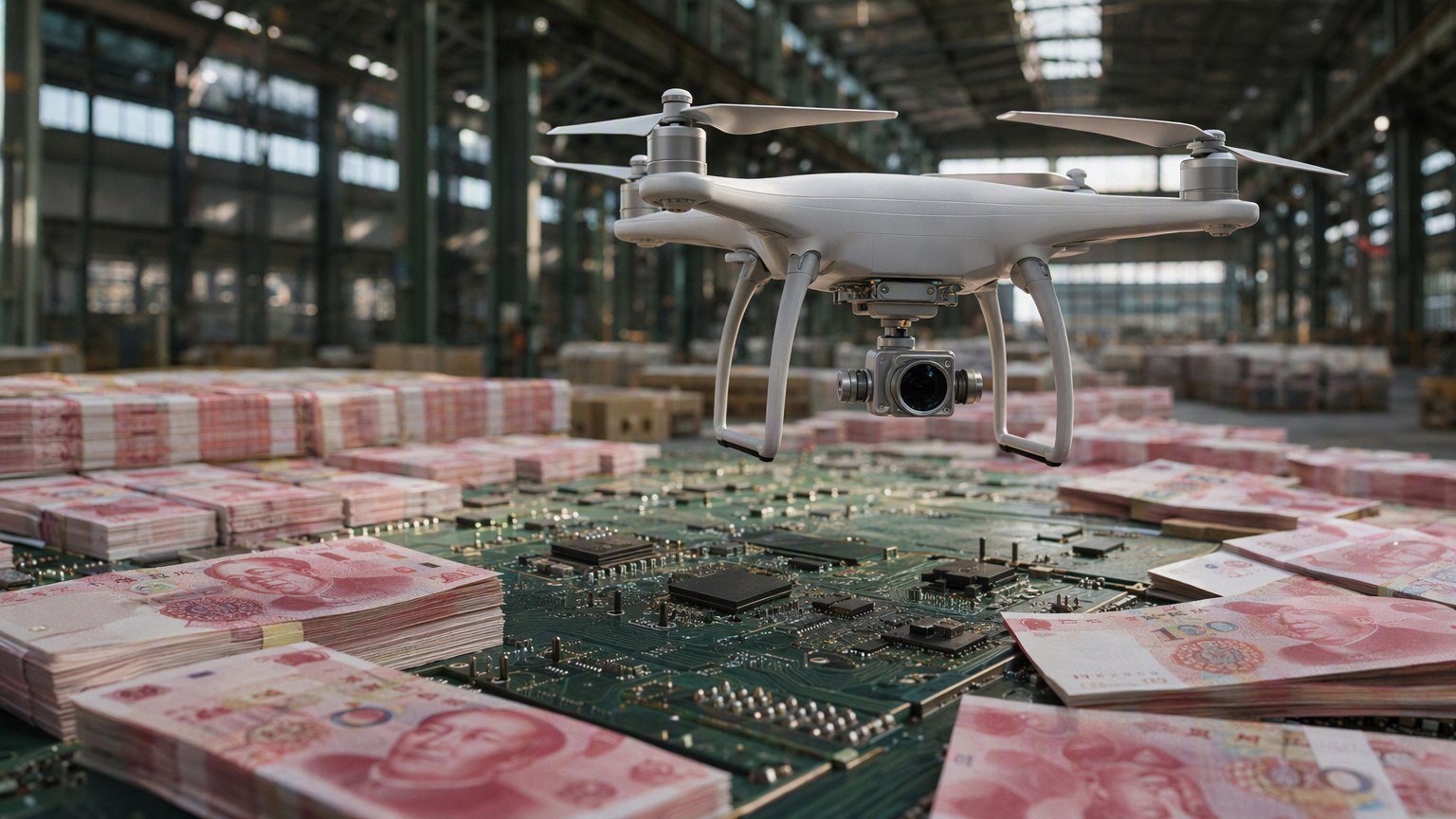
A Chinese tech company just offered to sell Russia nearly three million dollars worth of drone communications gear – and they knew exactly what it was for. We’re talking about mesh modems that let attack drones relay signals to each other, which means Russian UAVs can fly deeper into Ukraine…
A Chinese tech company just offered to sell Russia nearly three million dollars worth of drone communications gear – and they knew exactly what it was for. We’re talking about mesh modems that let attack drones relay signals to each other, which means Russian UAVs can fly deeper into Ukraine without losing control. The scary part? The company didn’t even blink when told this was for military use.
How This Deal Went Down
Here’s what happened: an investigative journalist posed as a Russian military supplier and reached out to Shenzhen Xingkai Technology. They wanted 500 mesh modems for a factory in Russia’s Alabuga special economic zone. And Xingkai Tech? They quoted 19.5 million yuan – about $2.87 million – and started talking logistics.

The thing is, the journalist didn’t hide what this equipment was for. They were upfront about the military application. And instead of backing away, Xingkai Tech kept the conversation going and even suggested payment routes through DBS Bank, Ping An Bank, and China Merchants Bank. That’s not accidental. That’s deliberate.
Look, I’ve covered enough of these stories to know when someone’s trying to maintain plausible deniability, and this isn’t that. This is a company that saw a $2.9 million payday and decided the rest didn’t matter.
Why Mesh Modems Actually Matter
You might be thinking, “It’s just communications equipment, how bad could it be?” But here’s the thing – mesh modems are game-changers for drone warfare. They let UAVs talk to each other and relay signals, which means if one drone gets too far from the control station, another drone can act as a middleman. It extends the range. It extends the kill zone.
A correspondent in Ukraine actually got their hands on one of these Xingkai Tech modems – pulled it right out of a downed Russian Gerbera drone. So we’re not talking about theoretical supply chains here. This equipment is already in the field, already being used against Ukrainian targets.
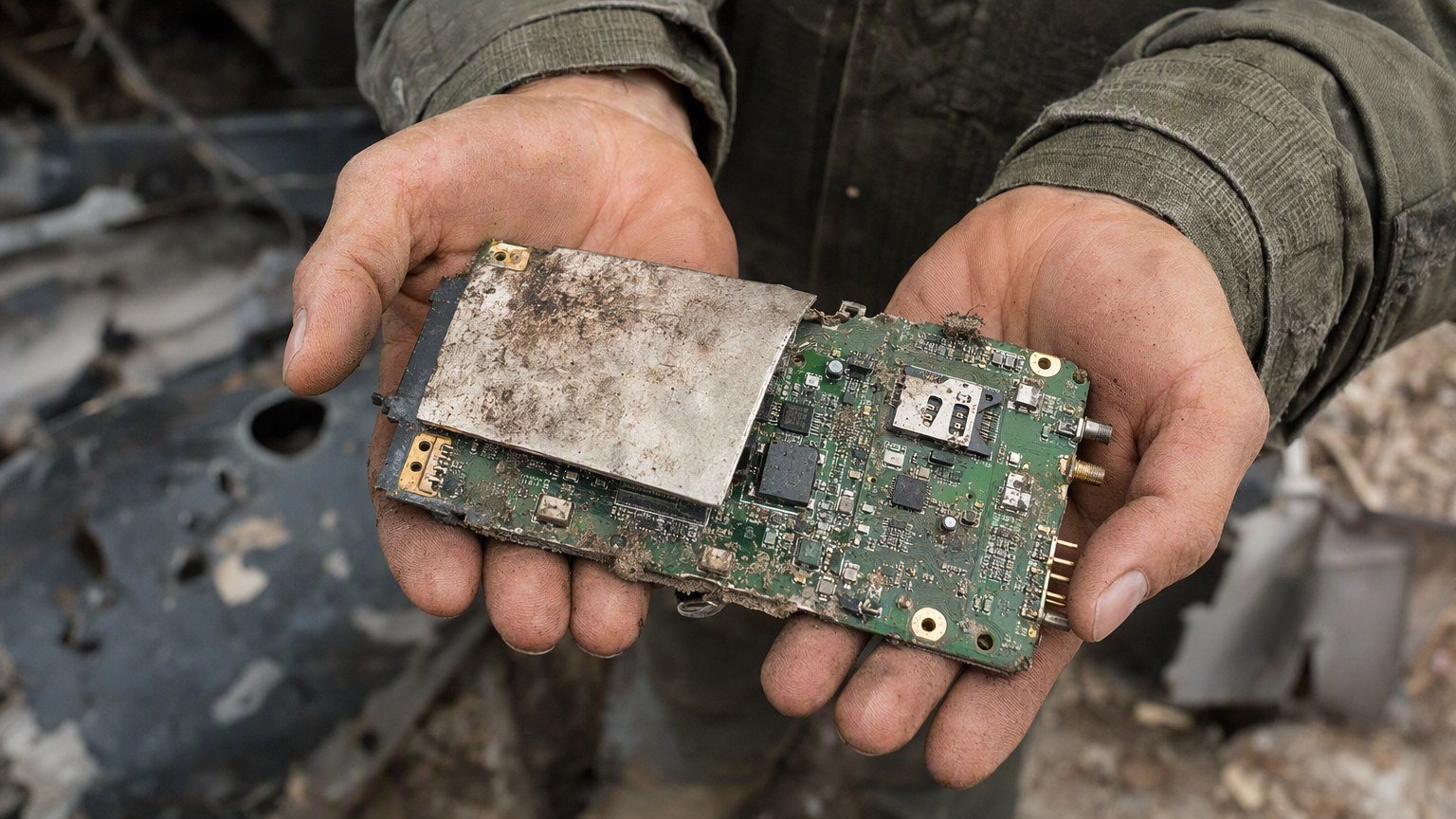
And that tells you everything about how these networks operate. It’s not some shadowy back-alley deal anymore. It’s Chinese manufacturers openly quoting prices for military hardware that’ll be used in an active war zone.
The Gerbera Connection
The Gerbera drone itself is worth understanding. These aren’t the cheap quadcopters you see hobbyists flying in parks. They’re jet-powered attack drones, and Russia’s been using them with increasing frequency. The fact that they’re outfitted with Chinese mesh modems means Russia’s building a more sophisticated drone network – one that can coordinate attacks, maintain control over longer distances, and operate in areas where traditional communications might be jammed or disrupted.
China’s Complicated Dance
Now, China officially maintains this neutral position on the war. They’re not sending troops, they’re not (officially) sending weapons. But companies like Xingkai Tech operate in this gray zone where “dual-use technology” becomes whatever you need it to be. Mesh modems can be for commercial applications, sure. They can also turn a fleet of attack drones into a coordinated swarm.
Beijing knows this is happening. They have to. We’re not talking about a few modems sneaking through in someone’s luggage – we’re talking about half a million dollars in communications equipment moving through legitimate banking channels to a known military-industrial facility.
“Despite being told that the equipment was intended for military use, the manufacturer continued discussing the deal.”
That line right there should tell you everything. This wasn’t a company getting duped. This was a company making a choice.
What This Actually Means
I think we’re past the point of pretending these are isolated incidents. This is how modern warfare gets enabled – not through big dramatic arms deals that make headlines, but through technology companies in Shenzhen deciding that $2.9 million is worth more than asking questions.
And the mesh modem angle is particularly concerning because it’s not just about one transaction. It’s about Russia building out infrastructure for long-term drone operations. They’re not buying these for a single mission – they’re buying them to create a persistent, adaptable drone network that can evolve as the war drags on.
The payment structure through multiple Chinese banks suggests there’s already an established pipeline for this kind of transaction. Xingkai Tech isn’t figuring this out on the fly. They’ve done this before, or they know people who have.
What bothers me most? We’re probably only seeing this because one journalist got creative with an undercover approach and another got lucky recovering hardware from a downed drone. How many other deals like this are happening that we don’t know about? How much other equipment is flowing through these channels while China keeps insisting it’s neutral?
This isn’t going to be the last story like this. Not even close.