

So there’s this guy – Michael Desronvil, 48 years old – who just became the most controversial juror in Massachusetts. And honestly? He’s not backing down.
So there’s this guy – Michael Desronvil, 48 years old – who just became the most controversial juror in Massachusetts. And honestly? He’s not backing down.
Here’s what happened: Lindsay Clancy’s murder trial ended in a mistrial last week because Desronvil refused to go along with the other 11 jurors. They wanted to find her not guilty by reason of insanity. He didn’t. And now he’s doing TV interviews explaining himself, which – let me tell you – is already causing a whole thing.
The Case Everyone’s Talking About
If you haven’t been following this, Lindsay Clancy is the Massachusetts mother accused of killing her three kids – Cora, 5, Dawson, 3, and Callan, who was just 8 months old – back in January 2023. The prosecution says murder. The defense says severe postpartum psychosis. It’s the kind of case that makes your stomach turn no matter which side you’re on.

The defense brought in documented evidence of her mental health struggles. Postpartum issues that were, by all accounts, serious and real. Eleven jurors looked at that evidence and said okay, we believe she wasn’t in her right mind. Desronvil looked at the same evidence and said no, not buying it.
“There were moments that were tense,” he told Fox News in a teaser clip that dropped Wednesday. “There were moments that were tense as we were deliberating.”
Yeah, I bet they were tense.
What He’s Actually Saying (And Not Saying)
The thing is, Desronvil insists he didn’t have reasonable doubt that Clancy should be held criminally responsible. He claims there was “a lot of evidence” pointing to her guilt. But here’s where it gets interesting – he didn’t actually offer any specifics. Didn’t point to particular testimony or forensic evidence or anything concrete that made him certain.
Which, look, I get that jury deliberations are supposed to be confidential to a degree. But when you’re the lone holdout who tanked a trial this high-profile, and then you go on national TV to defend yourself… you kind of need to bring receipts. You can’t just say “there was a lot of evidence” and expect everyone to nod along.
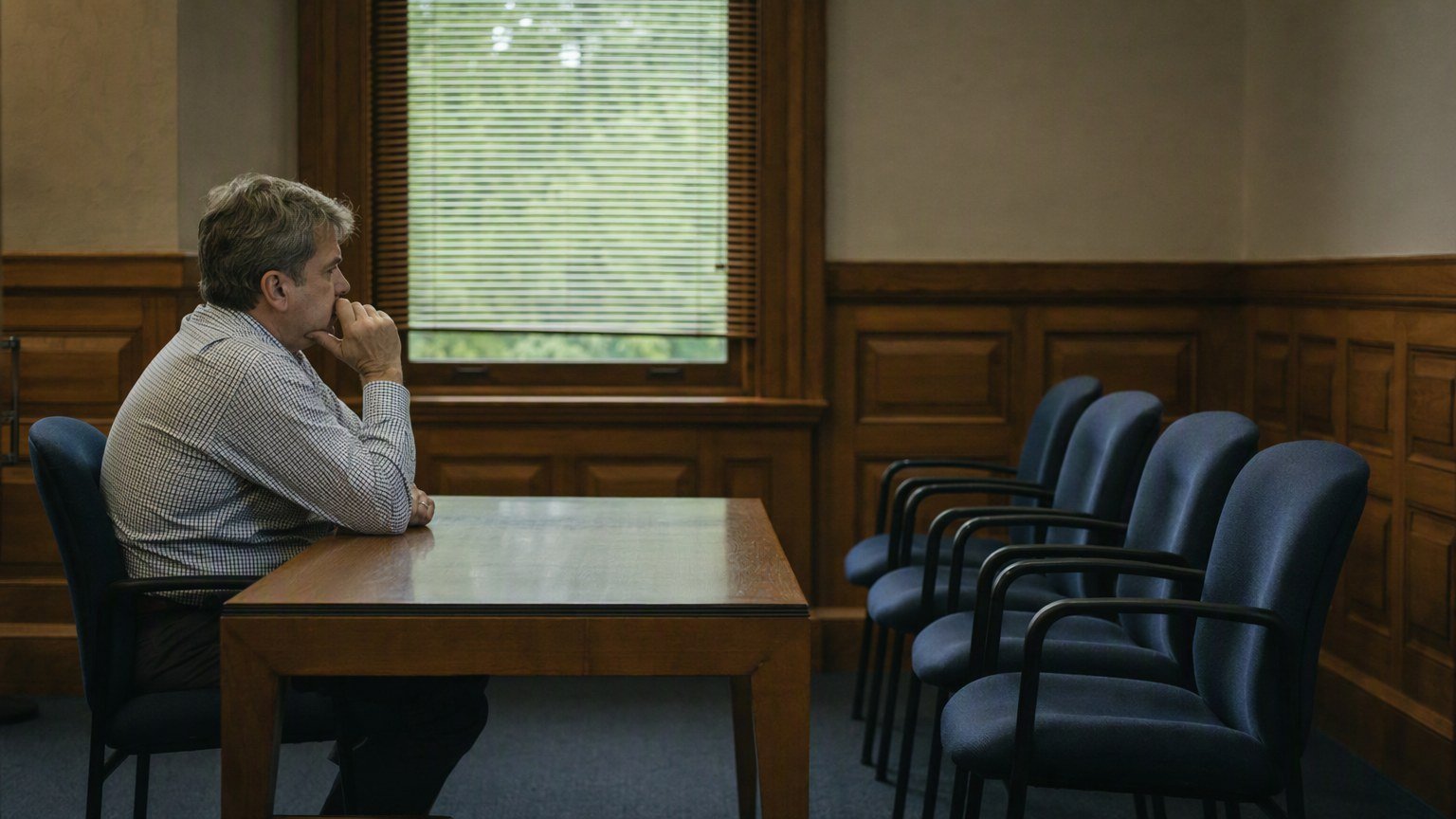
What evidence, specifically? What convinced him when it didn’t convince anyone else in that room? These are pretty basic questions, and from what we’re seeing in the preview clips, he’s not answering them.
The Mental Health Question Nobody Wants to Touch
This case sits right at the intersection of criminal justice and mental health, and it’s messy as hell. Postpartum psychosis is real – like, medically documented, can-be-catastrophic real. Women have done terrible things while in the grip of it, things they would never do in their right minds. Fatal Intuition: When a Father's Gut Feeling Turned Deadly is another case where someone's internal certainty overrode everything else, with irreversible consequences.
But proving that in court? That’s where it gets complicated. Because jurors aren’t psychiatrists. They’re regular people trying to figure out: was she legally insane at the moment she did this, or was she aware of what she was doing?
Eleven people said the former. One said the latter. And now we’re all supposed to do this again with a whole new jury.
“There were moments that were tense as we were deliberating.”
Why This Matters Beyond One Trial
The Clancy mistrial isn’t just about one case – it’s exposing how wildly different people can interpret the same mental health evidence. Desronvil saw guilt. His fellow jurors saw illness. Same testimony, same expert witnesses, completely opposite conclusions.
And honestly, that should worry us a little bit. Not because Desronvil is necessarily wrong (though I have questions), but because it shows how subjective these insanity defenses really are. There’s no objective line where mental illness becomes “insane enough” to avoid criminal responsibility. It’s just… 12 people’s gut feelings. Or in this case, one person’s gut feeling overriding 11 others.
The prosecution is probably thrilled right now. They get another shot, and now they know exactly what kind of juror can hang a panel. The defense has to be exhausted. Clancy herself – who attempted suicide after killing her children and survived – gets to sit through this entire nightmare again. The Last-Minute Order That Halted Kohberger's Hearing shows how abruptly high-profile criminal proceedings can shift, leaving everyone scrambling.
What Happens Next
They’ll seat a new jury. Start from scratch. Put all those devastating details in front of 12 new people and see what they decide. Maybe this time it’ll be unanimous. Maybe it won’t.
But here’s what bugs me about Desronvil doing these interviews – and the full one airs Thursday, so maybe he’ll say more – he had the power to hang this jury because that’s how our system works. One person can do that. But if you’re going to exercise that power on a case this serious, this heartbreaking, this complicated… don’t you owe it to everyone to explain yourself beyond “there was evidence”? Three children are dead. A mother’s life hangs in the balance. The least you can do is tell us what you saw that nobody else did.