

Look, I’m just gonna say it – Bruce Willis retiring from acting hit different than most celebrity news. Maybe it’s because I grew up watching this guy smirk his way through impossible situations, or maybe it’s because his diagnosis with frontotemporal dementia in 2022 forced us all to reckon…
Look, I’m just gonna say it – Bruce Willis retiring from acting hit different than most celebrity news. Maybe it’s because I grew up watching this guy smirk his way through impossible situations, or maybe it’s because his diagnosis with frontotemporal dementia in 2022 forced us all to reckon with the fact that even our action heroes are human. Either way, the man left behind a hell of a legacy.
Since 1980, Willis racked up over 100 film credits. Some of them were… well, let’s not talk about those direct-to-video disasters from the last decade. But when he was on? Man, he was ON. And yeah, Die Hard basically invented the modern action movie – we all know that – but here’s the thing: Willis wasn’t supposed to be an action star at all.
The Accidental Action Hero
He was a comedian first. A TV guy from Moonlighting who could do that rapid-fire banter thing. Then Die Hard happened in 1988 and suddenly this wisecracking detective became the template for every action protagonist that followed. You know how every action movie now has the hero making jokes while people are shooting at him? That’s all Willis.

But what made Willis actually interesting – and this is what people forget – is that he never fully committed to being just the action guy. He’d do a Die Hard sequel, then turn around and take some weird indie role that paid basically nothing. That’s not how movie stars usually operate, and it’s part of why his best work is so all over the map.
More Than Just Yippee Ki-Yay
The Fifth Element from 1997 is sitting at number five on most people’s lists, and honestly? It deserves to be higher. Luc Besson’s chaotic sci-fi masterpiece shouldn’t work – it’s got Chris Tucker in orange rubber screaming through every scene, Gary Oldman chewing scenery like it’s his last meal, and a plot that’s completely bonkers. But Willis grounds the whole thing. His Korben Dallas is basically John McClane in space, except sadder and more lonely, and somehow that works perfectly.
What’s wild is how Willis could sell sincerity in the middle of absolute insanity. There’s this moment where he’s watching the opera performance by the blue alien, and you can see actual emotion on his face. In a movie where someone literally has stones embedded in their body to save the universe. That takes talent.
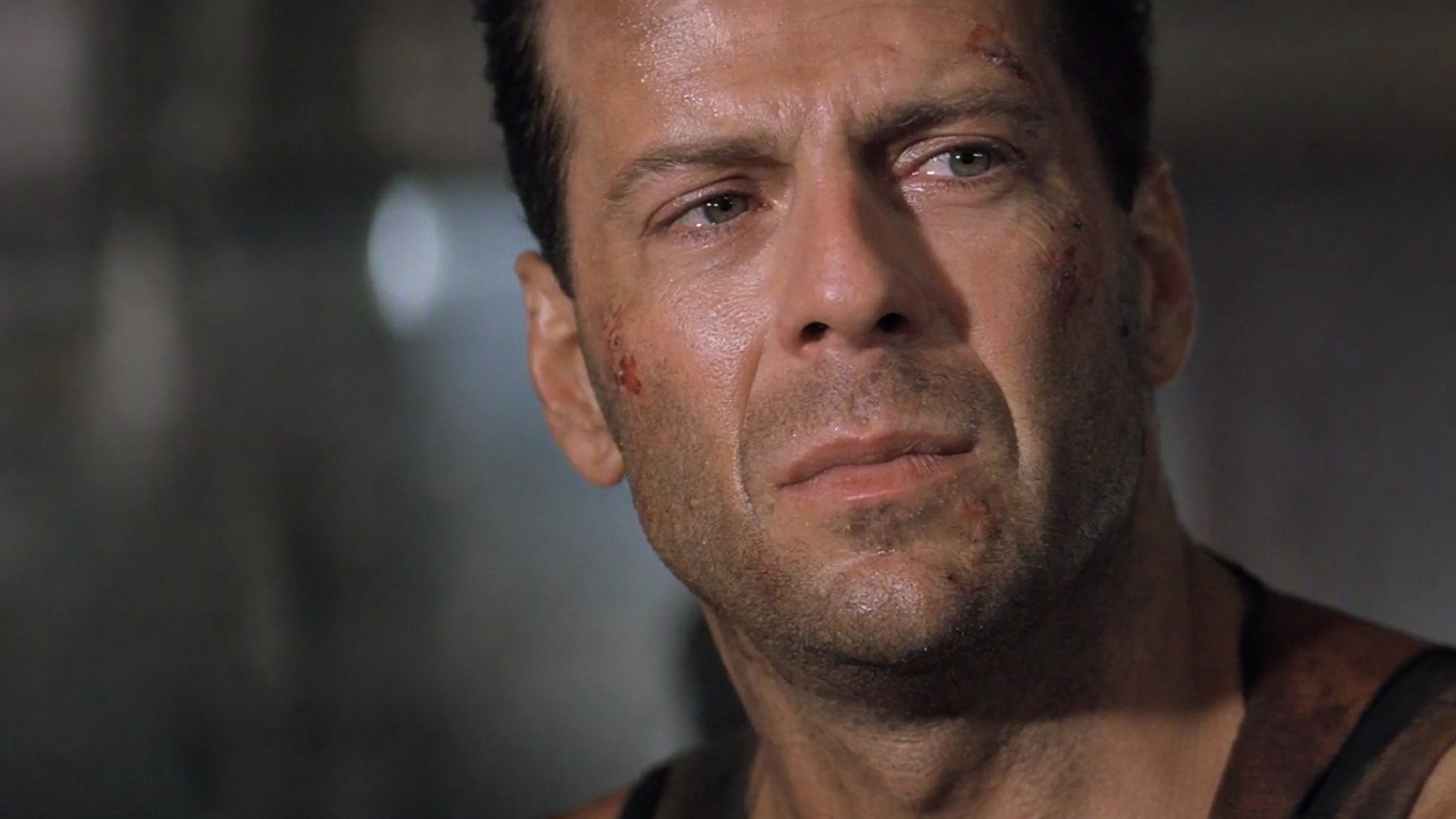
The Tarantino Factor
Then there’s Pulp Fiction. This one’s tricky because Willis isn’t even the main character – that movie belongs to Travolta and Samuel L. Jackson, let’s be real. But his Butch Coolidge storyline? That’s the heart of the whole film. The watch monologue from Christopher Walken, the basement scene that we don’t really need to revisit (you know the one), the choice he makes to go back… I mean, come on.
Willis plays Butch like a guy who’s been running his whole life and finally decides to stop. It’s not flashy. He’s not doing the smirk thing. He’s just tired and kind of broken and trying to figure out what being a decent person even means. For an action star who made his name on quips and explosions, that’s a hell of a choice.
“Given the givens, he’s in a very stable place at the moment” – Demi Moore on Willis’ current condition
The Quiet Ones Hit Different
Nobody’s Fool from 1994 doesn’t get talked about enough. Paul Newman’s in it, which automatically makes it worth watching, but Willis shows up in this supporting role and reminds everyone that he can actually, you know, act. No explosions. No one-liners. Just a guy dealing with family stuff and small-town dynamics.
I’ve always thought Willis was at his best when he played against type. When he let himself be vulnerable or uncertain instead of always being the guy with the plan. That’s why Unbreakable works so well, why 12 Monkeys is genuinely unsettling, why The Sixth Sense became a cultural phenomenon beyond just the twist ending. Speaking of directors who understand how to work against type, The Dark Knight's Horror Blueprint: Gunn's 12 Must-Watch Films shows how genre-bending can elevate superhero storytelling the same way Willis elevated action films. The Timothy Olyphant Horror Films You've Been Sleeping On proves that character actors who resist being pigeonholed often deliver the most memorable work.
What We’re Really Losing
The hard truth is that we’d already lost Willis before the official retirement. Anyone who paid attention to his later work could see something was off – he was doing dozens of low-budget movies, often looking confused or disconnected on screen. Now we know why, and it’s heartbreaking.
But man, those peak years in the late ’80s through the ’90s? He was untouchable. He figured out how to be an everyman action hero, which sounds like an oxymoron but somehow isn’t. He made us believe that regular guys – cops, taxi drivers, security guards – could save the world if they were stubborn enough and maybe a little bit lucky.
That’s the legacy, really. Not the number of films or the box office totals. It’s that he made heroism feel accessible. Messy. Human. And watching those performances now, knowing what we know about his condition, there’s an extra weight to them. Those moments of vulnerability and confusion that made his characters feel real? They hit different now. And maybe that makes the work even more valuable, in a strange way. We got to see someone truly great at what they did, even if we didn’t always appreciate it properly at the time.