





Nobody’s buying phones anymore. And I mean nobody. Global smartphone sales just cratered by 20% compared to last year – the worst third quarter we’ve seen since 2012. That’s not a typo. We’re talking about the kind of numbers that make boardrooms go silent and analysts start frantically…
Nobody’s buying phones anymore. And I mean nobody. Global smartphone sales just cratered by 20% compared to last year – the worst third quarter we’ve seen since 2012. That’s not a typo. We’re talking about the kind of numbers that make boardrooms go silent and analysts start frantically rewriting their year-end forecasts.
The Memory Crisis That Broke Everything
Here’s what happened, and it’s kind of absurd when you think about it. DRAM and NAND memory prices went completely insane. Manufacturing costs shot up so fast that phone makers didn’t even try to eat the difference – they just passed it straight to customers. The result? Phones now cost about 20% more than they did last year.
Twenty percent. On devices that were already pushing $1,000 for anything decent. And people just… stopped buying. Can you blame them? I mean, who wakes up and thinks “You know what, I really want to drop an extra $200 on the same phone I could’ve bought cheaper last year.”
The thing is, memory shortages aren’t new. We’ve seen this dance before. But usually manufacturers find ways to cushion the blow, maybe cut corners elsewhere, offer older models at better prices. Not this time. This time they looked at their spreadsheets and apparently decided that maintaining margins was more important than maintaining sales volume.
How That Strategy’s Working Out
Spoiler alert: not great. Counterpoint Research doesn’t expect any real recovery for the rest of the year. Which is a polite way of saying “this holiday season is going to be rough.”
But Wait – Some Companies Are Actually Winning?
Here’s where it gets interesting. Samsung’s still on top with 23% market share. Not surprising – they’ve got manufacturing scale that makes everyone else look like they’re selling phones out of a garage. But Apple? Apple just hit 22% market share. That’s the highest they’ve ever had in a third quarter.
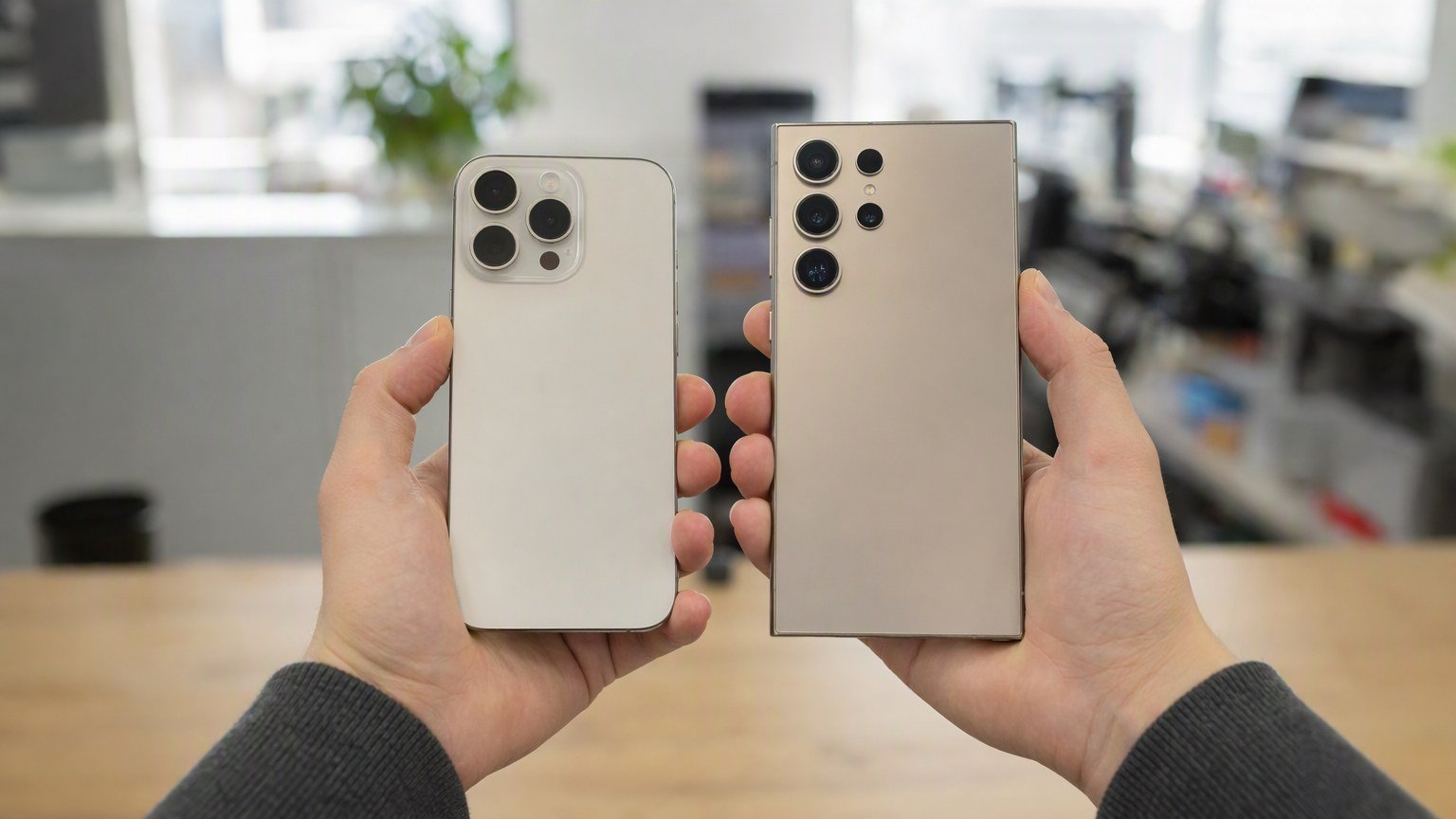
Let that sink in. The market’s collapsing, prices are through the roof, and Apple – the company that’s never met a premium price it didn’t like – is gaining ground. They’re practically neck and neck with Samsung now.
What does that tell you? It tells you that when the market contracts, people get pickier. They’re not buying phones as often, so when they do buy, they want the one that’ll last. The one with the ecosystem they’re already locked into. The one that holds its resale value.
“Global smartphone prices have risen by about 20% in 2026, and manufacturers are showing no signs of backing down.”
The Real Problem Nobody’s Talking About
Look, the memory shortage is real. I’m not denying that. But here’s what drives me nuts – phone makers have spent years conditioning us to upgrade constantly. Every September or October, like clockwork, new models with marginally better cameras and slightly faster processors. And we bought into it because… well, because they made it affordable enough. Payment plans, trade-ins, carrier deals that basically subsidized everything. It's the same pattern we've seen with subscription fatigue everywhere, from streaming services to software – One Developer Just Killed Adobe's $600-a-Year Empire by giving people what they actually wanted instead of endless payments.
Now that system’s broken. Prices jumped 20% and suddenly people are looking at their two-year-old phones thinking “You know what? This still works fine.” Revolutionary concept, I know.
And manufacturers don’t have a plan B. They’re just sitting there hoping memory prices come down and we all go back to the old upgrade cycle. But what if we don’t? What if people have finally figured out that most “innovation” in smartphones these days is just marketing?
What Happens Next
We’re probably looking at a prolonged slump. Not because the technology isn’t there – it is. Not because people don’t want better phones – they do. But because the industry priced itself out of its own market at the exact moment people started questioning whether they needed a new phone every two years.
Samsung and Apple will be fine. They’ve got the brand loyalty and the ecosystem lock-in to weather this. It’s everyone else I’d be worried about. The mid-tier manufacturers who were surviving on volume? They’re about to have a very bad time.
And maybe – just maybe – this’ll force some actual innovation instead of incremental spec bumps. Because right now, if you’re asking people to pay 20% more, you better have something more compelling than “the camera is slightly better in low light.”
We’ll see. But I’m not holding my breath for any miracles before New Year’s.