
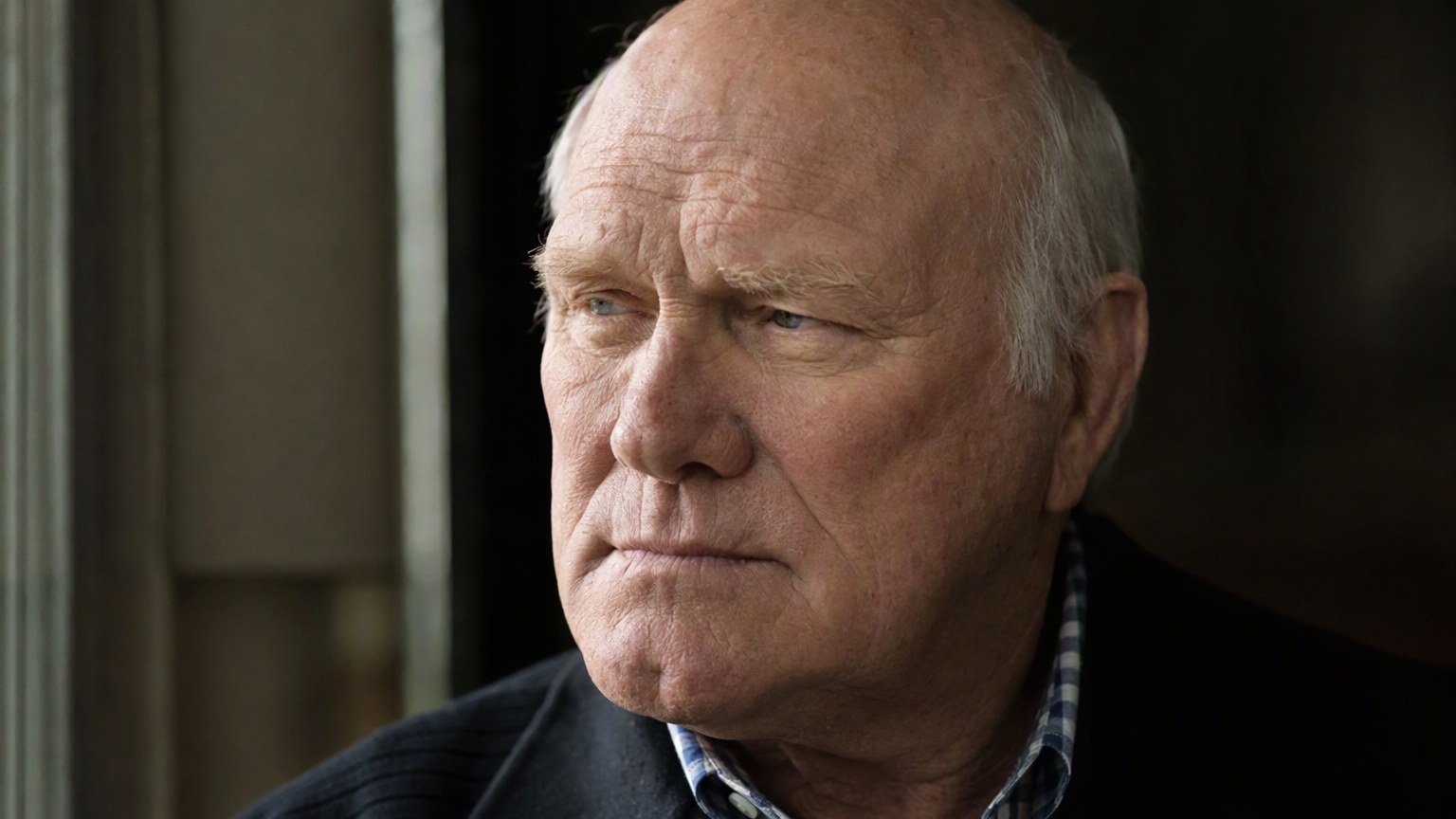
Terry Bradshaw’s been in the public eye for so long that you’d think we know everything about him by now. Four Super Bowl rings, decades on FOX NFL Sunday, that trademark laugh that somehow makes even the worst jokes work. But here’s the thing – we didn’t know him at all. Not really.
Terry Bradshaw’s been in the public eye for so long that you’d think we know everything about him by now. Four Super Bowl rings, decades on FOX NFL Sunday, that trademark laugh that somehow makes even the worst jokes work. But here’s the thing – we didn’t know him at all. Not really.
The Book Nobody Expected
At 78, Bradshaw just dropped his sixth book, and this one’s different. “Looking for Terry” isn’t another glossy sports memoir full of game-winning drives and locker room stories. It’s messy. It’s raw. And apparently, it’s been sitting inside him for longer than anyone realized.
“I dealt with depression, divorce. There’s a lot of personal stuff in here I haven’t talked about,” Bradshaw said during a recent Q&A session. “I just wanted to get it out there. I think it would be helpful, or beneficial.” Constance Zimmer's Secret Battle: "Grateful to Be Cancer-Free" shows how another celebrity finally opened up about what she'd been hiding.
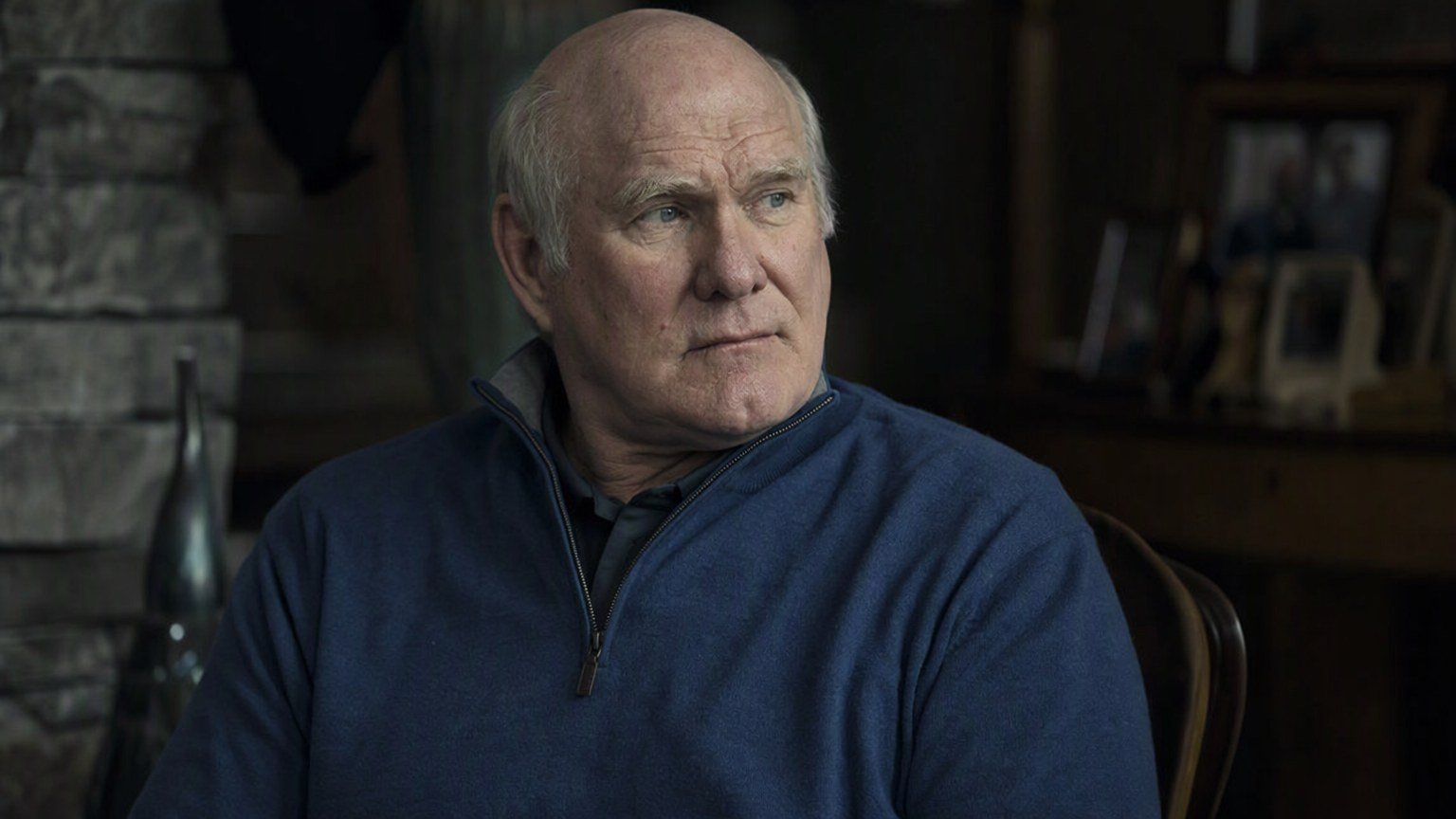
Look, I’ve covered sports for 15 years, and you hear variations of this story all the time. Athlete struggles silently, finally opens up, everyone applauds the bravery. But Bradshaw’s take on his own earlier work is what got me. When asked about his previous books, he didn’t pull punches.
“The first book is a stupid sports book. Sorry,” he said. “I think the second one was just as dumb as the first one.”
I mean, who does that? Who publicly calls their own work stupid? That’s not how this usually works. Athletes protect their brand. They stay on message. They definitely don’t trash their own legacy projects.
Why Now, Though?
The timing’s interesting. Bradshaw’s been on TV for over 40 years. He could’ve opened up about this stuff anytime – when he was younger, more relevant in the cultural conversation, when a mental health memoir might’ve really moved units. Instead, he waited until he’s almost 80.
And here’s what I think is actually going on: he’s not doing this for us. He said it himself – “The fourth and the fifth books were good. I sat down [this time] and put a lot of time into it… I’m not doing it for money. The people that get money are the writers and the publisher.”
There’s something almost defiant about that statement. Like he’s daring people to question his motives. Because let’s be honest, when a celebrity writes about mental health, there’s always that cynical voice in the back of your head wondering if it’s authentic or just good PR.
The “Soul Cleansing” Part
Bradshaw used that phrase – “soul cleansing” – to describe why he finally decided to talk about his depression and personal struggles. And look, I’m not gonna lie, that kind of language usually makes me roll my eyes. It sounds like something you’d read on a wellness blog next to an ad for essential oils.
But coming from Bradshaw? A guy who built his entire public persona on being the goofy, self-deprecating football guy who makes everyone laugh? That hits different.
“I just wanted to get it out there. I think it would be helpful, or beneficial.”
What Nobody’s Saying
Here’s what bugs me about how we talk about stuff like this. We celebrate when famous people open up about mental health – and we should, that’s important. But we almost never ask the harder question: why did they have to wait so long? Why did Bradshaw spend 40 years talking into a camera about football while keeping all this other stuff locked away? Family Doesn't Know Everything": Gypsy Rose Breaks Silence is another case where waiting to speak felt safer than telling the truth in real time.
The sports world’s gotten better about mental health, sure. Kevin Love talked about his panic attacks. DeMar DeRozan opened up about depression. But these guys are the exception, not the rule. And they’re still playing or recently retired – they had to be brave in real time, while their careers could still be affected.
Bradshaw waited until he had nothing left to lose. Maybe that’s smart. Maybe that’s sad. Probably it’s both.
The Real Story Here
What strikes me most isn’t just that Bradshaw struggled with depression and divorce – plenty of people do, famous or not. It’s that he felt like he couldn’t talk about it for decades while being one of the most visible people in sports. Think about that. Every Sunday during football season, millions of people watching him crack jokes and analyze plays, and none of us had any idea what was really going on.
That’s not a knock on Bradshaw. That’s just how it worked back then. You performed your role. You kept the heavy stuff private. You definitely didn’t write books calling your earlier books “stupid” because you weren’t ready to be real yet.
But now he is ready. And whether this book sells a million copies or gets buried under the next news cycle doesn’t really matter to him – that much seems clear. This one’s for Terry. The rest of us are just along for the ride.