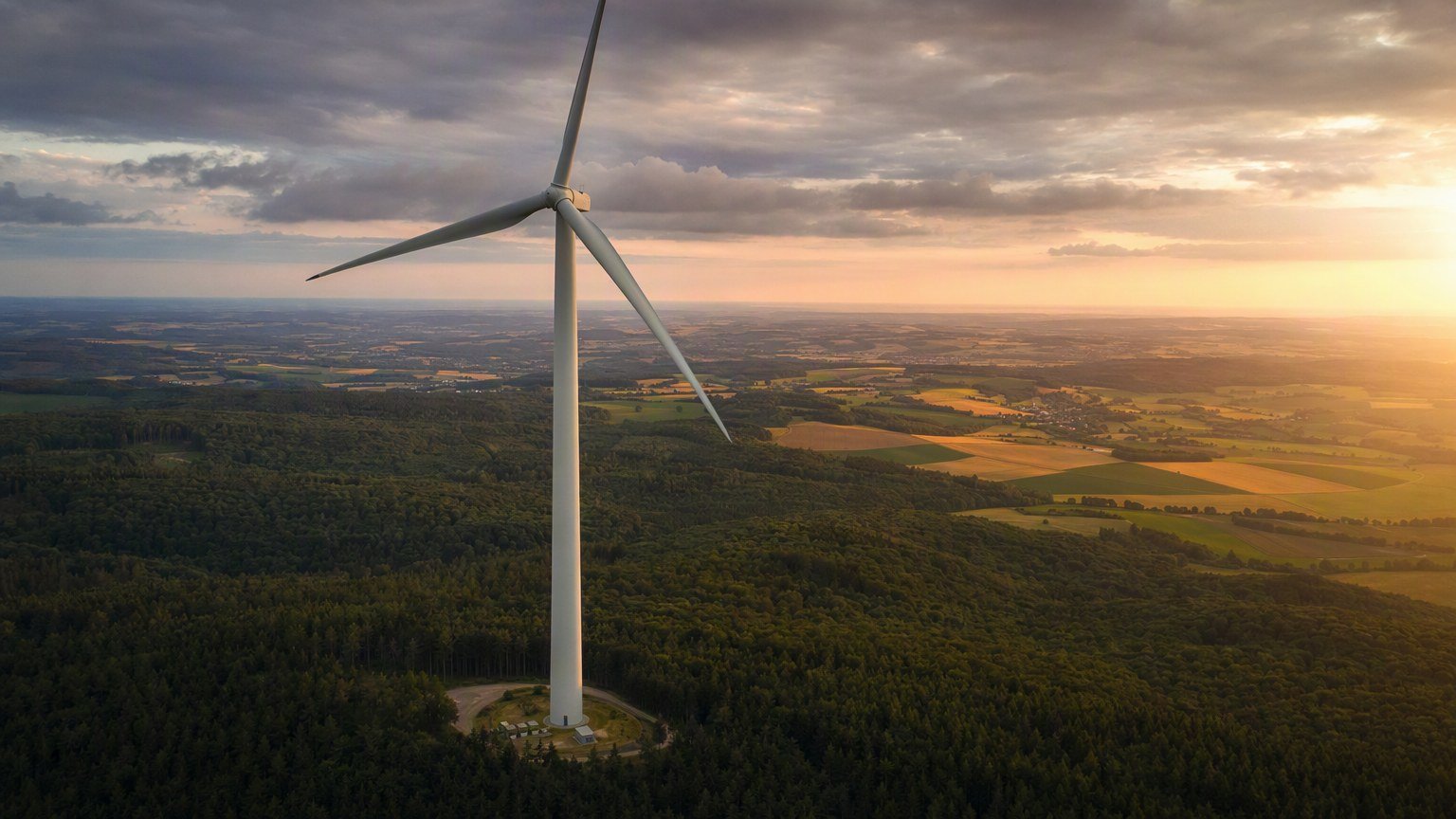
Nearly 1,200 feet. Let that sink in for a second. That’s taller than the Chrysler Building, taller than the Eiffel Tower, taller than basically anything you’d normally associate with a wind farm. And it’s sitting in a small town in eastern Germany called Schipkau, spinning away (well, almost -…
Nearly 1,200 feet. Let that sink in for a second. That’s taller than the Chrysler Building, taller than the Eiffel Tower, taller than basically anything you’d normally associate with a wind farm. And it’s sitting in a small town in eastern Germany called Schipkau, spinning away (well, almost – it’s not fully operational yet) as the tallest wind turbine on the planet.
So What Exactly Did They Build?
A German engineering outfit called GICON just finished construction on this absolute unit of a turbine, built for SPRIND – that’s the Federal Agency for Disruptive Innovation, which, not gonna lie, is a pretty great name for a government agency. The whole point here isn’t just to show off (though let’s be honest, there’s probably some of that too). It’s a pilot project designed to answer one specific question: does going dramatically higher actually get you dramatically more power?
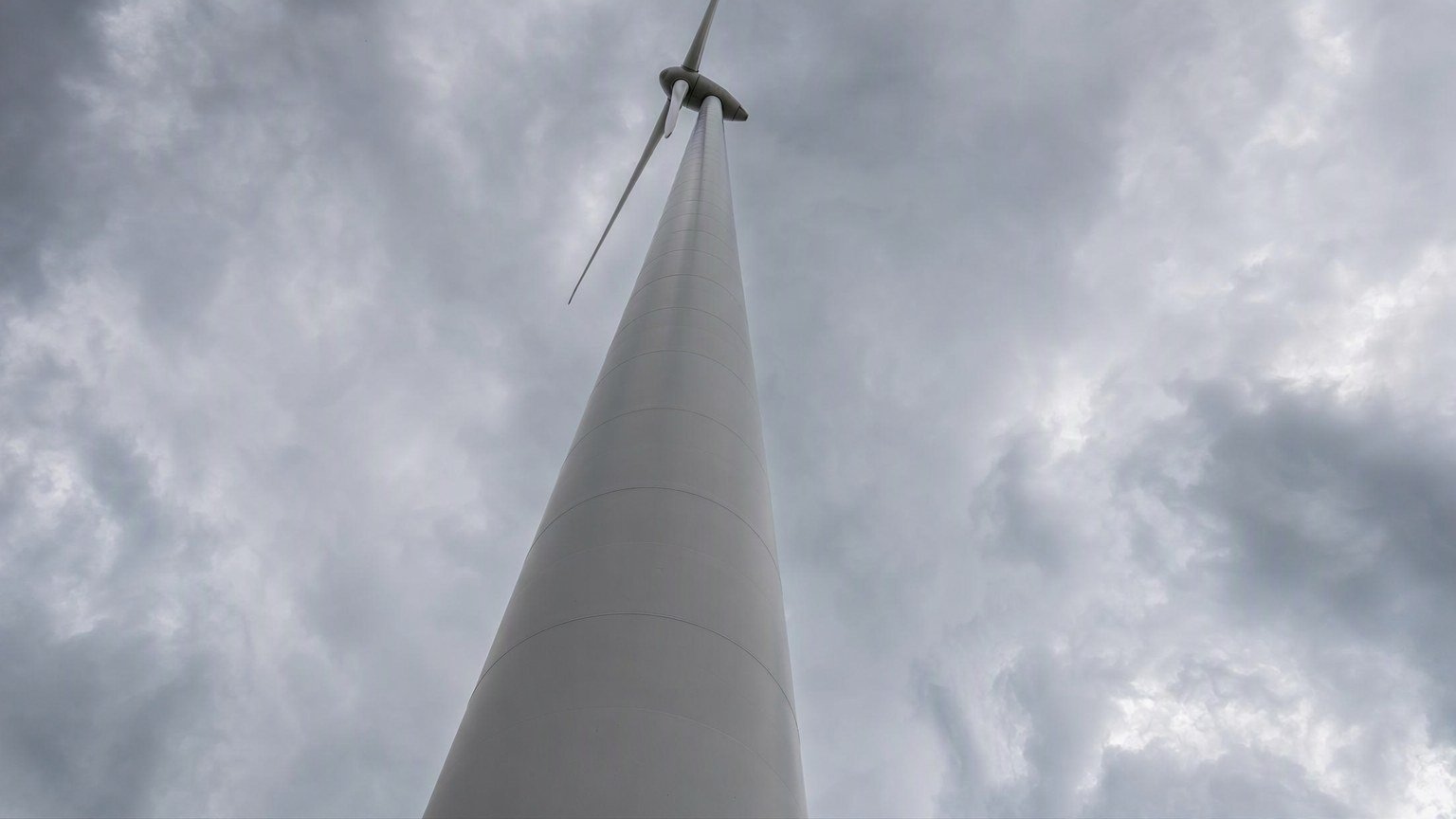
Here’s the thing about wind – it’s not uniform. Down near the ground, wind gets choppy, inconsistent, messed with by trees, buildings, hills, whatever’s in the way. But up higher? It’s stronger and way more consistent. Anyone who’s ever flown a kite knows this intuitively, even if they’ve never thought about it in terms of megawatts. So the logic behind this turbine is pretty simple on paper: stick the blades up where the good wind lives, and you should pull in a lot more energy.
But Is “Should” Good Enough?
This is where it gets interesting, and honestly, where I think a lot of coverage of this story is going to miss the point. Building a taller turbine isn’t hard because engineers can’t figure out how to stack more steel. It’s hard because taller means more expensive, more complex, more stress on materials, and – this is the part people forget – way more risk if something goes wrong. You’re talking about more surface area catching wind loads, more sway, more fatigue on components over time. At a certain height, physics starts fighting back.
Why Build It If We Don’t Know It’ll Work?
That’s basically the whole premise of this project. GICON and SPRIND aren’t claiming this thing is definitely the future of wind energy. They’re treating it like what it actually is: an experiment. A really, really expensive experiment, sure, but an experiment nonetheless. Once it’s operational, the turbine is going to generate real data on whether the extra height translates into the extra energy output everyone’s hoping for.
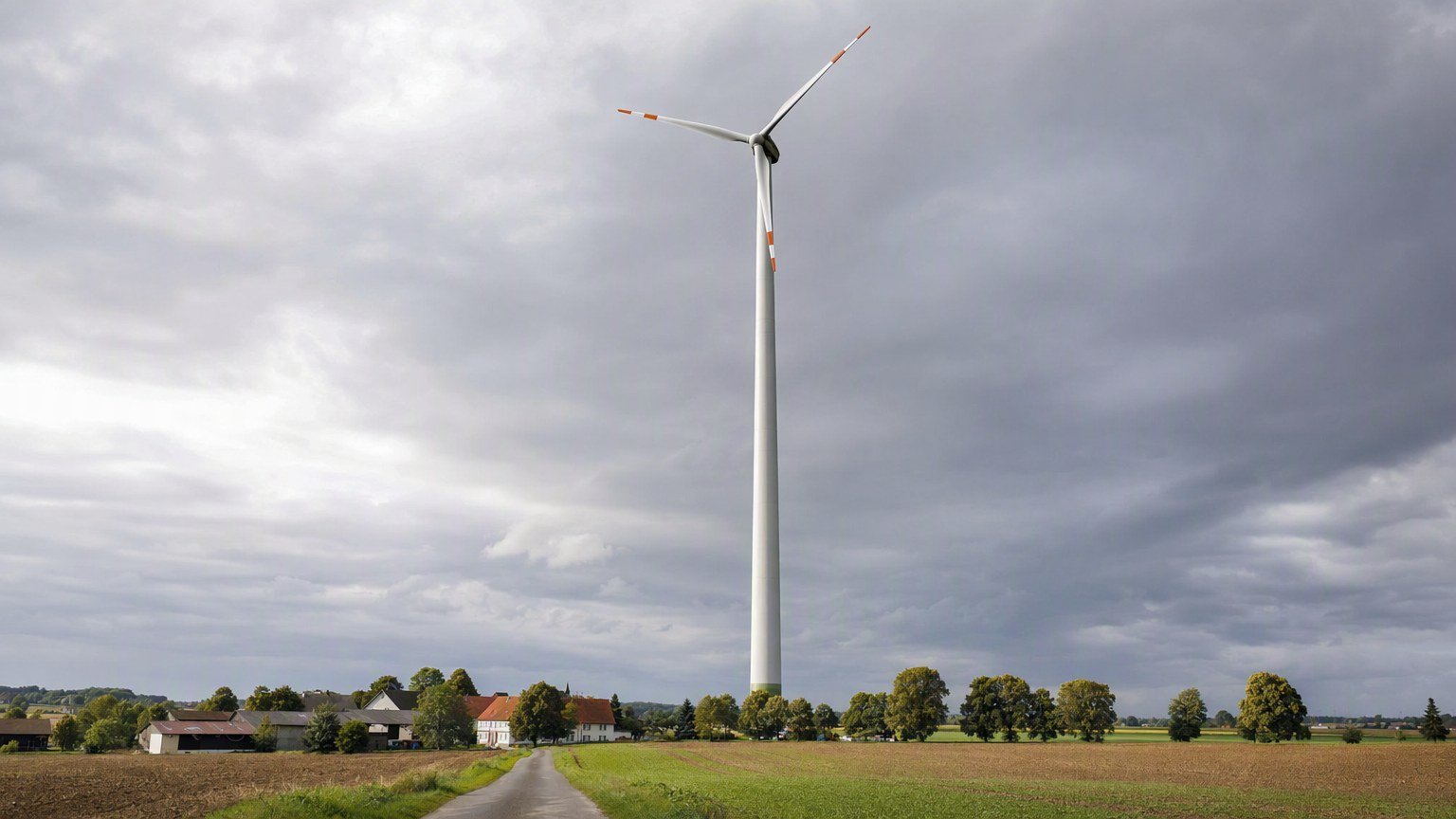
And look, I think that’s the right way to approach this. Too often in the renewable energy world we get these flashy announcements – “biggest,” “tallest,” “most powerful” – without anyone bothering to check if bigger actually means better in a way that matters for your electricity bill. This project seems refreshingly honest about the fact that nobody actually knows yet. They built the thing to find out.
“Once operational, the turbine will provide the data needed to determine whether the additional height delivers the expected increase in energy production.”
The Bigger Picture Here
Germany’s been pouring money into wind for decades now, and for good reason – the country’s committed to phasing out coal and nuclear, which leaves a pretty big gap that needs filling with something. Wind and solar are carrying a lot of that weight already. But here’s what’s interesting: most of the “easy” places to put wind turbines in Germany are already taken. You can’t just keep sprawling horizontally forever, especially in a country that’s fairly densely populated and where land use fights over turbines are already a thing (seriously, NIMBYism around wind farms is a whole saga in Germany, probably deserves its own article).
So if you can’t go wider, maybe you go taller instead. Same footprint, same number of turbines, but potentially squeezing a lot more energy out of each one. If this pilot proves the concept works, it could change how future wind farms get designed – not more turbines scattered across the landscape, but fewer, taller ones doing more of the heavy lifting. That’s actually a pretty elegant solution if it pans out.
The Catch Nobody’s Talking About Yet
I’ll admit, I’m curious about the maintenance side of this. Taller means harder to service. It means more complicated logistics for repairs, more specialized equipment, probably more downtime per fix. None of that stuff makes headlines the way “tallest turbine ever” does, but it’s going to matter a lot for whether this technology actually scales beyond a single prototype in Schipkau. A really tall turbine that breaks down constantly and takes weeks to fix isn’t exactly a win for anybody.
What This Actually Means
I’ll be straight with you – I think this is a genuinely cool piece of engineering, and I respect that it’s being treated as a test case rather than some victory lap announcement. That’s rare these days. Everybody wants to claim they solved something before they’ve actually proven it works.
But I’m not ready to call this the future of wind energy just yet. It’s one turbine. It needs to actually operate, generate data over months (maybe years), and prove the economics make sense before anyone starts replicating this at scale. Height alone doesn’t win the argument – cost per megawatt does, and that’s the number we don’t have yet.
Still, if I had to bet, I’d guess we’re going to see more of these towering turbines popping up in the next decade, especially in countries running out of room to expand horizontally. Whether 1,200 feet becomes the new normal or just a weird footnote in wind energy history… that’s the part we’ll have to wait and see.