
Look, I’ve covered enough campus assault cases to know when an investigation is going sideways, and this Cornell situation? It’s already in the ditch. The victim’s lawyer just went on CNN and basically said what everyone watching this has been thinking – that critical evidence is probably gone….
Look, I’ve covered enough campus assault cases to know when an investigation is going sideways, and this Cornell situation? It’s already in the ditch. The victim’s lawyer just went on CNN and basically said what everyone watching this has been thinking – that critical evidence is probably gone. As in, literally at the bottom of a lake. The backlash has already drawn celebrity attention, with Olivia Rodrigo torched Cornell on Instagram over how the school handled things.
The Evidence Problem Nobody Wants to Talk About
Thomas Guiffra isn’t mincing words here. He told CNN that if this were a normal investigation – you know, the kind that happens when police actually treat something seriously – investigators would’ve gotten search warrants immediately and seized every phone from every guy involved. They would’ve downloaded everything before anyone had a chance to think about hitting delete.
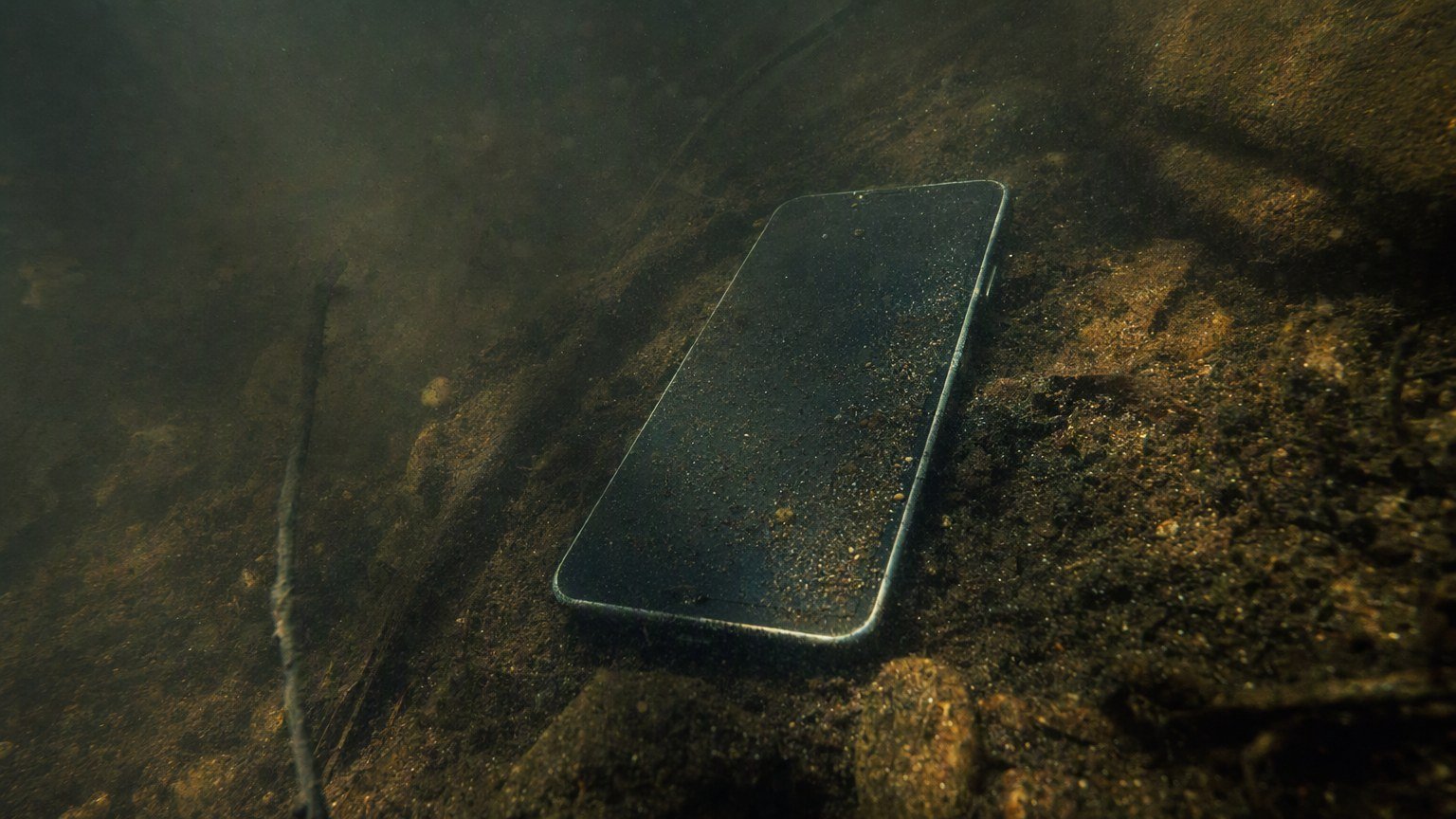
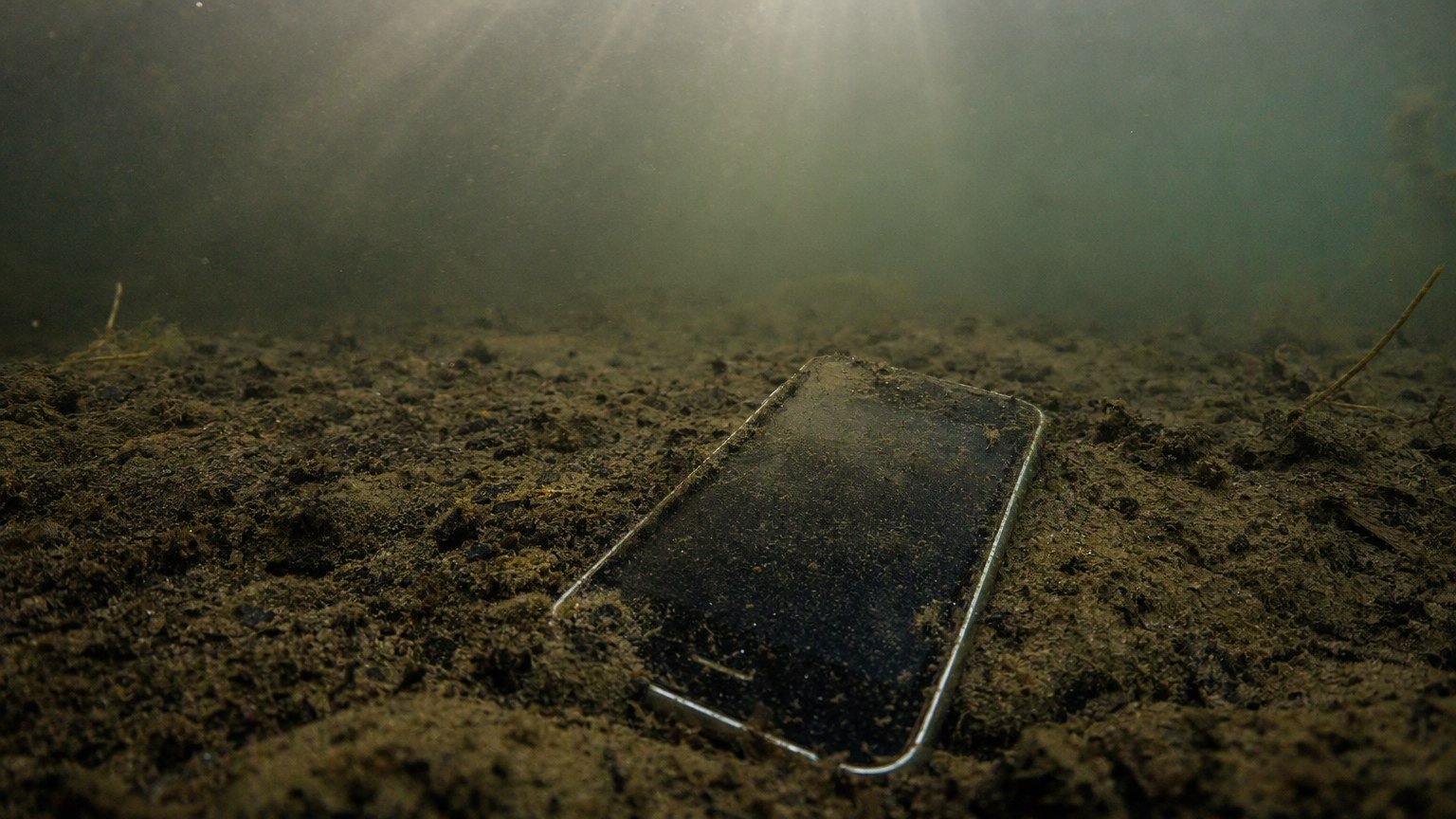
But that’s not what happened. And now Guiffra thinks there are “other photos” and videos from the alleged gang rape that have since been hidden or destroyed. His theory? “You know where I think those photos and videos are now? I think they’re at the bottom of Lake Cayuga.” That’s the lake right there in upstate New York, for anyone not familiar with Cornell’s geography.
The implication is pretty stark – once the accused students “knew there was a problem,” according to Guiffra, they cleared everything out. Got rid of it. Which, if true, means investigators were slow enough that the people they’re supposed to be investigating had time to coordinate a cover-up.
Why Weren’t Those Phones Seized Immediately?
Here’s the thing that drives me nuts about these campus cases. Guiffra specifically contrasts this with how it would’ve gone down in New York City. In a normal criminal investigation, you don’t wait around. You don’t give suspects days or weeks to think about what might be on their devices. You get the warrant, you grab the phones, you preserve the evidence before it can disappear.
But university investigations? They move at a different pace. And I’m not saying that’s always malicious – sometimes it’s just bureaucracy and unclear jurisdiction between campus police and local law enforcement. But the end result is the same: evidence vanishes.
The Digital Trail That Probably Existed
Guiffra says he’s “confident” there was material to download if investigators had moved faster. And honestly, that tracks with basically every modern sexual assault case involving young people. Everything’s documented now – photos, videos, text messages, Snapchats. Sometimes that evidence helps prove what happened. Sometimes it proves nothing happened. But it almost always exists in the immediate aftermath.
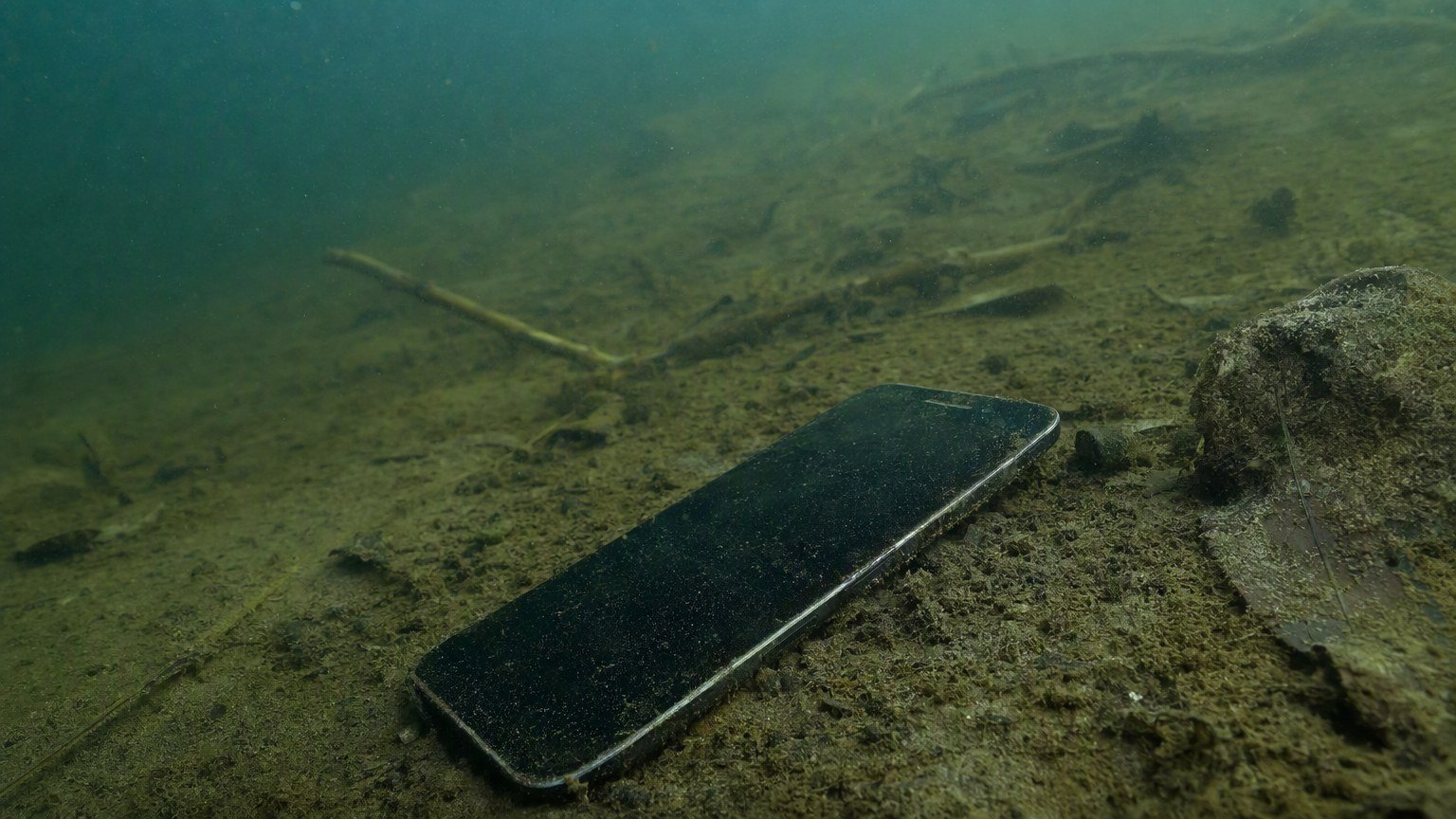
The problem is that digital evidence is also incredibly easy to destroy. You can wipe a phone in minutes if you know what you’re doing. And if multiple people coordinate? Even easier. Cloud backups might preserve some things, but if investigators don’t know what accounts to subpoena, or if they’re too slow getting the warrants, that window closes fast.
What Actually Happens in These Cases
“That’s the great concern, if this was a normal investigation that was done in New York City for example, they would have gotten search warrants [and] they would have grabbed every single one of these phones.”
Guiffra’s frustration is obvious, and it should be. Because here’s what probably happened (and I’m speculating based on patterns I’ve seen in similar cases, not insider knowledge of this specific investigation): Someone reported the assault. There were discussions about who had jurisdiction. Maybe the university wanted to handle it internally first. Maybe local police were waiting for the victim to decide whether to press charges. Meanwhile, days passed. Word got around. And people had time to think about what might be on their phones.
I’m not gonna lie, the Lake Cayuga comment is doing a lot of work in that CNN interview. It’s vivid, it’s specific, and it plants an image in your head of phones literally dumped in the water. Is that what happened? Who knows. But it’s effective rhetoric, and it underscores a real concern – that this investigation may have been compromised before it even really began.
The Bigger Pattern Nobody Fixes
The thing is, this isn’t unique to Cornell. Campus sexual assault investigations are notoriously messy because they exist in this weird jurisdictional gray area. Universities want to handle things internally because it looks better for their reputation. Local police sometimes defer to campus police. Federal Title IX requirements create yet another layer. And in all that confusion, time passes. Evidence disappears. It's the same institutional instinct that let the Catholic Church systematically covered up child sexual abuse for decades, just with a different logo on the letterhead.
And you know what? I’ve seen cases where victims specifically didn’t want police involved initially, wanted to try the university process first, and by the time they realized that wasn’t working, it was too late to preserve evidence. That’s not the victim’s fault – it’s the system’s fault for not making it clear that you have to choose fast, and that choosing the gentler-seeming university process might mean sacrificing the criminal case.
Where This Goes From Here
So what happens now? Well, Guiffra’s making these statements publicly for a reason. He’s building a narrative – and maybe laying groundwork for why this case might be hard to prosecute, or why a civil case might be necessary instead. If the evidence really is gone, criminal charges become a lot harder. It becomes he-said-she-said, or at best, testimony about what people remember seeing or hearing. Still prosecutable sometimes, but much tougher.
What bothers me most about this whole situation is how preventable it seems. If investigators had moved fast, if someone had gotten those warrants day one, if there’d been clear protocols about who handles what – maybe we’d be having a different conversation right now. Maybe there’d be evidence to review instead of theories about lakes.
But instead we’re here, with a lawyer going on national TV to essentially argue that the investigation was bungled from the start. And whether those phones are actually at the bottom of Lake Cayuga or just wiped and sitting in dorm rooms, the result is the same – the truth just got a lot harder to find.