Look, I’m just going to say it – the Harry Potter movies did some wizards dirty. And I’m not talking about minor characters who got cut for time (RIP Peeves, you chaotic legend). I’m talking about major players who showed up on screen but got their magical abilities nerfed so hard they might as…
Look, I’m just going to say it – the Harry Potter movies did some wizards dirty. And I’m not talking about minor characters who got cut for time (RIP Peeves, you chaotic legend). I’m talking about major players who showed up on screen but got their magical abilities nerfed so hard they might as well have been using training wands.
Here’s the thing: when you’re adapting seven massive books into eight movies, something’s gotta give. Warner Bros knew they couldn’t fit everything, so they made choices. Smart choices, mostly. But some of those choices meant that characters who were absolute powerhouses in the books came across as… fine. Just fine. Which is kind of like describing Dumbledore as “a decent guy who knows some tricks.”
The Problem With Showing Magic on Screen
Before we get into who got shortchanged, we need to talk about why this happened. Because it’s not just about runtime – though that’s part of it.
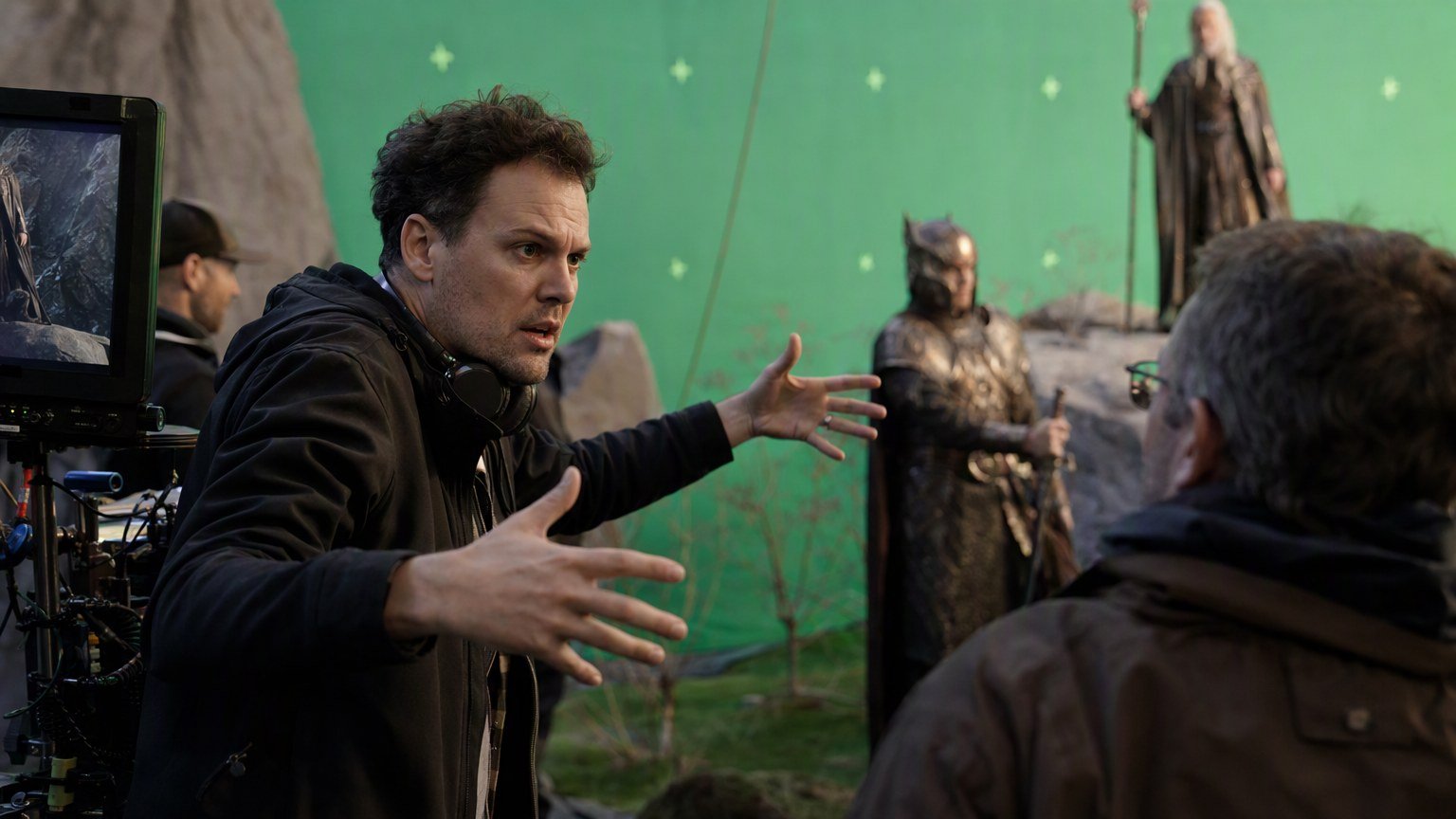
Movies are a visual medium, right? You can’t just have characters standing around talking about how powerful someone is. You have to show it. But here’s where it gets tricky: in the books, Rowling could spend paragraphs describing the subtle brilliance of a spell, the terrifying precision of a curse, the years of study behind a single enchantment. On screen, a wand goes swoosh, lights flash, and you’ve got maybe three seconds to make an impression before the audience checks out.
So what happens? The films default to spectacle over substance. Big explosions, flashy duels, lots of color. Which is great for action sequences but terrible for showing the actual depth of someone’s magical ability. The result is that everyone kind of operates at the same level – they all shoot the same colored lights at each other, just with different levels of dramatic music.
The Compression Problem
And then there’s the compression issue. When you’re cutting entire subplots – SPEW, the Gaunt family backstory, basically all the house elves except Dobby – you’re also cutting the moments that demonstrate why certain wizards are in a different league. Voldemort’s not just scary because he’s evil; he’s scary because he pushed magic into territories no one else dared to explore. But if you cut the Horcrux backstory details, the Gaunt heritage, the years at Borgin and Burkes… he just becomes Generic Dark Lord #47.
Who Got the Worst Deal?
I’ve been rewatching the films lately (don’t judge me, it’s comfort viewing), and it’s honestly kind of frustrating to see how some of these characters got watered down. Not all of them, mind you. Some made the transition beautifully. But others?
The article ranking these wizards is onto something. Because when you actually compare book-power-levels to movie-power-levels, the gap is wild. We’re talking about characters who should be reality-bending, time-manipulating, mind-reading forces of nature coming across as just… moderately competent spell-casters.
Take Dumbledore. Yes, he gets some great moments in the films – the Ministry duel in Order of the Phoenix is genuinely spectacular. But book Dumbledore? That man was doing magic that most wizards didn’t even know was possible. He wasn’t just powerful; he was creative, experimental, constantly pushing boundaries. Movie Dumbledore shoots fire and does some fancy wand work. Book Dumbledore casually mentions he’s having correspondence with alchemists about the nature of reality itself.
“When you’re condensing seven books worth of character development and magical worldbuilding into a film series, something has to give – and usually, it’s the subtle demonstrations of power that get cut first.”
The Visual Effects Ceiling
Here’s something people don’t talk about enough: the movies were limited by what was technically possible at the time. The first film came out in 2001. The last one in 2011. That’s a decade of rapidly evolving VFX technology, sure, but it also meant the filmmakers had to work within budgets and capabilities that seem almost quaint now.
So instead of showing the true scope of what powerful wizards could do – reality warping, time manipulation, the kind of magic that makes you question what’s even real anymore – we got lots of pretty light shows. Which is fine! The movies are gorgeous. But they’re gorgeous in a way that kind of flattens the power curve. Everyone’s spells look roughly similar, just with different colors and intensities.
And don’t even get me started on nonverbal magic. In the books, that’s a huge deal – a sign of advanced skill and power. In the movies, everyone just… does it sometimes? When it’s convenient? There’s no consistency, no sense that this is actually difficult or impressive.
What the HBO Series Might Fix
The upcoming HBO series has a chance to do this right. More episodes means more time to actually demonstrate magical ability in meaningful ways. They can show the study, the experimentation, the failures and breakthroughs that make someone truly powerful.
But honestly? I’m not holding my breath. Because the real issue isn’t just runtime – it’s that visual media struggles with the concept of “powerful magic” in ways that books don’t. A book can tell you that someone’s spell work is unprecedented, that they’re doing things that shouldn’t be possible, that other wizards are in awe of their abilities. A TV show has to actually show you something that looks more impressive than what you saw five minutes ago. And after a while, you run out of ways to make light shoot out of sticks look meaningfully different.
Does It Actually Matter?
Here’s my honest take: the movies are still great. They work as films, they captured the emotional core of the story, and they introduced millions of people to this world. The fact that some characters aren’t as powerful as their book counterparts is… fine, actually. It’s a different medium telling the story in a different way.
But I’d be lying if I said it doesn’t bug me sometimes. Because there’s something lost when you flatten these power levels – you lose the sense of awe, the feeling that magic in this world has depths that we’re only glimpsing. You lose the understanding that someone like Dumbledore or Voldemort isn’t just a strong wizard, they’re operating on a completely different plane of existence.
The movies gave us spectacle. The books gave us wonder. And sometimes, late at night when I’m rewatching Deathly Hallows for the hundredth time, I find myself wishing we could’ve had both.