Look, I need to tell you something about those period tracking apps on your phone. You know, the ones with the cute little flower icons and pastel interfaces that promise to help you “understand your cycle” and “optimize your wellness.” Yeah, those. Turns out they might be doing more harm than…
Look, I need to tell you something about those period tracking apps on your phone. You know, the ones with the cute little flower icons and pastel interfaces that promise to help you “understand your cycle” and “optimize your wellness.” Yeah, those. Turns out they might be doing more harm than good, and honestly? I’m not even surprised.
The Femtech Fantasy We All Bought Into
Here’s the thing – these apps have exploded in the last few years. They’re everywhere. Your Instagram feed is probably full of influencers talking about “cycle syncing” and how tracking their period changed their life. Tech companies have poured millions into this space, slapping the word “science” on everything and calling it femtech.
But researchers – actual experts who study menstrual health, not just people who code apps – are now saying we need to pump the brakes. Hard.
Katharine Lee and her colleagues just dropped a warning that basically amounts to: these apps are making claims they can’t back up, and we’re not scrutinizing them nearly enough. And I mean, when you actually stop and think about it, doesn’t that seem kind of insane? We’re handing over incredibly personal health data to apps that are basically operating in a regulatory gray zone.
What They Promise vs. What They Actually Deliver
The pitch is always the same, right? Download this app, log your symptoms, and we’ll give you personalized insights about your hormones, your fertility, your energy levels, even your athletic performance. Some of these apps claim they can predict when you’ll be most creative or when you should schedule important meetings based on where you are in your cycle.
It sounds amazing. Scientific. Empowering, even.
Except here’s what nobody’s really talking about: the actual science behind menstrual cycles is way more complicated than these apps let on. Like, significantly more complicated. Your cycle isn’t this perfectly predictable thing that follows the same pattern month after month, and it definitely doesn’t control your entire life in neat, app-friendly categories.
The Privacy Nightmare Nobody Wants to Admit
And that’s before we even get into the privacy issues. Because oh boy, are there privacy issues.
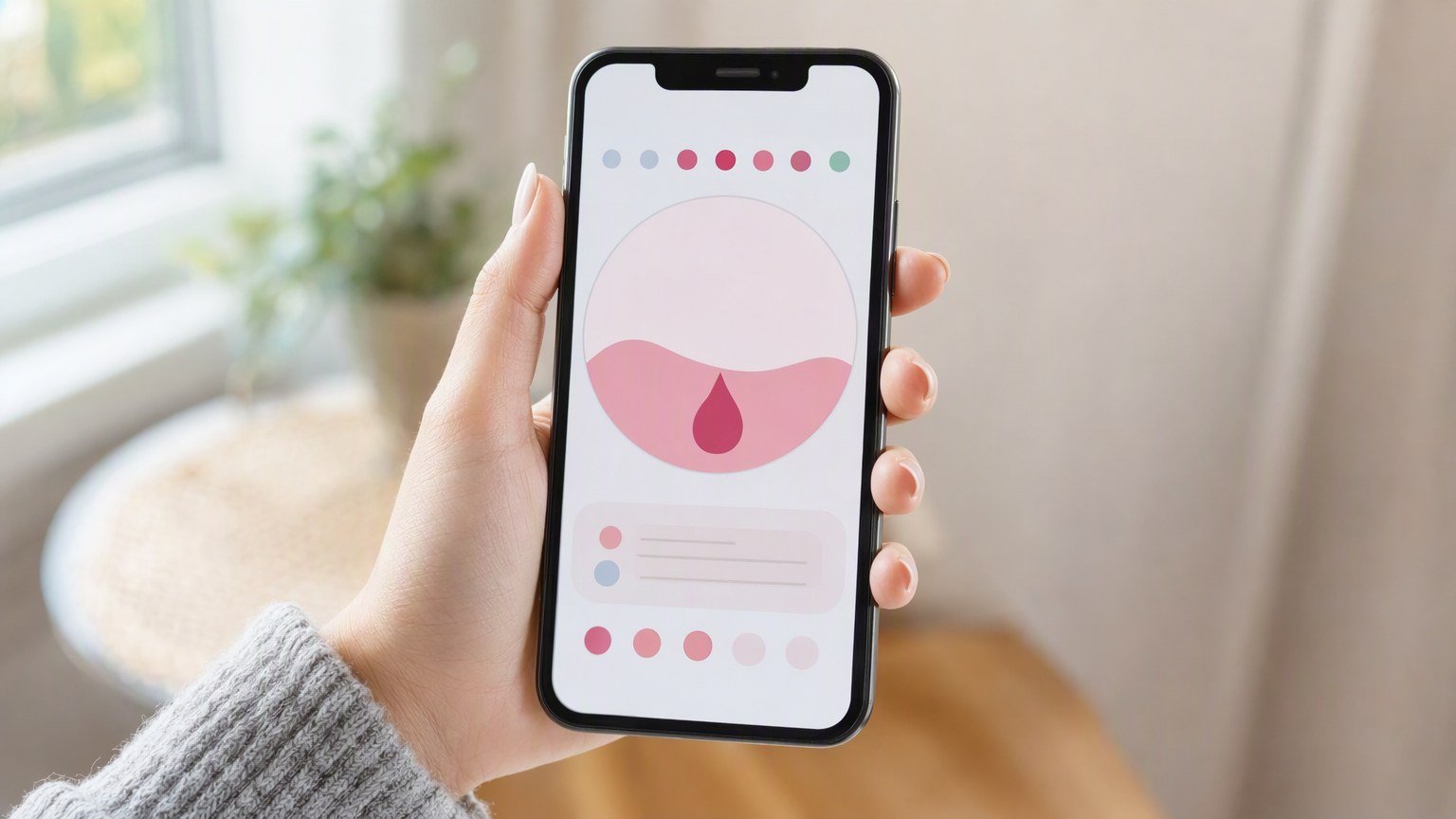
You’re feeding these apps data about your most intimate bodily functions. When you’re bleeding, when you’re having sex, your mood swings, your cervical mucus (I know, I know, but that’s what they ask for). This isn’t like tracking your steps. This is deeply personal health information that could be used against you in a million different ways. And if intimate bodily data seems invasive, consider The AI That Knows Your Loved Ones Better Than You Do – we're handing over everything.
Remember when Roe v. Wade was overturned? Suddenly everyone started freaking out about whether period tracking apps could be subpoenaed to prove someone was pregnant. That’s not paranoia – that’s a real possibility. And it’s not just about abortion access. Insurance companies, employers, data brokers… there are a lot of people who’d love to get their hands on your menstrual data. If you think period apps are the only personal data at risk, wait until you hear about Your AI Diary Isn't Private: One Woman's Felony Charge.
The Real Problem: We’re Creating Harm
But the researchers are making a point that goes beyond just privacy concerns. They’re saying these apps might actually be creating harm – not just risking it, but actively making things worse.
Think about it. If an app tells you that you should be feeling energetic and focused during a certain phase of your cycle, but you’re actually exhausted and can’t concentrate, what does that do to you? It makes you feel broken. Abnormal. Like your body isn’t working the way it “should.”
Or when these apps push the idea that your entire mood and personality shifts on a predictable schedule based on your hormones – isn’t that kind of… reductive? Don’t we spend enough time fighting against the idea that women are slaves to their hormones without apps reinforcing that stereotype with pseudoscience?
“Digital menstrual tracking risks creating more harm than benefit and requires greater scrutiny.”
That’s the core of what these experts are saying, and honestly, they’re right. We’ve basically let an entire industry grow up around women’s bodies without asking the hard questions first.
Where Do We Go From Here?
I’m not saying period tracking apps are all evil or that you need to delete them immediately (though if you live in a state with strict abortion laws, you might want to seriously consider it). But we need way better oversight. These apps are marketed as health tools, so maybe they should be regulated like health tools, you know? Novel concept.
And women and girls need to know what they’re actually getting into. Not the glossy marketing version, but the real deal. These apps aren’t giving you scientific insights into your body – they’re giving you pattern recognition based on limited data and a lot of assumptions.
The femtech industry is worth billions now, and it’s only growing. Which means this isn’t going away. But maybe it’s time we stopped treating every shiny new health app like it’s automatically a good thing just because it’s marketed to women. Maybe it’s time we demanded actual evidence, real regulation, and honest conversations about what these tools can and can’t do.
Because right now? We’re basically running a massive uncontrolled experiment on women’s bodies. And that should make you uncomfortable.