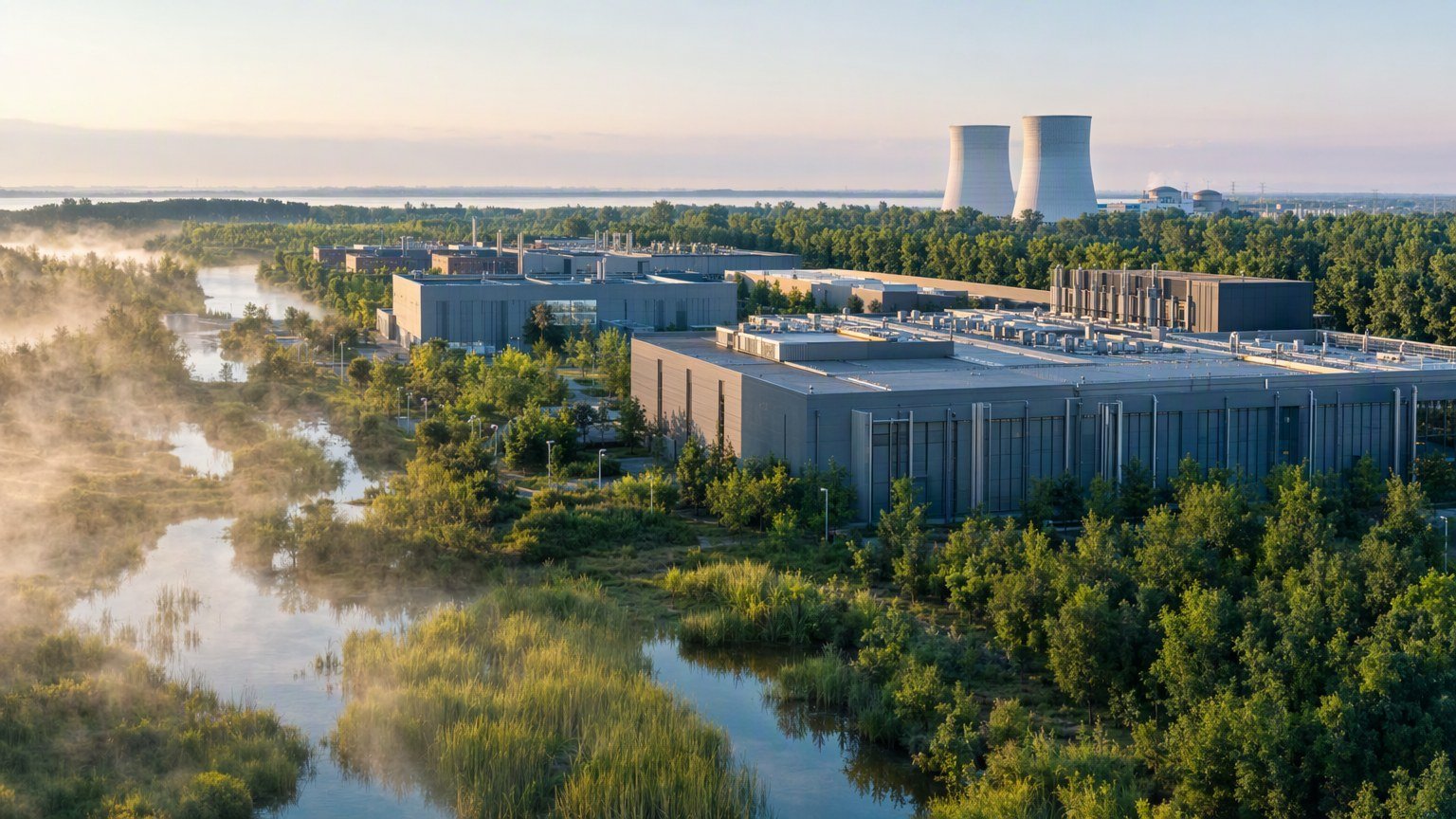
Microsoft wants you to look at the wetlands. Not the gas plant. The wetlands.
Microsoft wants you to look at the wetlands. Not the gas plant. The wetlands.
That’s basically the whole strategy here, and I’ll admit, it’s a clever one. The company has rolled out what it’s calling a “biomimicry” program across more than 20 data center sites in the US and Germany, restoring wetlands, planting native gardens, basically trying to make these massive server farms disappear into the scenery like some kind of tech-industry chameleon. Sounds nice. Sounds thoughtful, even. And then you remember Microsoft also just signed a 20-year deal in June to buy power from a Chevron gas plant that hasn’t even been built yet in West Texas. So, yeah. Let’s talk about that.
The Wetlands Are Real, But So Is the Gas Plant
Here’s what’s actually happening, from what I can tell. Microsoft’s team is using a tool called Ecosystem Intelligence, which runs on Claude Sonnet 5 (of course it does, everything runs on Claude Sonnet 5 now) to score a given site on things like water quality, biodiversity, and noise. Then they use that data to figure out how to blend the data center into the local landscape instead of just bulldozing a field and dropping a giant beige box on it. They’re pulling in community input too, or at least that’s the pitch.
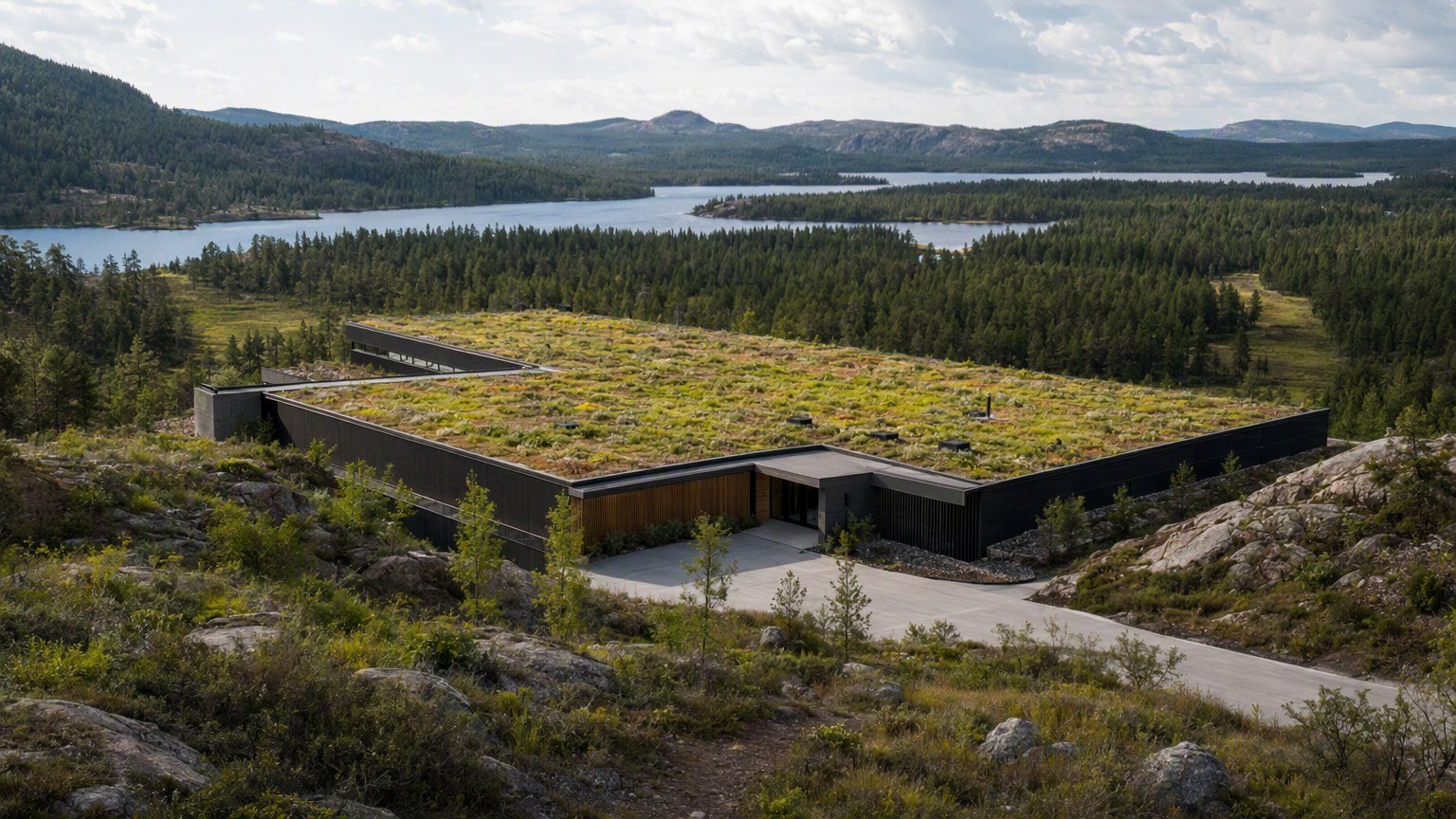
And look, I don’t want to be the guy who rolls his eyes at every corporate sustainability program on principle. Restoring an actual wetland is not nothing. Native plants instead of generic landscaping sod is not nothing. If this were happening in a vacuum, I’d probably call it a solid, if modest, win.
But it’s not happening in a vacuum. It’s happening right alongside a two-decade commitment to gas power. And that timing is… not great, optics-wise. Not great at all.
Why the Timing Matters
Data centers are power-hungry monsters. Everybody in tech knows this, nobody really wants to say it too loudly. AI workloads in particular are just absurdly energy-intensive, and the big cloud players are all scrambling to lock down power sources, any power sources, to keep up with demand. Microsoft locking in Chevron gas for 20 years tells you something important: they’re not betting on this being a short-term bridge to cleaner energy. Twenty years is basically a generation. That’s a long-term bet on fossil fuels, dressed up next to a short-term PR win about butterflies and reeds.
So Is This Greenwashing? Kind of a Dumb Question, Actually
I mean, come on. Of course critics are calling this out. Adrian Shelley, who directs the Texas office of Public Citizen, put it about as bluntly as you can put it.
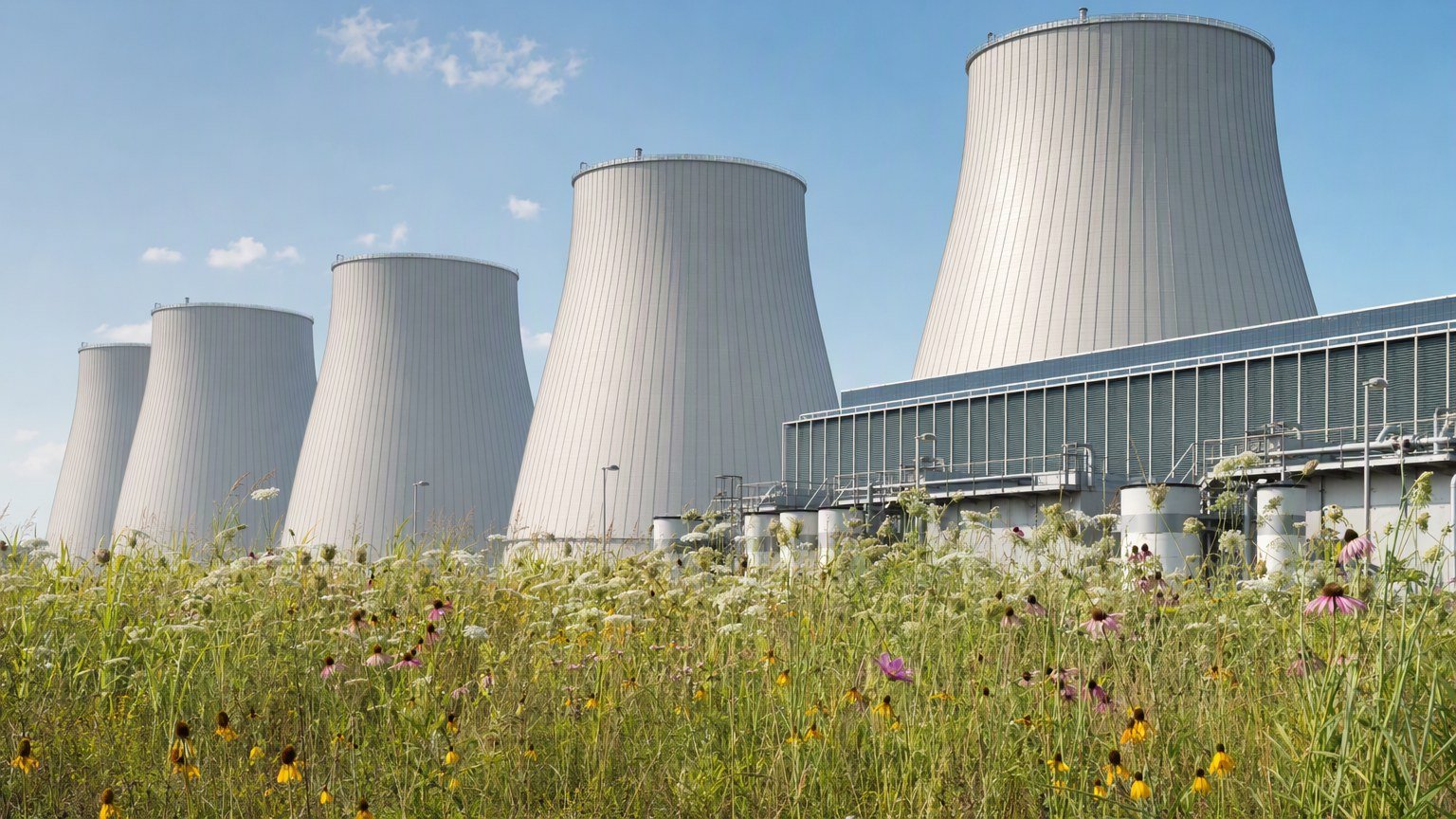
“Basically lipstick on a pig.”
Honestly? Hard to argue with that framing. You can plant all the native wildflowers you want around a facility that’s drawing power from a brand new gas plant for the next two decades, and the math still doesn’t change. The emissions still happen. The land use still happens. The wetlands don’t offset the smokestack, they just happen to be standing near it.
What’s interesting here is that Microsoft isn’t even hiding the gas deal. They’re not pretending it doesn’t exist. They’re just… running two separate PR tracks at the same time, hoping one gets more attention than the other. The biomimicry story is the kind that gets a nice feature writeup with pretty photos of restored marshland. The 20-year gas contract is the kind that gets buried in an energy trade publication nobody outside the industry reads. That’s not an accident. That’s a strategy.
What Residents Actually Want (Hint: Not Wetlands)
Here’s the thing critics keep pointing back to, and I think they’re right to. The communities living next to these sites generally aren’t asking for native gardens. They’re asking about water usage. They’re asking about noise, about property values, about whether the local power grid can actually handle a facility this size without their own bills going up or their lights flickering during peak demand. Camouflaging a data center behind some trees doesn’t really answer any of that.
Microsoft’s own scoring tool apparently does measure noise abatement, so credit where it’s due, somebody internally is thinking about this stuff beyond just the visual landscaping angle. But there’s a real gap between “we measured the noise” and “we fixed the actual community concern,” and that gap is where a lot of this skepticism is coming from.
What This Actually Means
I don’t think Microsoft is lying about the ecological work. I think it’s genuinely happening at these 20-plus sites, and I think somebody on that team probably cares about it. But caring about wetlands and committing to two decades of gas power are not contradictory impulses inside a company this size, they’re just two different departments optimizing for two different headlines. One team is trying to make the physical footprint look good. Another team is trying to keep the lights on for an AI boom that shows zero signs of slowing down. Neither team is lying to you, exactly. They’re just not talking to each other about what story the other one is telling.
And that’s kind of the uncomfortable truth about corporate climate messaging in the AI era right now. The energy demand is so enormous, so immediate, that even companies with real sustainability ambitions are reaching for whatever power source will actually keep servers running today. The landscaping is the easy part. The energy math is the hard part. Guess which one gets the nicer photos.