
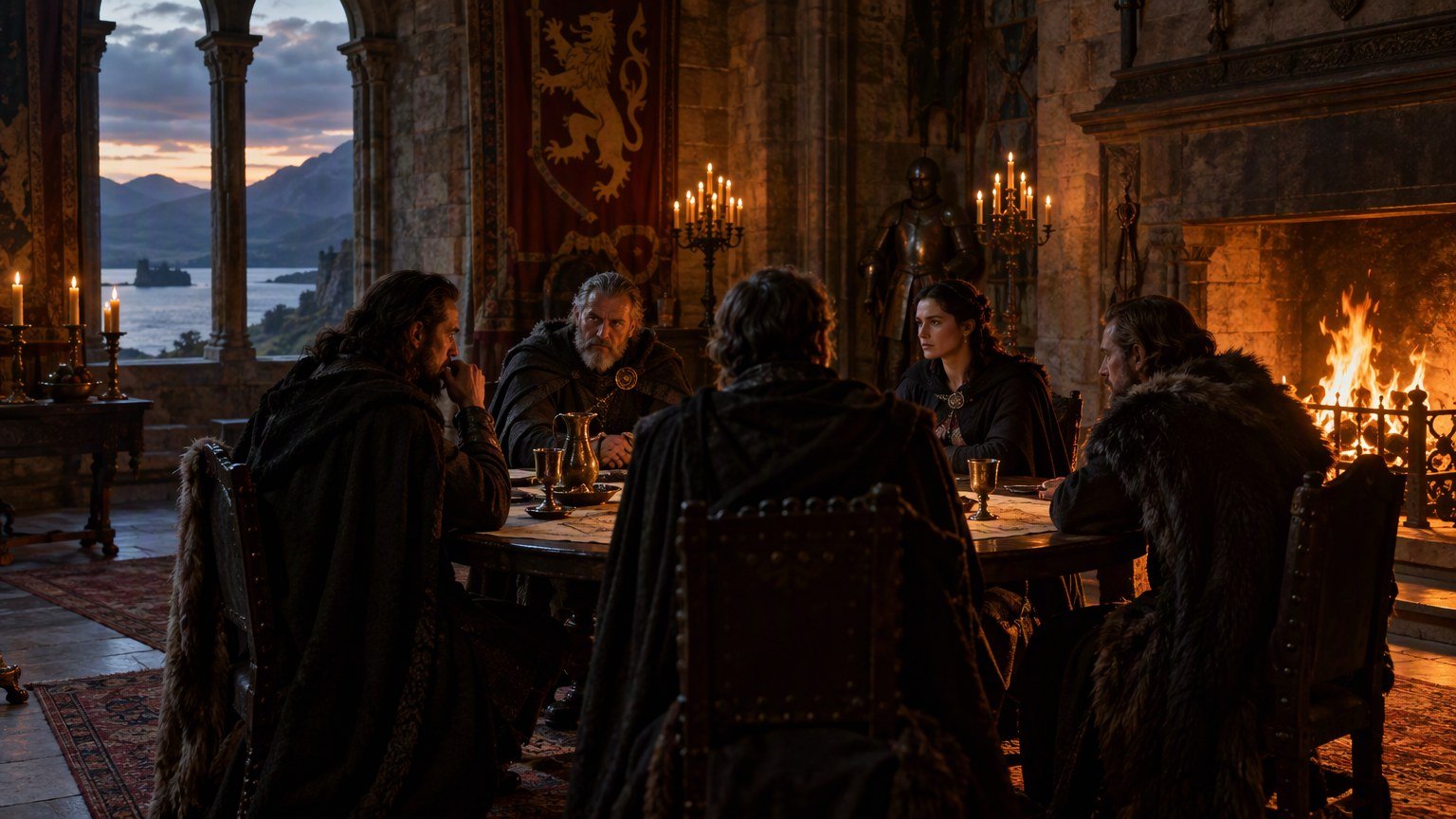
Nearly nine million people in Britain sat down on a Thursday night to watch a bunch of celebrities walk into a Scottish castle and get yelled at by Claudia Winkleman. Nine million. In 2025. When literally everything else is streaming, scrolling, or dying a slow death on linear TV. Something…
Nearly nine million people in Britain sat down on a Thursday night to watch a bunch of celebrities walk into a Scottish castle and get yelled at by Claudia Winkleman. Nine million. In 2025. When literally everything else is streaming, scrolling, or dying a slow death on linear TV. Something strange is going on here, and I don’t think the BBC quite expected it either.
The Numbers Are Honestly Kind of Wild
Let’s just sit with this for a second. Thursday’s season premiere of Celebrity Traitors pulled in an average of 8.9 million viewers and a 54.9% share of the viewing audience, according to overnight figures from Digital i. More than half of everyone watching telly at that exact moment chose to watch celebrities get picked as traitors by Claudia Winkleman. Half. That’s not a hit show, that’s basically a national event.
And here’s the bit that really makes you sit up: that’s almost 3 million more viewers than last year’s debut episode, which drew 6.1 million and a 46.4% share. Three million more people decided this was worth their evening, even though – and this is the detail I keep coming back to – last year’s episode actually started slightly later in the evening, which usually helps ratings, not hurts them. So the growth is real. It’s not some scheduling trick.
Why This Matters More Than It Looks
We talk a lot about how nobody watches live TV anymore. Everyone’s got Netflix open on one tab and TikTok on their phone and the actual television is just… background noise. I get it, I do it too, not gonna lie. But Celebrity Traitors seems to have found a loophole in that whole trend, and it’s becoming one of the only shows left that can still gather the entire country around one screen at one time. That’s rare. That’s really rare now.
So Why Do We Actually Care Who’s a Traitor?
Here’s what I think is happening, and I could be wrong, but I don’t think I am. Celebrity Traitors works because it’s gossip with stakes. It’s watching people you already have opinions about – actors, presenters, athletes, whoever – lie to each other’s faces for a shot at a pile of money. There’s something deeply, almost embarrassingly satisfying about watching famous people squirm and scheme and occasionally crack under pressure. We’ve basically turned reality telly paranoia into prestige viewing, and somehow it works better with celebrities than it ever did with randoms off the street.
The thing is, the original Traitors was already good. Really good, actually. But sticking famous faces into that format did something to the stakes. You’re not just watching a stranger betray another stranger, you’re watching someone whose career you’ve followed for twenty years suddenly reveal they’d happily throw a fellow celebrity under the bus for a chance at the prize fund. That’s just better television. I don’t make the rules, I just notice what works.
“More than half of the audience watching TV at that time chose to witness the new cast of celebrities enter the show’s famous castle”
The Gen Z Thing Is the Real Headline, Though
Okay, this is the stat that actually stopped me mid-scroll. Everyone knows young people have basically abandoned live television. The decline in gen Z linear viewing has been brutal, consistent, and frankly expected at this point – why would anyone sit through scheduled TV when everything’s on demand. But Celebrity Traitors had an 83.5% share of 16 to 34 year olds watching telly in that slot. Eighty three point five percent. An average audience of 1.6 million young viewers choosing this, specifically, at that specific time.
That number is, if I’m being honest, the most important stat in this whole story. The overall numbers are impressive, sure, but broadcasters have been losing sleep for years trying to figure out how to get young audiences to watch anything live. And here’s a show about celebrities lying to each other in a castle doing it almost by accident. The BBC must be thrilled. Actually thrilled, not just press-release thrilled.
What the BBC Gets Out of All This
It’s no secret the BBC has been under constant pressure to prove it’s still relevant, still delivering value, still worth the license fee to people who increasingly question why they’re paying for it at all. A show that pulls in almost 9 million people and dominates the youth demographic at the same time is basically the perfect answer to every “why do we need the BBC” argument going. It’s not subtle, but it works. You can practically hear the sigh of relief from whoever’s in charge of justifying the budget this year.
What This Actually Means
I think we’re watching something genuinely rare happen in real time – a show that’s managed to buck basically every trend about how people consume television right now. No algorithm, no personalized feed, no watching whenever you feel like it. Just appointment viewing, the old fashioned way, except somehow it’s working better than ever.
Will it last? Who knows. These things have a shelf life, and reality TV format fatigue is a real thing – ask anyone who used to care about the Big Brother house. But for now, Celebrity Traitors has done something most shows can only dream about: it’s made watching television together, at the same time, feel exciting again. Nine million people agreed on something on a Thursday night. In this climate, that might be the most impressive stat of all.