
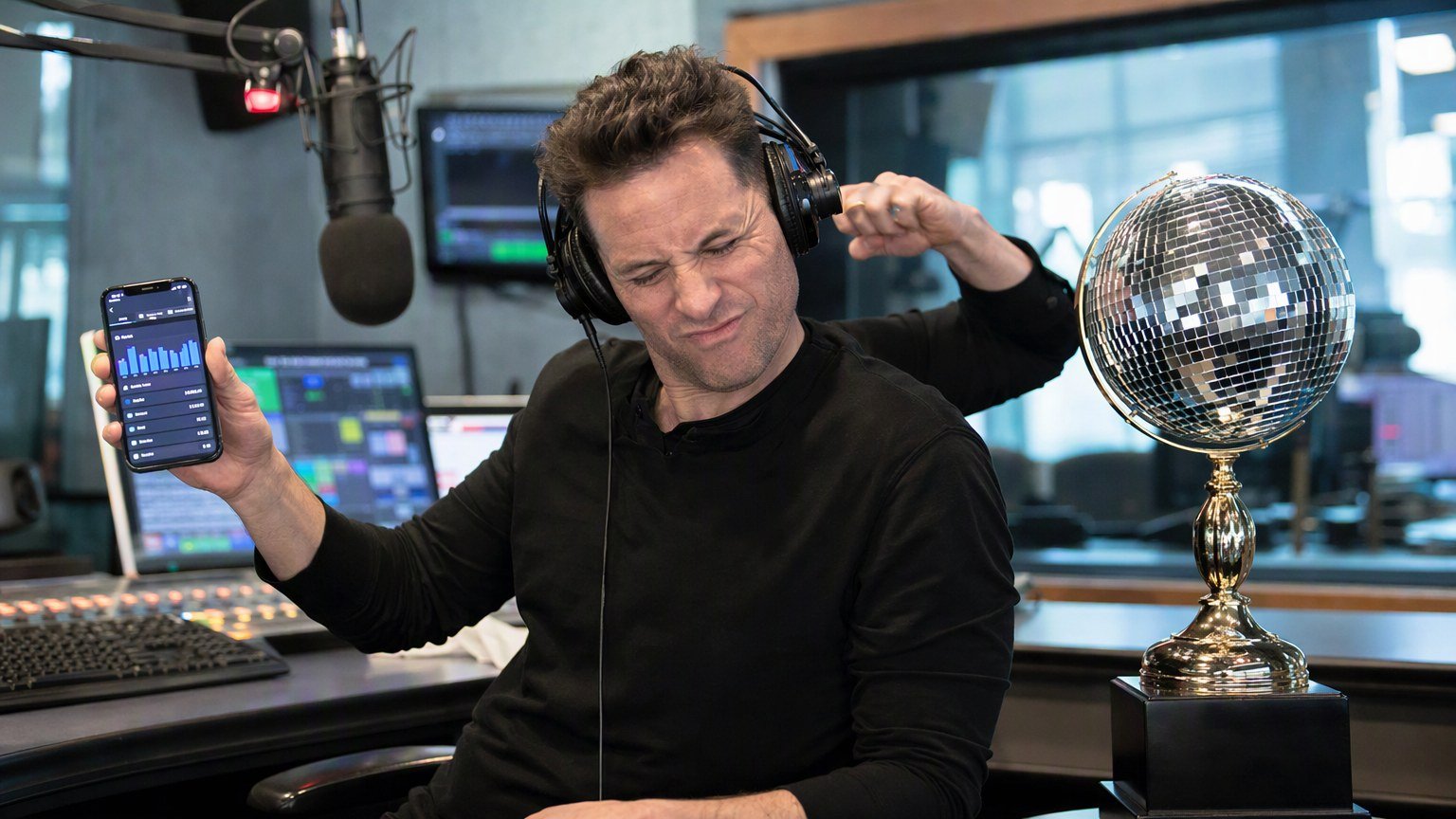
Bobby Bones won Dancing with the Stars in 2018, and people are still mad about it. Not like, mildly annoyed – I mean genuinely upset that this radio host with admittedly mediocre dance skills walked away with the mirrorball trophy while technically better dancers went home empty-handed. And now…
Bobby Bones won Dancing with the Stars in 2018, and people are still mad about it. Not like, mildly annoyed – I mean genuinely upset that this radio host with admittedly mediocre dance skills walked away with the mirrorball trophy while technically better dancers went home empty-handed. And now, six years later, Bones is basically saying: yeah, I gamed the system, and it worked.
He’s Not Even Pretending It Was About Dancing
On a recent episode of the “He Said G Said” podcast, Bones laid it out pretty plainly. “I think my season was, kind of, that first season of the social media era of Dancing with the Stars,” he said. “I mean, it’s a part of the reason that I won.”

Here’s the thing – he’s not wrong, and that’s what makes this whole situation so frustrating. Bones, who was 46 when he appeared on the show with pro partner Sharna Burgess during season 27, didn’t win because he was the best dancer. He won because he understood something the other contestants didn’t: that Dancing with the Stars had become less about dancing and more about who could rally the most votes.
“I was doing my [radio] show; I was working while I was doing that show, so that helped,” Bones explained. And this is where it gets interesting. The guy had a built-in megaphone – a nationally syndicated radio show where he could basically campaign for himself every single day. “The fact that I was super active on social media and strategizing social media that helped me win, as well.”
When the Side Game Becomes the Main Game
Look, I’ve covered reality TV for years, and voting-based competitions always have this problem. But Dancing with the Stars felt different because the whole premise was supposed to be about improvement, technique, artistry. You know, actual dancing. Bones basically admitted he treated it like a popularity contest – because it was one.
The backlash when he won was immediate and brutal. People pointed out (correctly) that other contestants had better scores, better technique, and frankly, just danced better. But none of that mattered because Bones had something more valuable in 2018: a massive, engaged fanbase who would vote multiple times, share posts, and treat his victory like a personal mission.
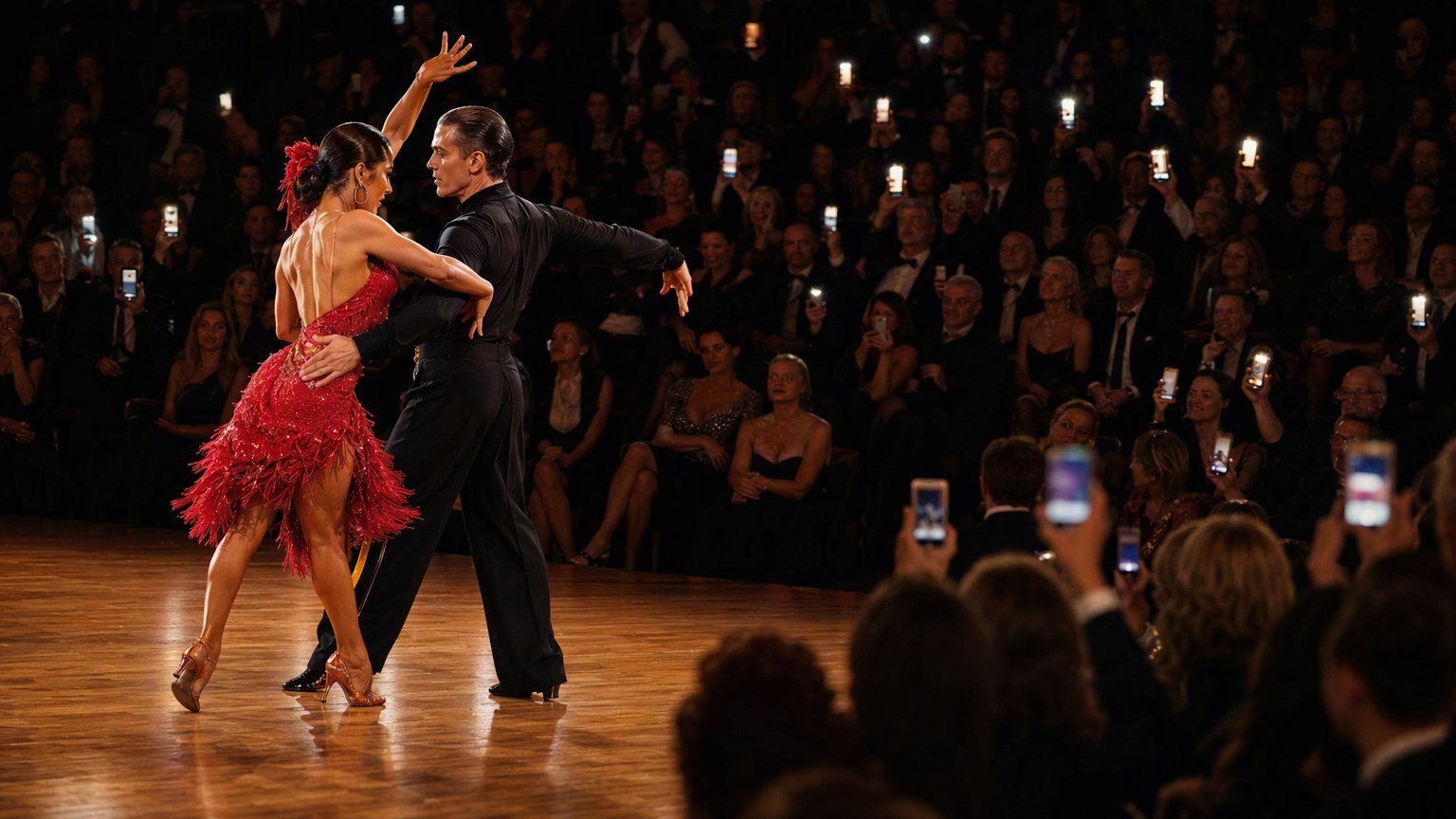
What really gets me is how casually he mentions that online content “can often receive more views than the actual live broadcast.” He’s right, of course. By 2018, the way people consumed the show had fundamentally changed. You didn’t need to watch the full episode – you could catch clips on Instagram, see scores on Twitter, and vote based on thirty seconds of content and whatever your favorite celebrity told you to do.
The Radio Show Factor
This part honestly borders on unfair. Imagine you’re competing against someone who gets to talk to millions of listeners every morning. “Hey guys, don’t forget to vote tonight!” That’s not just an advantage – it’s like bringing a bazooka to a knife fight. The other contestants had social media, sure. But Bones had an entire radio empire working as his campaign headquarters.
Is This Actually a Problem?
Not gonna lie, I’m torn on this. On one hand, the show’s format allows for it. It’s a voting competition, not just a judging competition. If you can mobilize your fanbase better than someone else can perfect a foxtrot, well… that’s technically fair game. The rules didn’t change midseason just because Bones was working them.
But on the other hand – and this is a big hand – it completely undermines what the show claims to be about. When the dancing becomes almost irrelevant to who wins, why are we even watching people learn choreography and stress about technique? Why not just call it “Celebrity Popularity Contest” and be done with it?
“I think my season was, kind of, that first season of the social media era of Dancing with the Stars. I mean, it’s a part of the reason that I won.”
What Changed After Bones
Here’s what’s interesting – and what Bones maybe doesn’t get full credit for understanding. His win was a turning point. After season 27, everyone knew what the game really was. Future contestants came in with social media strategies from day one. The show itself started leaning harder into viral moments and online engagement. Bones didn’t break the system; he just saw it clearly before everyone else did.
And that’s actually kind of impressive, even if it’s also kind of annoying? Like, the guy identified where the competition actually was – not on the dance floor, but in people’s phones – and he dominated that space. That takes intelligence and effort, even if it’s not the effort we wanted to see rewarded.
The Uncomfortable Truth
The thing that bugs me most about this whole situation is how it reflects what’s happened to so much of entertainment and media. It’s not about being the best anymore. It’s about being the best at getting attention, mobilizing fans, creating shareable moments. Bones was just early to a game that now dominates everything from music competitions to political campaigns. It's the same unsettling pattern showing up everywhere now, with people warning that social media is wrecking how we decide winners in arenas far more serious than ballroom dancing.
Six years later, he’s still talking about his win – still defending it, really, even though he frames it as explanation. And people are still annoyed, which tells you something about how hollow that victory felt to viewers who actually cared about the dancing. The mirrorball trophy sits on his shelf, but the asterisk sits right next to it in everyone’s memory. He won. He absolutely won. But man, at what cost to the show’s credibility?