
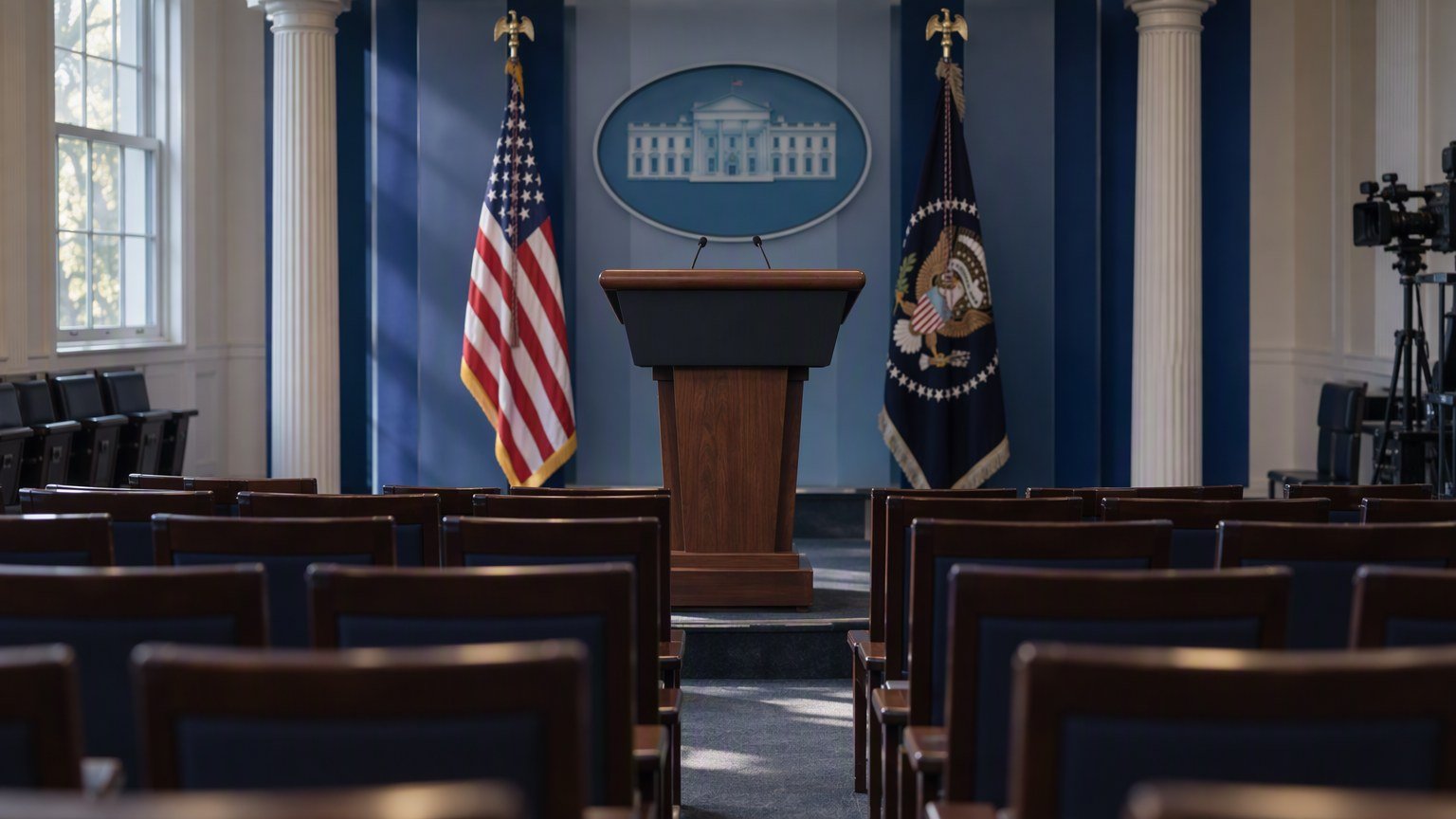
So here’s a fun legal theory for you: the president of the United States gets to decide, all by himself, who counts as “professional” enough to cover him. That’s basically the argument the Justice Department just made in federal court, and I have to say, it’s a doozy. CNN, MS NOW and Politico…
So here’s a fun legal theory for you: the president of the United States gets to decide, all by himself, who counts as “professional” enough to cover him. That’s basically the argument the Justice Department just made in federal court, and I have to say, it’s a doozy. CNN, MS NOW and Politico all got frozen out of the White House, and when a judge told the administration to knock it off, the DOJ came back swinging with the claim that Trump has the legal right to boot any outlet he decides doesn’t meet “minimum requirements of professionalism.”
Minimum requirements of professionalism. Sit with that phrase for a second. Who’s grading this? Is there a rubric? Because last I checked, there’s no accredited journalism board handing out gold stars, and there sure isn’t one housed inside the Oval Office.
How We Got Here
Last month a federal judge granted CNN, MS NOW and Politico a temporary restraining order, which forced the White House to reinstate dozens of reporters who’d been locked out of briefings, pool coverage, all of it. That’s not a small thing. Dozens of journalists, cut off, then ordered back in by a court. The fact that it took a judge stepping in to make that happen should tell you something about how far this had gone. The administration's broader push behind the DOJ's White House ban gambit shows this fight is far from over.
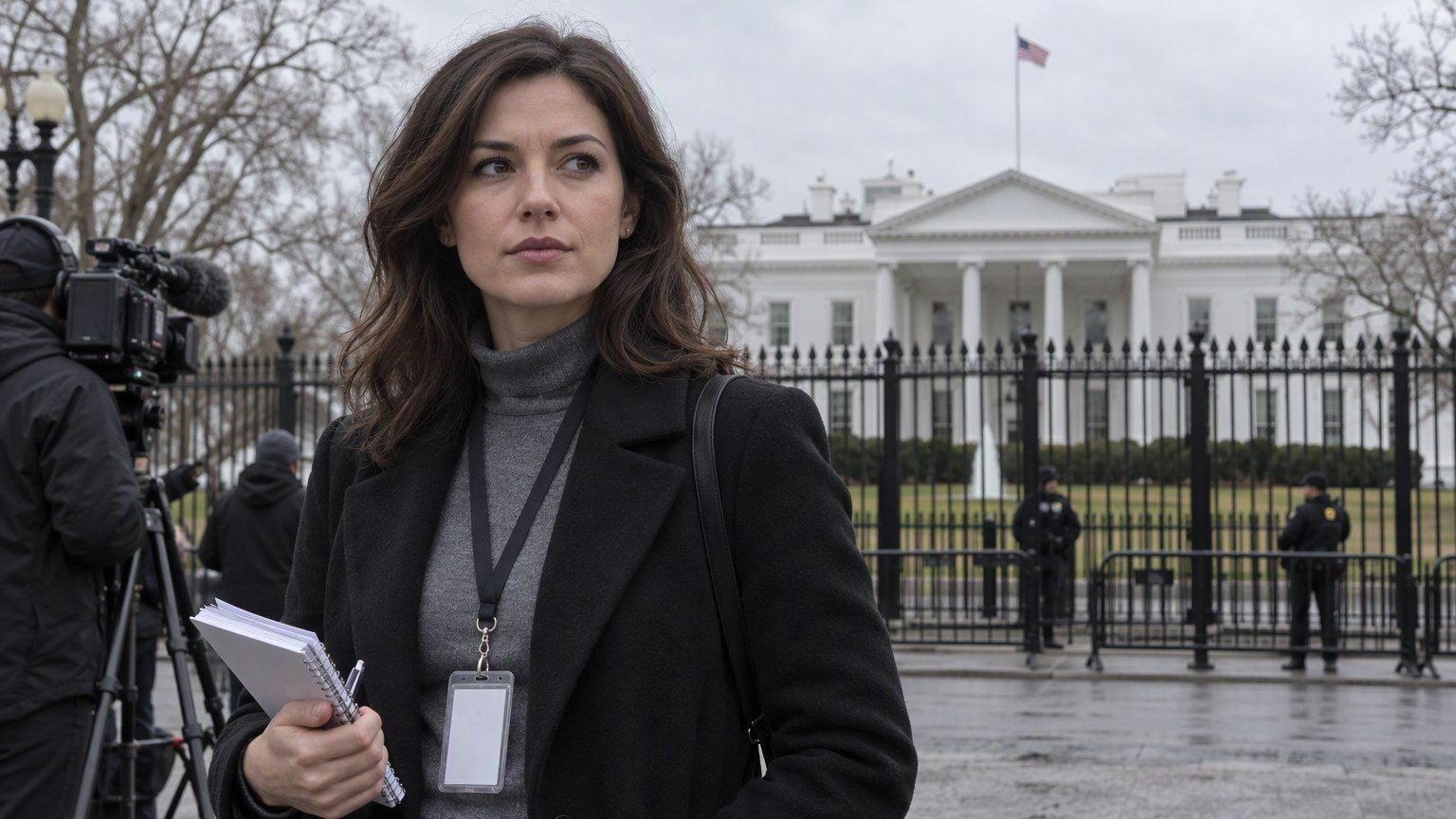
Now the DOJ is fighting that order, and their argument is basically: trust us, the president knows unprofessional journalism when he sees it. I mean, come on. That’s not a legal standard, that’s a vibe. And vibes are a pretty shaky foundation to build First Amendment law on.
What “Professionalism” Actually Means Here
Let’s be honest about what’s actually happening. This isn’t about professionalism. It’s about coverage the White House doesn’t like. CNN, MS NOW (the rebranded MSNBC, for anyone still catching up) and Politico have all run stories that have ticked off this administration at one point or another. That’s… kind of the job? Pushing back, asking uncomfortable questions, reporting things officials wish stayed buried – that’s not unprofessional, that’s just journalism doing what it’s supposed to do. It's the same instinct we saw play out when a Disney exec dodged questions about the Jimmy Kimmel saga rather than defend the network's coverage outright.
Is This Even Legal?
Here’s where it gets interesting, and honestly, a little scary if you care about how this stuff is supposed to work. The White House press corps isn’t some VIP club the president runs out of his back pocket. Access to cover the presidency has historically been treated as something close to a right, not a favor dispensed based on who’s been nice lately. Courts have leaned this way before, going back to cases involving reporters getting their press passes yanked for asking tough questions.
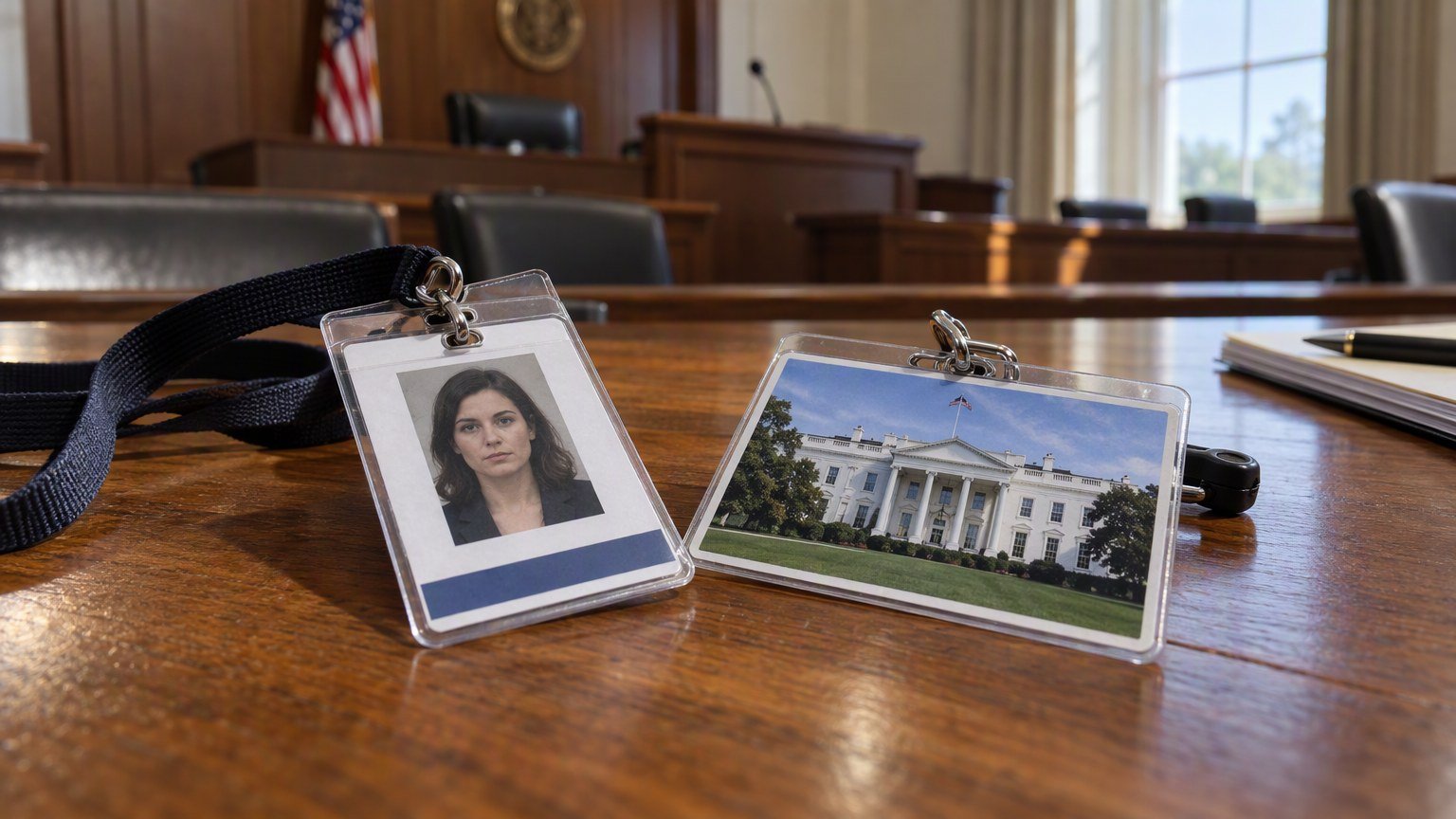
The restraining order already suggests the judge wasn’t buying the administration’s reasoning. Judges don’t hand those out for fun. They require the plaintiffs to show they’re likely to win on the merits and that they’d suffer real harm without the order. A judge looked at this situation and said yeah, these outlets have a real shot at proving their rights were violated.
“The government doesn’t get to pick its press corps based on who flatters it,” is basically the argument the outlets’ lawyers are making, and honestly? Hard to argue with that logic.
The Part Nobody’s Talking About Enough
What gets me is how brazen the DOJ’s defense is here. They’re not even pretending there’s some neutral standard being applied. They’re saying, flat out, that the president gets to be the judge, jury and executioner of what counts as legitimate journalism. That’s not a legal argument, not really. That’s a power grab dressed up in legal language.
And look, I get it, every administration gripes about unfair coverage. That’s basically a rite of passage in Washington. Obama’s people hated Fox. Bush’s team wasn’t thrilled with plenty of outlets either. But griping about coverage and literally barring reporters from doing their jobs are two very different things. One’s just politics being politics. The other one’s a First Amendment problem wearing a trench coat. That same instinct to go after perceived enemies shows up elsewhere too, like Trump defending the Cornell 7 against a prosecutor he's decided to target.
The thing is, if this argument wins, it doesn’t just affect CNN or Politico or MS NOW. It sets a precedent that any outlet, any time, can get locked out the moment it writes something a president doesn’t like. Today it’s three outlets covering a conservative administration critically. Tomorrow it could be conservative outlets getting the boot under a different administration using the exact same legal reasoning. Precedent cuts both ways, always has.
What This Actually Means
I don’t think this ends well for the White House, if I’m being honest. Courts have generally been pretty protective of press access, even when they’re not thrilled about the specific outlets involved. “I didn’t like their questions” has never really held up as a legal justification for barring reporters, and I doubt “minimum requirements of professionalism” is going to fare much better once a judge actually digs into what that phrase is supposed to mean.
But here’s what sticks with me. Regardless of how the case shakes out, the fact that this argument got made at all in federal court tells you something about where things stand right now. We’re not debating whether coverage was fair or unfair anymore. We’re debating whether the president gets to unilaterally decide who’s allowed to ask him questions. That’s a different kind of fight entirely, and it’s one worth paying attention to no matter which outlets happen to be caught in the middle of it this time.