
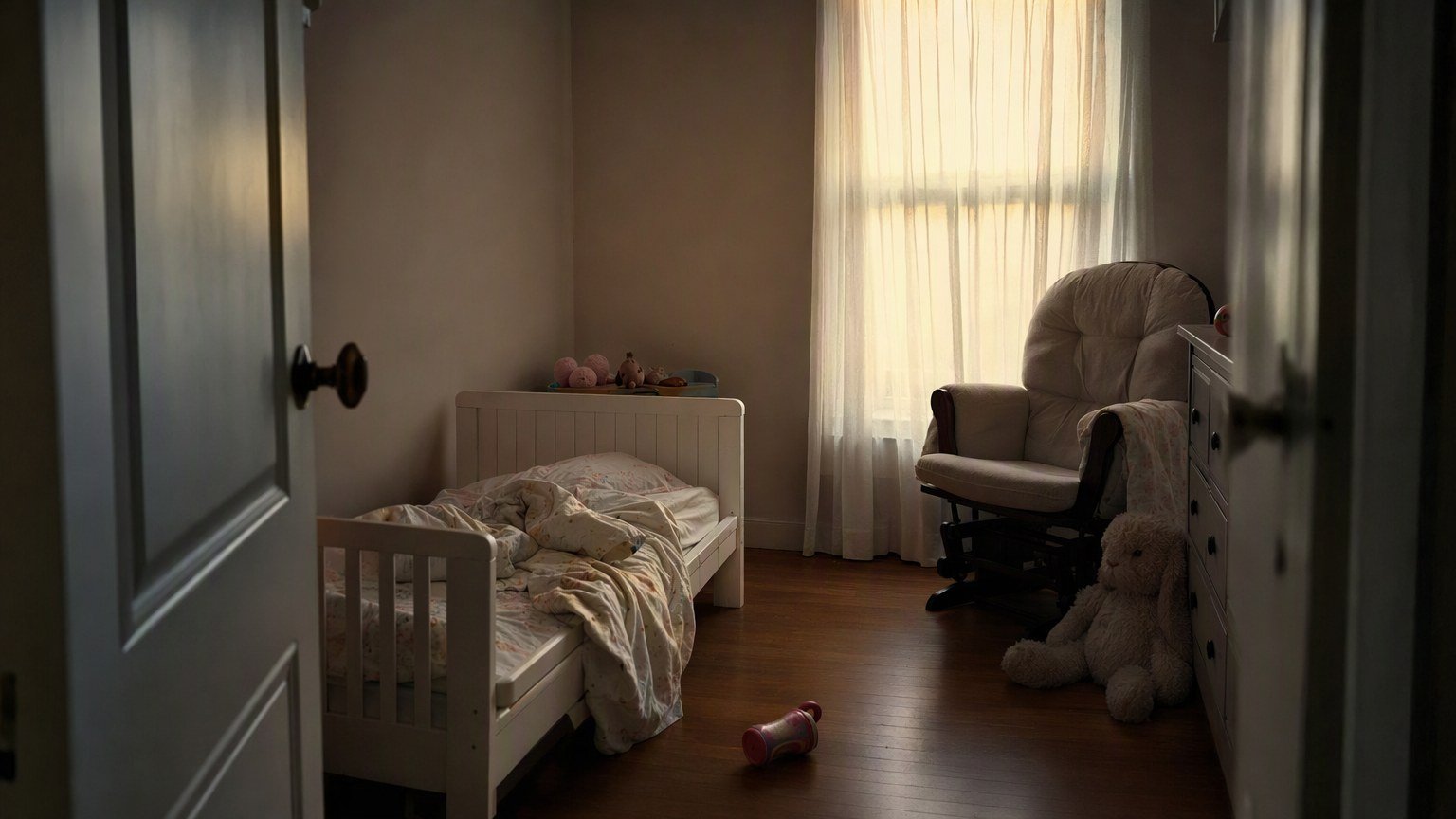
Two toddlers are dead in South Carolina, and their mother says she doesn’t remember the last two weeks. Doesn’t remember feeding them. Doesn’t remember giving them water. Justine Marie May, 31, walked out of her Ladson home on September 29th crying and, according to deputies, “speaking…
Two toddlers are dead in South Carolina, and their mother says she doesn’t remember the last two weeks. Doesn’t remember feeding them. Doesn’t remember giving them water. Justine Marie May, 31, walked out of her Ladson home on September 29th crying and, according to deputies, “speaking incoherently” – and inside, her daughters, ages 1 and 2, were gone.
The Blur Defense
Here’s what gets me about this case. May told detectives she’d been in a “blur” for two weeks. Two weeks. That’s not a bad day. That’s not even a bad weekend where you lose track of things because life got overwhelming.
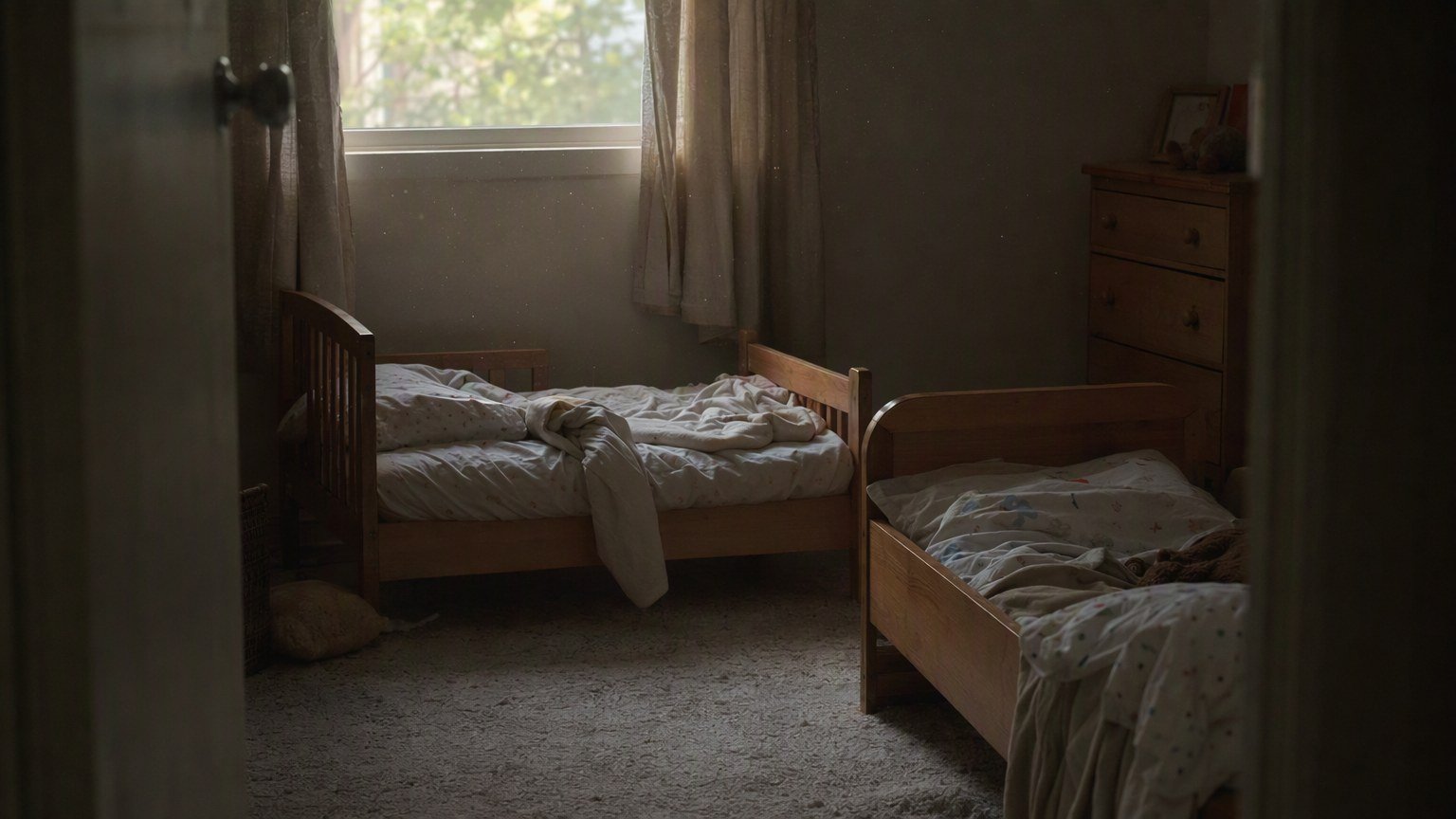
That’s fourteen days. And somewhere in those fourteen days, two little girls – babies, really – needed food, needed water, needed someone to notice they existed. The arrest affidavit says May “did not remember” the last time she fed them or gave them something to drink. I mean, I’ve had rough patches where I forgot to return emails or missed appointments, but you don’t forget to feed children for two weeks. You just don’t.
Deputies showed up for a welfare check on Tuesday afternoon along with a family case worker. Someone called. Someone knew something was wrong. But they were too late.
What Actually Happens in Two Weeks
Let’s be real about the timeline here. A toddler can’t go two weeks without food and water. They can’t go two days without water, honestly. So either May’s memory is a lot more selective than she’s letting on, or something else was happening in that house that she’s not saying out loud yet.
The thing is, “I don’t remember” works great when you’re talking about where you left your keys or whether you locked the door. It doesn’t work when two children are dead and you’re the only adult in the home.
But What About Mental Health?
Look, I’m not unsympathetic to the idea that May might’ve been going through something. Postpartum depression is real. Psychotic breaks happen. Severe mental illness can absolutely make people lose touch with reality in terrifying ways. A similar mental-illness defense is already playing out in Massachusetts, where a judge recently denied Lindsay Clancy's bid to walk free.

But here’s where I struggle – and maybe you will too. If May was really in such a dissociative state that she couldn’t remember feeding her own children, wouldn’t there be other signs? Wouldn’t neighbors have noticed? Wouldn’t the house have been in complete chaos? These are questions investigators are probably asking right now, and honestly, they’re questions that don’t have easy answers. In another household entirely, it took an 11-year-old punching through drywall and escaping through a closet before anyone realized what was happening inside.
“She was crying and speaking incoherently when she walked outside.”
That’s what the affidavit says. And maybe that was genuine shock and grief. Or maybe it was the moment reality came crashing back and she realized what had happened. We don’t know yet.
The Pattern We Keep Seeing
What frustrates me – and I’ve covered too many of these cases – is how often we hear about welfare checks that come just a little too late. Someone was worried enough to call. The system responded. But those babies were already gone by the time anyone opened that door.
Charleston County has charged May with homicide by child abuse, which tells you what investigators think happened here. That’s not a charge you file when you think someone just had a mental health crisis and made a tragic mistake. That’s a charge that says you believe someone’s actions (or lack of actions) directly caused these deaths, and they should’ve known better.
And actually, that’s probably the right call. Because at some point – maybe day three, maybe day five, definitely by day ten – there would’ve been signs that those girls were in distress. Crying that wouldn’t stop. Lethargy. Physical changes. You’d have to actively ignore those signs to let two weeks pass.
What This Actually Means
I don’t know what was going through Justine May’s head for those two weeks. Maybe she really did dissociate so completely that she lost all sense of time and responsibility. Maybe there were drugs or alcohol involved that haven’t been made public yet. Maybe she was suffering from something psychiatric that made her genuinely unable to function.
But none of that changes the fact that two little girls are dead because the one person who was supposed to keep them alive didn’t. Or couldn’t. Or wouldn’t. And honestly? I’m not sure which of those options is worst.
The case is still developing, and we’ll learn more as it moves through the courts. But right now, all we’ve got are two dead toddlers, a mother who says she can’t remember, and a whole lot of questions that probably don’t have answers anyone wants to hear.