
There’s a new fat-loss drug making waves, and here’s what’s wild about it – it actually seems to protect your muscle while you’re dropping weight. I know, I know. We’ve heard this before. But stick with me, because the data on this one is kind of fascinating.
There’s a new fat-loss drug making waves, and here’s what’s wild about it – it actually seems to protect your muscle while you’re dropping weight. I know, I know. We’ve heard this before. But stick with me, because the data on this one is kind of fascinating.
The Problem Everyone Keeps Ignoring
Look, here’s the thing about rapid weight loss: your body doesn’t just burn fat. It cannibalizes muscle too. Anyone who’s ever crash-dieted knows this – you get skinnier, sure, but also weaker, more tired, kind of… deflated. The scale goes down, but you lose the stuff you actually want to keep.
This has been the Achilles heel of GLP-1 drugs like Ozempic and Wegovy. Yeah, people are losing dramatic amounts of weight. But they’re also losing muscle mass at rates that have researchers genuinely concerned. We’re talking about older adults who can’t afford to lose strength, people who need that muscle for metabolic health, for balance, for just living their lives.

And before you say “just lift weights and eat protein” – yes, obviously. But when you’re on a drug that makes you feel full after three bites of chicken, getting enough protein becomes its own challenge. The appetite suppression that makes these drugs work is also part of the problem.
Enter the New Contender
So what’s different about this drug? It’s not just another GLP-1 receptor agonist doing the same thing with a different brand name. The mechanism here seems to spare lean body mass while still delivering significant fat loss.
I’m being deliberately vague about specifics because honestly, we need to see more long-term data. But the early results show people maintaining muscle mass – or at least losing way less of it – compared to existing options. That’s not just aesthetics. That’s metabolic rate, bone density, physical function, independence as you age.
What’s interesting here is that this could fundamentally change the risk-benefit calculation. One of the hesitations doctors have had with aggressive pharmacological weight loss is that muscle loss in certain populations (elderly, already sarcopenic, metabolically fragile) might actually be worse than carrying extra fat. If you can remove that variable…
But Does It Actually Work?
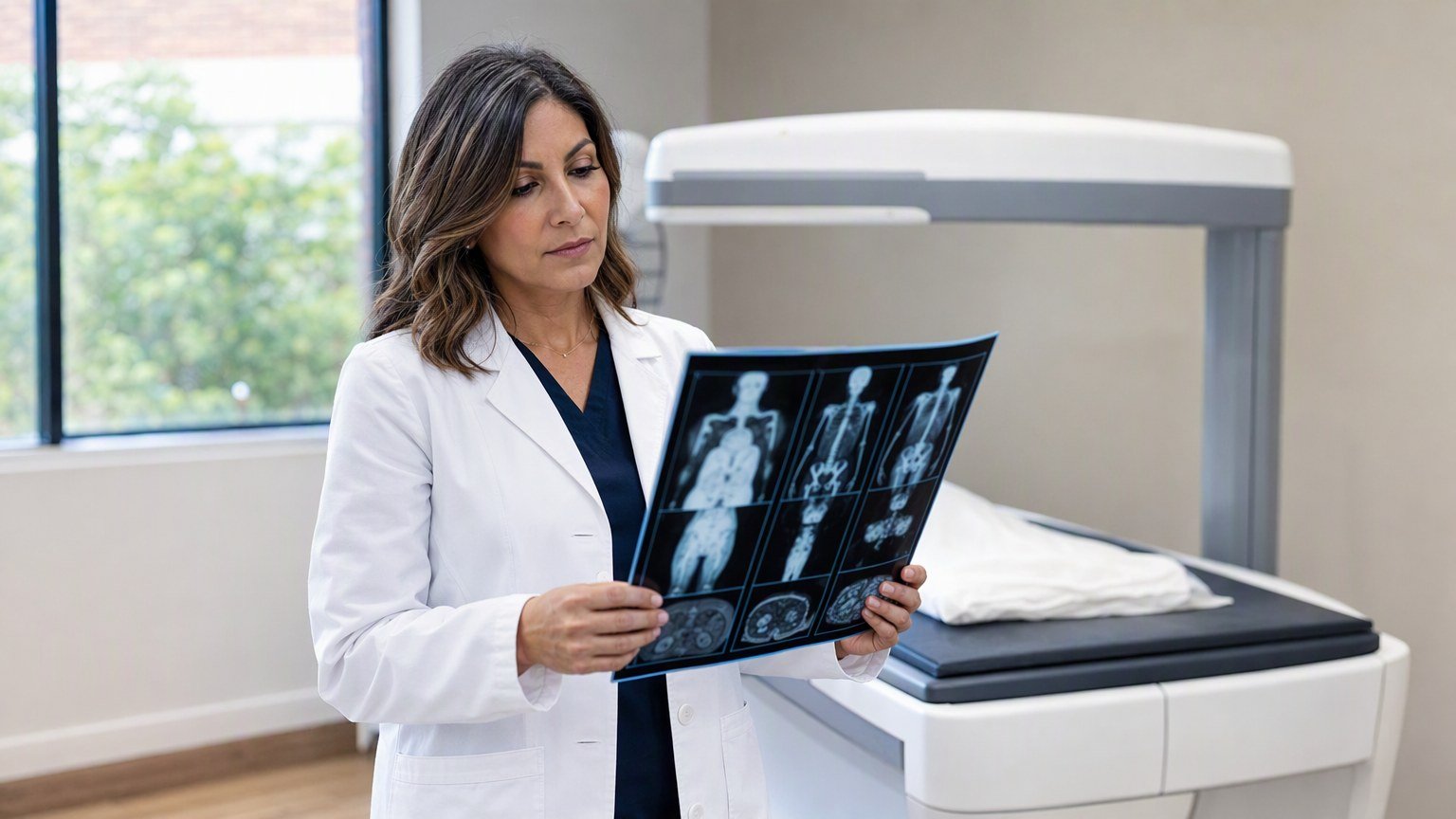
The trial data suggests yes, with the usual caveats about sample size and duration. Participants lost substantial weight – we’re talking clinically meaningful amounts – while measurements of lean body mass stayed relatively stable.
Now, I have to admit, my first reaction was skepticism. Because the history of weight-loss drugs is basically a graveyard of promising compounds that either didn’t work as well in the real world or had side effects nobody saw coming. Remember fen-phen? Yeah.
But the mechanism seems sound, at least theoretically. And the researchers involved aren’t the usual supplement-industry suspects – these are serious academic institutions with reputations to protect.
“Preserving muscle mass during weight loss isn’t just about aesthetics – it’s fundamental to metabolic health and long-term success.”
The Bigger Picture Nobody’s Talking About
Here’s what actually keeps me up at night about all this: we’re basically engineering our way around the fact that modern life makes people fat. Ultra-processed foods, sedentary jobs, stress eating, sleep deprivation, food deserts – these drugs are a pharmaceutical band-aid on structural problems.
That said (and I’m probably going to get heat for this), the band-aid might still be worth it. If you’re carrying 80 extra pounds and it’s destroying your joints, your cardiovascular system, your mental health – should you wait for society to fix itself? Or should you use the tools available now?
The muscle-sparing aspect makes this calculus even more compelling. Because one of my biggest concerns with the current generation of weight-loss drugs has been the muscle loss. You’re trading one health problem for another. But if we can preserve lean mass while reducing adipose tissue, that’s genuinely different.
What This Actually Means
We’re probably looking at a new category of metabolic drugs that do more than just suppress appetite. The goal isn’t just making people thinner – it’s improving body composition in ways that actually matter for health outcomes.
Will this drug specifically become the next blockbuster? Maybe. The pharmaceutical industry has a way of overpromising and underdelivering. Side effects could emerge. Long-term efficacy might not hold up. The price could be astronomical. There are about fifty ways this could still disappoint.
But the principle – that we can pharmacologically induce fat loss while protecting muscle – that seems to be real. And that opens doors. Not just for weight management, but potentially for age-related muscle loss, metabolic disorders, even cancer cachexia.
The question isn’t really whether this particular drug succeeds. It’s whether we’re entering an era where body composition becomes something we can actually control with precision. That’s either exciting or terrifying, depending on how you feel about medicalizing metabolism. Probably it’s both.