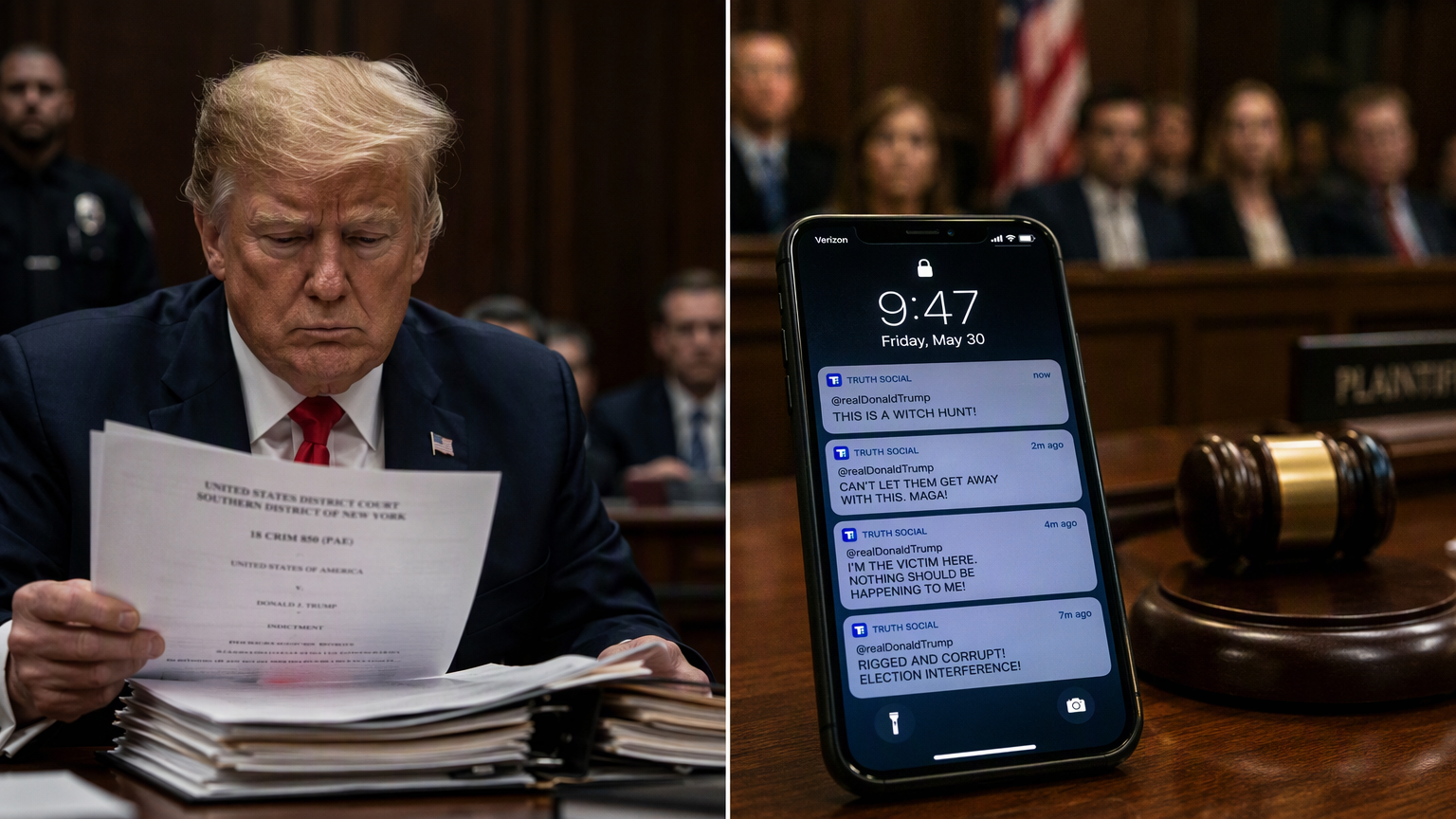
Some Republican strategist out there is about to have a very bad week, because somebody finally said “enough” and lawyered up over a deepfake. A Democratic candidate just fired off a cease and desist letter to a GOP rival, and the reason is exactly what you think: AI-generated video making it look like the candidate said things they never said. We’ve been waiting for this moment for years, honestly. The only surprise is that it took this long.
So What Actually Happened Here
Here’s the gist, based on what’s circulating. The ads in question used manipulated video and audio to put words in the Democrat’s mouth, the kind of stuff that looks real enough on a shaky phone screen or a muted TV in a diner that nobody bothers to fact check it. And that’s the whole point of these things, isn’t it? Nobody’s trying to convince a media literacy professor. They’re trying to convince your uncle who shares everything on Facebook without reading past the headline.

The cease and desist is basically a legal shot across the bow. It says, cut this out or we’ll see you in court. Whether it actually leads to a lawsuit is a different question entirely, and if I’m being honest, these letters don’t always turn into real litigation. Sometimes they’re more about optics than anything else. A way to say “look, we’re taking this seriously” without necessarily following through on the expensive, drawn out legal fight that would come next.
Why This Keeps Happening
The thing is, deepfake tech got good fast. Like, scary fast. A few years ago you needed some technical chops and a decent GPU to make a convincing fake video. Now there are apps that’ll do it for you in an afternoon. Campaigns know this. Opposition researchers know this. And apparently some of them have decided the upside of a viral fake clip is worth the risk of getting caught.
Is This Even Legal? Good Question
This is where things get messy, and not in a fun way. Election law around AI generated content is kind of a patchwork mess right now. Some states have passed laws specifically targeting deepfakes in political ads, requiring disclosure or banning them outright close to an election. Other states have… basically nothing. It’s the wild west depending on where you live, which is a wild thing to say about something as basic as “don’t fake a candidate saying stuff they didn’t say.”
Federal law hasn’t caught up either. The FEC has talked about regulating AI in campaign ads for what feels like forever, but talking and actually doing something are two very different animals in Washington. So candidates are left improvising with whatever legal tools already exist, defamation claims, false light claims, maybe copyright if their actual likeness was used without permission. It’s a patchwork solution to a problem that didn’t exist in this form a decade ago.
“This isn’t a free speech issue, this is a fraud issue. There’s a difference between satire and deception, and everybody knows it when they see it.”
Why This Matters More Than You Might Think
Look, I get it, political ads have always played fast and loose with the truth. Misleading edits, cherry picked clips, voiceovers dripping with insinuation, that’s just… campaign season, basically. We’ve seen it forever. But there’s a real difference between taking something a candidate actually said and twisting the context, versus generating footage of them saying something that never happened at all. One is spin. The other is fabrication. And once voters can’t trust their own eyes and ears, we’re in genuinely new territory here.
I’ve covered a handful of election cycles now, and the thing that strikes me about this particular moment is how fast the tools outpaced the rules. Usually technology and regulation move at different speeds, sure, that’s normal. But this gap feels bigger. Dangerously bigger. We’re talking about content that can be generated in hours and spread to millions of people before anyone with the authority to do anything about it even notices.
What’s interesting here is the strategic calculation behind sending a cease and desist instead of, say, immediately suing. It buys time. It creates a paper trail. And it puts the other side on notice that there are consequences being considered, even if those consequences are still fuzzy. Smart move, honestly, even if it ends up being mostly symbolic.
What This Actually Means
Here’s my honest take: this won’t be the last cease and desist letter of its kind, not even close. We’re going to see a lot more of these as campaigns realize AI generated attack ads are cheap, fast, and plausible enough to work on a chunk of voters before anyone debunks them. The legal system is going to keep playing catch up, state by state, because Congress sure isn’t moving with any urgency on this.
And honestly? That should worry you more than the ad itself. One fake video is a scandal. A pattern of fake videos with no real consequences is a crisis, slow moving but real. We’re watching the rules get written in real time, case by case, letter by letter, and that’s a pretty shaky foundation for something as important as whether voters can trust what they’re seeing with their own eyes.
Who’s going to actually hold the line here? Courts, lawmakers, platforms, voters themselves? Probably all of them, a little bit, eventually. The question is whether “eventually” comes before or after the damage is already done.