
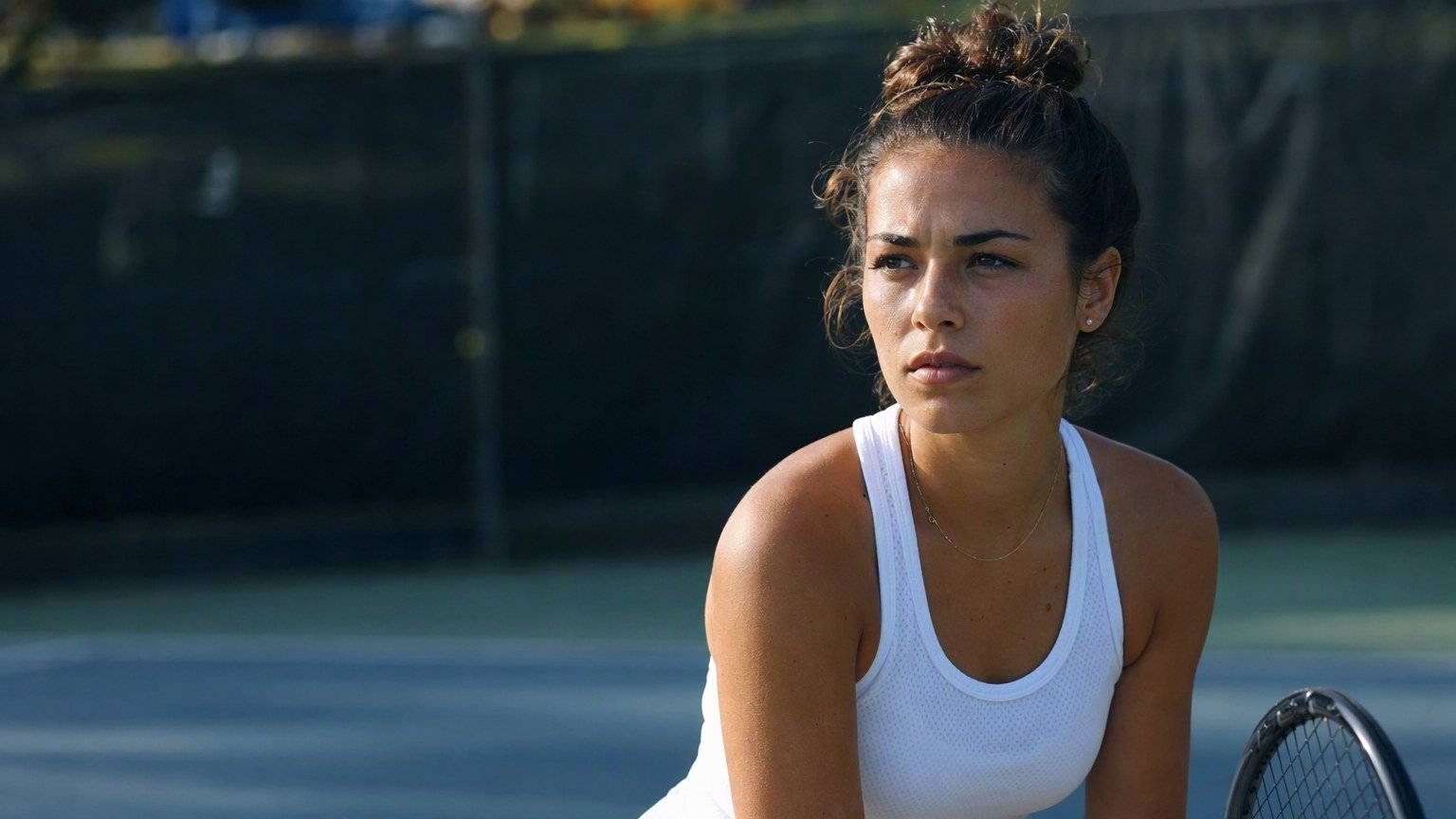
Emma Navarro spent three years quietly fighting her own body while the entire tennis world watched her climb the rankings – and most of us had no idea. That’s the part that gets me. You’re out there grinding through Grand Slam draws, dealing with brutal confusion and weight loss, and somehow…
Emma Navarro spent three years quietly fighting her own body while the entire tennis world watched her climb the rankings – and most of us had no idea. That’s the part that gets me. You’re out there grinding through Grand Slam draws, dealing with brutal confusion and weight loss, and somehow still showing up to compete. That’s not just toughness. That’s something else entirely.
What Navarro Actually Said
On Wednesday, September 30, the 25-year-old posted a lengthy statement on Instagram laying out what’s really been going on. And I’ll be honest, it’s not the kind of thing athletes usually open up about this candidly. Most keep this stuff locked down tight, worried about sponsors or competitors sniffing out weakness. Navarro didn’t do that.

“I feel compelled to share my story both out of respect for my loyal followers who have stuck with me through the highs and lows of the last year, and also in the hope that it will resonate with at least a few people who may be facing similar struggles,” Navarro wrote.
That line right there tells you a lot about why she’s doing this now. Not for sympathy, not for headlines – she’s framing it as something for her fans and for other people quietly going through the same thing. I appreciate that framing, honestly. It’s easy to roll your eyes at athlete Instagram statements (we’ve all seen the formulaic “healing and growth” posts), but this one reads like someone who actually sat down and wrestled with whether to say any of it out loud.
The Diagnosis Nobody Saw Coming
So here’s the medical piece of it. Navarro revealed that in Fall 2025, she was diagnosed with RED-S – Relative Energy Deficiency in Sport. Basically, it’s what happens when an athlete’s body isn’t getting enough energy to keep up with the demands being placed on it. Think of it like running a car on fumes but still expecting it to hit top speed on the track. Eventually something’s gotta give.
And it didn’t stop there. On top of RED-S, she was also diagnosed with Hashimoto’s hyperthyroidism. For anyone unfamiliar (I had to look this up too, not gonna lie), it’s a condition where your immune system straight up attacks your own thyroid, making it harder for the gland to pump out the hormone your body needs, according to the Cleveland Clinic. So you’ve got two conditions compounding each other, both messing with the exact systems an elite athlete relies on just to function, let alone compete at the top of women’s tennis.
Why This Hits Different for Athletes
Here’s what’s interesting – and kind of maddening – about RED-S specifically. It’s not some rare, freak occurrence in professional sports. It’s actually alarmingly common among elite athletes, especially in sports where leanness gets treated like a performance advantage. Tennis isn’t immune to that pressure, even if it doesn’t get talked about as much as it does in gymnastics or distance running.
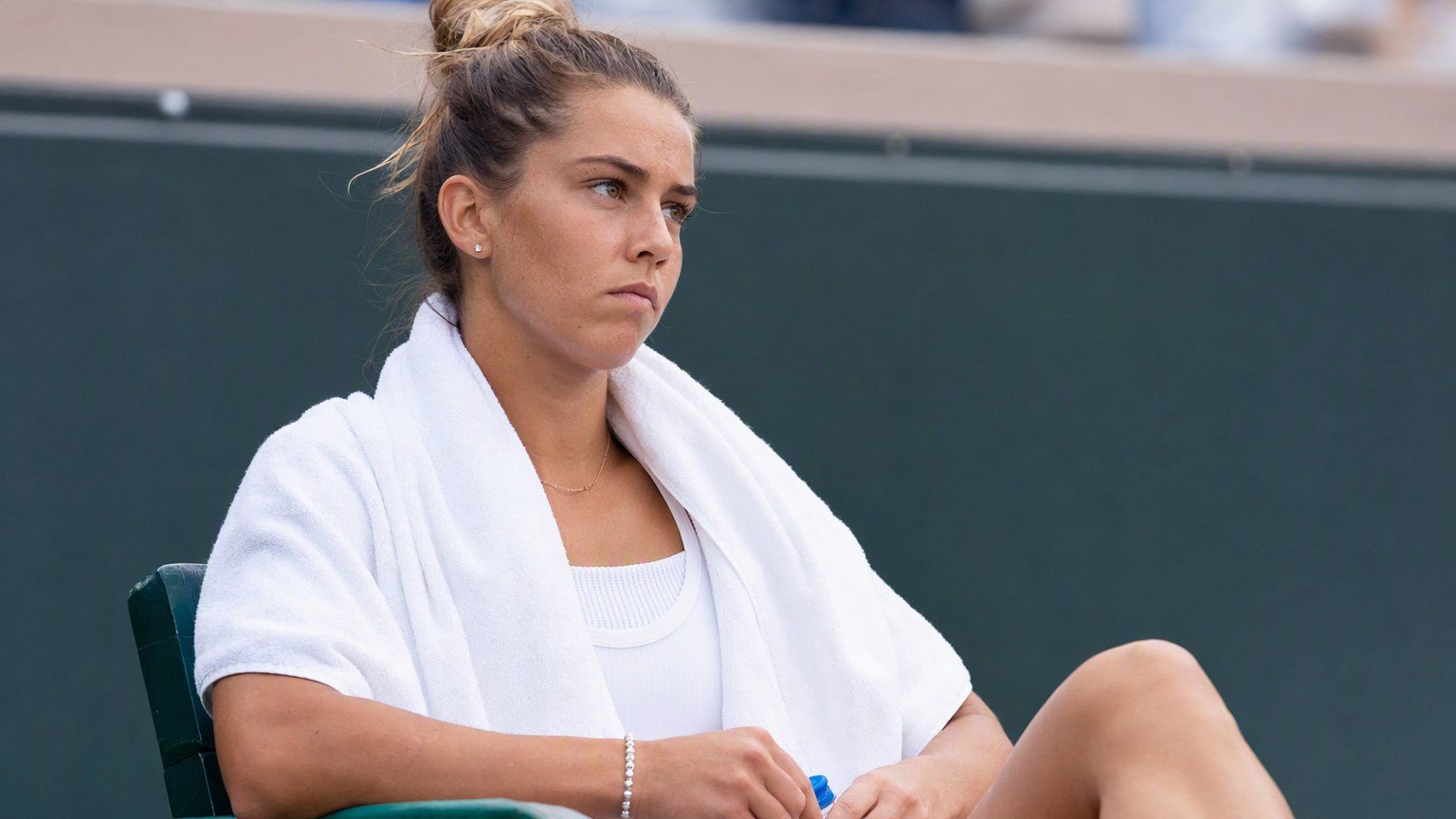
The thing is, these conditions don’t exactly announce themselves with a neon sign. Weight loss and confusion – the symptoms Navarro has pointed to – can get written off as fatigue, stress, or just the grind of a long season. I’ve seen this pattern before in other athlete stories: symptoms get normalized because, well, everyone’s exhausted all the time anyway. That’s the trap. When being depleted is the baseline, it’s brutally hard to recognize when something’s actually wrong.
“I feel compelled to share my story both out of respect for my loyal followers who have stuck with me through the highs and lows of the last year.”
Three Years Is a Long Time to Carry This
What really gets me is the timeline. Three years. That’s not a rough patch, that’s a chunk of a career. Three years of showing up to tournaments, doing press conferences, smiling for cameras, all while your body is fighting you from the inside. If I’m being real, I don’t know how athletes do that. The physical toll alone sounds exhausting, but add the mental weight of not fully understanding what’s happening to you, and it’s a wonder she kept competing at all.
It also makes you wonder how many other athletes are dealing with something similar right now, in silence, because the culture around professional sports still treats vulnerability like a liability. Navarro choosing to talk about this openly isn’t just a personal update, it’s kind of a crack in that culture. Small, maybe. But real. Busy Philipps' recent health update is another reminder that even public figures tend to sit on scary diagnoses until they're ready to talk about them on their own terms.
What This Actually Means
I don’t think this is a story about tennis, honestly. It’s a story about what elite performance quietly costs people, and how long someone can push through pain before finally naming it out loud. Navarro’s statement reads less like a confession and more like relief – the relief of not having to carry a secret through press tours and matches anymore.
Whether this changes how fans watch her play going forward, who knows. But I’d bet it changes how a few of those “similar struggles” followers she mentioned feel about their own bodies tonight. That’s probably the point.