





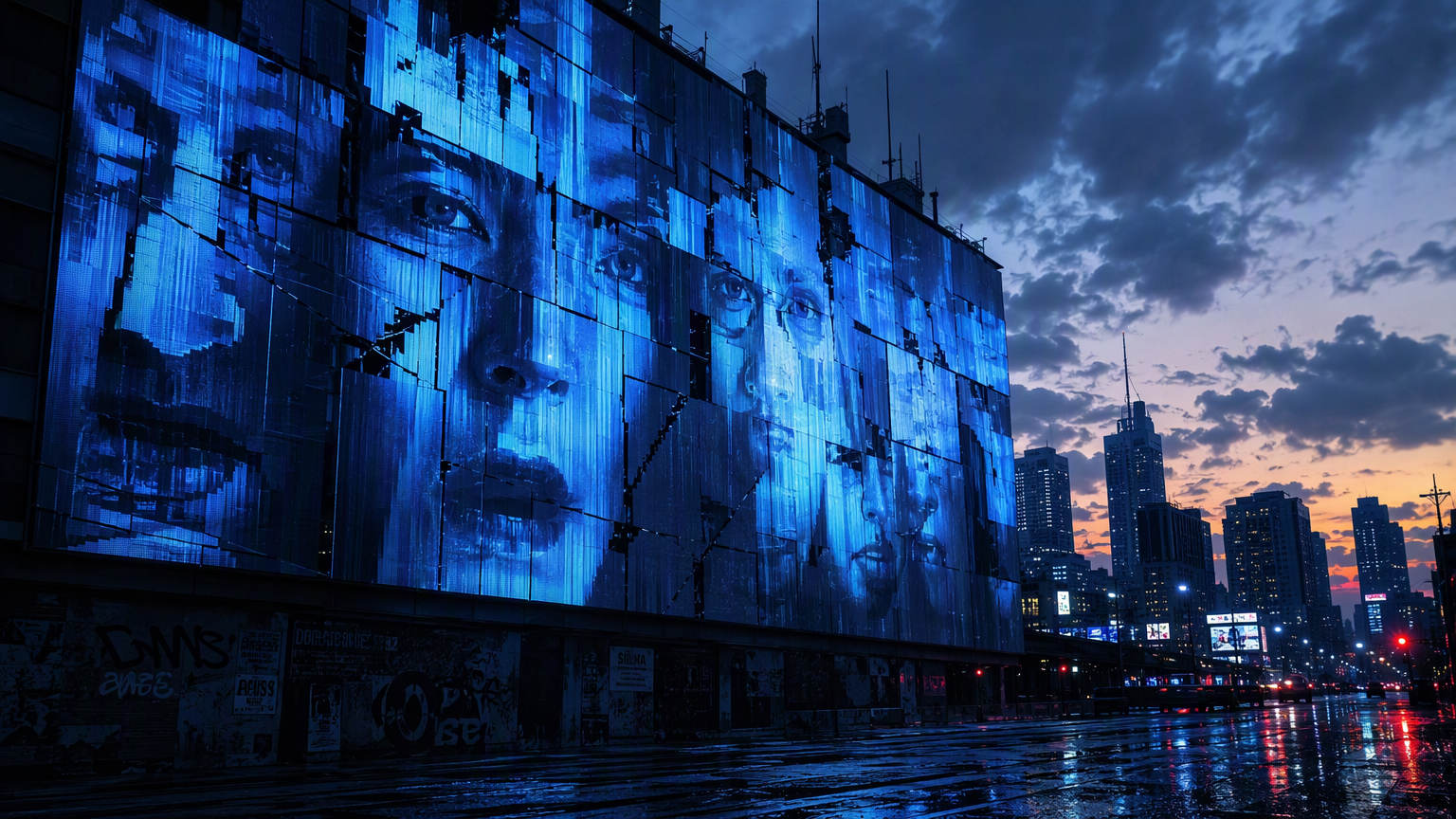
Meta just gave every brand on earth the power to generate an infinite number of ads without hiring a single photographer, model, or copywriter. It’s called Muse. And depending on who you ask, it’s either the next big leap in advertising tech or the thing that finally tips the internet over into total, unrecognizable slop. I’m leaning toward the second one, not gonna lie.
Okay, So What Is Muse Actually
Muse is Meta’s new generative AI tool built specifically for advertisers. The pitch is simple enough: feed it a product photo, tell it what vibe you want, and it spits out a full set of ad variations – different backgrounds, different models, different poses, different everything. No studio. No shoot. No awkward email thread with a photographer about usage rights. Just prompt it and go.
On paper that sounds efficient. Businesses save money, campaigns move faster, small sellers who could never afford a real photoshoot suddenly have access to polished-looking creative. Great, right?

Here’s the thing though. We’ve already seen what happens when AI tools get handed to an industry that’s incentivized to produce as much content as physically possible. Advertising doesn’t reward quality the way we’d like to pretend it does. It rewards volume. It rewards whatever gets a click. And now there’s a tool that can generate thousands of ad variations in the time it used to take to book a single shoot. That’s not a small shift. That’s an avalanche.
The Reddit Thread That Called It Early
A thread on r/technology picked up on this almost immediately, and the title basically said it all: “things may get ugly.” People in that thread weren’t talking about Muse’s capabilities in some abstract, theoretical way. They were talking about what their feeds are about to look like. More fake-looking “real” people. More ads that blur the line between content and commerce so hard you can’t tell what you’re even looking at anymore. More of that uncanny AI sheen that makes your brain itch a little.
And look, I get why Meta built this. Ad revenue is basically their whole business model. If you can make ad production cheaper and faster for literally millions of advertisers, you’re going to do it. That’s just how the incentives work. But cheaper and faster isn’t the same as better, and I think that’s the part getting lost here.
Why This Feels Different From Past AI Hype Cycles
We’ve had AI tools touch advertising before. Automated bidding, algorithmic targeting, even some basic image generation here and there. But Muse feels like a different animal because it’s attacking the actual creative itself, not just the distribution side. It’s not helping an ad reach the right person anymore. It’s generating the fake person the ad is built around in the first place.
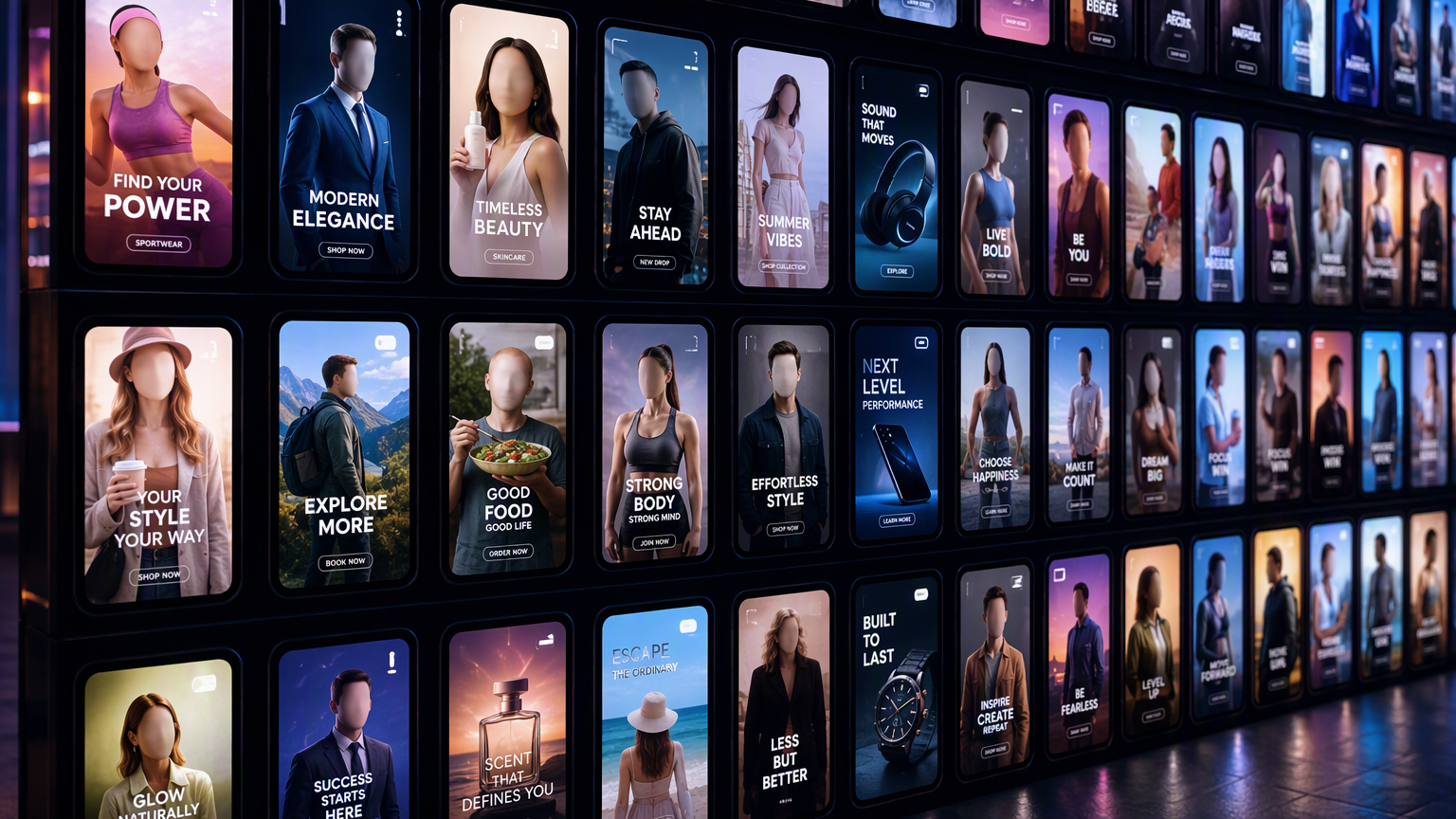
Think about what that actually means at scale. Billions of ad impressions a day, and an increasing share of them featuring people who don’t exist, in places that don’t exist, holding products in ways no human ever naturally would. From what I can tell, this isn’t a hypothetical future problem. It’s basically already happening in smaller pockets of the internet, and Muse is about to turbocharge it.
“We spent years trying to teach people to spot fake news. Now we’re flooding them with fake everything, and calling it marketing.”
I think that quote, whoever first said something close to it, nails the real issue. This isn’t really about advertising at all. It’s about trust. Every time you scroll past a photo now, there’s a tiny background process running in your head asking is this real. That process used to only kick in occasionally. Now it’s going to be running constantly, on every single post, every single ad, every single moment you spend on the platform.
Who Actually Benefits Here
Let’s be fair for a second, because small businesses genuinely might benefit. A one-person Etsy shop that could never afford a $3,000 photoshoot can now generate lifestyle images that look like they belong to a brand ten times their size. That’s a real, tangible upside. I’ve talked to small sellers before (not for this piece specifically, but in general reporting over the years) who’ve said the biggest barrier to competing with bigger brands isn’t the product, it’s the presentation. Tools like Muse chip away at that gap.
But here’s what’s interesting – and kind of worrying – about this. The same tool that helps the little guy also helps the biggest advertisers on the planet flood every available ad slot with endless variations, testing which fake scenario converts best on which audience segment. It’s not an even playing field just because everyone has access to the same tool. The companies with the budgets to run thousands of A/B tests across generated creative are going to win this arms race, same as they always have. Muse just changes what the ammunition looks like.
The “Ugly” Part People Keep Mentioning
So why does everyone keep using that word, ugly? I think it’s less about aesthetics and more about volume and sameness. When something can be generated infinitely, it tends to flatten out. You start seeing the same lighting, the same poses, the same slightly-too-smooth skin texture everywhere you look. It’s uncanny valley at platform scale. And once you notice it, you can’t really stop noticing it. I started seeing it in my own feed weeks ago and now I can’t un-see it. That specific blown-out, slightly plastic look. You know the one.
There’s also a trust erosion angle that I think gets underplayed. Right now, most people still have some baseline assumption that an ad featuring a “real” customer or a “real” model is, well, real. Muse doesn’t just blur that line, it kind of erases it on purpose. The entire feature exists to make fabricated content look indistinguishable from authentic content. That’s not a side effect. That’s the whole point of the product.
What This Actually Means
I don’t think Muse is going to destroy the internet overnight, dramatic headlines aside. But I do think it’s one more significant push toward an internet where the default assumption shifts from “this is probably real” to “this is probably generated.” We’ve been drifting that direction for a while with AI images, AI voices, AI everything. Muse just speeds up the drift specifically inside advertising, which happens to be the thing most of us encounter more than almost anything else online.
The honest question nobody’s really answering yet is what happens when users just… stop trusting ads entirely. Not in a healthy, skeptical-consumer way, but in a numb, checked-out way where nothing registers anymore because everything looks equally fake. Advertisers want attention. But attention built on content people have stopped believing isn’t worth much, is it?
Meta’s betting that efficiency wins. Faster, cheaper, more scalable ad creative, full stop. And financially, they’re probably right, at least in the short term. But I keep coming back to that Reddit thread title. Things may get ugly. Not because the ads themselves will look bad. If anything they’ll look suspiciously perfect. The ugliness is going to be what it does to how we experience the internet itself, scroll after scroll after scroll, never quite sure what’s real anymore.

