Juliette Willmann spent her career chasing mountains most people wouldn’t dream of standing on top of. On Tuesday, one of them took her – on her honeymoon, with her husband right there next to her.
Juliette Willmann spent her career chasing mountains most people wouldn’t dream of standing on top of. On Tuesday, one of them took her – on her honeymoon, with her husband right there next to her.
What We Know So Far
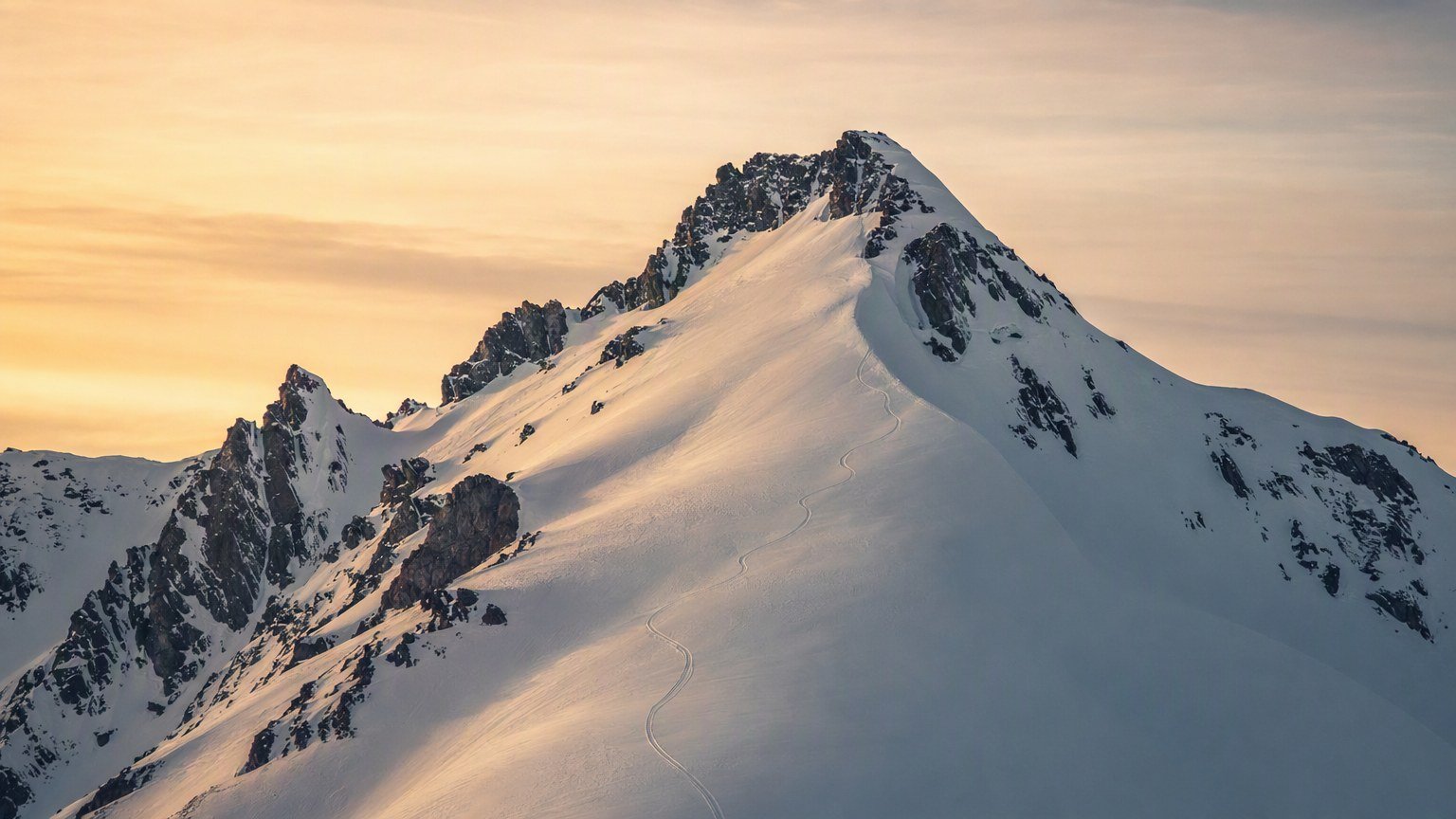
The 29 year old professional skier was in Argentina’s Patagonian Andes with her husband, Pierre-Idris Mehdi, 30, when an avalanche let loose on Cerro Creston around 12:30 p.m. local time on Tuesday, September 29. Willmann got swept 1,300 feet down the mountain. Thirteen hundred feet. By the time it stopped, she was buried under five feet of snow, according to a release from the government of Argentina’s Santa Cruz province.
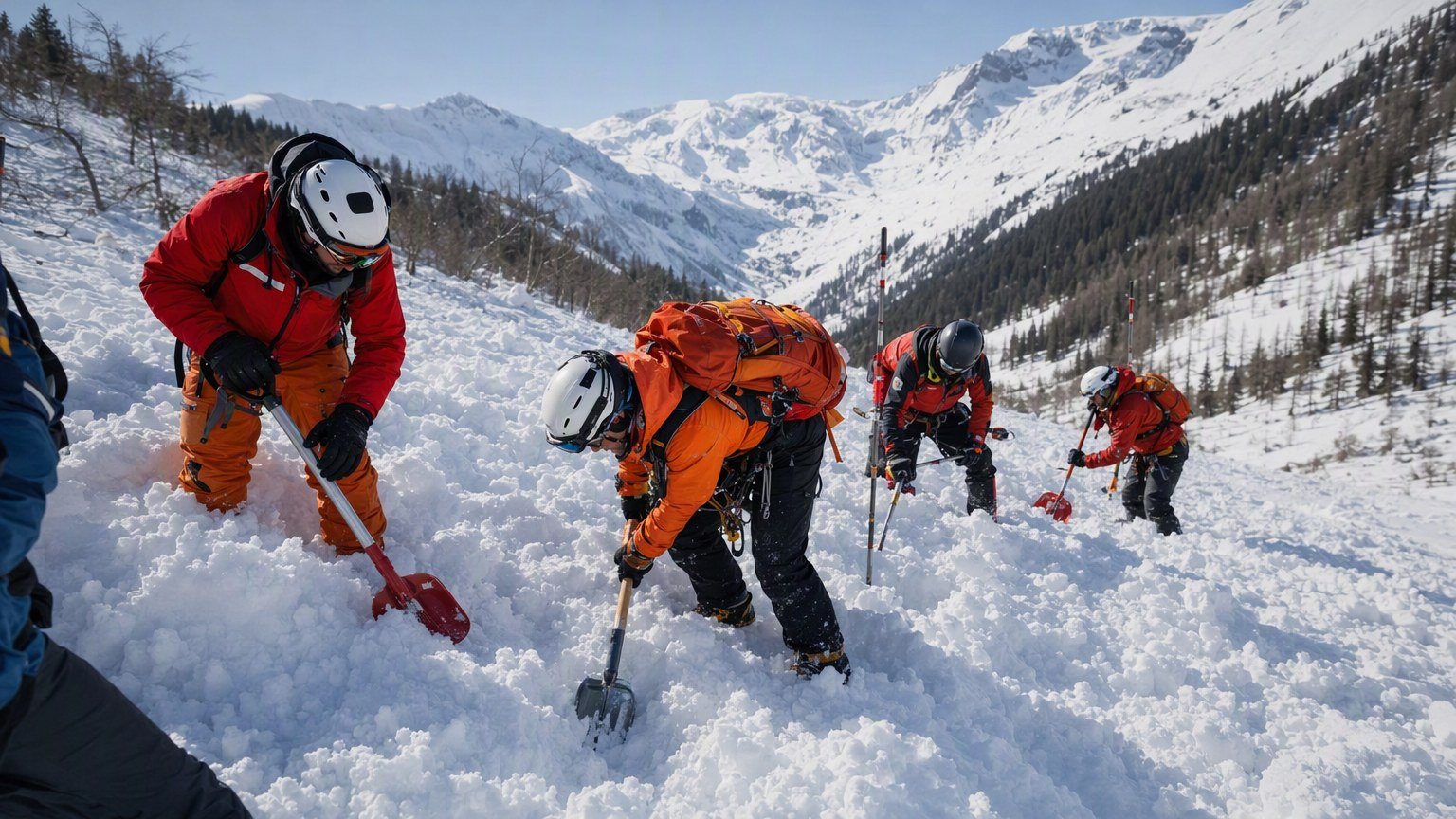
Sit with that for a second. Five feet of snow isn’t “dig yourself out” territory. It’s “a group of strangers with shovels racing against a clock they can’t see” territory. And that’s basically what happened – other skiers nearby heard it, saw it, or felt it happen and ran over to start digging, trying to get to both of them before it was too late.
Mehdi survived. He was taken to the hospital and, from what’s being reported, didn’t suffer any serious injuries. I almost called that lucky, but I don’t think “lucky” is the right word for a man who just watched his wife disappear under a mountain on their honeymoon. Willmann wasn’t so fortunate. When rescuers finally reached her, she was already unconscious.
The Rescue Attempt
This is the part that got me when I first read it. Witnesses on scene started CPR right away, and they kept going with a doctor talking them through it over the radio – because no medical professional was close enough to physically get there in time. Picture that for a second: a handful of strangers on a mountainside, snow probably still settling somewhere nearby, trying to bring someone back to life while a voice on a radio tells them what to do next. That’s about as raw and human as a rescue gets.
It didn’t work. Willmann died there on the mountain she’d come to ski.
Why Does This Keep Happening in Patagonia?
Cerro Creston isn’t exactly a household name, but the Patagonian Andes have quietly become a magnet for serious backcountry and big-mountain skiers over the last decade or so. The terrain is steep, remote, and gorgeous in that specific way that makes experienced skiers forget, or maybe just accept, how dangerous it actually is. Late September sits toward the back half of the Southern Hemisphere’s ski season, and that’s exactly when snowpack starts getting unstable from repeated freeze-thaw cycles. Warmer days, colder nights, over and over, until a slope that looked fine a week earlier doesn’t anymore.
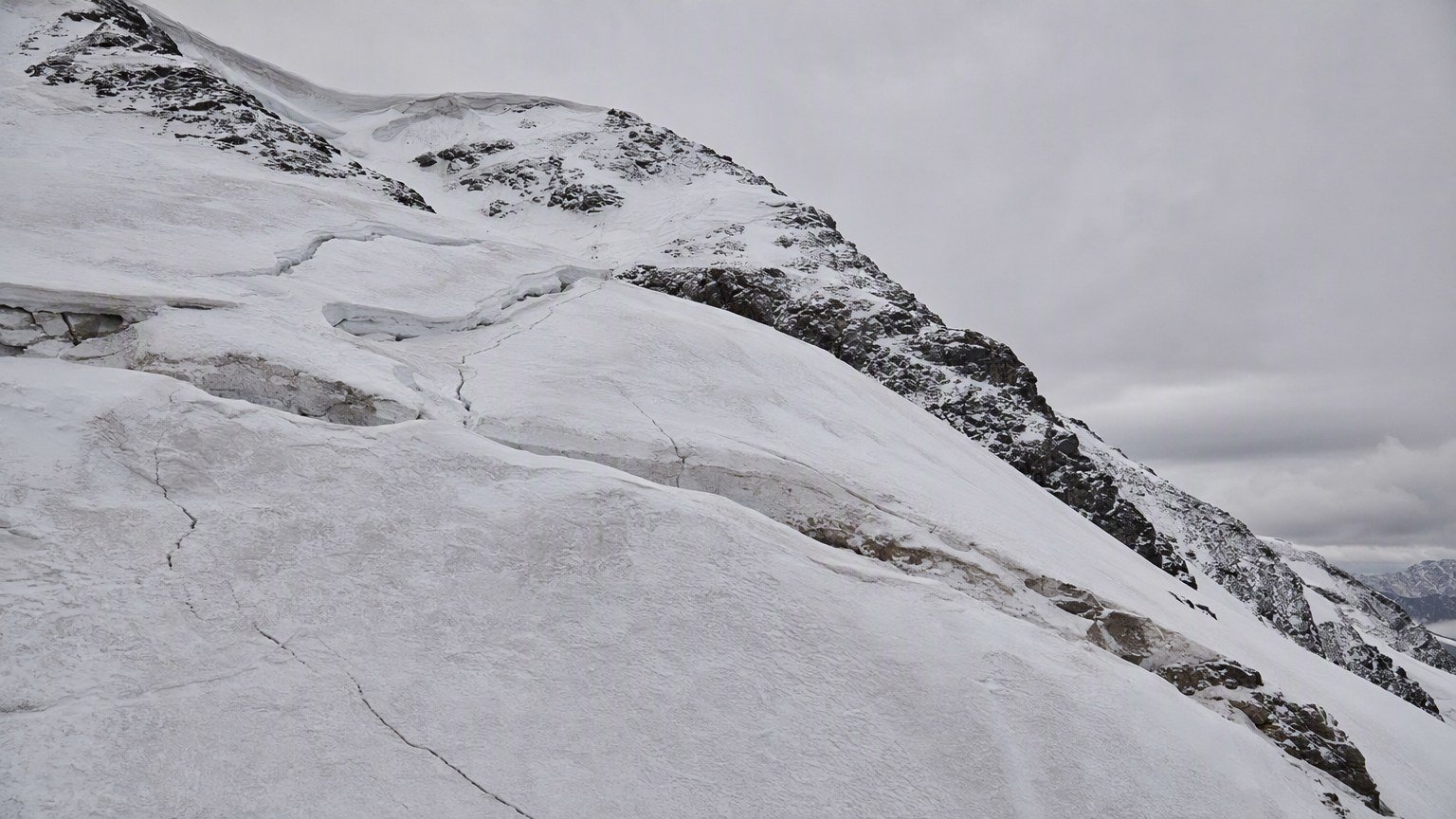
I’m not saying anyone did anything wrong here. I have no idea what the conditions actually looked like that day, and I’m not about to armchair-quarterback a tragedy I wasn’t anywhere near. But backcountry skiing, even for professionals – especially for professionals, honestly, since they’re the ones pushing into terrain the rest of us wouldn’t touch with a ten foot pole – comes with a level of risk that never fully goes away no matter how good you are. That’s the uncomfortable truth about avalanches. Skill helps you read terrain. It doesn’t make the mountain predictable.
Buried under five feet of snow, 1,300 feet down the slope – and still, a group of strangers tried to dig a couple out by hand before help could even arrive.
The Part Nobody Wants to Talk About
Here’s the thing that’s hard to sit with. Willmann and Mehdi weren’t out there training for a competition or shooting a film segment. They were on vacation. The kind of trip you take once, maybe twice, in your life, where you’re supposed to be thinking about dinner reservations and sunset photos, not snowpack stability. The fact that she was a professional skier almost makes it worse in a weird way, because it means this wasn’t recklessness or inexperience. It was just the mountain doing what mountains occasionally do, regardless of who’s standing on them.
That’s not a satisfying answer. I get it. People want there to be a lesson, a mistake to point to, something that explains why this happened so it doesn’t feel so random. Sometimes there isn’t one. Sometimes a slope lets go at 12:30 in the afternoon and it doesn’t matter how many years of experience you have strapped to your boots.
What This Actually Means
I don’t have a tidy takeaway here, and I’m not going to pretend I do. A 29 year old woman who skied for a living, who presumably knew mountains better than most of us know our own neighborhoods, died on what was supposed to be one of the happiest trips of her life. Her husband survived it. He’s going to carry that for a long, long time, and so will the people who were on that mountain trying to save her with nothing but their hands and a voice on a radio.
The mountains don’t care how good you are. They don’t care that it’s your honeymoon. People who live in the backcountry know this going in, intellectually. Knowing it and actually living through it, though, those are two very different things. Rest in peace, Juliette Willmann.