
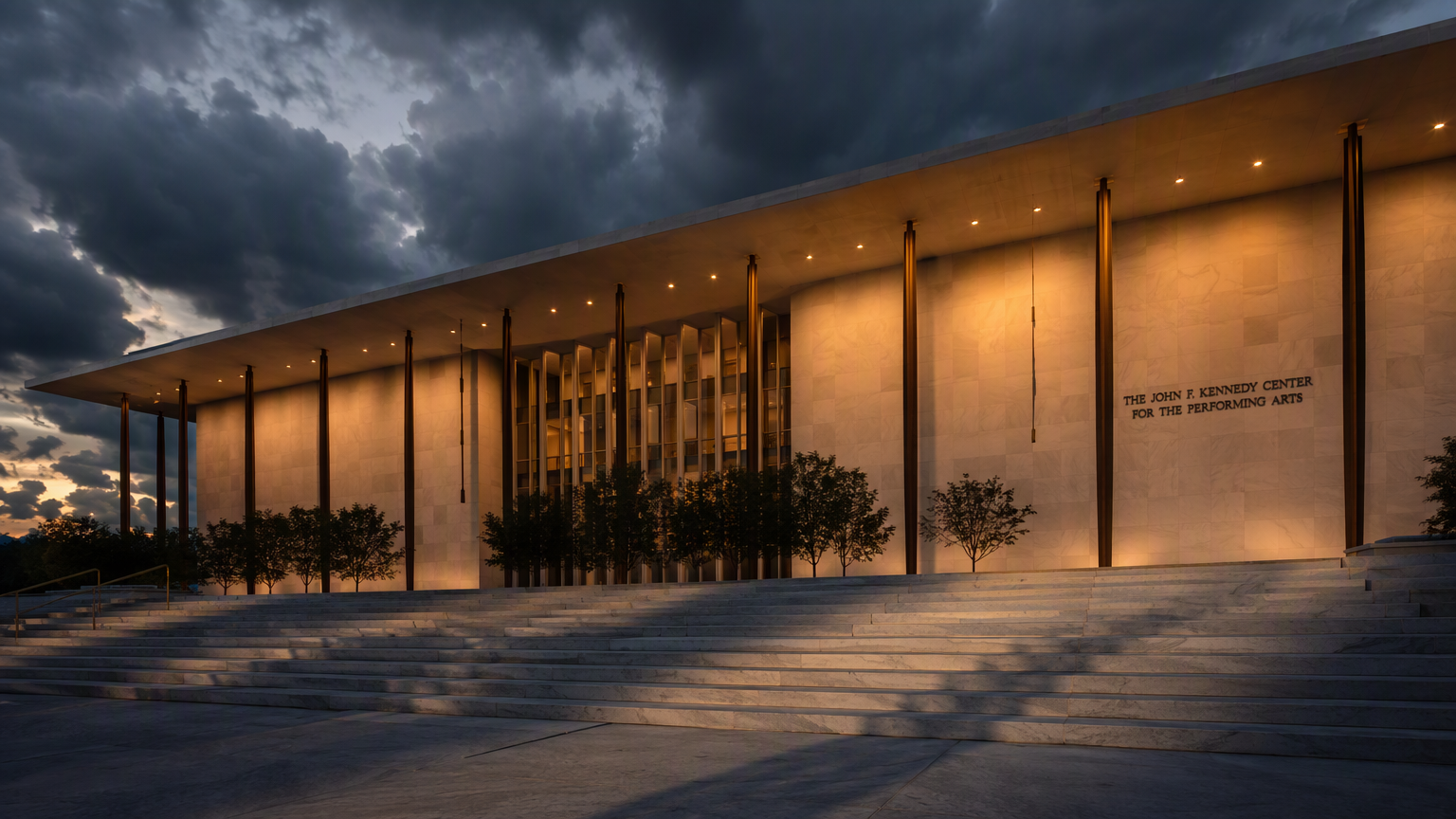
The Kennedy Center has a credit card problem. And I mean that literally, not as some cute metaphor for financial mismanagement. According to a new Washington Post report, the institution that’s supposed to be America’s premier home for the performing arts is maxing out actual credit lines while quietly siphoning money from its opera and theater programs just to keep the lights on. That’s not a rough patch. That’s a free fall.
Okay, So What Actually Happened Here
Let’s back up for a second. Earlier this year, Trump took control of the Kennedy Center’s board, fired the longtime president, and installed a bunch of loyalists to run the place – including himself as chairman, which, sure, why not. At the time, a lot of people (myself included, not gonna lie) figured this was mostly a culture war story. Drag shows canceled, programming shifted, donors upset. The usual noise.
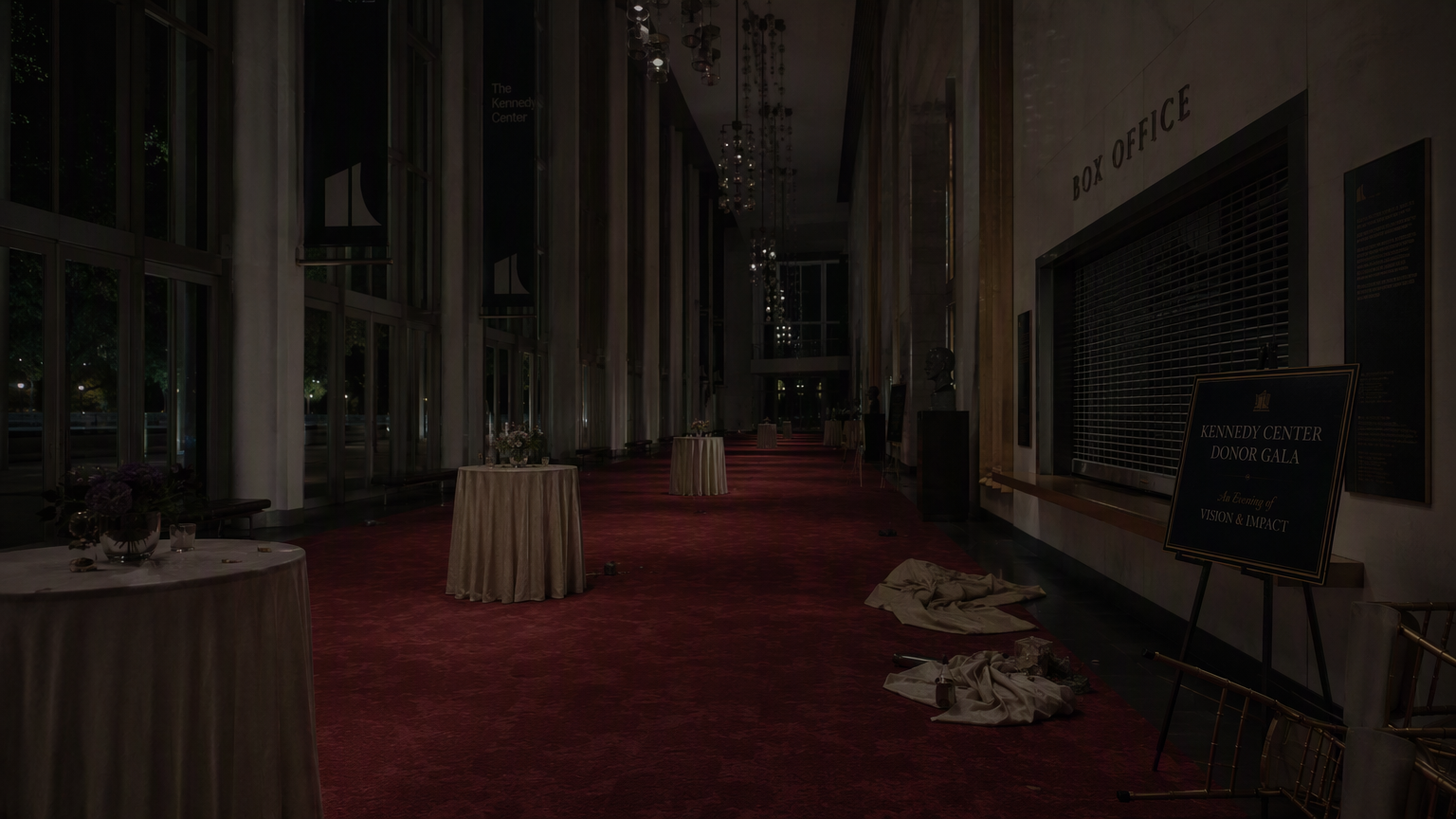
But the WaPo report digs into something way more concrete than vibes: the actual money. And the numbers are ugly. We’re talking about an institution that’s reportedly burning through its cash reserves so fast that it’s had to lean on credit just to cover basic operating costs. When you’re a nonprofit arts organization maxing out credit to make payroll, that’s not a warning sign. That’s the fire alarm already going off.
The Opera and Theater Money
Here’s the part that actually made my stomach drop a little. Funds that were earmarked for opera and theater programming – money donors gave for specific artistic purposes – apparently got redirected to cover general operating shortfalls. I’ve covered nonprofit finance before, and moving restricted funds around like that is… let’s just say it’s not something you do when things are going well. It’s the financial equivalent of raiding the couch cushions for gas money.
Why Are Donors Suddenly Running for the Exits?
This is the question that matters most, honestly. The Kennedy Center relies heavily on private philanthropy – always has. Big names, big checks, the whole ecosystem of arts patrons who see their donations as both a civic duty and a status thing (no judgment, that’s just how arts funding works in this country). And that ecosystem depends entirely on trust. Donors need to believe their money’s going where they think it’s going.

So what happens when major donors start pulling out because they’re uncomfortable with the new leadership, the new programming direction, or just the general chaos? You get exactly what’s happening now. A revenue hole that credit cards and raided program funds can only patch for so long.
“This is what happens when an institution built on trust and bipartisan goodwill gets treated like a political trophy instead of a cultural asset.”
I mean, that’s basically the whole story in one sentence, right? The Kennedy Center wasn’t just a building with a fancy chandelier and a Honor’s gala once a year. It was one of the last cultural institutions that both parties could point to and say “yeah, we built that together.” Reagan dedicated it. Clinton expanded it. Bush and Obama both showed up for the Honors every year without much fuss. That bipartisan glow was actually part of its financial model, whether anyone said it out loud or not.
The Part Nobody’s Really Talking About
Here’s what’s interesting to me, and what I think a lot of the coverage is kind of skimming past: this isn’t just a story about Trump allies mismanaging an arts nonprofit. It’s a story about what happens when you rip the political neutrality out of an institution that depended on that neutrality to survive financially.
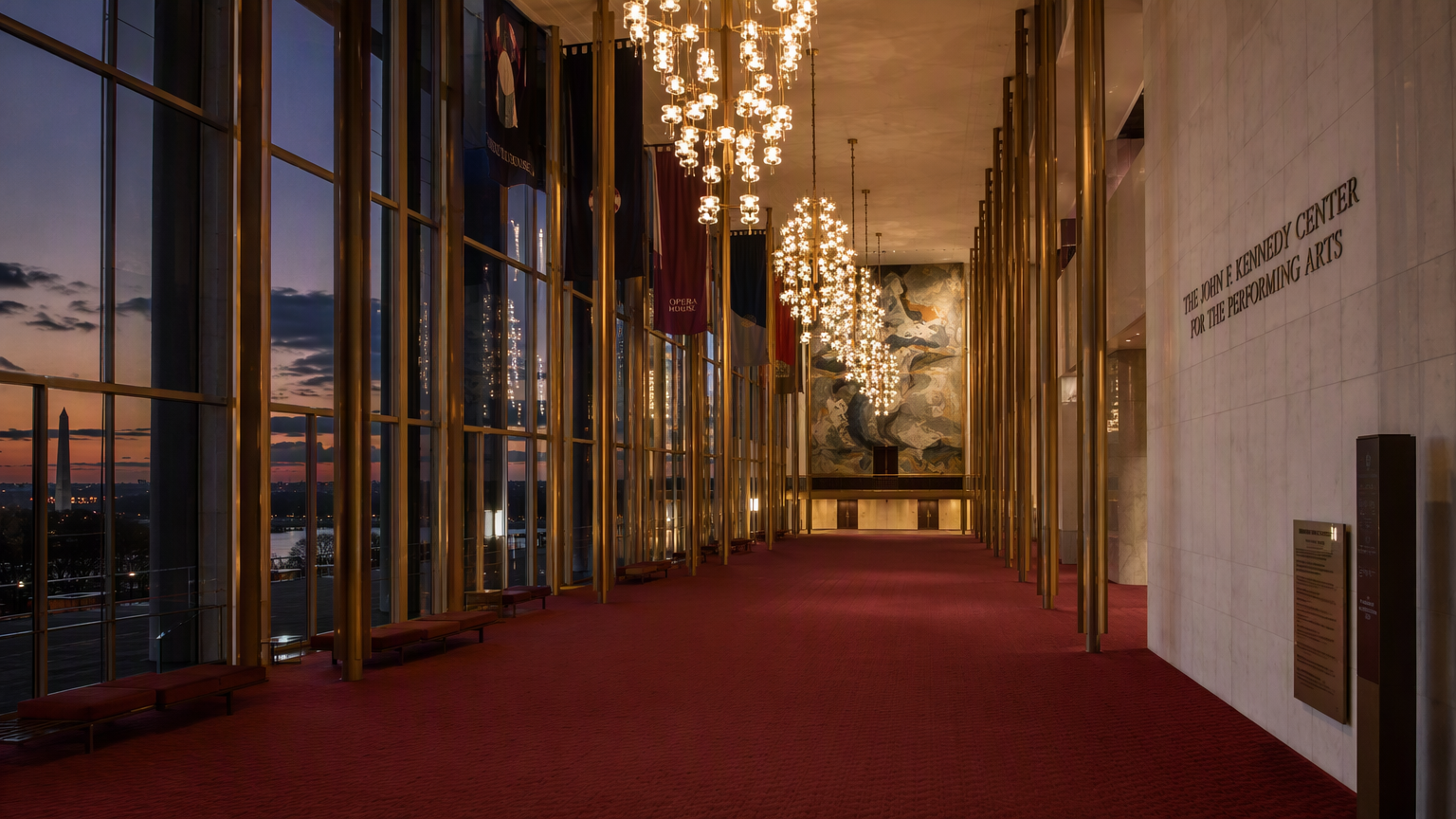

Think about it this way. Museums, symphonies, opera houses – they all rely on a donor base that spans the political spectrum. The second an institution gets branded as belonging to one team, you lose half your potential funding pool overnight. Doesn’t matter which direction it leans. A left-coded Kennedy Center would’ve had the same problem, just with different names attached to the outrage. That’s just how this works.
And from what I can tell reading through the report, that’s basically what’s happening. Corporate sponsors are getting nervous. Individual donors are quietly not renewing. Board members who might’ve written checks out of civic pride are instead watching from a distance, waiting to see how bad this gets before they commit money to an institution that’s currently a punching bag in basically every op-ed section in the country.
Ticket Sales Aren’t Saving Anyone
Some folks will point out that ticket revenue should help offset this. It won’t, not at the scale needed. Performing arts venues almost never run profitably off ticket sales alone – that’s true of Broadway, that’s true of regional theaters, that’s true of basically every opera house on the planet. The whole model is built on subsidized ticket prices plus massive philanthropic support plugging the gap. Take away the philanthropy and you don’t have a slightly smaller Kennedy Center. You have a Kennedy Center that can’t pay its electric bill.
What This Actually Means
Look, I’ve seen arts organizations struggle before. Budget cuts, pandemic shutdowns, boards fighting over direction – that’s basically the background noise of the nonprofit arts world. But this feels different. This feels like an institution actively eating itself from the inside while the people in charge seem more focused on programming fights than, you know, keeping the organization solvent.
My honest prediction? Unless there’s a serious course correction, and soon, we’re going to see program cuts, staff layoffs, and probably a very awkward moment where the Kennedy Center has to publicly ask for an emergency infusion of cash, either from Congress or from a handful of ultra-wealthy allies willing to bail it out. Neither of those is a great look for an institution that’s supposed to represent American culture at its best.
The bigger question, the one that’s going to linger long after this specific financial mess gets patched up one way or another: can an institution like this ever fully depoliticize itself again once it’s been used as a political chess piece? I don’t think there’s a clean answer to that. But if the Kennedy Center wants to stop bleeding money, that’s the question its leadership actually needs to be sitting with, not just the spreadsheet in front of them.