
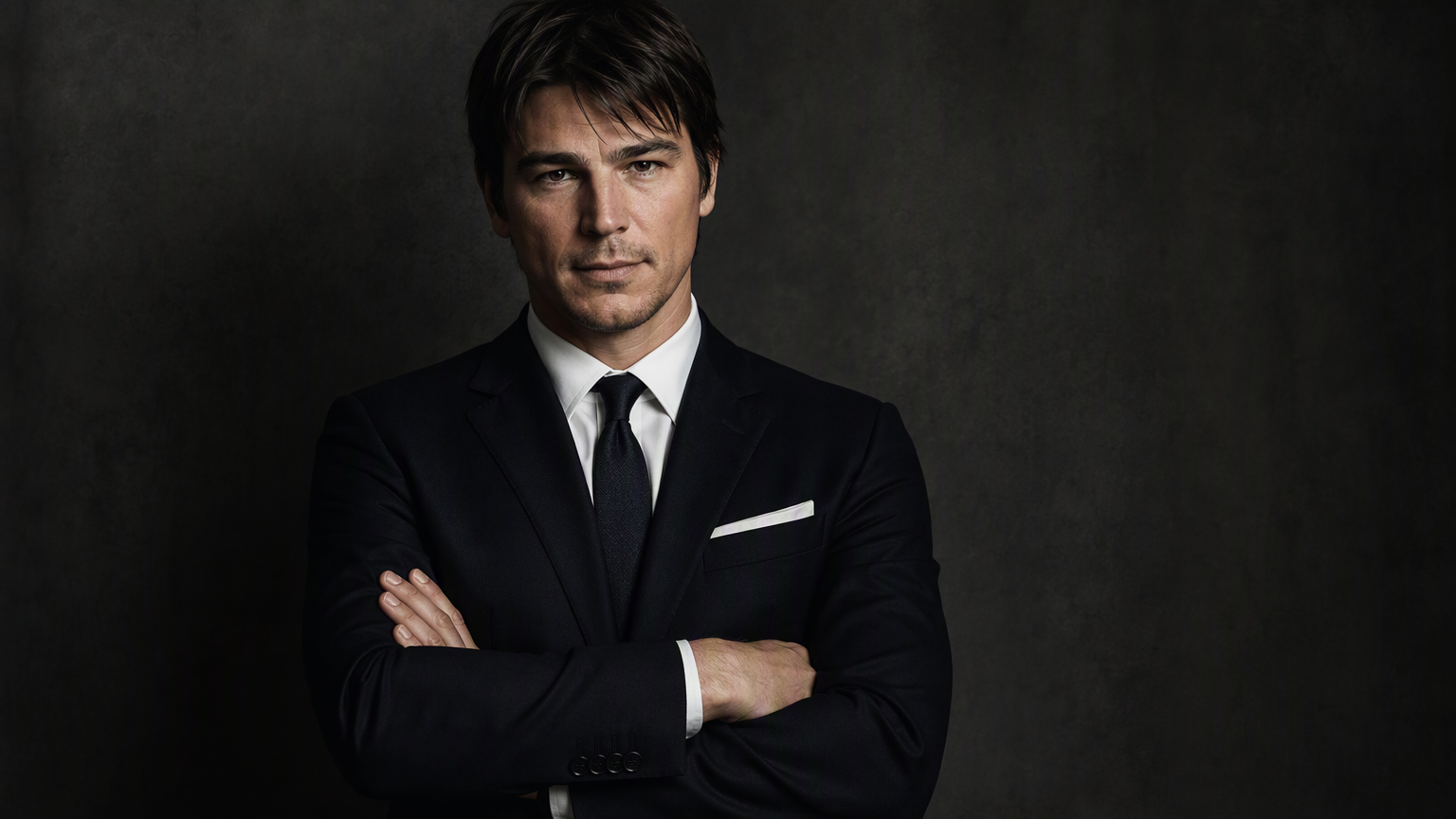
Josh Hartnett was, for about five minutes in the early 2000s, the most googled man in America. Okay, “googled” wasn’t really a verb yet back then, but you get the idea. Magazine covers, shirtless posters, the whole teen-heartthrob machine cranked up to eleven. And now, decades later, he’s basically saying: never again. “I’m not a piece of meat anymore,” he told Metro, and honestly? Good for him.
The Pearl Harbor Problem
Let’s rewind. 2001. Pearl Harbor comes out, Hartnett’s face is on every bus stop from London to Los Angeles, and suddenly he’s not an actor anymore – he’s a product. A jawline with a career attached. Black Hawk Down comes right after, and then O, and then The Faculty was already in the rearview, and this guy is basically Hollywood’s golden retriever for about three straight years. Everyone wanted a piece of him. Literally, if you think about it.
The thing is, nobody really asked him if he wanted any of that. That’s kind of the whole point of what he’s saying now, decades on. He didn’t sign up to be a poster. He signed up to act. There’s a difference, and it took the industry approximately forever to figure that out – if it even has yet, which, I’m not totally convinced.
The Vanishing Act
You probably remember when Hartnett basically disappeared for a stretch there in the mid-to-late 2000s. He turned down superhero roles. He turned down the kind of parts that would’ve kept him plastered on every teen magazine cover through 2010. People acted like he’d lost his mind. Like, why would anyone say no to that level of fame?
But here’s what I think people missed at the time – and honestly still miss – he wasn’t rejecting success. He was rejecting being reduced to a body. Those aren’t the same thing, even though Hollywood loves to pretend they are.
So Why Bring This Up Now?
Good question. Hartnett’s had a bit of a career renaissance lately – Oppenheimer, Trap, that whole M. Night Shyamalan fever dream where he plays a serial killer disguised as a dad at his daughter’s pop concert (still one of the weirder movie premises of the decade, not gonna lie). He’s back in the conversation. Which means he’s also back in the position of having to explain, again, why he doesn’t want to be treated like a cut of steak at a butcher’s counter.

“I’m not a piece of meat anymore.”
That line does a lot of work in five words. It’s not bitter, exactly. It’s more like someone who’s finally old enough, and established enough, and frankly tired enough, to just say the thing plainly. No PR spin, no careful hedging. Just: this is where I draw the line now.
The Part Nobody Wants to Talk About
Here’s the thing that drives me a little nuts about how these stories usually get covered. When a woman in Hollywood says “stop objectifying me,” everyone nods along – as they absolutely should, to be clear. It’s a real and serious problem and it deserves attention. But when a man says the exact same sentence, there’s this weird undercurrent of “well, isn’t that a good problem to have?” As if being desired is some kind of consolation prize that should cancel out the discomfort of being reduced to your abs.

It’s not. I’ve talked to enough people who lived through that specific brand of early-2000s fame – the tabloid covers, the “shirtless scene ranking” listicles, the constant reduction of a whole human being into a single physical trait – to know it messes with you. Hartnett has said before that the panic attacks got bad. That the fame itself became something he had to actively escape from, not lean into. That’s not a humble-brag. That’s a guy describing something that actually hurt.
And look, I get the skepticism. It’s easy to roll your eyes at a rich, famous actor complaining about being too attractive. I felt a flicker of that myself writing this, if I’m being honest. But then I thought about it a bit longer and, no, actually, the discomfort is real even if the circumstances are enviable. You can be lucky and still be treated like a thing instead of a person. Those two facts can coexist. They do coexist, constantly, in this industry.
What This Actually Means
So what happens now? Probably not much changes overnight, if I’m being realistic. The machine that turns young actors into merchandise doesn’t exactly listen when one guy, even a semi-famous one, pushes back. But I do think Hartnett’s comments matter more than they might seem at first glance, mostly because of the timing. He’s not saying this at 24, fresh off Pearl Harbor, trying to manage his image. He’s saying it now, with two decades of hindsight, a genuinely great run of recent work, and basically nothing left to prove.
That’s a different kind of statement. It’s not a young actor trying to seem deep. It’s someone looking back at what actually happened to him and naming it plainly, finally, without worrying about how it’ll play in the press. Whether Hollywood actually learns anything from it… I’m not holding my breath. But it’s worth sitting with the fact that even the guys who “had it all” back then – the covers, the box office, the whole heartthrob package – walked away from a chunk of it because being wanted that badly, in that specific shallow way, just isn’t the same as being seen.