So we’re doing this again. The federal government just rolled back fuel economy standards to roughly where they sat back in 2014, and if that gives you a weird sense of deja vu, you’re not imagining it. This is at least the second major rollback in five years, and honestly, I’ve lost count of how many times we’ve watched this exact policy ping-pong back and forth like it’s some kind of national indecision about whether gas mileage actually matters.
Wait, Didn’t We Just Do This?
Yeah. Back in 2020, the same basic move happened, dropping the Corporate Average Fuel Economy (CAFE) target down to around 40 mpg from the more ambitious Obama-era goals that were pushing automakers toward the mid-50s by the early 2030s. Now we’re not just holding the line, we’re cutting it again, down to somewhere around 35 mpg. That’s not a tweak. That’s a full-on reversal, and it lands us basically back where things stood over a decade ago.
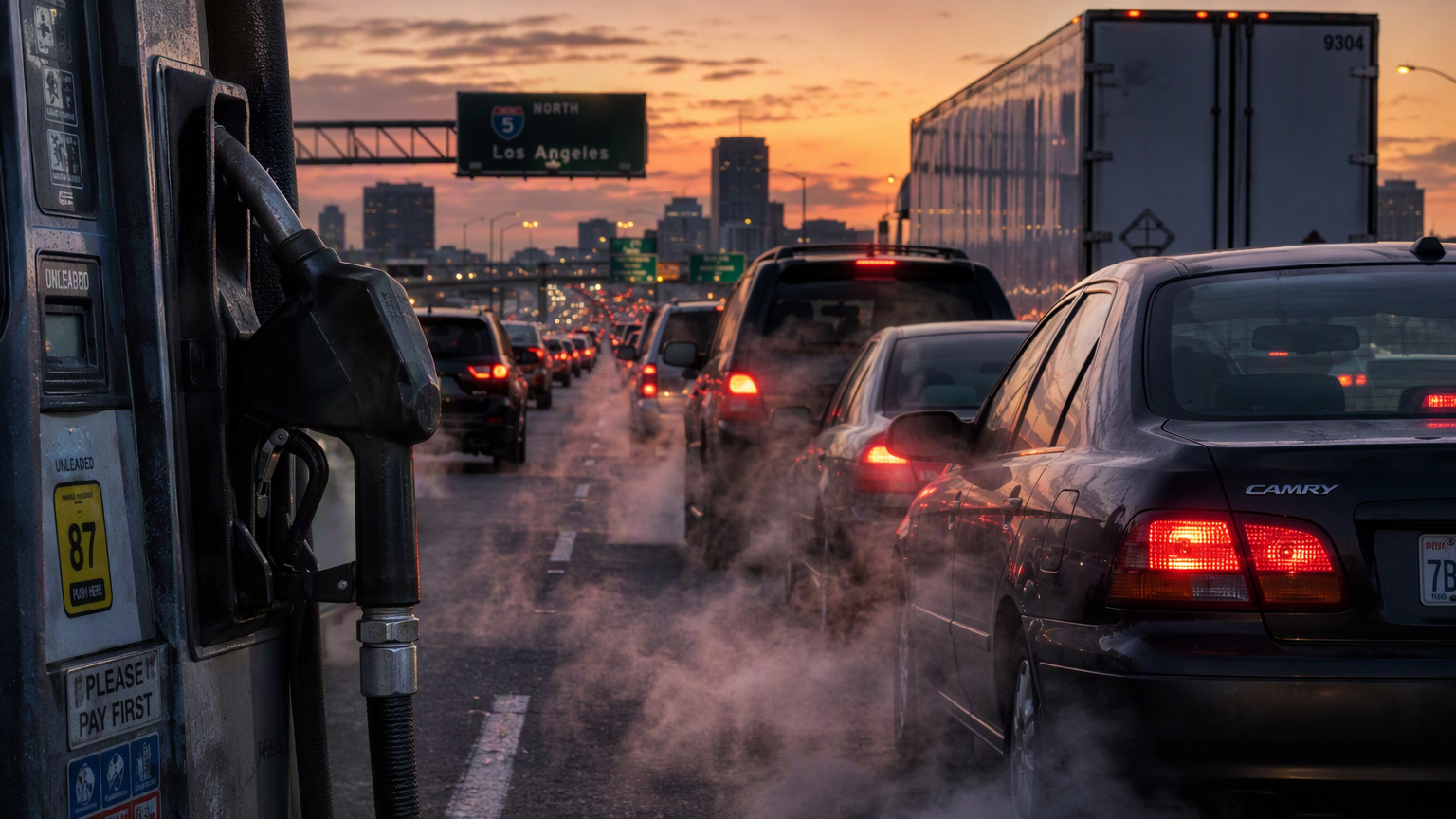
Let that sink in for a second. Ten years of supposed progress, gone, at least on paper. Automakers spent that decade investing billions into more efficient engines, hybrid systems, and EV platforms partly because the regulatory writing was on the wall. Now the wall’s been repainted. And look, I get that policy isn’t supposed to be permanent and unchangeable, but whipsawing an entire industry’s product planning every few years isn’t exactly a recipe for stability either.
The Numbers, Because They Matter
Here’s the thing about mpg standards that gets lost in the political noise: this isn’t some abstract regulatory number. It’s real gas money out of real people’s pockets. The difference between a fleet averaging 40 mpg and one averaging 35 mpg adds up fast at the pump, especially for anyone doing real mileage, commuters, delivery drivers, rideshare folks. We’re talking potentially hundreds of dollars a year per household, multiplied across tens of millions of vehicles. That’s not pocket change. That’s rent money for some people.
Who Actually Wanted This?
Automakers, mostly. Or at least the traditional combustion-engine side of the industry, which, not gonna lie, makes sense from their seat. Building engines that hit aggressive efficiency targets costs money. Compliance costs money. And if you’re a company that’s been slower to pivot toward electrification (looking at you, several legacy Detroit brands), tighter standards feel like a countdown clock ticking against your existing lineup.
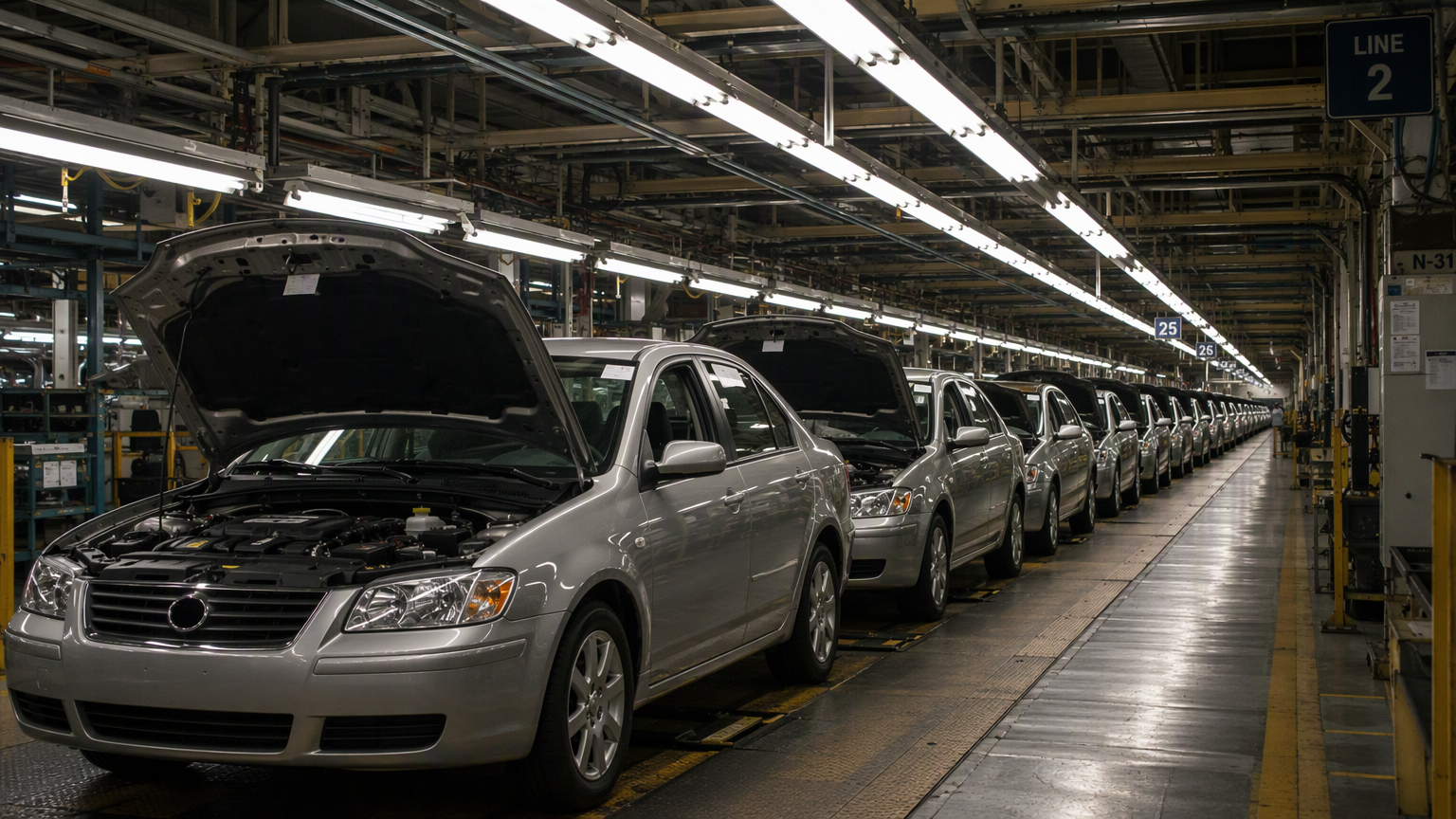
But here’s what’s interesting. Plenty of automakers had already committed publicly to electrification roadmaps assuming the stricter standards would stick around. Now some of that planning gets thrown out the window, or at least gets a lot less urgent. Which, if I’m being honest, might be exactly what a chunk of the industry was hoping for. Nobody loves being forced into expensive engineering timelines, even ones they eventually would’ve wanted.
“Every time we roll these standards back, we’re not just changing a number, we’re telling automakers the finish line moved again. That’s expensive. That’s exhausting. And it’s the consumer who ends up footing part of that bill either way.”
The Environmental Math Nobody Wants to Say Out Loud
Fuel economy and emissions are basically two sides of the same coin. Lower mpg averages mean more gas burned per mile, which means more carbon dioxide pumped into the atmosphere. There’s no way around that math, no clever framing that makes it not true. Rolling standards back to 2014 levels doesn’t just freeze progress, it actively walks it backward while the rest of the world (parts of Europe, China’s EV push, you name it) keeps tightening their own targets.
I’ve seen this pattern before, and it never seems to end well for the U.S. auto industry’s competitiveness long-term. When domestic standards go soft, American automakers sometimes get comfortable building less efficient vehicles for the home market, and then get caught flat-footed when they try to compete internationally where standards are tougher. It happened before. It could easily happen again.
What About EVs?
This is where it gets messy. Softer CAFE standards theoretically take some pressure off automakers to keep pushing EV development as aggressively, since they don’t need the fuel economy credits from electric and hybrid models to hit their fleet averages anymore. Combine that with wavering EV tax incentives and, well, you can see where the momentum might slow. Not stop, probably. EVs have their own consumer demand now that’s somewhat independent of regulation. But slow? Yeah, probably.
What This Actually Means
Look, policy swings like this always get framed as a win for someone, cheaper cars, more choice, relief for an industry under pressure. And there’s truth buried in there. But the bigger picture is messier and, honestly, a little exhausting. We keep setting ambitious targets, backing off them, setting new ones, backing off again. At some point you have to ask what the actual point of a fuel economy standard is if it changes direction every time the political wind shifts.
My honest take? This isn’t really about 2014 or 2020 or any specific year on a chart. It’s about whether we’re willing to commit to a direction long enough for it to actually matter, for automakers to plan around it, for consumers to budget around it, for the environment to benefit from it. Right now the answer seems to be no, not really. And that’s the part that should probably bother people more than the specific mpg number does.