Florence Pugh spoke out about rape. Instagram, in its infinite algorithmic wisdom, seemingly responded by making her post harder to find. And now she’s asking the question a lot of people have been asking for years but rarely get an answer to: am I being censored, or am I just losing my mind?
So What Actually Happened Here
Here’s the thing about Florence Pugh – she doesn’t really do subtle. This is the same woman who clapped back at people criticizing her body in a see-through dress a few years ago with a caption that basically told her critics where to shove their opinions. She’s built a reputation, whether she wanted it or not, as one of the few A-list actresses who’ll actually use her platform to say something real instead of just plugging her latest movie and calling it a day.
So when she spoke out about rape – a topic that, let’s be honest, most publicists would beg their clients to avoid touching with a ten-foot pole – and then noticed her reach seemingly tanking afterward, she didn’t just shrug it off. She called it out publicly. Asked, point blank, whether Instagram was quietly burying her voice because of what she said. Not gonna lie, that takes a certain kind of nerve. Most celebrities with her level of visibility would rather eat glass than accuse the platform that feeds their brand of censoring them.
Why This Isn’t Just “One Actress’s Bad Week”
The suspicious part – and I mean genuinely suspicious, not conspiracy-theory suspicious – is that this fits a pattern people have been complaining about for years. Talk about weight loss? Fine, algorithm loves it. Talk about surviving sexual assault? Suddenly your engagement craters and nobody can quite explain why.
Is This Actually Censorship, Though?
I want to be careful here because “censorship” gets thrown around online so much it’s practically lost its meaning. Sometimes a post just… doesn’t perform well. That’s real. Algorithms are fickle, chaotic things and not every dip in reach is a conspiracy.
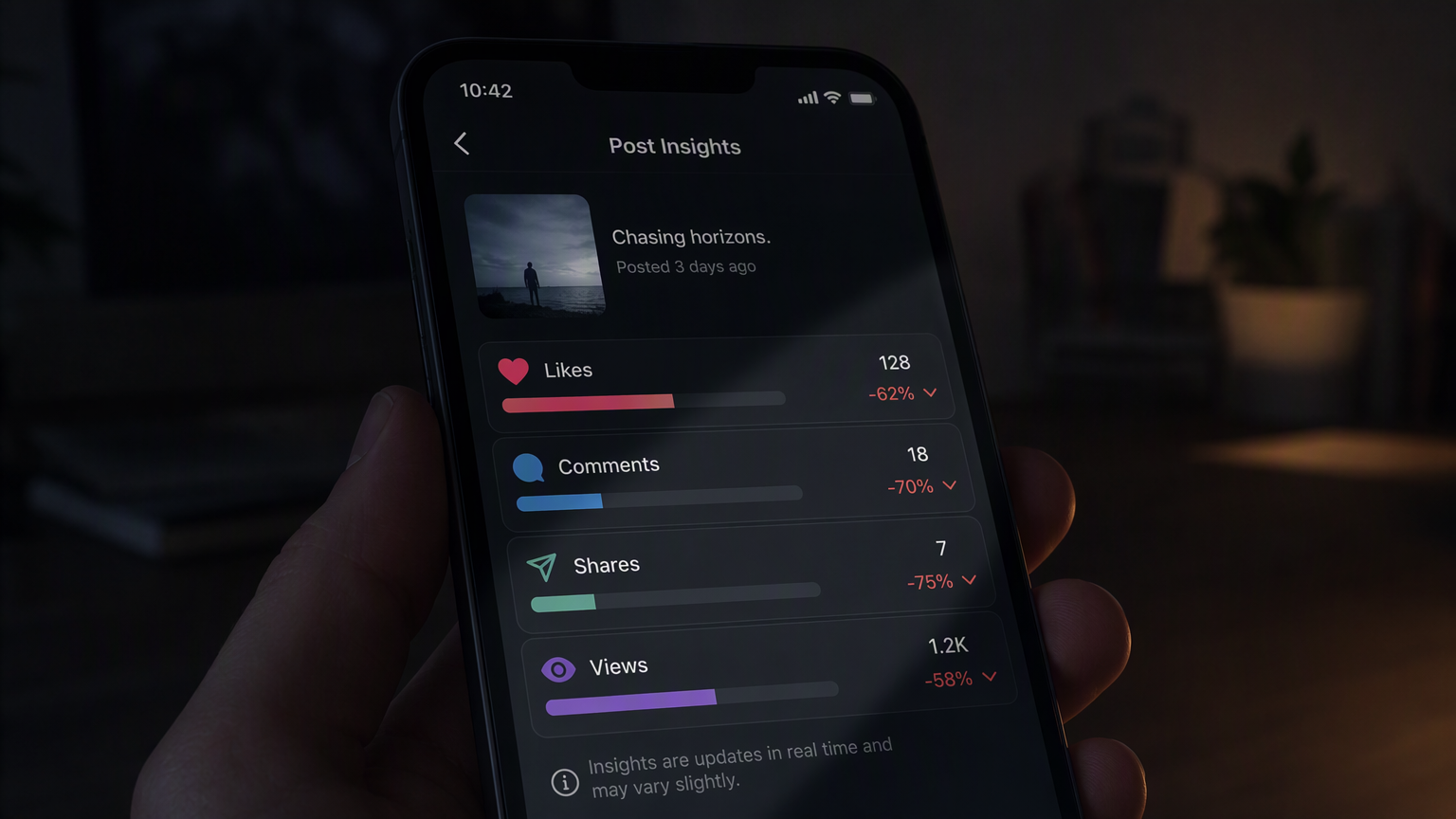
But here’s what makes this case different, or at least worth sitting with for a second: Instagram (and its parent company Meta, let’s not pretend they’re separate entities) has a documented, well-worn history of suppressing content around sensitive topics under the banner of “sensitive content” moderation. Words like rape, assault, and abuse have a track record of getting flagged by automated systems that genuinely cannot tell the difference between someone glorifying violence and someone surviving it. The machine doesn’t know the difference between a predator bragging and a victim speaking up. It just sees the keyword and panics.
“Am I being censored?” – the question at the center of all this, and honestly, one that a lot of women online have been quietly asking themselves for years.
The Bigger, Messier Problem
This is where I have to admit something that bugs me. We keep telling survivors to speak up, to use their voice, to break the silence – and then the actual infrastructure people speak up on is built in a way that quietly punishes them for doing exactly that. That’s not a small contradiction. That’s a pretty big one, and it’s been sitting there unaddressed for a long time.
Think about it from a purely mechanical standpoint. Platforms like Instagram rely on keyword flagging and engagement suppression to manage what they consider “risky” content – stuff advertisers might not want their ads sitting next to. Sexual assault, understandably, gets lumped into that risky bucket. So does discussion of self-harm, drug use, you name it. The problem is the system doesn’t distinguish context. It doesn’t know if you’re describing trauma to raise awareness or if you’re some troll being gross in the comments. It just sees red flag words and quietly throttles the post’s reach, no explanation given, no appeal process that actually works most of the time.
And look, I’ve seen this pattern before with smaller creators and survivor advocacy accounts – people running sexual assault awareness pages who’ve complained for years about shadowbanning, reduced reach, posts mysteriously not showing up in hashtags. Nobody really listened because they didn’t have twenty million followers and a movie coming out. Florence Pugh does. That’s basically the only reason this is getting real attention right now, if I’m being honest. Which, in itself, says something kind of depressing about whose voice actually gets heard when they complain about not being heard.
What This Actually Means
I don’t think Instagram sat in some boardroom and decided to specifically target Florence Pugh. That’s probably not it. What’s more likely – and honestly more troubling in a way – is that this is just how the machine works by default. Nobody had to conspire against her. The system was already built to quietly deprioritize exactly this kind of speech, and she just happened to be famous enough to notice and loud enough to say something about it.
Whether Meta responds with an actual explanation, a policy tweak, or the usual corporate silence remains to be seen. My guess? A quiet statement about “technical issues,” maybe a vague acknowledgment, and then business as usual in about two weeks once the news cycle moves on. That’s usually how it goes.
But here’s what I keep coming back to: if a woman with Pugh’s platform, resources, and visibility has to publicly ask “am I being censored” and still might not get a straight answer, what chance does anyone else have? That’s the part of this story that actually matters, long after the headlines about her specific post fade out.