
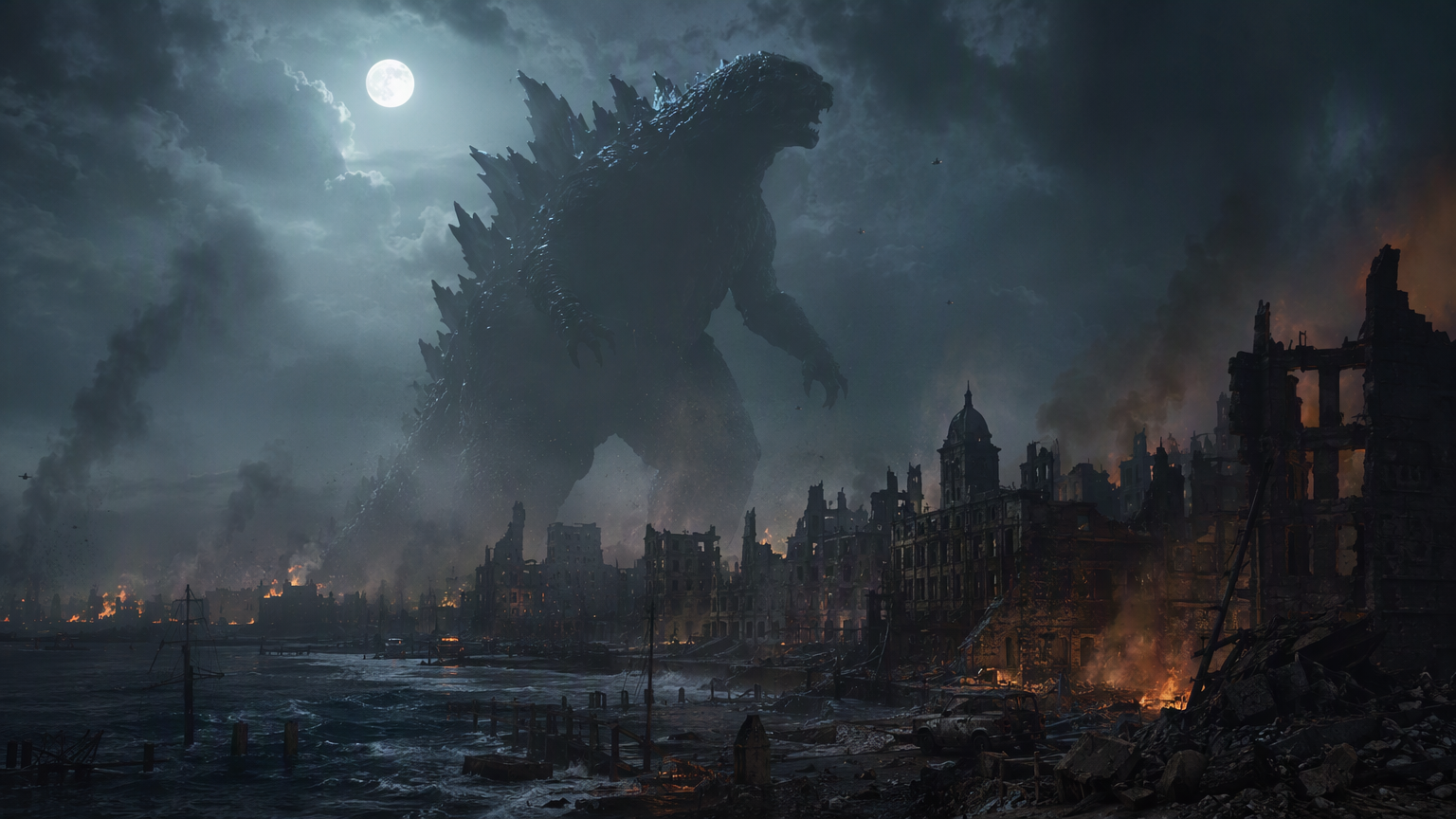
Here’s a sentence I never thought I’d write in 2023: the best blockbuster of the year might be a Japanese monster movie made for a fraction of what Hollywood spends on catering. And yet here we are. Godzilla Minus Zero dropped its early reviews and critics are basically falling over themselves to praise it. Not the polite, “well, it was fine for what it is” kind of praise either. The real deal. Gushing.
Okay, So What’s Actually Going On Here
Let’s back up for a second. Godzilla movies have a reputation, and it’s not always a good one. For decades the formula was pretty simple – big lizard stomps city, humans scream, roll credits. Fun, sure, but nobody was submitting these things for Oscar consideration. So when the early reviews for Minus Zero started rolling in calling it emotionally devastating and one of the best Godzilla films ever made, I’ll admit my first reaction was skepticism. I’ve been burned before by hype that didn’t match the movie.
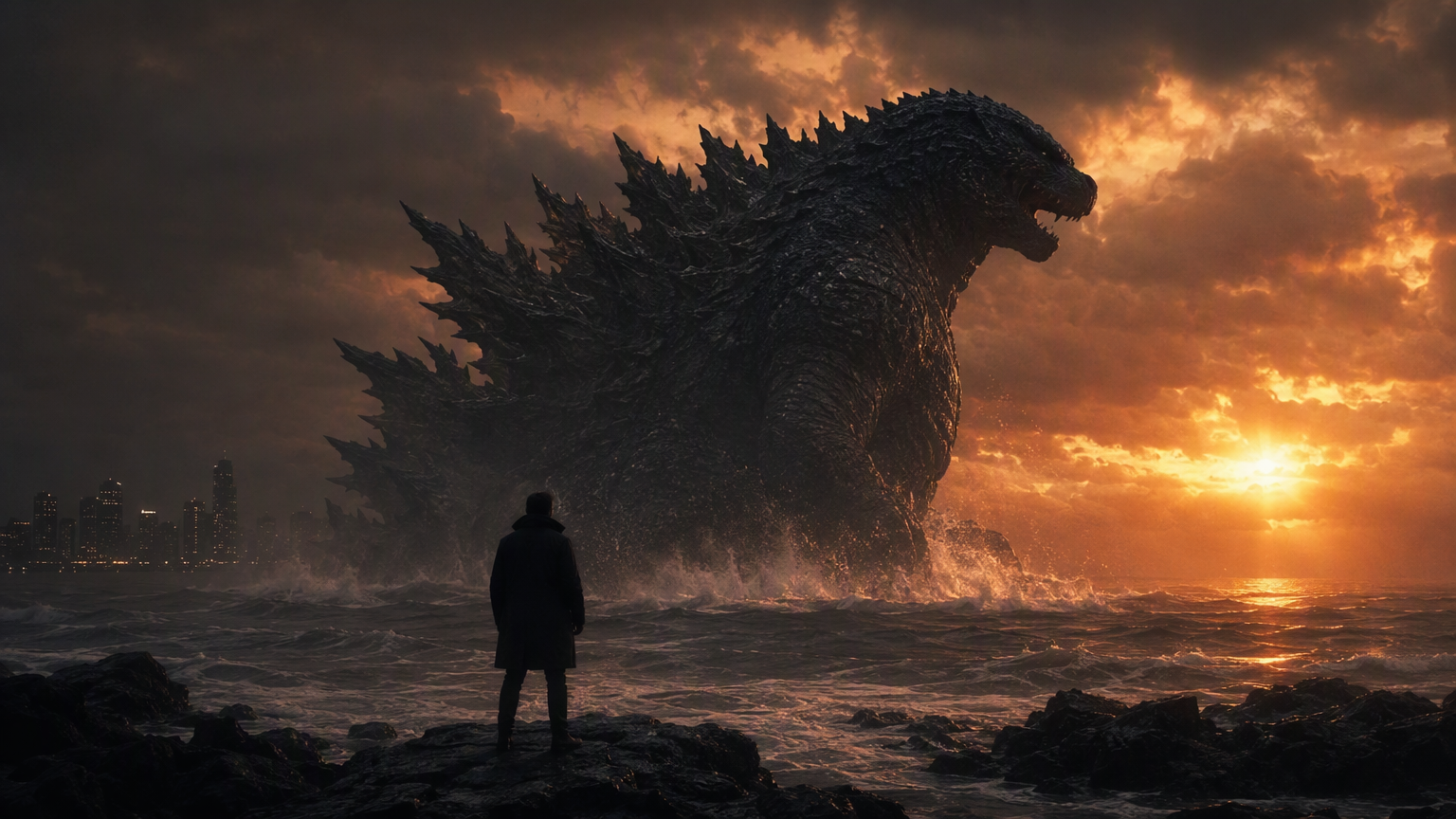
But then I actually looked at what critics were saying, and the pattern held up across the board. This isn’t one outlet hyping a movie to get clicks. It’s a consistent chorus, and that’s rare. Really rare. When you see that many reviewers independently landing on the same words – devastating, human, gut-punch – something’s actually working under the hood.
The Post-War Setting Changes Everything
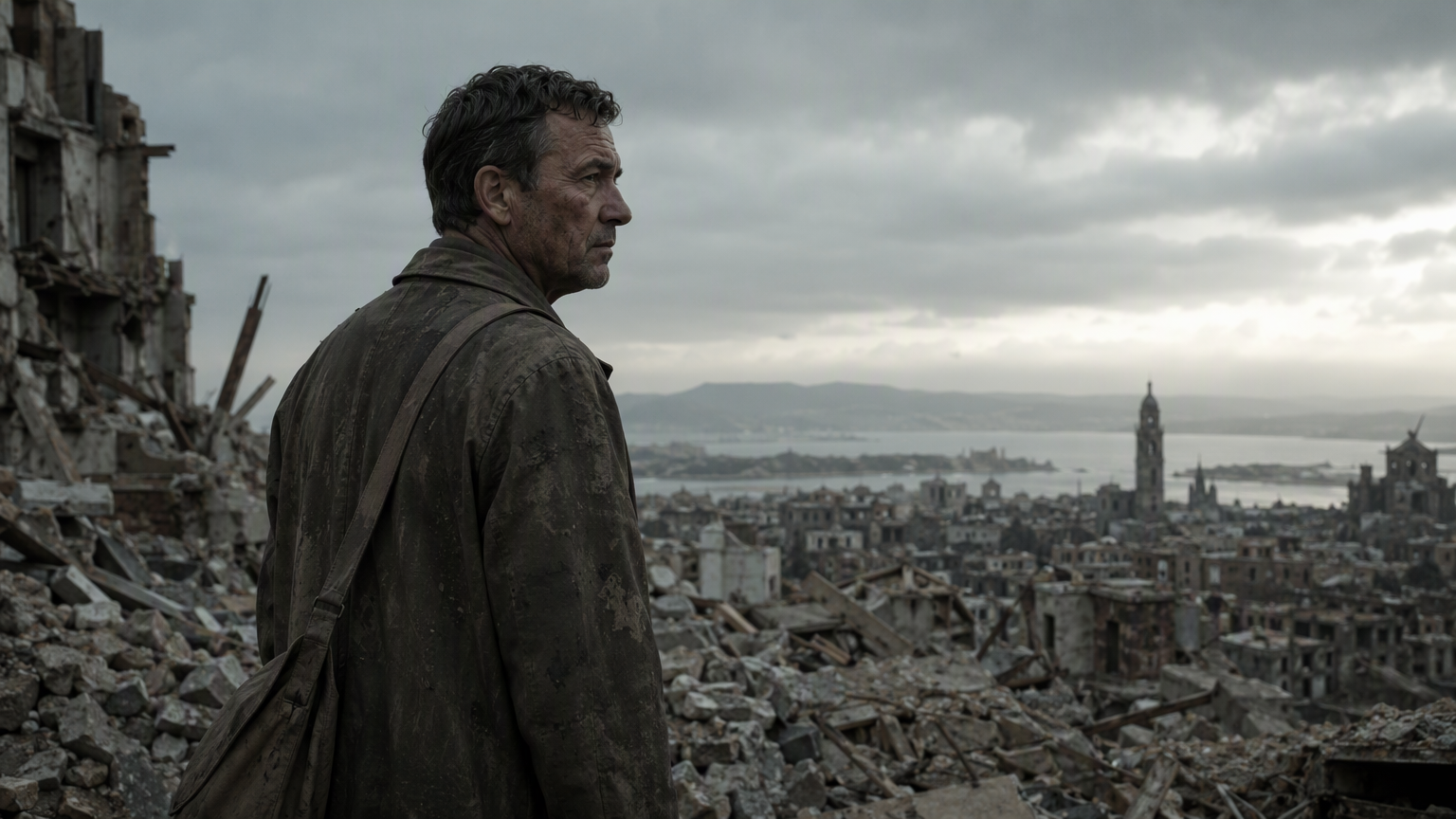
Here’s the thing that separates this from basically every other kaiju flick you’ve seen: it’s set in the immediate aftermath of World War II, in a Japan that’s already been flattened, both literally and psychologically. The characters aren’t cardboard cutouts running from a monster. They’re survivors of a war that broke them, dealing with guilt, grief, and the particular flavor of shame that comes from surviving when so many others didn’t. And then Godzilla shows up and makes it all so much worse.
That context matters more than you’d think. A monster attacking a city is scary. A monster attacking a city that’s already traumatized, that’s barely standing, full of people who thought the worst was behind them – that’s a different kind of scary. It’s not just spectacle, it’s insult added to injury, and the movie knows exactly what it’s doing by putting you there.
But Does It Actually Look Good, Or Is This Just “Good For The Budget”
This is where I want to push back a little on the narrative that’s forming online, because there’s a version of this story where people are just impressed that a non-Hollywood budget produced decent effects. And look, that’s part of it. Reports have the budget somewhere in the ballpark of 10-15 million dollars, which is basically lunch money compared to what a single Marvel movie spends on reshoots. So yeah, there’s a “wow, they did that with WHAT” element to the reaction.
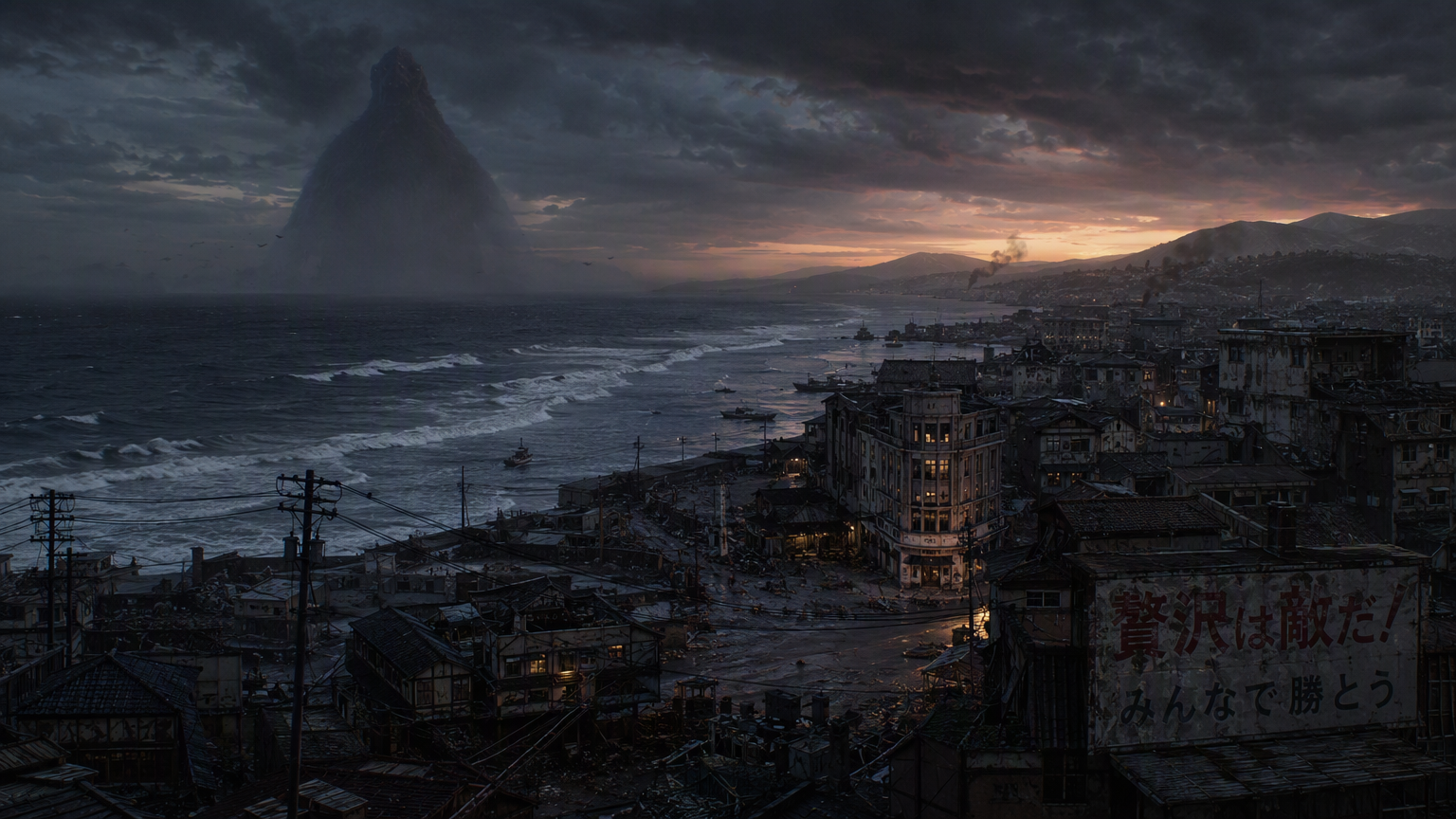
But from what I can tell, that’s not the whole story, and honestly it kind of undersells the movie to frame it that way. The effects aren’t just competent for the money. Critics are saying the creature work rivals or beats stuff from studios with ten times the resources. Takashi Yamazaki, who directed and also did visual effects work himself, apparently leaned hard into practical filmmaking sensibilities even with the CG. There’s a texture to it, a weight, that a lot of modern blockbusters lose when everything becomes a weightless digital soup.
“It’s the rare monster movie that earns its quiet moments as much as its destruction” – a sentiment echoed across nearly every early review I read.
So Why Are Critics Actually Losing It Over This One
I think it comes down to a pretty simple thing that a lot of blockbusters forget: stakes need people attached to them. We’ve all sat through movies where a city gets leveled and it barely registers because the humans on screen are basically props waiting to get flung around. Minus Zero doesn’t do that. It slows down. It lets you sit with a guy who thinks he’s a coward, who lost people, who’s trying to rebuild something resembling a life in the rubble – and then it makes Godzilla the thing that threatens to take even that away.
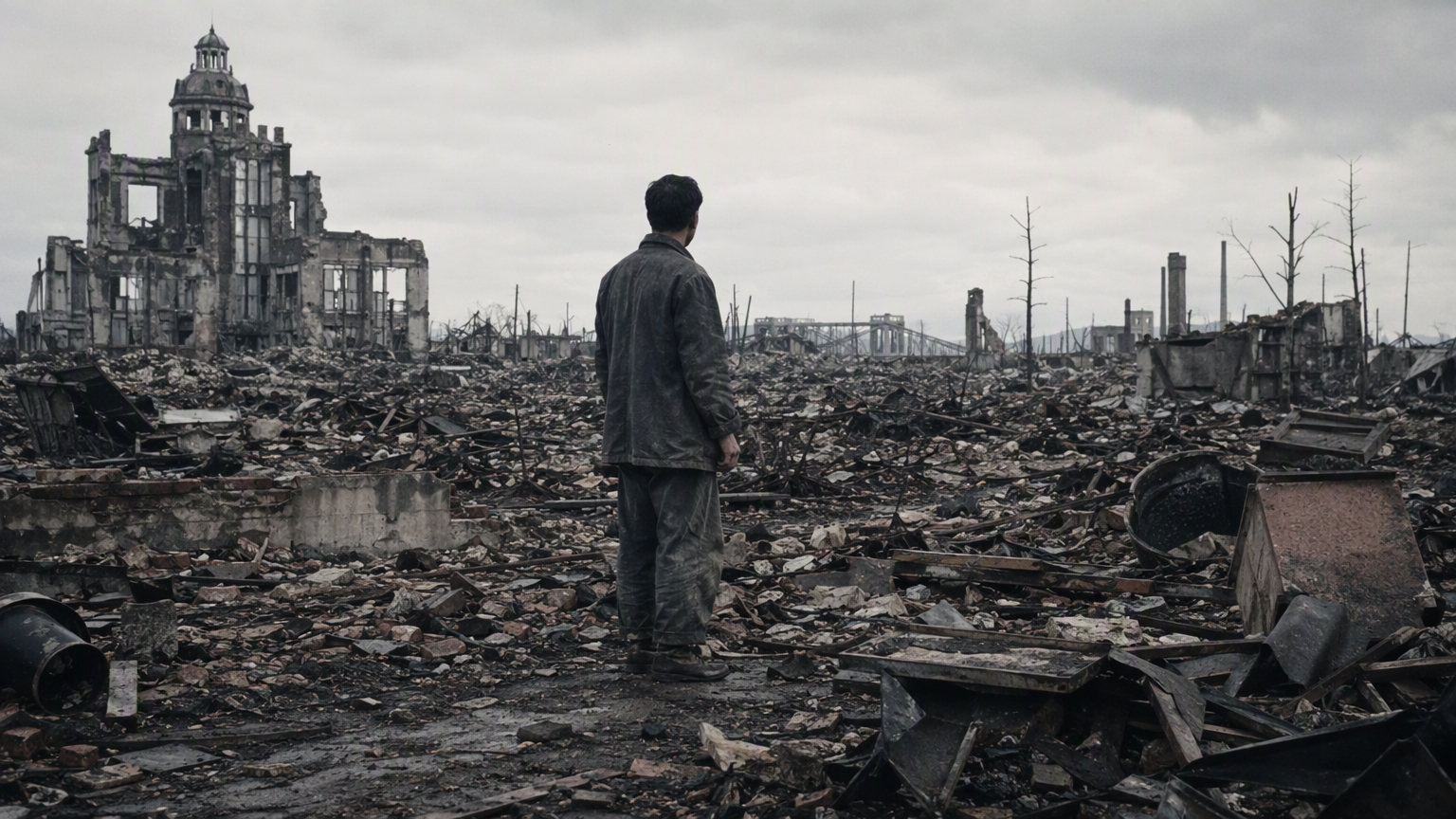
Not gonna lie, this reminds me a little of what Godzilla was originally supposed to be back in 1954 – a metaphor for nuclear devastation, for a country grappling with what it had just survived. Somewhere along the way, across dozens of sequels and spinoffs and a couple of American reboots, that DNA got buried under a mountain of city-smashing set pieces. Minus Zero seems to be digging it back up on purpose. And critics, it turns out, really respond to that. Who knew going back to basics would feel this fresh.
There’s also just the pacing of it. From what’s being described, the movie isn’t afraid to let scenes breathe, to hold on a face, to let silence do some work before the next attack sequence hits. That’s a structural choice a lot of modern blockbusters are terrified to make because studios assume audiences will get bored. Turns out, when you earn it, people don’t get bored. They get invested. Wild concept, I know.
What This Actually Means
Look, early reviews are early reviews. I’ve seen plenty of movies ride a wave of festival buzz right into a lukewarm wide release once regular audiences without a film-critic mindset actually sit down for it. That’s always the risk here. Critics love a swing for the fences, even a messy one, and sometimes general audiences just want to see a big lizard fight another big monster without the emotional homework.
But I’d bet against that happening this time, and here’s why – the reactions aren’t describing a movie that’s artsy at the expense of being entertaining. They’re describing one that’s both. That’s the hard part. That’s the part most franchises never figure out, no matter how many billions they throw at it.
So yeah, a low-budget Japanese monster movie might end up being the most emotionally honest blockbuster of the year, and if that doesn’t tell you something about where big American franchise filmmaking has gone wrong, I don’t know what will. Maybe the lesson here isn’t about Godzilla at all. Maybe it’s about what happens when a director actually cares more about the people running from the monster than the monster itself.