
Okay, I need to say this upfront: I have thrown a dress across my bedroom in frustration before. Not gonna lie, it was a bad day. It looked perfect on the model, terrible on me, and I blamed the dress because that felt easier than blaming lunch. If you’ve ever done the same thing, stick around, because this list is basically the anti-frustration list.
Here’s the thing about tummy insecurity and dresses. It’s almost never about your actual body. It’s about the dress fighting your body instead of working with it. A dress that clings in the wrong spot, cuts you off at the widest part of your midsection, or uses some flimsy fabric that shows every little wrinkle… that’s not you failing the dress. That’s the dress failing you. And once you get that through your head, shopping gets a whole lot less emotionally exhausting.
Why Fall Dresses Are Actually Easier To Hide In
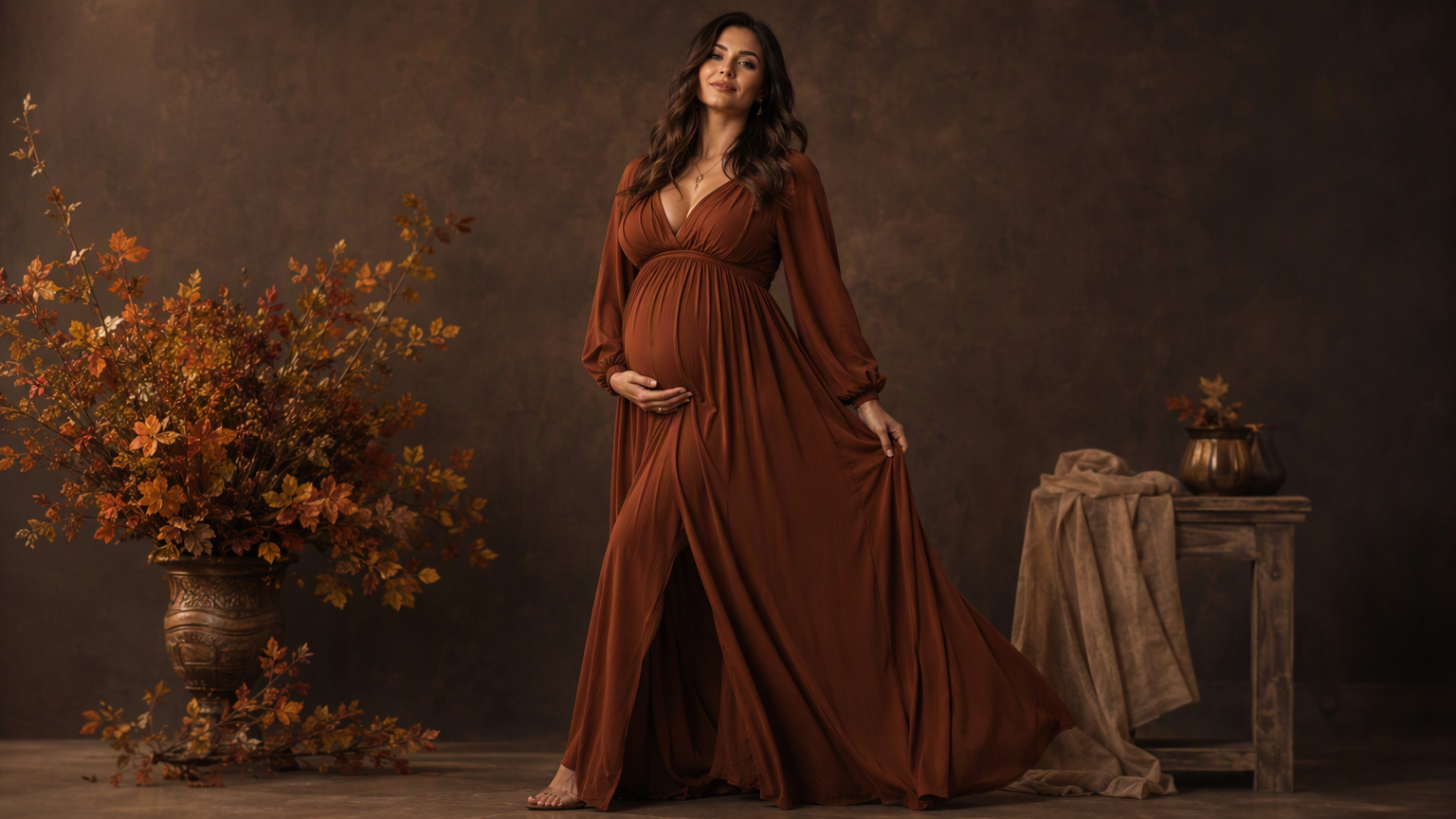
Fall is kind of the best season for this, if I’m being honest. Summer dresses are thin, clingy, and built to show off. Fall dresses get to be a little more dramatic. Think layered fabrics, structured waists, moodier prints. All of that works in your favor. A smocked bodice, for example, gives without clinging. An empire waist just skips your stomach entirely and goes straight from bust to flowy skirt like your midsection doesn’t even exist (in the best way).
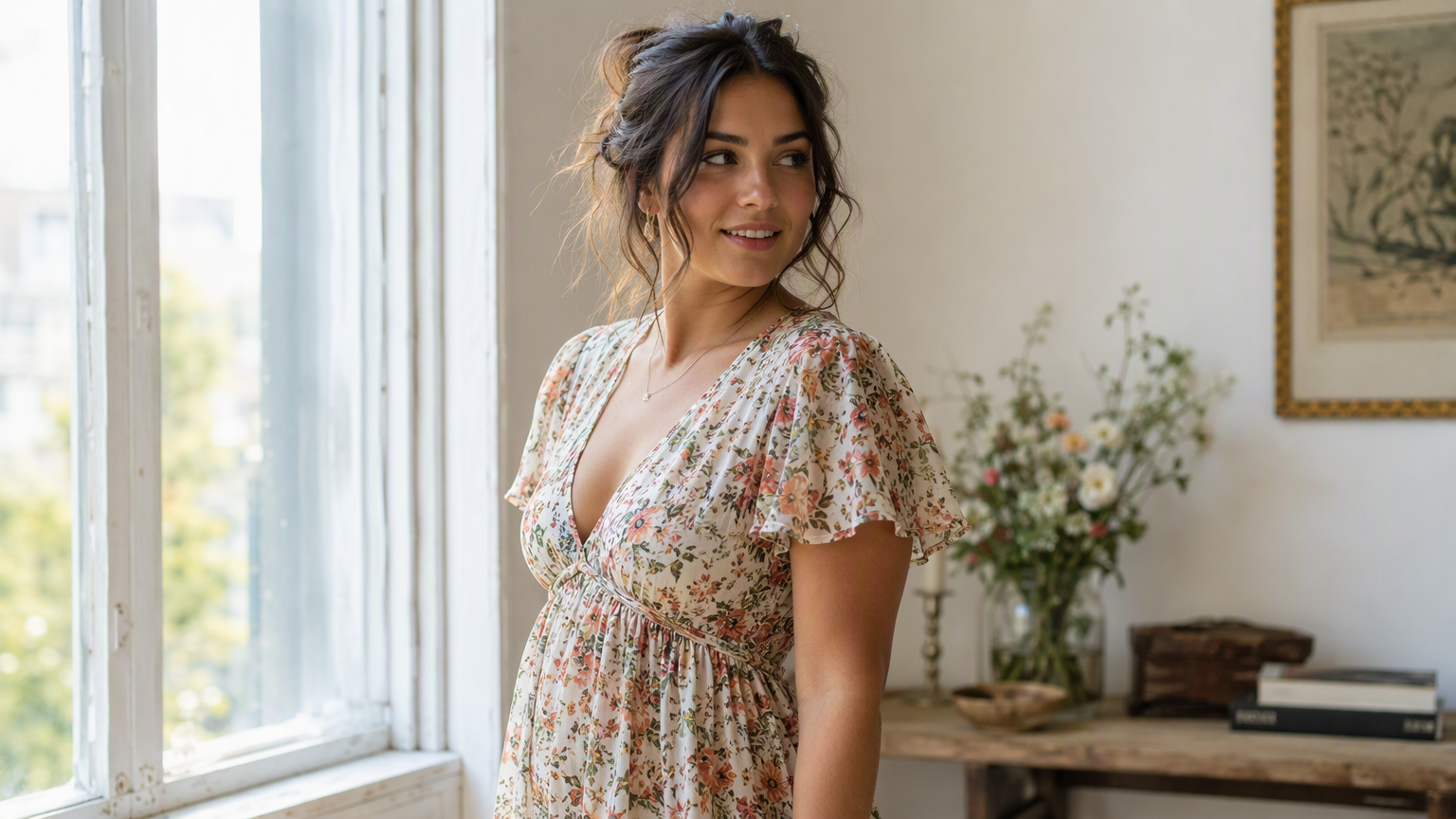
And the prints matter more than people think. A busy paisley or floral pattern does something almost magical to the eye. It breaks up the silhouette so nobody’s staring at any one area for too long. Solid, tight, light-colored fabric? That’s the stuff that shows every seam and shadow. Skip it if you’re self-conscious.
The Fabric Thing Nobody Talks About
Look, I used to think fabric was just a texture preference. Soft versus scratchy, that kind of thing. But fabric weight is honestly the unsung hero of tummy-hiding dresses. Heavier, drapier fabrics fall away from the body instead of hugging it. Stuff like rayon blends or textured knits moves with you but doesn’t stick to you. Cheap, thin polyester tends to cling in ways you really don’t want, especially after sitting down for a while at dinner or, I don’t know, a wedding reception where the cake table is calling your name.
So What Actually Works? Let’s Get Into It
I went through a stack of options, and the good news is you don’t need to spend a fortune. Some of the best picks here start at nine bucks. Nine dollars! That’s less than a movie ticket in most cities now, which, don’t even get me started on that.
“The right dress doesn’t hide your body, it just stops drawing attention to the part you’re worried about.”
That quote basically sums up the whole philosophy here. You’re not disappearing. You’re redirecting. Big difference.
The Styles That Keep Showing Up (For Good Reason)
A few patterns kept popping up as I dug through options, and they’re worth calling out specifically:
- Empire waists – the classic. Cinches right under the bust, skips the stomach completely, flows out from there.
- Smocked or shirred bodices – stretchy without being tight, forgiving without looking sloppy.
- Wrap styles – the diagonal line does a lot of visual work, it’s honestly kind of sneaky how well it works.
- Busy prints – paisley, florals, abstract patterns, anything that keeps the eye moving.
- A-line or swing skirts – starts fitted up top, flares out, done.
- Flowy, tiered fabrics that move on their own instead of clinging where you don’t want them to.
What’s interesting here is that none of these styles look like “concealing” dresses. They just look like nice fall dresses. Nobody’s going to glance at a smocked paisley midi and think “oh, that’s a tummy-hiding dress.” They’re going to think it’s cute. That’s kind of the whole point.
A Quick Word On Sizing
I’ll say this because I think it gets skipped a lot. Sizing up one size in a lot of these budget-friendly picks tends to help more than people expect. A lot of stretchy, smocked fabric is designed to be a little snug at the smallest size, and going up gives you room to breathe (literally) without losing the shape. It’s not a hard rule, but it’s worth trying if you’re between sizes.
The Nine Dollar Question
People get weird about cheap clothes. I get it, we’ve all bought something for ten bucks that fell apart after one wash. But a lot of these budget options are genuinely well made, especially the ones using thicker jersey knits or lined fabric. The trick is reading the actual material description instead of just looking at the photo. A dress can look amazing in a flat lay photo and still be made of tissue-paper-thin fabric that you can basically see through in direct sunlight. Ask me how I know.
The wrap dresses in particular tend to punch above their price point. Something about that diagonal seam just does more with less fabric, which I guess is also why they’re usually cheaper to produce. Win-win, really.
What This Actually Means
Look, at some point you have to just try the dress on (or at least check the return policy religiously). No amount of reading about smocked bodices replaces actually seeing how something drapes on your specific body. But going in with a checklist, empire waist or wrap style, breathable heavier fabric, a print that’s busy enough to distract the eye, that’s going to save you a lot of trial and error and probably a few dressing room meltdowns.
And honestly? The best compliment a dress can get isn’t “you look so slimming.” It’s just “that dress is gorgeous.” When people stop noticing the coverage and just notice the dress, you’ve found the right one. That’s the real test, not the mirror, not the photos, just whether you forget you’re wearing it and go have a good time.