If you loved the book and went into “The Love Hypothesis” expecting a scene-for-scene translation, I’ve got some news for you: that’s not what you got. Not even close, actually. Prime Video’s new rom-com adaptation of Ali Hazelwood’s runaway bestseller made some choices, and depending on how attached you are to the source material, you’re either going to shrug it off or you’re going to be mildly (or majorly) annoyed.
Let’s get into what actually changed, because there’s a lot to unpack here.
Wait, This Started as Star Wars Fan Fiction?
Yes. Yes it did. And honestly, this is the detail that makes the whole movie feel a little surreal once you know it. Hazelwood originally wrote the story as Reylo fan fiction, imagining Rey and Kylo Ren falling for each other under way less dramatic (read: no lightsabers) circumstances. She later reworked it into an original story with Olive and Adam, and it became one of the biggest romance novels of the last few years.
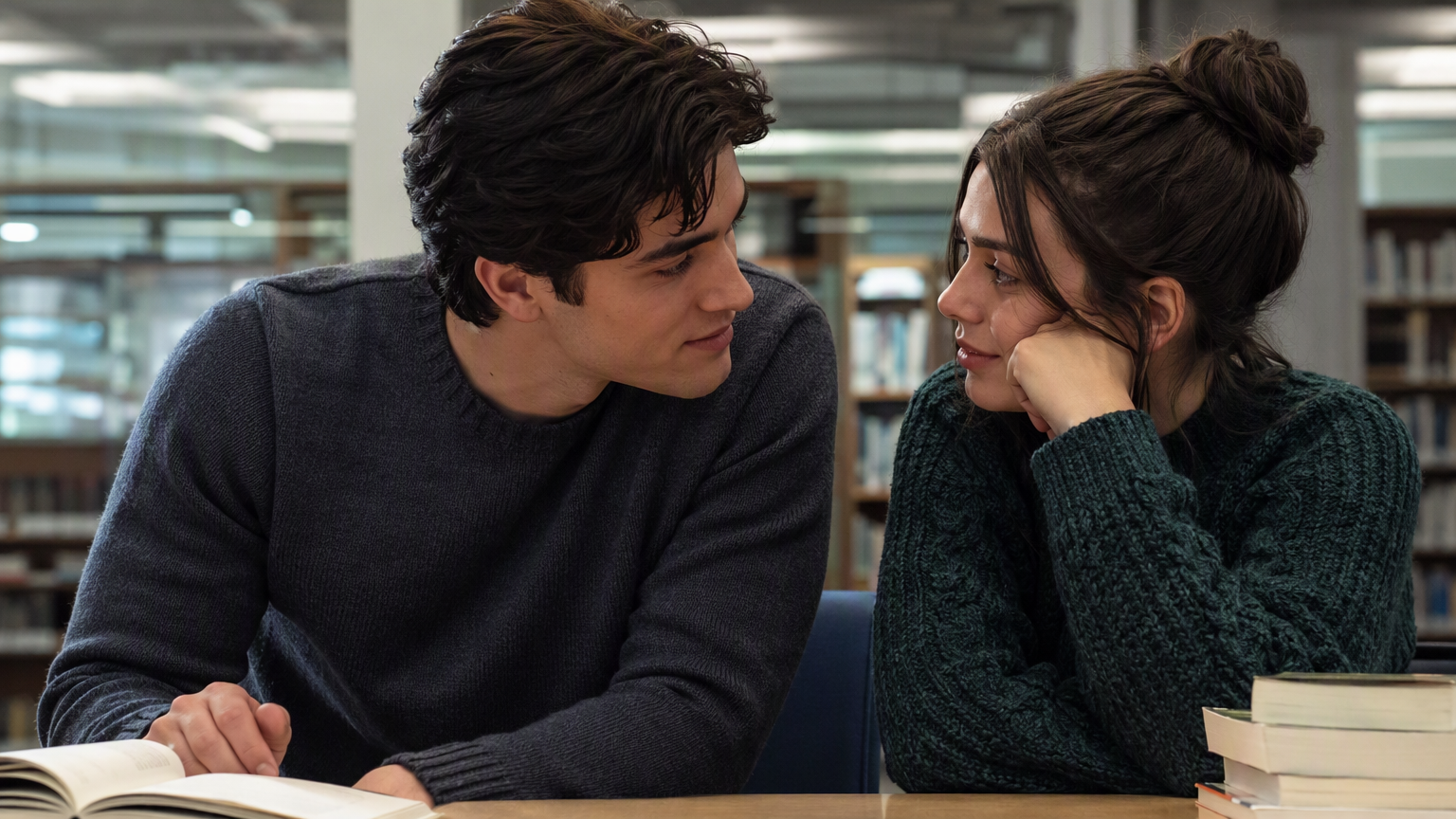
Here’s where it gets kind of wild though. Tom Bateman, who plays Adam in the movie, is married to Daisy Ridley. Who played Rey. Opposite Adam Driver’s Kylo Ren. I don’t think I need to spell out why that’s funny, but I will anyway: the guy playing the character based on Kylo Ren’s love interest is married to the actual actress who played that love interest in the actual Star Wars movies. That’s not a coincidence anyone planned, it’s just one of those delicious little accidents of casting that makes you go “wait, WHAT?” out loud in your living room.
So Why Does That Matter for the Movie?
It doesn’t, really, in terms of plot. But it does tell you something about the DNA of this story. The book has this intensity to it, this slow-burn tension that fan fiction writers are frankly better at than most published authors, if I’m being honest. Adapting that energy for the screen without it feeling melodramatic or silly is genuinely hard. And that’s part of why the movie had to make changes.
So What Actually Got Cut?
A lot. Fans who’ve read the book cover to cover (probably more than once, let’s be real, this fandom is devoted) are going to notice some pretty significant omissions. Subplots got trimmed. Side characters got smaller roles or disappeared into the background entirely. And some of the internal monologue-heavy moments that make the book so satisfying, the stuff where you’re inside Olive’s head as she talks herself into and out of her feelings, just don’t translate to film the same way. That’s not really a criticism of the movie, it’s just… how adaptation works. You can’t put a novel’s internal voice on screen without a lot of voiceover, and voiceover-heavy rom-coms tend to feel clunky.
The bigger shakeups seem to be structural. Reinhart and Bateman both hinted before release that the script took some liberties to make things work cinematically, while still trying to keep what makes Olive and Adam, Olive and Adam.
“That’s what the script was able to feel like for me – while still keeping the integrity of both characters and doing the book justice,” Reinhart said.
Which, okay, is a very diplomatic answer. Actors always say stuff like that before a release because they don’t want to alienate the built-in fanbase who’s going to be the movie’s core audience anyway. But I actually think there’s some truth to it here. The chemistry between the leads matters more than plot fidelity in a story like this, and from what I can tell, that’s where the movie put its energy.
The Fake Dating Trope, But Make It Complicated
Look, the fake dating premise is basically the backbone of half of contemporary romance publishing at this point (not a complaint, I eat this stuff up). Olive and Adam pretend to date for reasons that felt airtight in the book and slightly more compressed in the movie, mostly because film doesn’t have 400 pages to build out the “why” the way a novel does. The setup gets streamlined. Some of the reasoning behind why Olive needs a fake boyfriend and why Adam agrees to it gets simplified, which speeds up the pacing but also strips out some of the character-building that made you root for them in the first place.
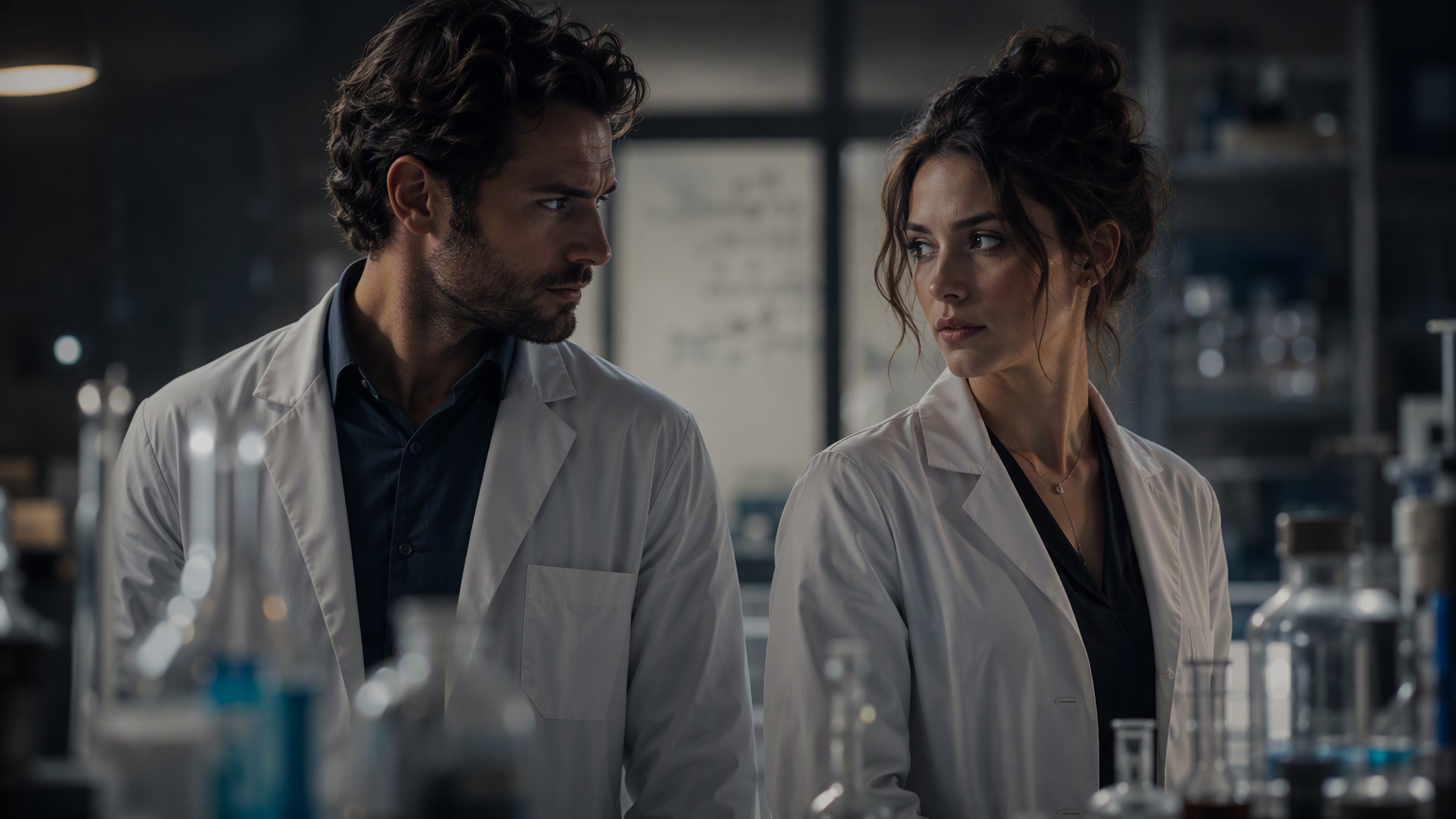
This is the thing about adapting a beloved book: readers fell in love with the story because of the accumulation of small moments. The little text exchanges. The awkward lab scenes. The way Adam’s gruffness slowly cracks. When you compress a 300-plus page book into a 100-minute movie, something’s gotta go. It’s just math, unfortunately.
What Got the Short End of the Stick
- Several side character arcs that gave the book its warmth and comic relief
- A chunk of the slow-burn tension, since movies move faster by nature
- Some of Olive’s internal reasoning and self-doubt, which was a huge part of her character on the page
- Minor subplots involving the academic setting and departmental politics
Not everything cut was necessary, in my opinion. Some of that departmental stuff actually gave the book texture, made the world feel lived-in instead of just a backdrop for the romance. Losing it makes the movie feel a little more generic than it needed to.
What This Actually Means
Here’s my honest take: adaptations are never going to satisfy purists, and this one isn’t an exception. If you go in expecting the book word for word, you’re setting yourself up for disappointment. That’s just how this works, every single time, with every book-to-movie adaptation ever made. But if you go in willing to let the movie be its own thing, a condensed, slightly reshuffled version of a story you already love, there’s a lot here to enjoy. Reinhart and Bateman clearly have chemistry, and that chemistry is really what fans are showing up for anyway, not a shot-by-shot recreation of chapter 14.
Is it the definitive version of the story? No, probably not, the book still does more with less pressure to move the plot along every five minutes. But as a companion piece? As a way to revisit characters you already love in a new format? It mostly works. Mostly.
What I keep coming back to, though, is that origin story. A piece of Star Wars fan fiction turned into a published novel turned into a streaming movie starring the real-life husband of the actress who inspired half the original story. If that’s not proof that fandom eats itself in the most delightful way possible, I don’t know what is.