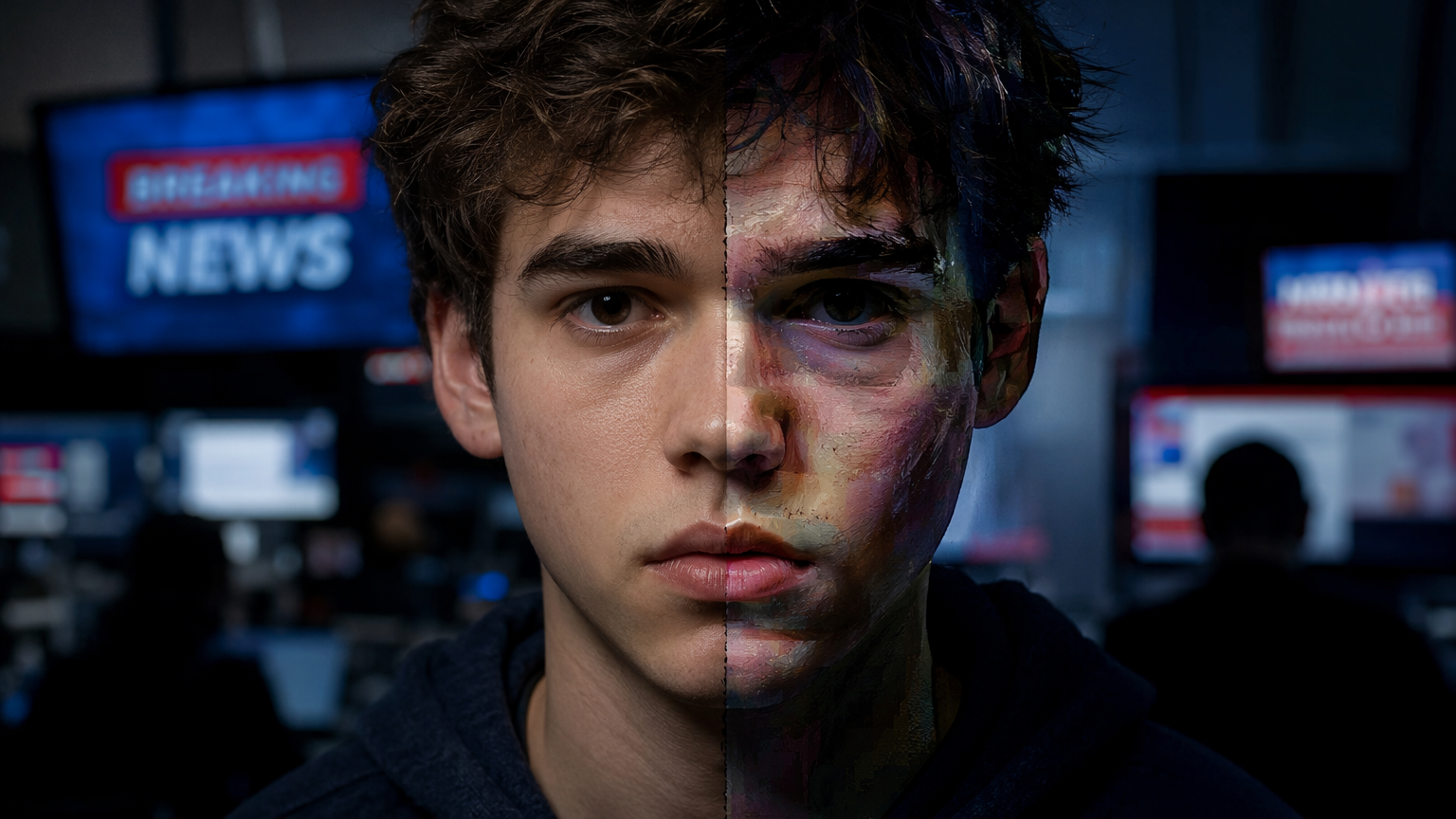
Stanford ran an ad. Stanford used AI to make that ad. Stanford’s AI apparently decided a Hispanic student needed to become a Black woman for the footage to work. And Stanford, one of the most well-funded, well-lawyered institutions on the planet, somehow didn’t catch this before it went out into the world. That’s the story. And yeah, it’s as bad as it sounds.
Okay, So What Actually Happened
Here’s the basic timeline, as best as I can piece it together. Stanford put together a promotional video, the kind of glossy “look how diverse and innovative we are” content every university churns out these days. Somewhere in the production process, they used generative AI to touch up or generate footage. The problem? A real Hispanic student who appeared in the source material got digitally transformed into a Black woman in the final cut.
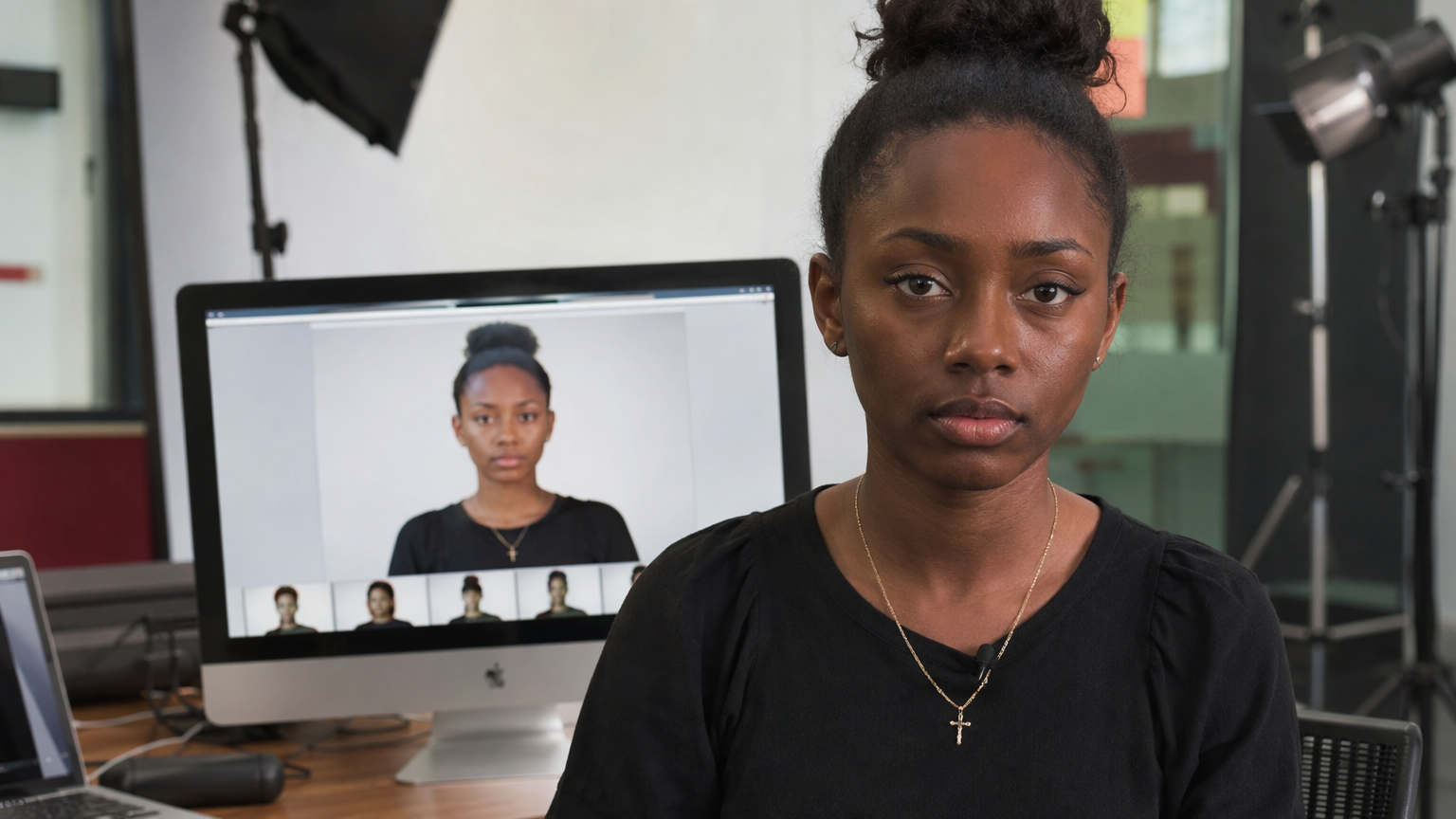
Not gonna lie, when I first read this I had to double check I wasn’t misreading it. Because this isn’t some minor color correction issue or a lighting problem. This is a university taking a real person’s identity and swapping it out like it’s a costume. Her actual ethnicity, erased and replaced, presumably because the AI tool (or the humans running it) wanted a different look for the shot.
The Policy Violation Part
What makes this extra messy is that Stanford has its own AI usage policies. Rules the school wrote. Rules meant to prevent exactly this kind of thing, misuse, misrepresentation, deepfake-adjacent nonsense. And according to reporting on this, Stanford violated its own guidelines in the process. So this isn’t just an ethical gray area. It’s a “you broke your own rulebook” situation. That’s a whole different level of embarrassing.
Why Does This Feel So Different From Other AI Mistakes?
We’ve all seen AI mess up hands, or add an extra tooth, or generate someone with six fingers. Those errors are almost funny at this point, we’ve kind of normalized the weirdness of generative AI still being a work in progress. But this isn’t that. This is AI (and the people directing it) altering someone’s race in official university marketing material. That’s not a glitch, that’s a decision, even if nobody intended it that way.

I keep coming back to the word “blackfaced” being used to describe this, and I get why people reached for it, even though it’s obviously not the historical minstrel-show version. The unsettling part is the same though: a person’s actual identity gets stripped away and replaced with a different one for someone else’s visual convenience. Whether an algorithm did it or a person in Photoshop did it decades ago, the underlying issue is identical. You’re erasing who someone actually is.
“It’s not just an AI mistake, it’s an institutional failure that a supposedly diligent process let slip through multiple checkpoints.”
The Bigger Problem Nobody’s Talking About
Look, this drives me nuts because Stanford isn’t some scrappy startup running things on a shoestring budget with zero oversight. This is a place with a marketing department, a legal team, probably multiple rounds of internal review before anything gets published externally. Somebody signed off on this. Multiple somebodies, probably. And none of them noticed, or flagged, that the student in the footage no longer looked like herself?
The thing is, this points to a much bigger issue with how institutions are rushing to slap AI onto their workflows without actually understanding what these tools do under the hood. Generative AI tools, especially the ones used for video and image editing, don’t “know” anything about identity, ethnicity, or consent. They pattern-match. They fill gaps based on training data. If nobody’s watching closely, they’ll happily “fix” a face into something else entirely, no malice required, just a system optimizing for whatever it thinks looks good or fits some prompt.
And that’s the scary part, honestly. It’s not that AI has some agenda. It’s that humans keep treating these tools like they’re neutral, reliable, ready for prime time when they clearly need way more supervision than they’re getting. Stanford, of all places, should know better. They literally have entire departments dedicated to studying AI ethics. The irony here is almost too much.
What the Student Went Through
We don’t know all the details about how she found out, or what the university’s initial response looked like internally. From what I can tell, once this became public, there was backlash, and Stanford had to acknowledge the mistake. But think about this for a second: a real student, presumably proud to be featured in a university ad, ends up seeing herself replaced by an AI-generated version of a different racial identity. That’s not just a technical error to her. That’s personal. That’s her image, her identity, used and then altered without her say in it.
What This Actually Means
Here’s my honest take. This is going to keep happening, at more schools, more companies, more brands, until organizations start treating AI-generated content with the same scrutiny as, say, a legal contract. Right now there’s this weird gap where people trust AI tools enough to use them in official capacity, but not enough to actually double check what came out the other end. That gap is where stuff like this slips through.
I don’t think Stanford meant to do this maliciously. I really don’t. But intent doesn’t matter much when the outcome is a Hispanic student getting digitally reassigned a different race in a promotional video for one of the most prestigious universities in the country. Policies on paper mean nothing if nobody’s actually enforcing them at the point where content gets approved and published.
So where does this leave us? Probably with more universities scrambling to review their own AI usage guidelines, more PR statements about “commitment to inclusion and accuracy,” and, if we’re being real, probably more incidents like this one before institutions actually slow down enough to catch these problems before they go public. The tools aren’t the villain here. The lack of oversight is. And that’s a much harder problem to fix with a policy update.