





Discord just dropped a bombshell on how it’s going to verify your age, and if you’re picturing a simple “enter your birthday” popup, think again. This is a much bigger deal than that. We’re talking face scans, ID checks, and a whole new system that’s going to change how basically everyone uses the platform – not just the people it’s actually targeting.
So What’s Actually Changing Here
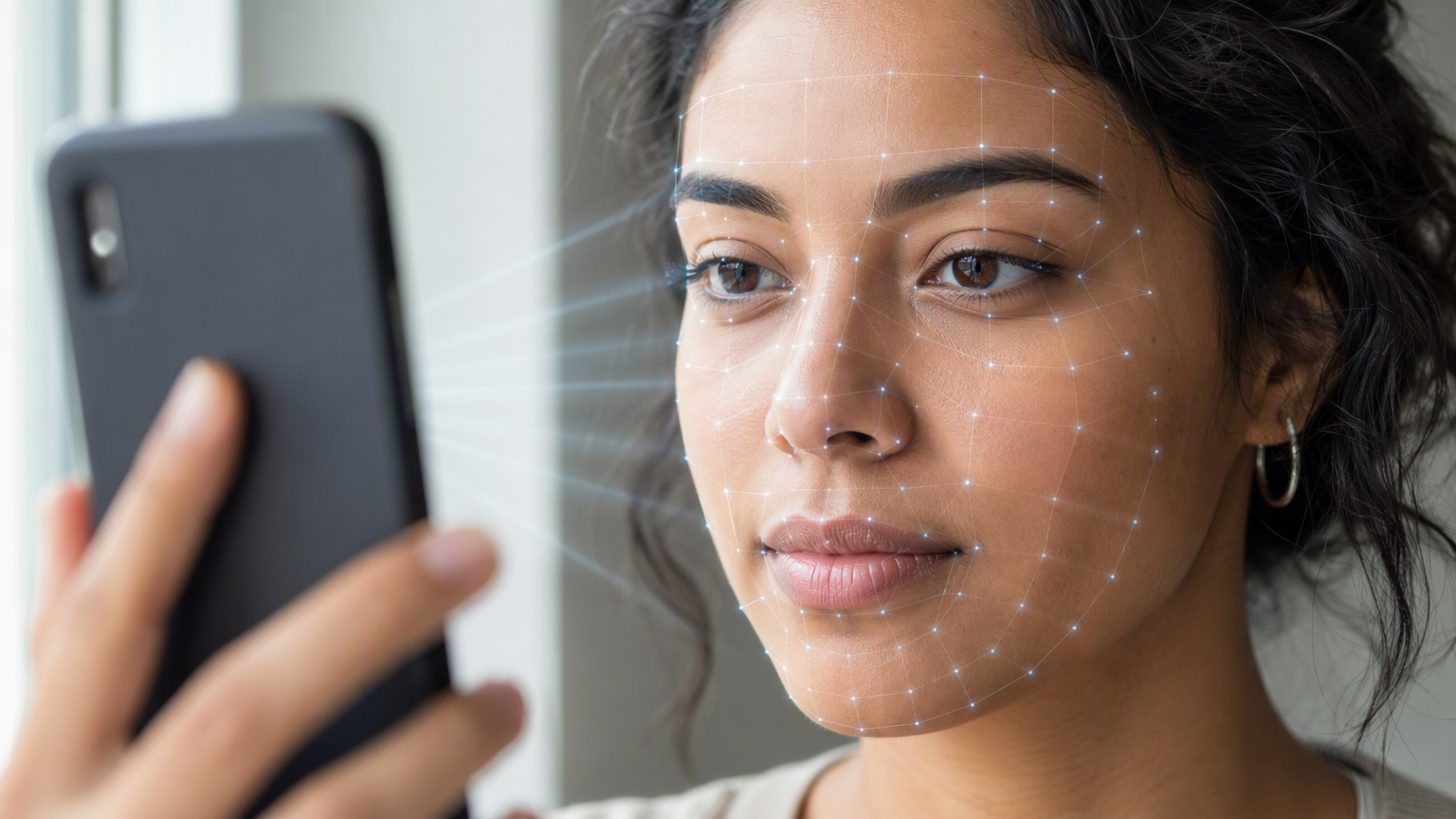
Let’s get into the nuts and bolts. Discord is rolling out age verification that goes way beyond the honor-system birthday field we’ve all lied on at least once (come on, we all did it). The new system reportedly uses facial age estimation tech and, in some cases, government ID verification to figure out how old you actually are. Not how old you say you are.
And look, I get why they’re doing this. Regulators in the UK and Australia have been breathing down the necks of every platform with a chat function, demanding real age checks instead of the “click here if you’re 18” nonsense that’s basically been a joke since the internet started. Discord’s just… catching up to reality, I guess. But the scale of this rollout is what’s turning heads. This isn’t a quiet backend tweak. It’s a massive, visible overhaul that’s going to touch millions of accounts.
Why Now, Though?
Timing matters here. Discord’s been under fire for a while now over how it handles minors on the platform, and honestly, the pressure’s been mounting from multiple directions – lawmakers, parent groups, and just general bad press. So this feels less like innovation and more like Discord finally being forced into a corner. I’ve seen this pattern before with other platforms (looking at you, every social media company that suddenly cared about “user safety” right after a congressional hearing).
But Does Face-Scanning Actually Work?
Here’s where things get messy. Facial age estimation is not some flawless sci-fi technology that perfectly nails your age down to the month. It’s a guess, an educated one, sure, but a guess based on an algorithm trained on a bunch of faces. And algorithms trained on faces have a history of being… let’s just say inconsistent, especially across different skin tones, lighting conditions, and honestly just genetics. Some 22-year-olds look 16. Some 16-year-olds look 25. This isn’t a hypothetical, it’s just how faces work.
So what happens when the system gets it wrong? From what I can tell, there’s a fallback option, likely an ID upload, for anyone who gets flagged incorrectly. But that raises its own can of worms. Now you’ve got a chat platform – one built around gaming, memes, and honestly a lot of anonymity – asking millions of users to potentially hand over a driver’s license or passport scan just to keep using the app normally.
“People joined Discord because it felt different from the identity-obsessed platforms out there. This kind of verification chips away at that exact thing.”
That sentiment’s been floating around a lot in the discourse, and honestly? It tracks. Discord built its whole identity – pun intended – on being the anti-Facebook. No real names required, no forced identity verification, just a username and whatever avatar you felt like slapping on your profile. That’s changing now. Really changing.
The Privacy Elephant in the Room
Not gonna lie, this is the part that worries me most. Every time a platform says “trust us, we’re not storing your biometric data,” I get a little twitchy. Not because Discord’s necessarily lying, but because data breaches happen constantly, and facial scan data plus government ID data is about as sensitive as it gets. If that stuff leaks, we’re not talking about a leaked email list. We’re talking about actual identity theft material.
Discord has said (and I believe this is genuinely true, for what it’s worth) that they’re partnering with third-party verification services rather than storing the biometric data themselves long-term. That’s a reasonable approach, honestly, and it’s what a lot of platforms do now to limit liability. But “we don’t store it ourselves” and “it’s completely safe” are two very different claims, and I think people are going to conflate them.
What About the Teens Who Actually Need Discord?
Here’s the thing nobody’s really talking about enough. Discord isn’t just a gaming chat app anymore – it’s where huge numbers of teenagers do homework help, join fan communities, find support groups for stuff going on in their lives. A blanket age-gating system, even a well-intentioned one, risks locking out legitimate younger users from spaces that are actually good for them, while probably not stopping the actual bad actors who are, let’s be real, going to find workarounds anyway. That’s just how this stuff goes. It always has.
What This Actually Means
I think the honest read here is that Discord is caught between a rock and a hard place. Regulators want airtight age verification. Users want privacy and the freedom that made the platform popular in the first place. You genuinely cannot fully satisfy both sides here, not with current technology anyway, and Discord knows it. This rollout is their attempt to thread that needle, and from what I can tell, it’s going to satisfy exactly nobody completely.
My prediction? We’re going to see a wave of complaints in the first few weeks – people getting incorrectly flagged, privacy advocates raising alarms, maybe even a few viral posts about the ID upload process going sideways. And then, like clockwork, it’ll quiet down and become the new normal, the same way every “controversial” platform change eventually does. That’s just the cycle at this point.
But maybe that’s the real story here. Not whether Discord’s system works perfectly on day one – it won’t – but whether we’re all just slowly getting used to handing over our faces and IDs to keep chatting with friends about video games. Is that a fair trade? I genuinely don’t know. But it’s worth sitting with that question for a minute before just clicking “accept.”

