
Rosie O’Donnell is not staying quiet, and honestly, did anyone think she would? The comedian and longtime talk show fixture says ABC shut down a segment she wanted to do about Jeffrey Epstein’s survivors when she was gearing up to appear on “Jimmy Kimmel Live.” And now that story’s out there, blowing up across Reddit and entertainment sites, and people have a lot of feelings about it.
So What Actually Happened Here
From what I can tell, O’Donnell wanted to use her platform on Kimmel’s show to spotlight Epstein survivors – give them a voice, put a spotlight on their stories in front of a massive network audience. Seems like a pretty reasonable thing for a comedian with decades of political and social commentary under her belt to want to do. But according to O’Donnell, ABC said no. Not “let’s tweak it,” not “come back with a different angle” – just rejected.
Now look, networks reject segment ideas all the time. That’s not news. Producers kill bits for pacing, for legal reasons, for a hundred boring logistical reasons that never make headlines. But this one’s landing differently, and it’s not hard to see why. Epstein isn’t just any topic. It’s a story tangled up in years of questions about who knew what, who looked the other way, and which powerful people managed to stay comfortably out of the spotlight while his victims were left to pick up the pieces.
Why This Particular Rejection Stings
Here’s the thing – ABC is owned by Disney, a massive media conglomerate with a whole lot of business relationships and a whole lot of reasons to be careful about what gets said on air. I’m not saying that’s automatically the reason this got killed. I don’t know that. Nobody outside that room really does. But when a huge company blocks content about one of the most notorious criminal cases of the last decade, people are going to ask questions. That’s just how this works now.
Why Is Everyone So Fired Up About This?
Because Epstein fatigue is real, but so is Epstein anger. Every time this case resurfaces – and it resurfaces constantly – there’s this collective sense that we’re still not getting the full picture. Survivors have spent years fighting to be heard, to have their stories treated as more than footnotes to a scandal about rich and famous men. So when someone like Rosie tries to hand them a microphone on network television and gets told no, that hits a nerve that was already raw.
“These survivors have been fighting for years just to be believed, let alone heard on a major platform.”
I’ve seen this pattern before, not gonna lie. Someone with a platform tries to push a sensitive story into the mainstream, a network gets nervous, and the story about the rejection ends up getting way more attention than the original segment ever would have. It’s almost funny in a dark way. ABC apparently didn’t want the Epstein conversation happening on its air, and now it’s happening anyway, just louder, messier, and with ABC itself as part of the story.
What We Actually Know Versus What’s Speculation
Let’s be real for a second. We have O’Donnell’s account of events. That’s it, basically. ABC hasn’t laid out a detailed explanation, at least not one I’ve seen reported anywhere credible. So we’re working with one side of the story right now, and it’s worth sitting with that for a beat before anyone runs too far with theories about cover-ups or corporate pressure from on high.
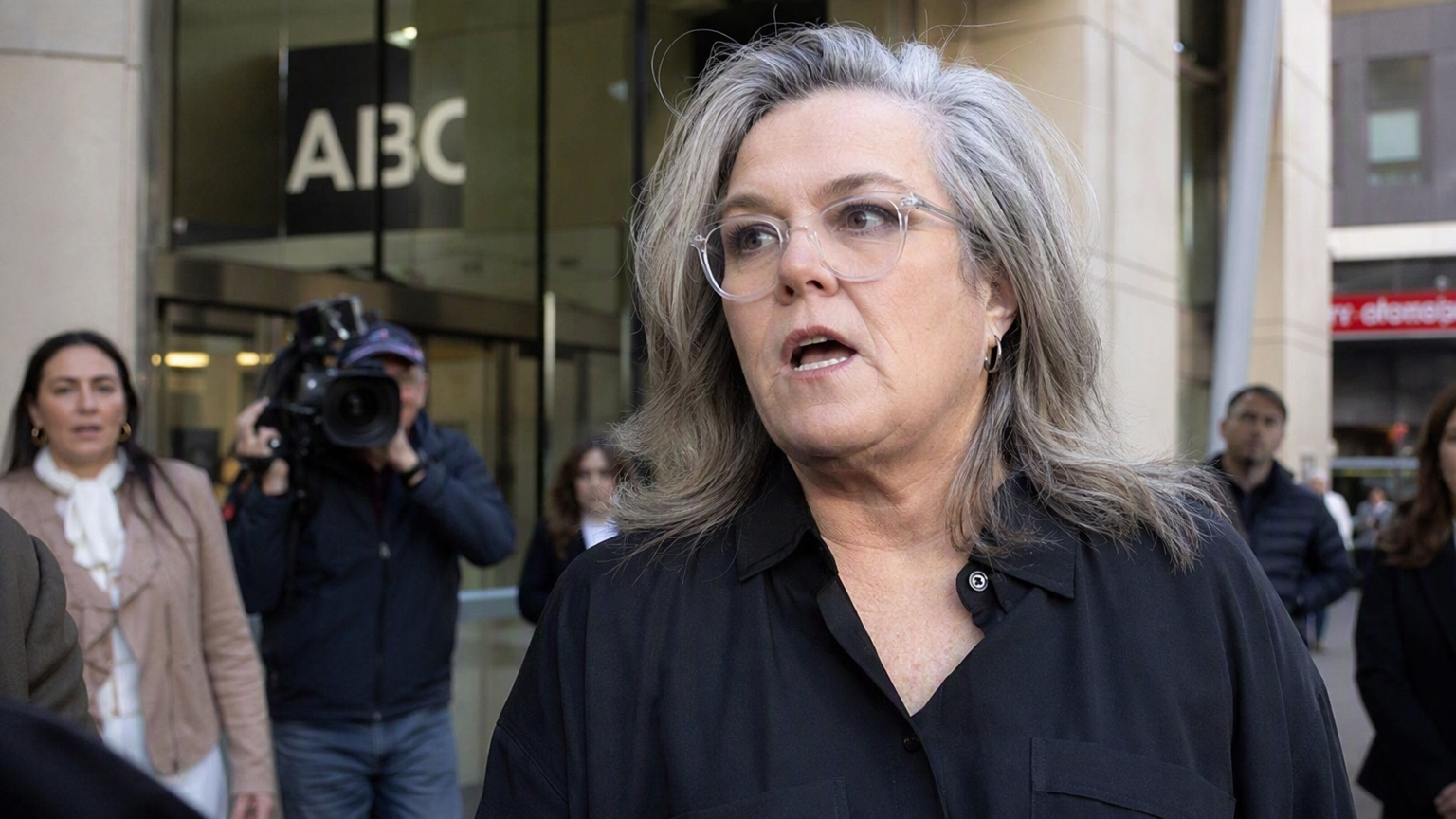
That said – and I want to be fair here – O’Donnell isn’t exactly a random person making noise for attention. She’s had a long career of being outspoken, sometimes to her own professional detriment. She’s picked fights with networks before. She’s not shy. So while we should hold space for “we don’t have ABC’s side yet,” we also shouldn’t pretend she’s got no credibility on this. She’s earned a reputation for saying uncomfortable things loudly, consequences be damned.
The Bigger Pattern Nobody Wants to Say Out Loud
This isn’t really just about one rejected segment on one late night show. It’s about a much bigger, much messier question: how comfortable are major networks with letting Epstein survivors actually speak, unfiltered, to huge audiences? Because if the answer is “not very,” that says something pretty uncomfortable about who gets protected in these situations and who doesn’t.
What This Actually Means
I don’t think this story ends with ABC issuing some big public apology or suddenly green-lighting a tell-all special. That’s just not how these things go. What probably happens is a few days of headlines, some awkward silence from the network, maybe a vague statement about “programming decisions,” and then the news cycle moves on to whatever comes next.
But here’s what sticks with me. Whether or not ABC had a perfectly boring, non-sinister reason for saying no, the optics are terrible. And in 2024 – sorry, whatever year this ends up airing in, you know what I mean – optics matter almost as much as facts. People are primed to believe networks are protecting somebody. That suspicion isn’t going away just because a press release says otherwise.
So where does that leave the survivors Rosie wanted to platform? Probably right back where they started, waiting for someone with enough leverage and enough guts to actually get their stories on air without a network pulling the plug. Maybe that happens somewhere else. Maybe it doesn’t happen for a while. Either way, this whole episode is a pretty clear reminder that getting these stories told isn’t just about finding the right person to tell them. It’s about finding a platform willing to actually let them through.