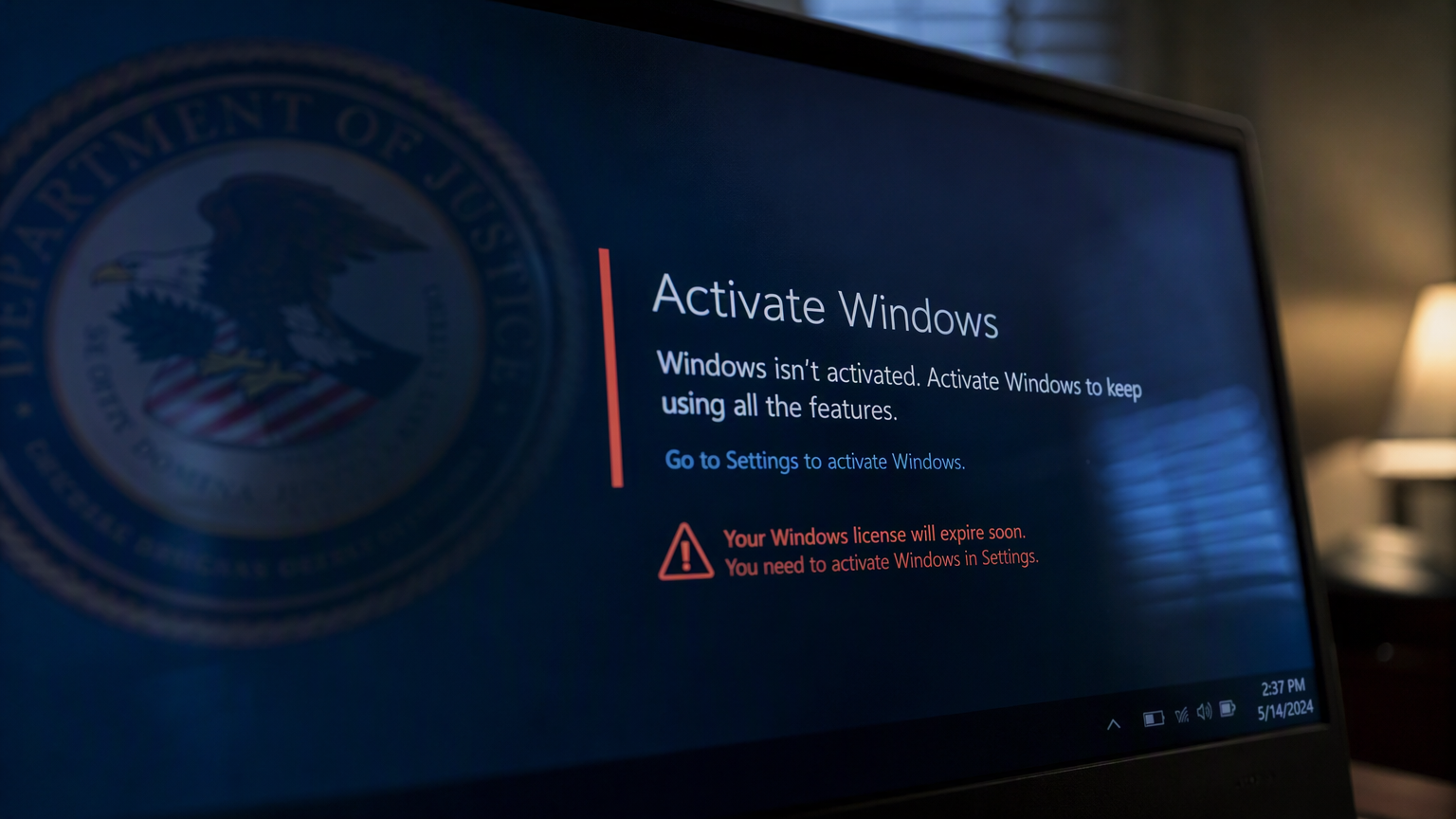
So Vladimir Putin sat down to cast his vote online, cameras rolling, the whole official Kremlin production, and there it was in the corner of the screen: “Activate Windows.” Yep. The president of a country that’s spent years lecturing its citizens about digital sovereignty just got caught running pirated software on a Dell PC. An American Dell PC. I mean, come on.
Wait, Let’s Just Sit With This For a Second
This is the guy whose government has pushed Russian businesses and agencies for years to dump Western tech and switch to homegrown alternatives. There’s literally a law on the books requiring state institutions to use Russian software where it exists. And yet here’s Putin, on camera, in an official clip released by his own people, using a Windows machine that isn’t even properly licensed. Not gonna lie, the irony here is almost too perfect.
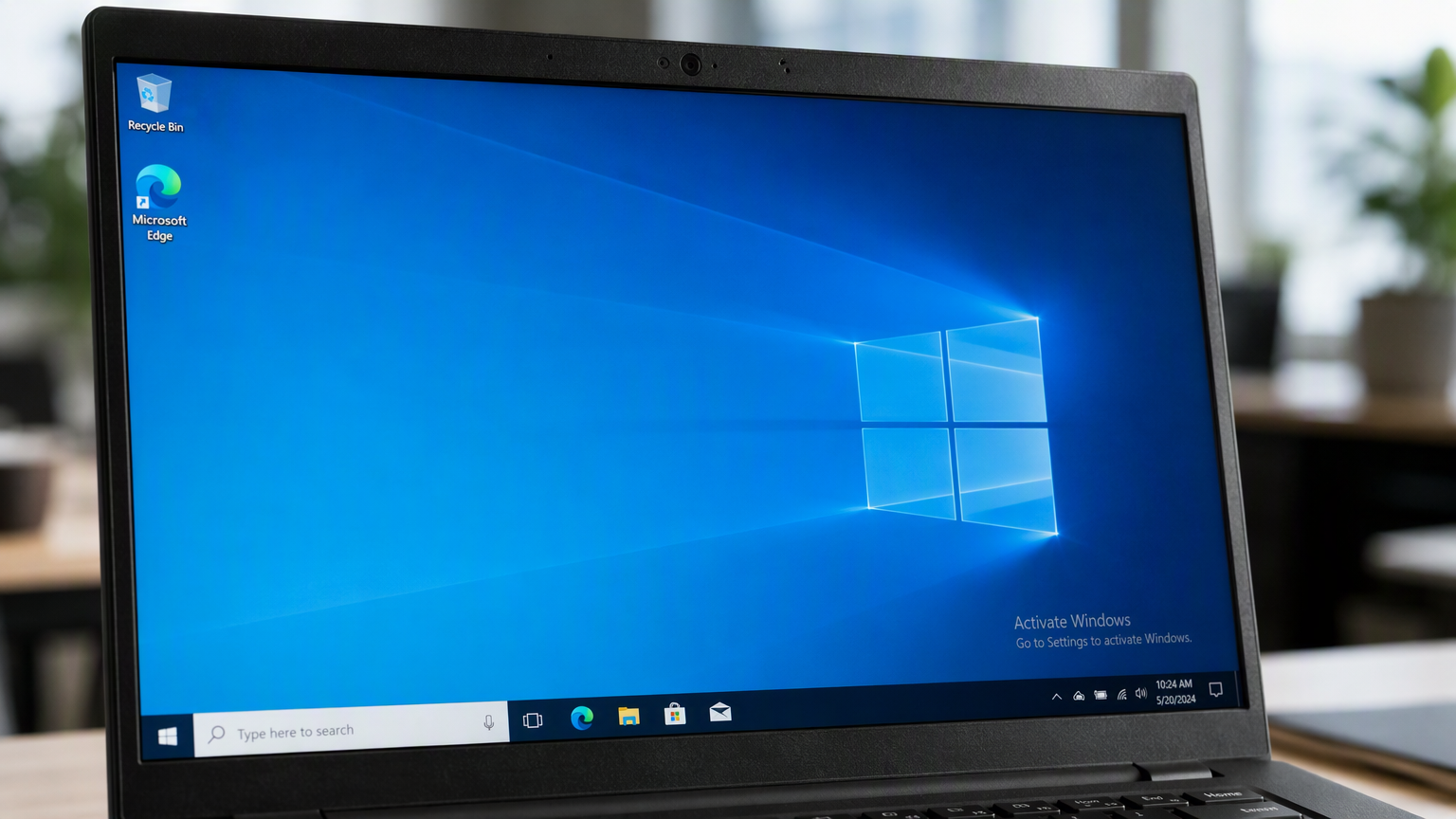
The watermark thing is such a specific, dumb little detail too. “Activate Windows” only shows up when you’re running an unlicensed or unactivated copy of the OS. It’s the digital equivalent of walking around with a price tag still stapled to your jacket. Somebody in the Kremlin’s media team either didn’t notice or didn’t care, and honestly I’m not sure which is worse.
The Dell Part Is Almost Funnier
Forget the software for a second. The hardware itself is American. Dell. Not some obscure Chinese-made clone, not a Russian-branded machine assembled from parts nobody asks questions about – an actual Dell PC, sitting on a desk, in a country that’s under a mountain of Western sanctions and has been telling everyone to “buy local” for tech since 2014. This isn’t a new problem either. Russia’s push for tech independence, sometimes called “import substitution,” has been kind of a running joke among IT people who actually work over there. From what I can tell, a lot of government offices still quietly run on Western hardware and software because, well, the local alternatives just aren’t there yet. Or they’re there but they’re clunky, expensive, or missing features people actually need.
I’ve seen this pattern before with other countries pushing tech nationalism. You pass the law, you make the speeches, and then reality politely ignores you.
Why Does This Even Matter?
Okay, so maybe you’re thinking, who cares if some guy’s laptop has an unlicensed Windows copy. Fair question. But here’s the thing – this isn’t just some random government worker. This is the head of state, doing a highly choreographed public act (voting, on camera, for the cameras), and the tech behind it completely undercuts years of messaging about self-reliance and sovereignty.
It’s not just embarrassing, it’s kind of revealing. If the top of the pyramid can’t even be bothered to run a legit, domestically-approved setup for a photo-op, what does that say about how seriously the mandate is actually taken lower down the chain? Probably not great things.
“You can pass all the laws you want about digital sovereignty, but if your own president is running pirated Windows on an American laptop, the message kind of falls apart,” one commenter on the original Reddit thread put it.
The Bigger Hypocrisy Problem
Look, this drives me nuts a little, and not just because it’s Russia. It’s the broader pattern of governments talking tough about tech independence while quietly relying on the exact stuff they’re telling everyone else to avoid. Russia’s been pushing companies toward Astra Linux, its own operating system, and various homegrown office suites for years now. There have been deadlines, mandates, deadlines that got pushed back, more mandates. Basically the classic government tech rollout playbook.
And I get it, building a whole alternative tech ecosystem is genuinely hard. Nobody’s arguing that swapping out Windows for a Russian OS across an entire government is easy. But that’s kind of the point – if it’s this hard for the Kremlin’s own PR team to get it right during a moment they clearly wanted to look competent and in control, what does that tell you about how the mandate is actually going across the rest of the country?
Not entirely clear, but I’d bet it’s not smooth.
There’s also just something almost comedic about the specific choice of hardware. A Dell. Not even a fancy custom rig or something obscure. A basic, mass-market American laptop that you could buy at pretty much any electronics store in the US five years ago. If you’re going to get caught being hypocritical about tech sovereignty, you’d think you’d at least get caught with something exotic.
What This Actually Means
Here’s my honest take: this is a small moment, but it says something bigger. Governments love to talk about independence and sovereignty and self-sufficiency, especially when it plays well domestically or gives them leverage against rivals. But actually living up to that, day to day, screen to screen, watermark to watermark, is a whole different thing.
This clip is going to get memed into oblivion, and it should. It’s a genuinely funny, very human slip-up from an administration that presents itself as anything but sloppy. Whether anyone in the Kremlin actually addresses it or just quietly reissues the video without the watermark… we’ll see. My guess is the second one.
Either way, the next time anyone hears a government talk about “digital sovereignty,” it might be worth remembering this exact image: the president, voting online, on a pirated copy of Windows, running on an American laptop. Sometimes the smallest details tell you the most.