
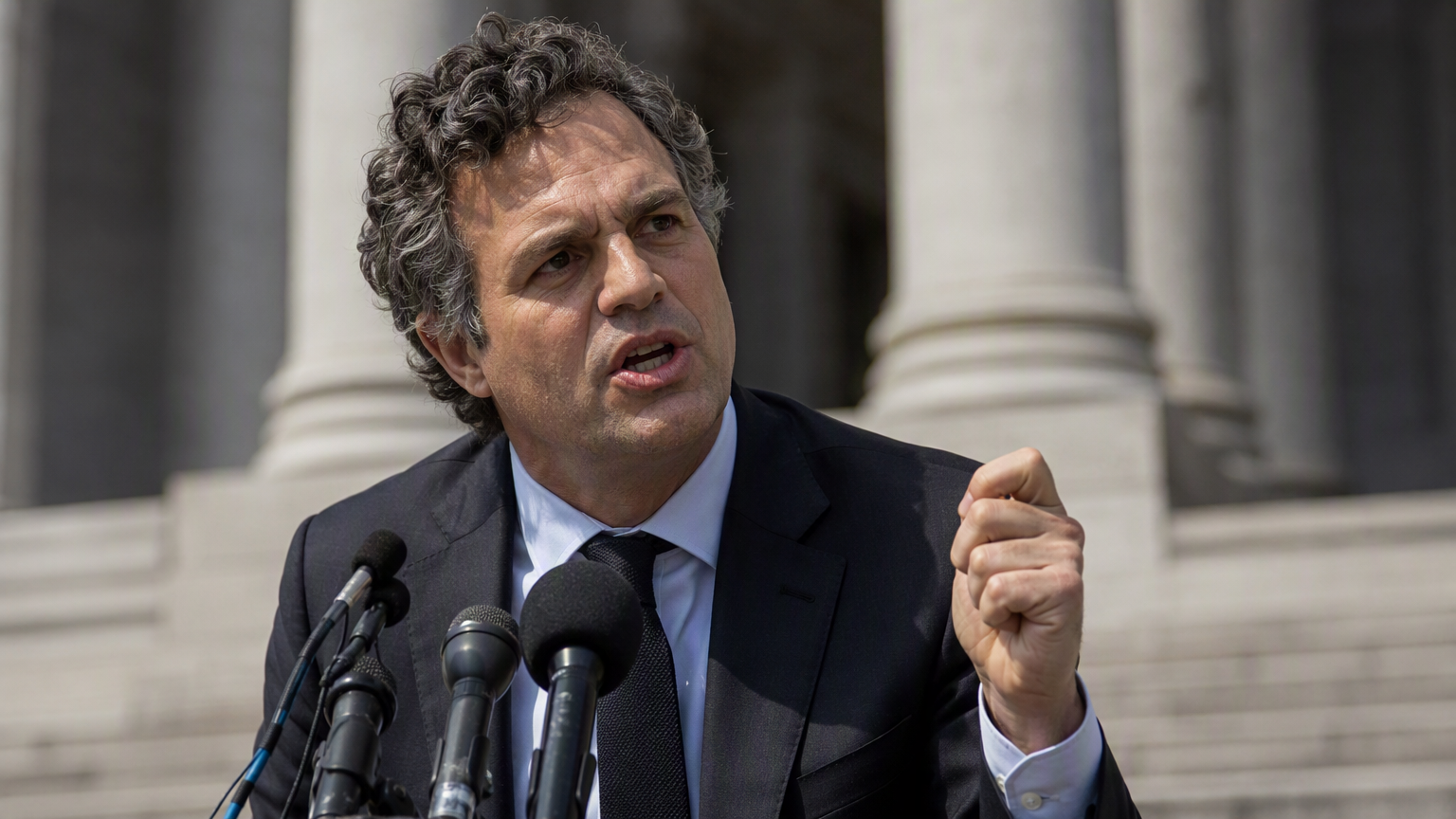
Mark Ruffalo does not want you to forget about this merger. He really, really doesn’t. The actor took to social media this week to basically beg California’s Attorney General Rob Bonta not to fold on an antitrust case against the Paramount-Warner Bros. Discovery merger, and honestly? Good for him.
Wait, What’s Actually Going On Here
So here’s the deal. Paramount and Warner Bros. Discovery have been trying to merge for a while now, and if it goes through, you’re looking at one company controlling an absolutely massive chunk of what you watch. We’re talking HBO, CNN, Paramount Pictures, CBS, Nickelodeon… the list goes on and on. That’s not a small deal. That’s the kind of consolidation that makes media watchdogs (and apparently movie stars) lose sleep.
California’s AG office had apparently opened up some kind of antitrust inquiry into the whole thing, which, good, that’s literally their job. But now there’s chatter that the state might settle instead of actually fighting it out. And that’s exactly the moment Ruffalo decided to jump in with his “Do Not Cave” message. Not exactly subtle. But also… not wrong?
Why Ruffalo, Though?
I know what you’re thinking. Why does an actor best known for playing the Hulk care this much about antitrust law? But actually, this tracks. Ruffalo has been vocal about corporate power and media consolidation for years, not just as a random celebrity opinion but as someone who’s clearly done some homework on it. He’s talked before about how fewer companies owning more of the media pipeline is bad for basically everyone except the shareholders. So this isn’t some out-of-nowhere take from him. It’s consistent with who he’s been.
So Why Should Anyone Else Care?
Here’s the thing. When two massive media companies merge, the pitch is always “efficiency” and “better content for consumers.” That’s the line every single time. But what actually tends to happen is fewer jobs, fewer distinct voices, and prices that creep up because, well, who’s going to stop them if there’s no real competition left?

Think about how many streaming services you’re already paying for. Now imagine if two of the biggest ones basically became one giant entity with even more leverage over pricing and what gets made. That’s not a hypothetical, that’s literally the scenario on the table right now.
“Do not cave to a merger that will hurt workers, consumers, and the future of independent storytelling,” Ruffalo reportedly wrote, calling on Bonta to hold the line.
The Bigger Pattern Nobody’s Talking About Enough
This isn’t happening in a vacuum. I’ve watched this exact playbook run over and over for years now. Company A wants to merge with Company B. Regulators raise concerns. Lawyers show up. Eventually there’s a settlement that includes some token concessions, maybe a promise to “maintain competition” for a few years, and then the merger goes through anyway. It’s basically become a ritual at this point.
And look, I get why AG offices settle. Litigation is expensive, drawn out, and there’s no guarantee of winning even when you’ve got a strong case. Sometimes a settlement with real teeth is actually the more practical outcome. But that’s the key phrase, with real teeth. A lot of these settlements end up being more symbolic than substantive, and a few years down the line everyone kind of forgets what was even promised in the first place.
What’s interesting here is that Ruffalo isn’t just saying “block the merger.” He’s specifically saying don’t settle, which is a slightly different ask. He wants this thing to actually go to court, or at minimum, wants Bonta’s office to negotiate from a position of strength rather than just accepting whatever terms make the headache go away fastest.
What This Actually Means
Not gonna lie, I don’t think one celebrity post is going to single-handedly change how California’s AG approaches a major antitrust case. That’s probably giving social media a little too much credit. But it does add public pressure, and public pressure has a weird way of shaping how aggressively these offices choose to fight, especially when there are cameras and reporters paying attention to the outcome.
The real question is whether this merger even makes sense for anyone besides the executives and shareholders pushing it through. Because from where I’m sitting, we’ve seen this movie before (no pun intended), and it rarely ends with more choices, better prices, or healthier competition for regular people trying to watch a show without needing four different subscriptions just to keep up.
We’ll see what Bonta’s office actually decides to do. But if Ruffalo’s noise convinces even a handful of people to start paying attention to how these mega-mergers actually shake out, that’s probably a win in itself. Whether it’s enough to change anything concrete? That part’s still up in the air.