
Flock Safety is bleeding customers. And now it’s paying employees to leave too. If that sounds like a company trying to shrink its way out of a crisis, well, that’s basically what’s happening here.
Wait, People Are Actually Canceling?
Yeah. Flock, the company behind those license plate reading cameras you’ve probably seen mounted on poles around your neighborhood (or maybe you haven’t noticed them, which is kind of the point), is now offering voluntary buyouts to employees. Wired broke this down, and the timing is not subtle. Customers, meaning cities, police departments, HOAs, whoever signed up for this surveillance tech, are walking away. Not trickling away. Walking. And when your customer base starts shrinking, the playbook is pretty predictable: shrink the workforce too, but try to make it look voluntary so it doesn’t read as a mass layoff.

Here’s the thing though – buyouts always get framed as this generous, employee-friendly move. “We’re giving people a choice!” Sure. But let’s not pretend companies offer buyouts when business is booming. Nobody does that. You offer buyouts when you need fewer people on payroll and you’d rather not deal with the PR mess of straight-up layoffs. I’ve seen this pattern before, and it almost always means the same thing underneath the corporate-speak: things aren’t going great.
So Why Is Everyone Leaving Flock?
This is the part that actually matters. Flock’s whole business model is built on cities and police departments trusting the tech, trusting the data handling, and trusting that the surveillance doesn’t turn into something creepier down the line. And from what I can tell, that trust has been cracking for a while now. Privacy advocates have been sounding alarms about license plate readers for years, not exactly a new fight, but it seems like the concerns are finally landing with the people who actually sign the contracts.
Once a few cities pull out publicly, it becomes a lot easier for the next city council to do the same. Nobody wants to be the town that’s still paying for controversial surveillance tech after the headlines start piling up. That’s not a technology problem, that’s a reputation problem, and reputation problems spread fast.
Is This Just Flock, Or Is Something Bigger Going On?
I keep going back and forth on this. Part of me thinks this is a Flock-specific stumble – maybe they oversold the tech, maybe local pushback got louder than they expected, maybe contracts just weren’t renewed for boring budget reasons that have nothing to do with ethics at all. Budgets get cut. Police departments reprioritize. It happens.
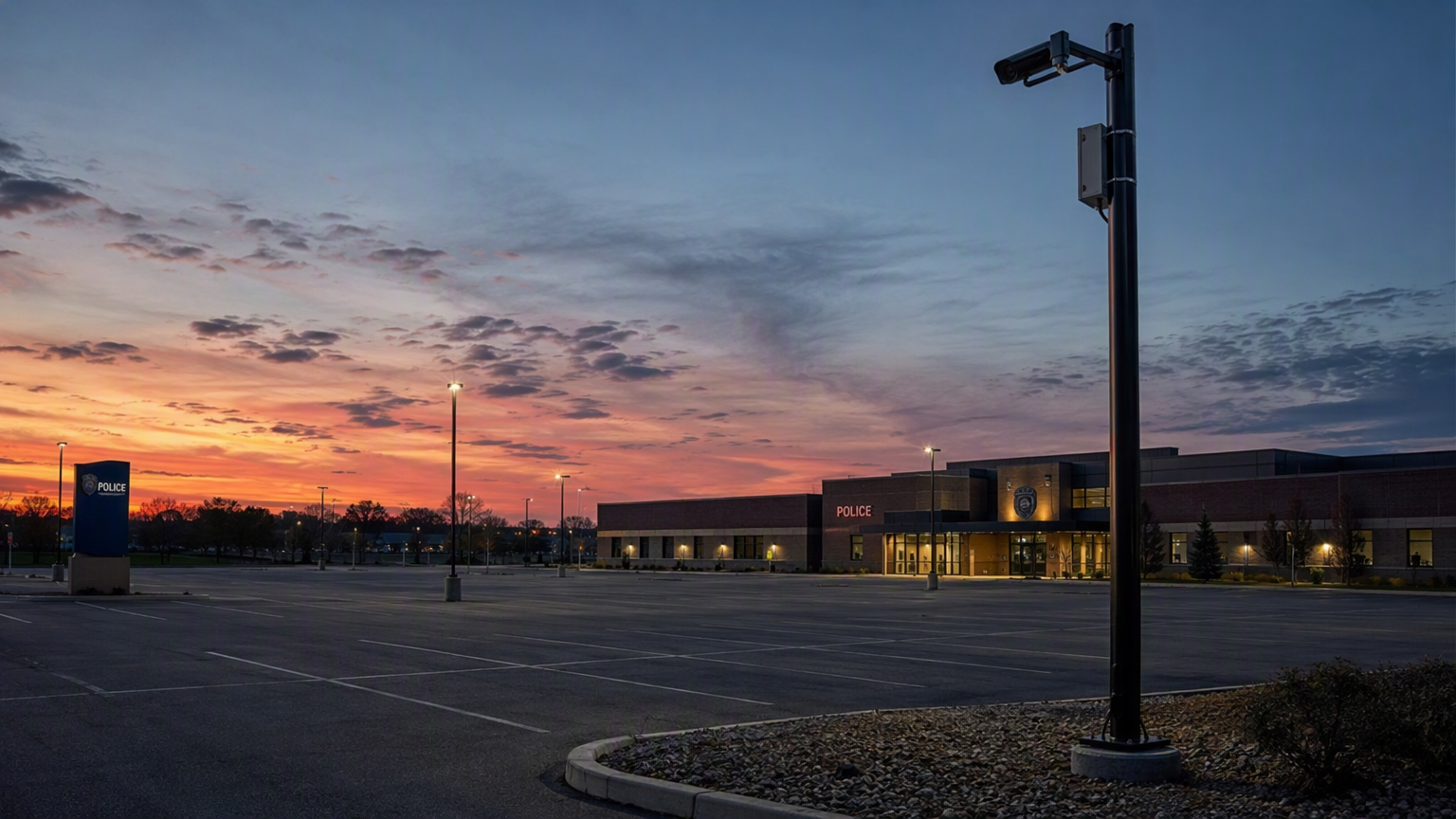
But there’s also a bigger pattern here worth mentioning. Surveillance tech companies have had a rough stretch of public opinion lately. People are more aware than they used to be about how much data gets collected on them just walking around, driving around, existing in public space. And once that awareness kicks in, it doesn’t really go back to sleep.
“You can’t build a surveillance business on trust and then act surprised when the trust runs out.”
That’s basically the whole story in one sentence, if I’m being honest.
What The Buyouts Actually Tell Us
Look, buyouts are basically a company’s way of saying “we need to cut costs but we don’t want the word layoff in the headline.” And it usually works, for a little while. Employees who take the buyout often frame it as their own choice (because financially, sometimes it is a good deal, don’t get me wrong). But structurally? This is cost-cutting. Full stop.
What’s interesting here is the optics problem this creates for Flock. A company selling trust and security to city governments is now dealing with an internal narrative about instability. That’s not a great look when you’re trying to convince the next city council that your product is reliable enough to install on every intersection. If I’m a city official watching this news, I’m asking harder questions before I renew my contract, not fewer.
And I think that’s the real risk for Flock right now. Not the buyouts themselves, those happen at plenty of companies and most people forget about them within a month. The risk is what the buyouts signal to the customers who are already on the fence. Once “is this company stable” becomes part of the conversation, you’re playing defense, not offense.
What This Actually Means
Here’s my honest take: this probably isn’t the last we hear about Flock struggling. Companies built entirely around one type of surveillance product tend to be pretty fragile when public sentiment shifts, because there’s no other business line to fall back on. It’s not like they can pivot to selling something totally unrelated overnight.
Whether this turns into a full unraveling or just a rough quarter that gets fixed with a few new contracts, I honestly don’t know yet. It’s not entirely clear, and probably won’t be for a few months. But the fact that customers are leaving at the same time employees are being offered the door out? That’s not a coincidence. That’s a company trying to get smaller before it has to explain to everyone why it got smaller in the first place.
Worth watching what happens at the next city council meetings where Flock contracts come up for renewal. That’s probably where the real story plays out, not in the buyout memos.