
So apparently you can offer someone $100,000+ a year to work in semiconductor manufacturing and they’ll just… pass. We’re talking about a 157,000-worker gap in the US chip industry, and only 3% of engineering graduates are even considering these jobs. Three percent. I’ve been covering tech and manufacturing for over a decade, and this might be one of the weirder labor market stories I’ve seen.
The Money’s There, But Nobody’s Biting
Here’s what’s driving me nuts about this whole thing. The chip industry is basically waving six-figure salaries around like they’re trying to flag down a cab in the rain, and American workers are just walking past. We’re not talking about some niche specialty here – we’re talking about the actual foundation of modern technology. Your phone, your car, your coffee maker, everything runs on chips. And we can’t find people to make them.
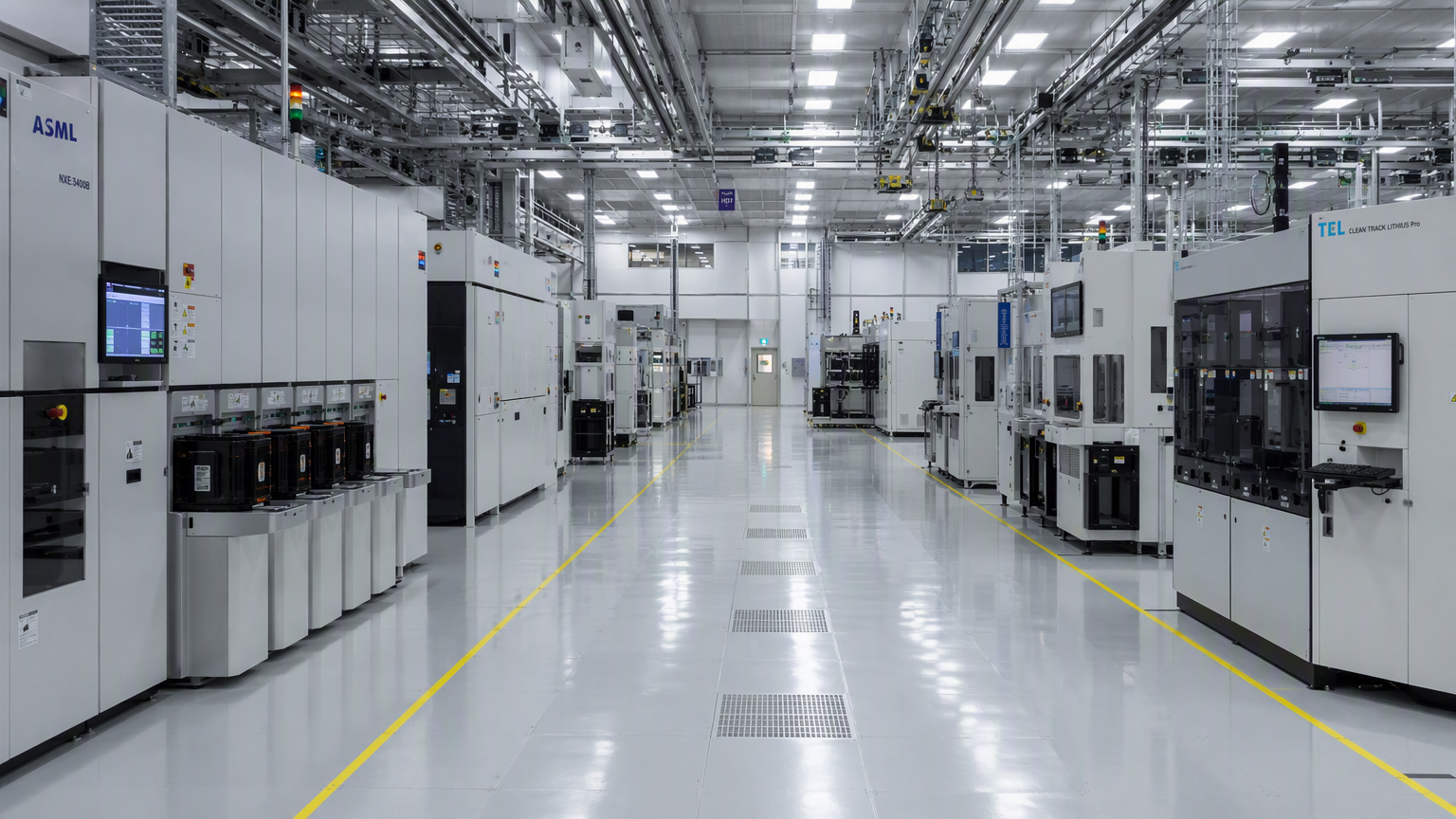
The thing is, this shortage isn’t just some minor headache. It’s 157,000 workers. That’s not a rounding error, that’s basically the entire population of a mid-sized city that needs to materialize and know how to work in a cleanroom. And these aren’t all PhD-level positions either – a lot of these are technician roles, the people who actually keep the fabs running day to day.
But here’s where it gets interesting (and by interesting, I mean frustrating). The CHIPS Act just dumped billions into bringing semiconductor manufacturing back to American soil. We’ve got Intel, TSMC, Samsung all building new fabs in Arizona, Ohio, Texas. Shiny new facilities. Cutting-edge equipment. And absolutely no one to run them.
So What’s Actually Going On?
I’ve talked to enough people in this industry to know the salary thing isn’t the whole story. Yeah, six figures sounds great when you’re graduating with student debt. But here’s what they don’t tell you in the job posting:
These jobs are often in places that aren’t exactly Silicon Valley. We’re talking Ohio. Arizona. Rural Texas. And look, I’m not saying those places are bad – but if you’re a 22-year-old engineering grad from MIT or Berkeley, are you dreaming about moving to Columbus? Probably not. You’re thinking about tech hubs where all your friends are going, where there’s nightlife and culture and other young people.
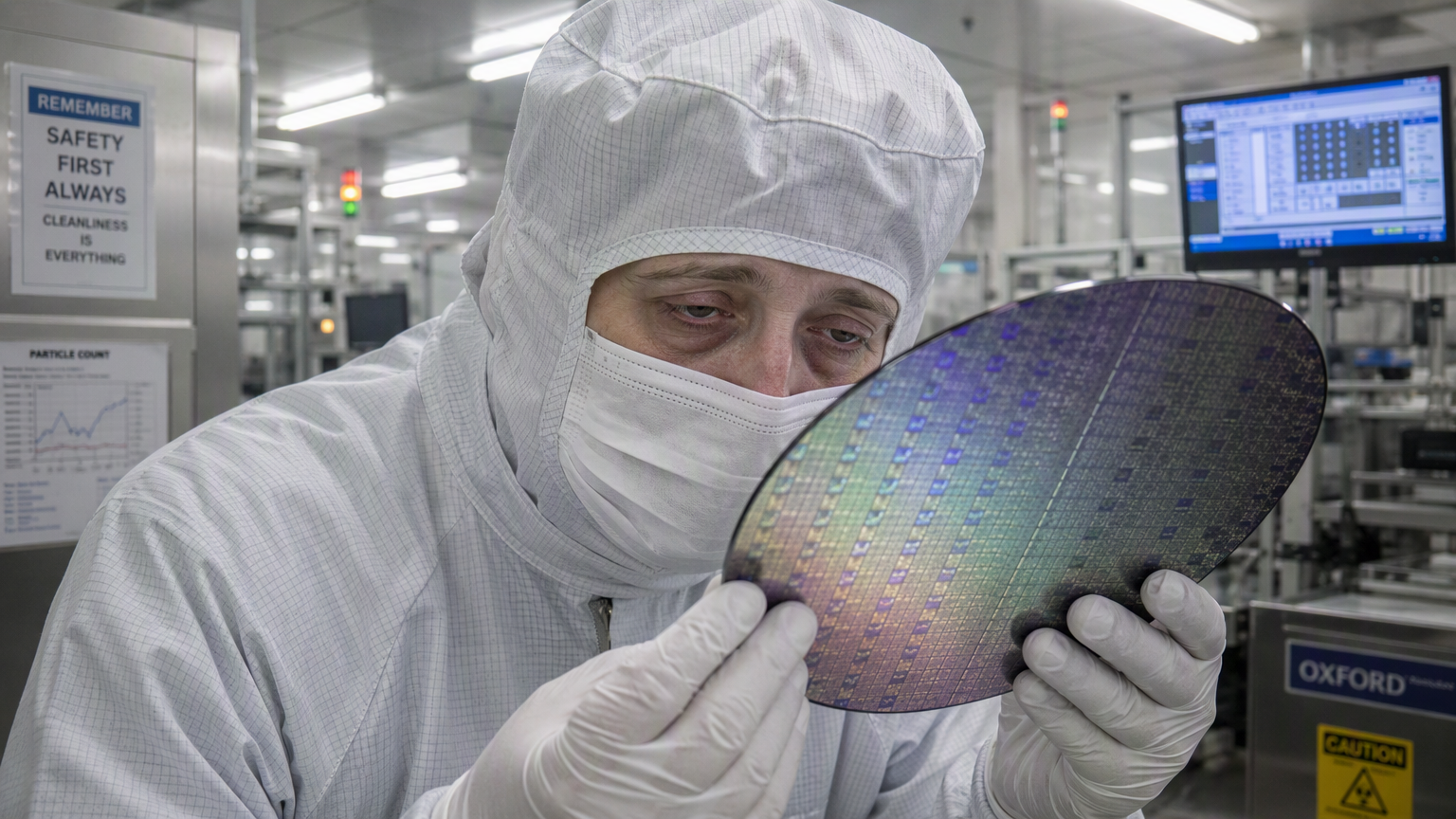
And then there’s the work itself. Chip fabrication is incredibly precise, incredibly repetitive, and incredibly demanding. You’re dealing with processes measured in nanometers. One screw-up can ruin an entire batch. The shifts can be brutal because fabs run 24/7 – these machines can’t just shut down for the weekend. It’s not exactly the glamorous tech job you imagined.
Why Software Ate Everyone’s Lunch
Let’s be honest about what happened here. An entire generation of engineering students watched Facebook and Google and startups turn code into billions of dollars. They saw 25-year-olds become millionaires by building apps in their apartments. They saw “move fast and break things” become an actual business philosophy that somehow worked.
Meanwhile, hardware – and especially chip manufacturing – is the opposite of that. It’s slow, it’s methodical, it requires massive capital investment, and you definitely can’t break things. The glory and the money and the cultural cachet all went to software.
I mean, when’s the last time you saw a semiconductor engineer get interviewed on a podcast about their vision for the future? But software founders? They’re everywhere. The incentive structure is completely lopsided.
“We’re competing with software companies that offer remote work, stock options, and free lunch. We’re offering a cleanroom suit and a 12-hour shift in Arizona.”
One industry recruiter told me that, and honestly? They’re not wrong. The semiconductor industry is trying to win a talent war with a playbook from 1995. Everyone else moved on.
The Real Problem Nobody Wants to Say
Here’s my actual take on this, and it’s gonna be unpopular: The chip industry doesn’t just have a worker shortage. It has a respect shortage.
We spent the last 20 years outsourcing semiconductor manufacturing to Taiwan, Korea, China. We treated it like commodity work that anyone could do, somewhere cheap. The entire American economy reorganized itself around the idea that making physical things was for other countries – we’d do the “smart” work of designing chips and writing software.
And now we’re shocked – shocked! – that American students don’t want to go into manufacturing. We told them for two decades that it wasn’t valuable. That the real innovation happens in software. That hardware is just execution.
You can’t spend 20 years offshoring an entire industry and then snap your fingers and expect a domestic talent pipeline to just exist. It doesn’t work that way. The professors who’d teach this stuff went into other fields. The companies that would provide internships weren’t here. The whole ecosystem dried up.
What This Actually Means
Look, I don’t have a tidy solution here. The government’s throwing money at this problem, but you can’t just buy your way out of a cultural shift this big. Money helps, sure. But it doesn’t change the fact that an entire generation of engineers grew up thinking software was where it’s at.
The chip companies need to actually make these jobs appealing beyond the salary. Remote work where possible. Better locations or serious relocation packages that make moving to Ohio actually attractive. Career paths that lead somewhere interesting, not just 30 years in a cleanroom. And maybe – just maybe – some actual respect for the fact that making chips is incredibly difficult, highly skilled work that literally powers modern civilization.
Because right now? We’re about to have the most advanced chip fabrication facilities in the world sitting in America with nobody to run them. And that’s not a worker shortage. That’s a reckoning.