Gloria Steinem died Wednesday at 92, and honestly? I’m sitting here trying to figure out how to write about someone who basically rewired how half the population thinks about itself. No pressure or anything.
She passed away peacefully at her home in New York City – which feels almost too quiet for someone who spent six decades making noise in all the right ways. The announcement came Thursday on her Instagram (yes, she had Instagram, and yes, she was more online than most of us), and the tributes started flooding in immediately. Because of course they did.
The Woman Who Made “Ms.” a Thing
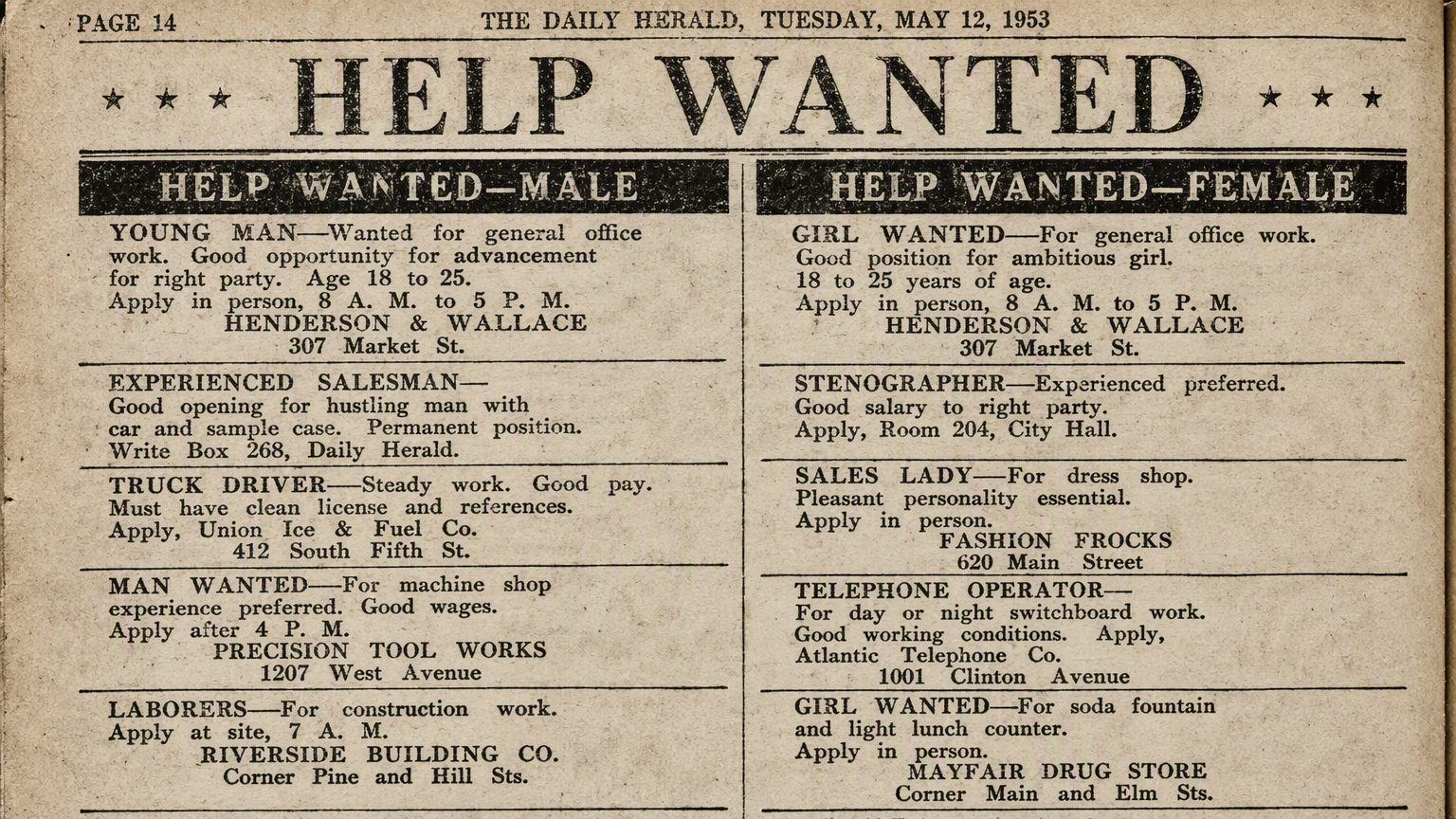
Look, if you’re under 40, you probably don’t realize how radical it was to co-found Ms. Magazine in 1972. I mean, we’re talking about a time when women couldn’t get credit cards without their husband’s permission. When want ads were divided into “Help Wanted – Male” and “Help Wanted – Female.” When the idea that a woman’s identity shouldn’t be tied to her marital status was genuinely controversial.
Steinem didn’t just start a magazine. She created a platform that told millions of women their anger was justified, their ambitions were legitimate, and their experiences mattered. The first issue had Wonder Woman on the cover – a choice that seems almost too on-the-nose now, but back then it was basically a manifesto. This wasn’t Cosmopolitan telling you how to please your man. This was journalism that actually treated women like thinking adults.
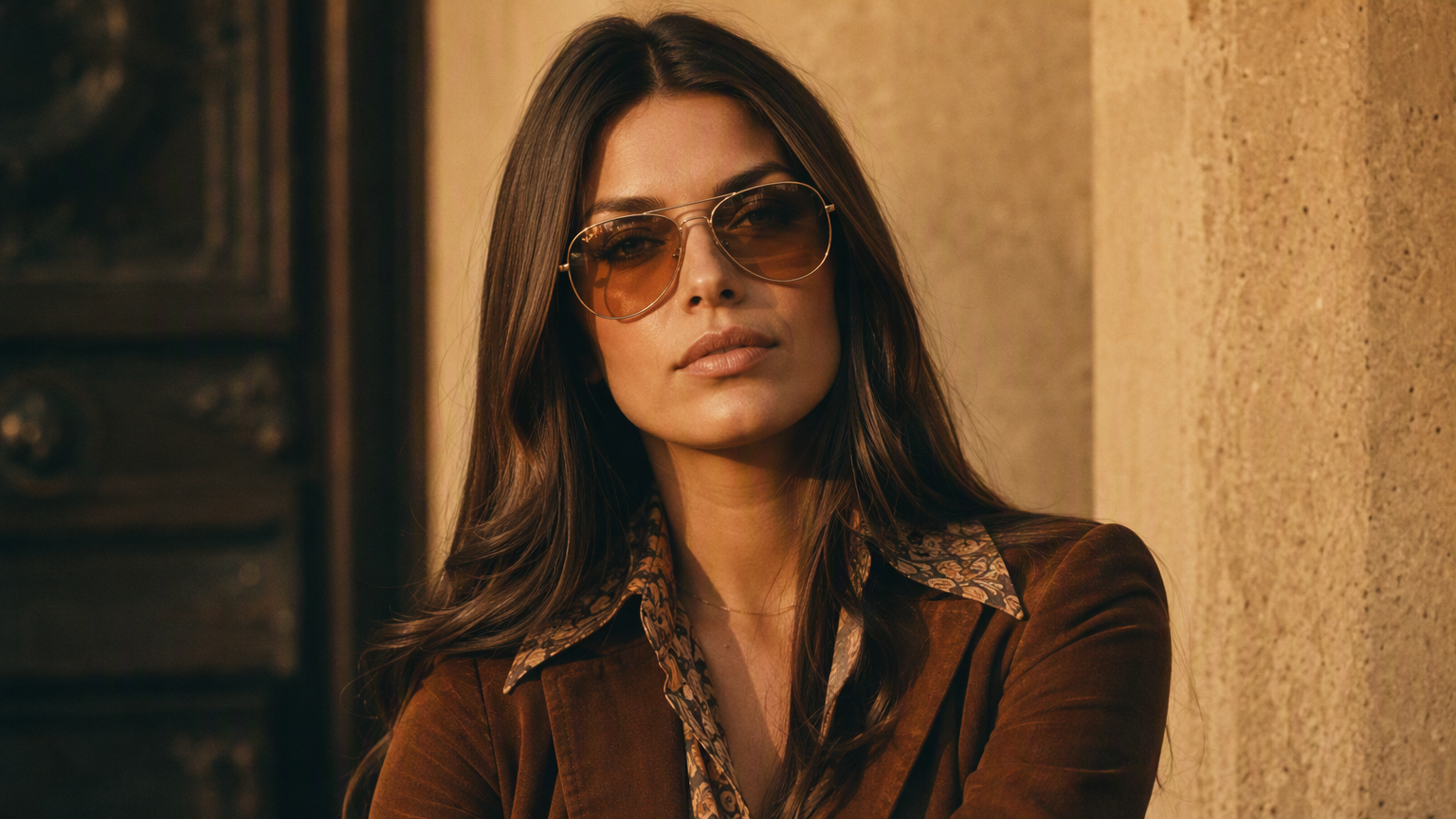
And here’s the thing – she did it while being glamorous. The aviator glasses, the long straight hair, the whole look. Some people gave her grief for that, like you couldn’t be serious about feminism if you were attractive. Which is exactly the kind of bullshit double standard she spent her career dismantling.
Before She Was Famous
Steinem came up as a journalist in the 1960s, which meant dealing with assignments like “write about contraception from a woman’s perspective” when that was still pretty scandalous. In 1963, she went undercover as a Playboy Bunny for a piece in Show magazine – complete with the ears, the tail, the whole degrading setup. The article she wrote wasn’t some cutesy “day in the life” thing. It was a detailed takedown of how the club treated its workers, and it’s still taught in journalism schools.
But that piece also kind of haunted her for years. People wanted to talk about Gloria the Bunny instead of Gloria the serious journalist. She had to fight twice as hard to be taken seriously, which probably made her better at articulating why these systems were broken in the first place.
What Made Her Different
There were other feminist leaders in the ’60s and ’70s – Betty Friedan wrote The Feminine Mystique, Bella Abzug was in Congress, Shirley Chisholm ran for president. But Steinem had this ability to connect with regular people that a lot of activists just don’t have.
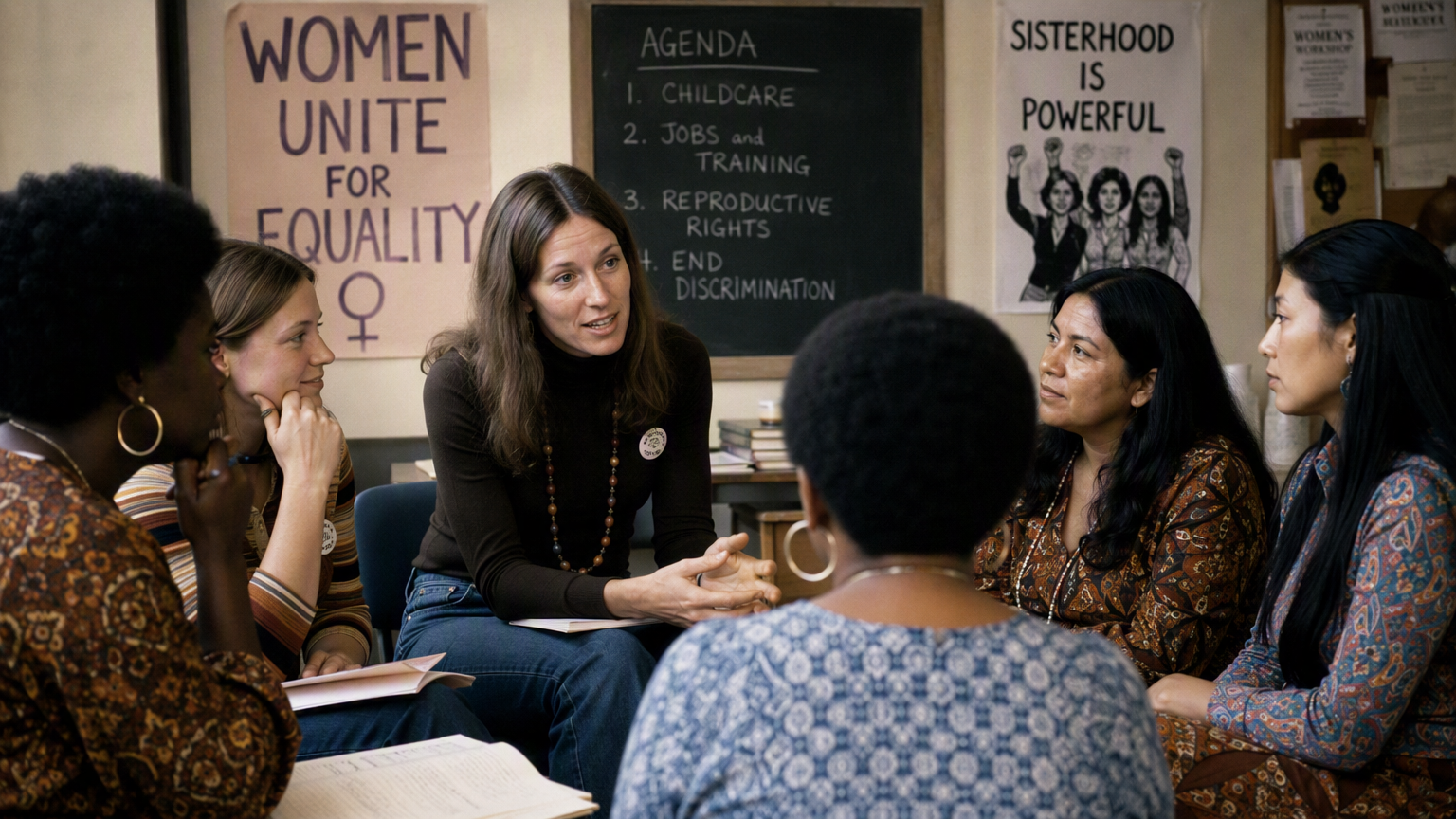
She could be on TV explaining reproductive rights to a mainstream audience, then turn around and organize grassroots campaigns, then write something for Ms. that made a college student in Ohio feel less alone. She didn’t talk down to people, and she didn’t make feminism sound like homework. It was more like: hey, you’ve probably noticed these things are unfair, right? Let’s do something about it.
“A woman without a man is like a fish without a bicycle.”
That quote gets attributed to her constantly (she didn’t actually coin it, but she definitely popularized it), and it captures something essential about her approach. Witty, pointed, memorable. Not a lecture – a zinger that makes you laugh and then think.
The Messy Parts We Don’t Talk About Enough
Here’s where I’m gonna be honest about something that tends to get glossed over in obituaries: second-wave feminism had major blind spots, and Steinem wasn’t immune to them.
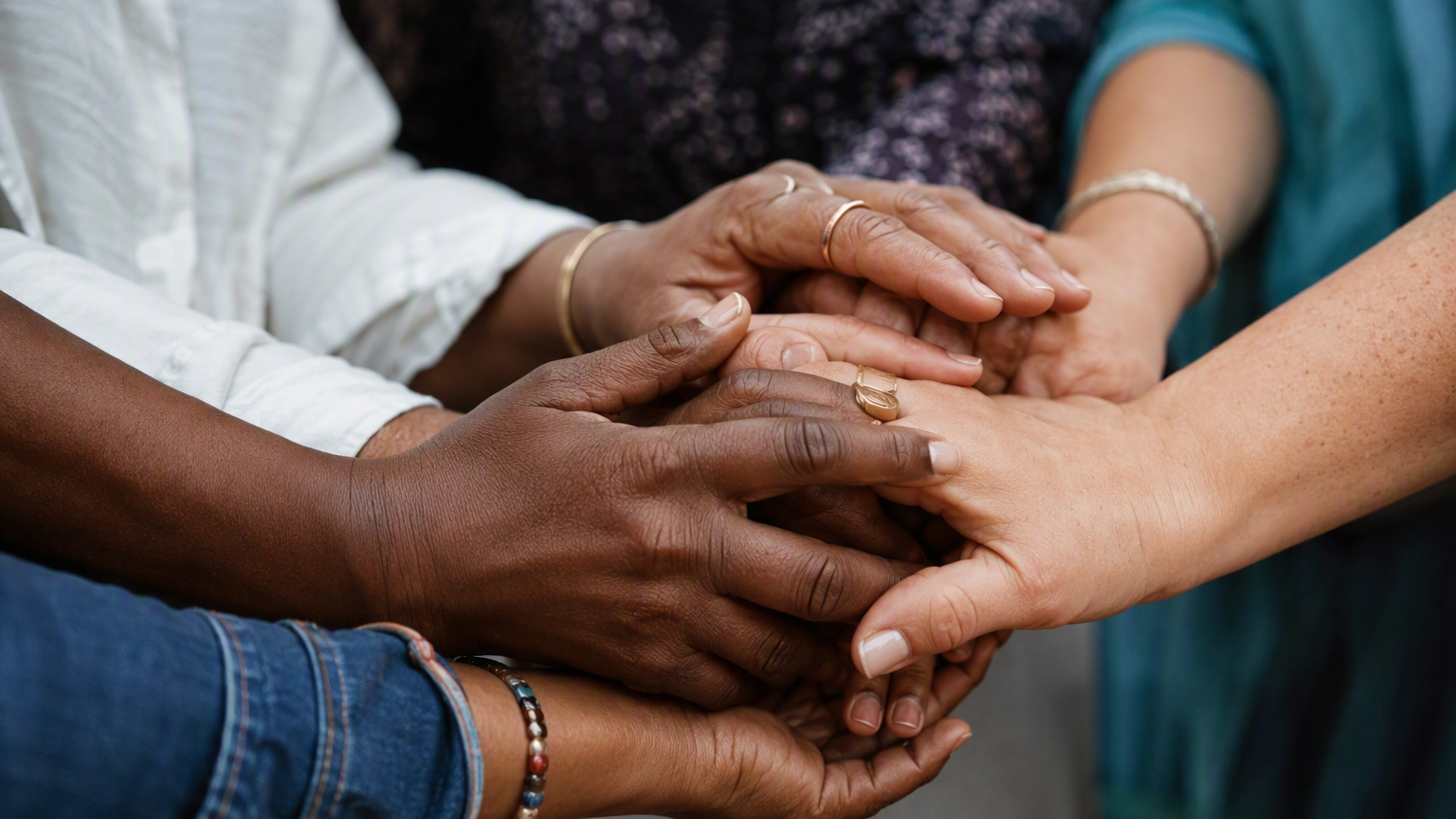
The movement was overwhelmingly white and middle-class for way too long. Women of color, particularly Black feminists, were doing incredible work and often got sidelined or tokenized. Steinem did make efforts to build coalitions – she worked with Dorothy Height, Flo Kennedy, and others – but the power dynamics were always complicated. And intersectionality (before that term even existed) wasn’t really baked into the mainstream feminist agenda the way it needed to be.
She also married for the first time at 66, which raised eyebrows among people who’d built her up as this symbol of female independence. Like she’d somehow betrayed the cause by falling in love. Which is absurd, obviously, but it shows how we turn activists into icons and then get mad when they’re human.
To her credit, she evolved. She talked more about race and class as she got older. She supported LGBTQ+ rights before it was politically safe. She kept learning, which is maybe the most important thing you can say about someone who spent decades in the public eye.
The Work That Outlives Her
Steinem lived long enough to see some of her biggest wins – and some devastating losses. She saw the passage of Title IX, watched women enter the workforce in record numbers, witnessed the first woman on a major party presidential ticket (and then the second, and then the third).
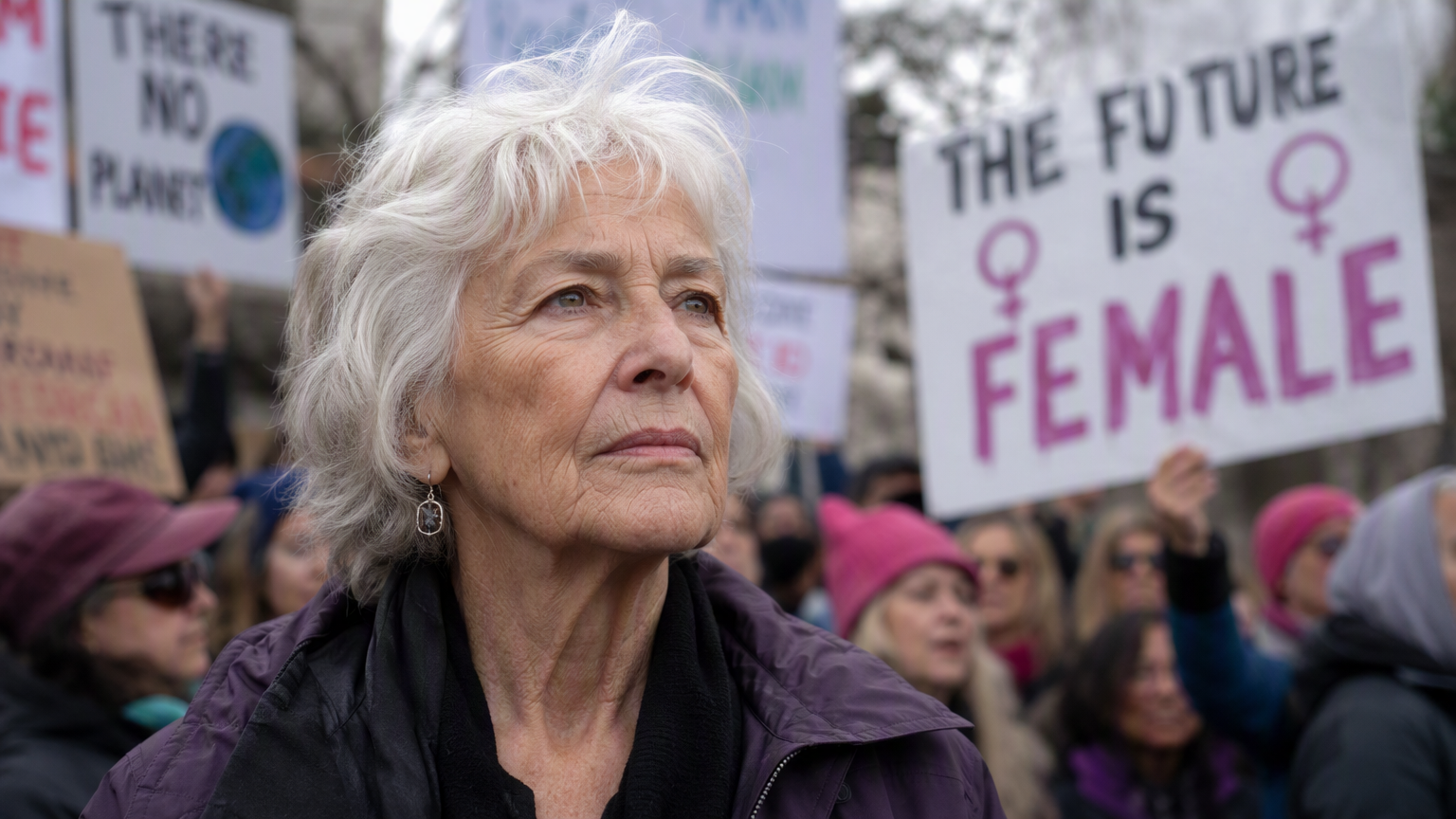
She also saw Roe v. Wade get overturned. Saw the Equal Rights Amendment fail. Watched a man who bragged about sexual assault get elected president. That had to hurt, right? Spending your whole life pushing this boulder uphill, making real progress, and then watching it roll backwards.
But she kept showing up. She was still giving talks, hosting those talking circles at her apartment, working on a memoir right up until she died. At 92. Most people that age are (rightfully) taking it easy, and she was still out here trying to make the world less terrible.
What This Actually Means
The truth is, Steinem’s death feels symbolic in ways that make me uncomfortable. We’re losing the generation that built the foundation, and I’m not totally convinced we’re ready to hold up the structure by ourselves.
She wasn’t perfect – nobody is, and we need to stop expecting our activists to be saints. But she was fierce and smart and she showed up for decades when it would’ve been easier to cash out and write her memoirs and give the occasional soft-focus interview.
The question now is whether we’ve actually internalized the lessons. Because it’s not enough to post RIP on Instagram (though I’m sure we all will). The systems she fought against – the ones that treat women as less-than, that police our bodies, that pay us less and promote us slower and take our ideas less seriously – those are all still here. Maybe with better PR, but still here.
Gloria Steinem spent 60 years telling us we didn’t have to accept that. Now we’ve got to prove she was right.