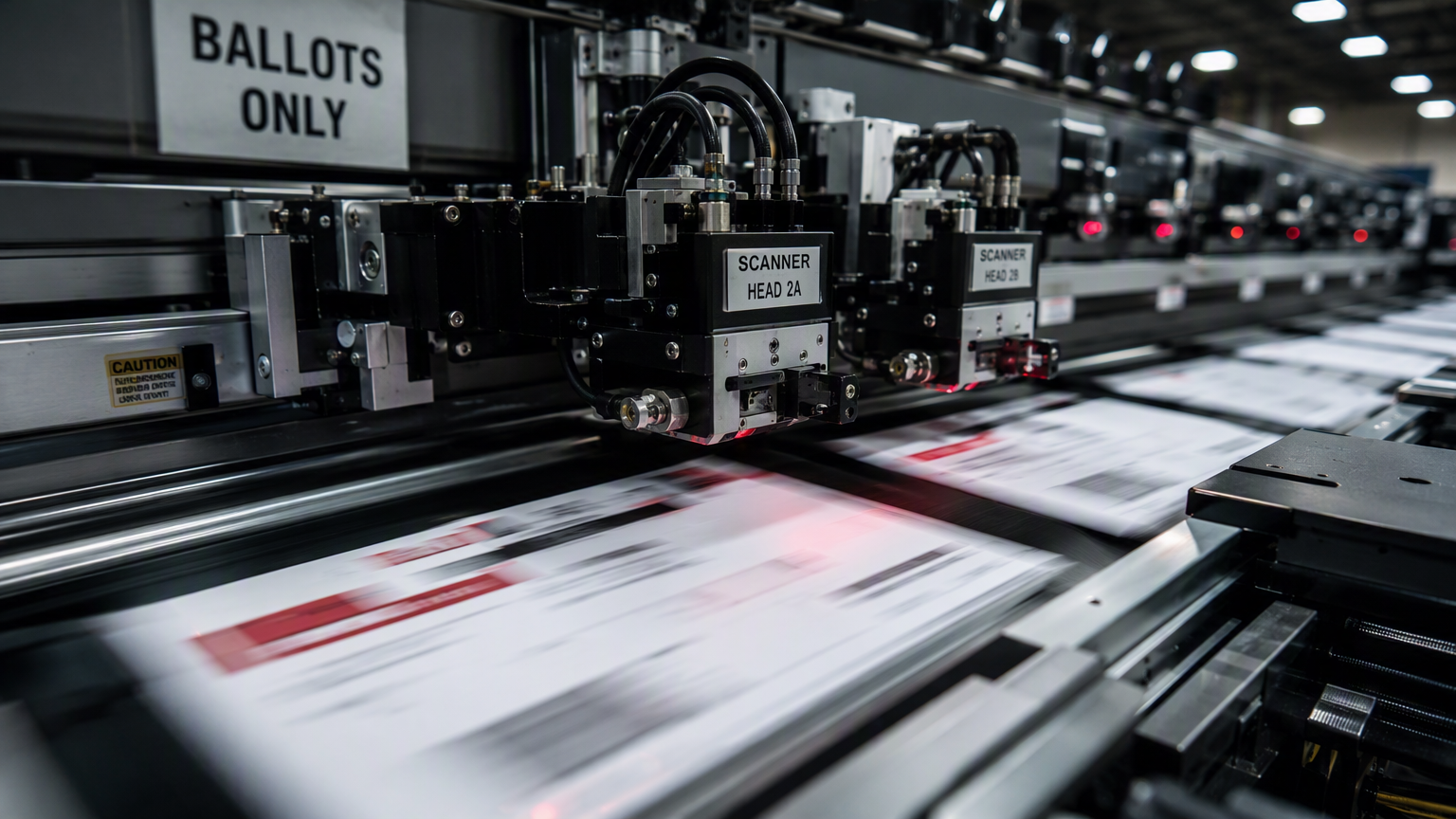
A whistleblower just walked into the spotlight and said the quiet part out loud: the Postal Service’s new system for scanning mail-in ballots got rushed out the door before anyone was really sure it worked right. Not “rushed” like they skipped a coffee break. Rushed like they skipped steps that, you know, matter.
So What Actually Happened Here
Here’s the gist, from what’s surfaced so far. USPS rolled out a new screening system meant to flag and track mail ballots as they move through the postal pipeline, presumably to speed things up and cut down on lost or delayed ballots. Sounds great on paper. Except according to the whistleblower account making the rounds, the rollout timeline got compressed hard, and the people actually testing this thing on the ground floor were raising concerns that, let’s just say, didn’t get the attention they deserved.
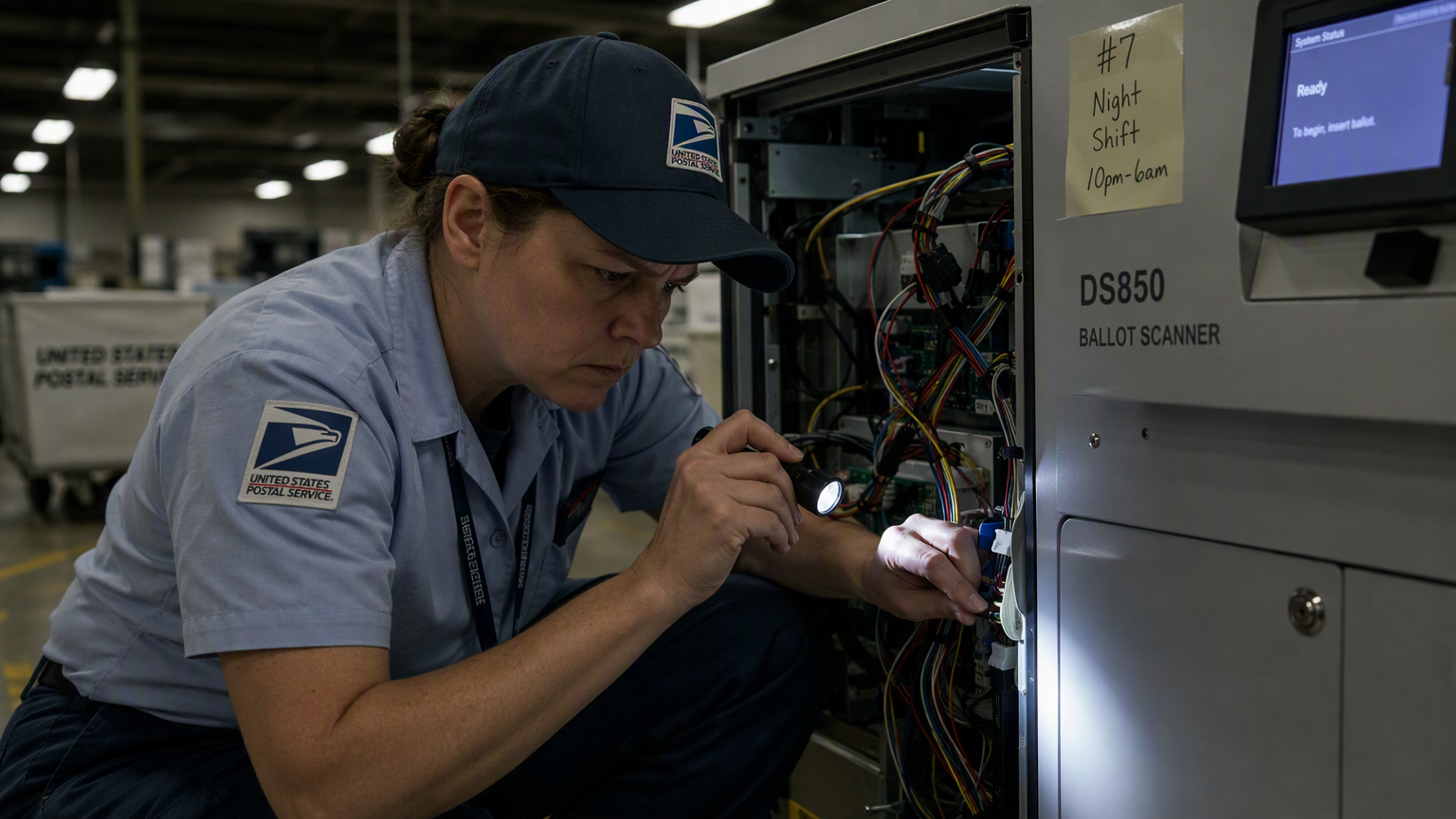
And look, I get why this stuff moves fast. Election deadlines don’t budge for anybody. But there’s a difference between moving fast and moving recklessly, and the line between those two gets blurry real quick when you’re dealing with something as sensitive as ballot infrastructure. This isn’t a new food delivery app where a bug means someone’s burrito shows up cold. This is the actual mechanism by which votes get counted or don’t.
The Whistleblower Angle
Whistleblower stories are always a little messy by nature, because you’re getting one person’s account of internal chaos, usually without the full paper trail sitting right in front of you. That said, when someone with actual firsthand knowledge steps forward and says “this was rushed,” I tend to take that seriously. People don’t usually blow up their careers over nothing. There’s typically a real grievance underneath, even if the details need more digging.
Why Should Anyone Outside USPS Care?
Because mail-in voting has become a massive chunk of how this country votes now. We’re talking tens of millions of ballots moving through the postal system every election cycle. If the tech meant to track and screen those ballots has flaws baked in from a rushed launch, that’s not some abstract IT hiccup. That’s ballots potentially getting mishandled, misrouted, or flagged incorrectly at scale.
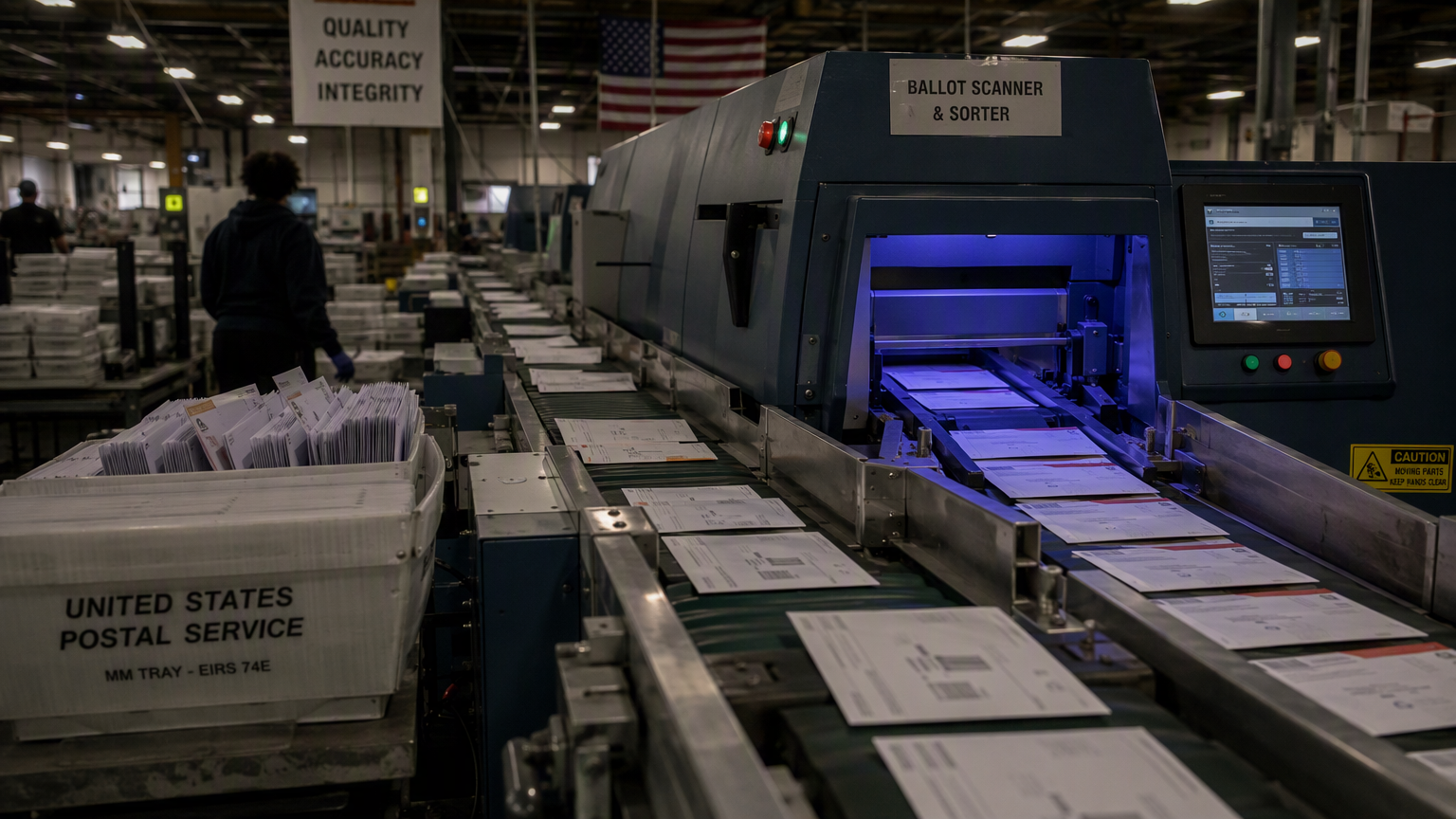
“You don’t get to rush the thing that safeguards democracy and call it a win because you hit a deadline.”
That’s basically the sentiment running through this whole story, whether or not anyone said it in exactly those words. The pressure to hit a launch date and the pressure to get something this important actually right are, more often than not, in direct conflict. And when they are, something’s gotta give. Usually it’s quality control. It’s always quality control.
The Bigger Pattern Here
I’ve covered enough government tech rollouts to recognize this shape when I see it. Agency announces new system, timeline gets set by people who aren’t the ones building it, engineers and testers flag problems, those concerns get “noted” and then quietly steamrolled because the calendar doesn’t care about your bug list. Then the system launches anyway, and everyone crosses their fingers.
Sometimes it works out fine. Sometimes you get a mess that takes months to untangle. The problem with ballot systems specifically is there’s no room for “we’ll patch it in the next update.” Elections happen on a fixed date. There’s no soft launch, no beta testing with real stakes attached the way this has stakes attached.
Not gonna lie, this also plugs right into a narrative that’s already loud and messy in this country: distrust in how ballots get handled. Doesn’t matter which side of the aisle you’re on, stories like this get picked up and run with, sometimes fairly, sometimes not. A rushed system with real flaws is a gift to anyone looking to cast doubt on the process, whether or not their doubt is coming from a good faith place.
What This Actually Means
Here’s my honest read: USPS probably didn’t set out to build something sloppy. Government IT projects get squeezed by budgets, timelines, and political pressure from every direction, and something usually breaks under that weight. But intent doesn’t matter much once the thing is live and people are trusting it with their vote.
What I’d want to see next is some actual transparency. Not a press release with corporate-speak reassurances, but real answers. What specifically got skipped. Who raised concerns and what happened to those concerns. And whether there’s a fix in place before the next big election cycle, not after.
Because if there’s one thing that erodes trust faster than a flawed system, it’s a flawed system nobody wants to talk straight about.