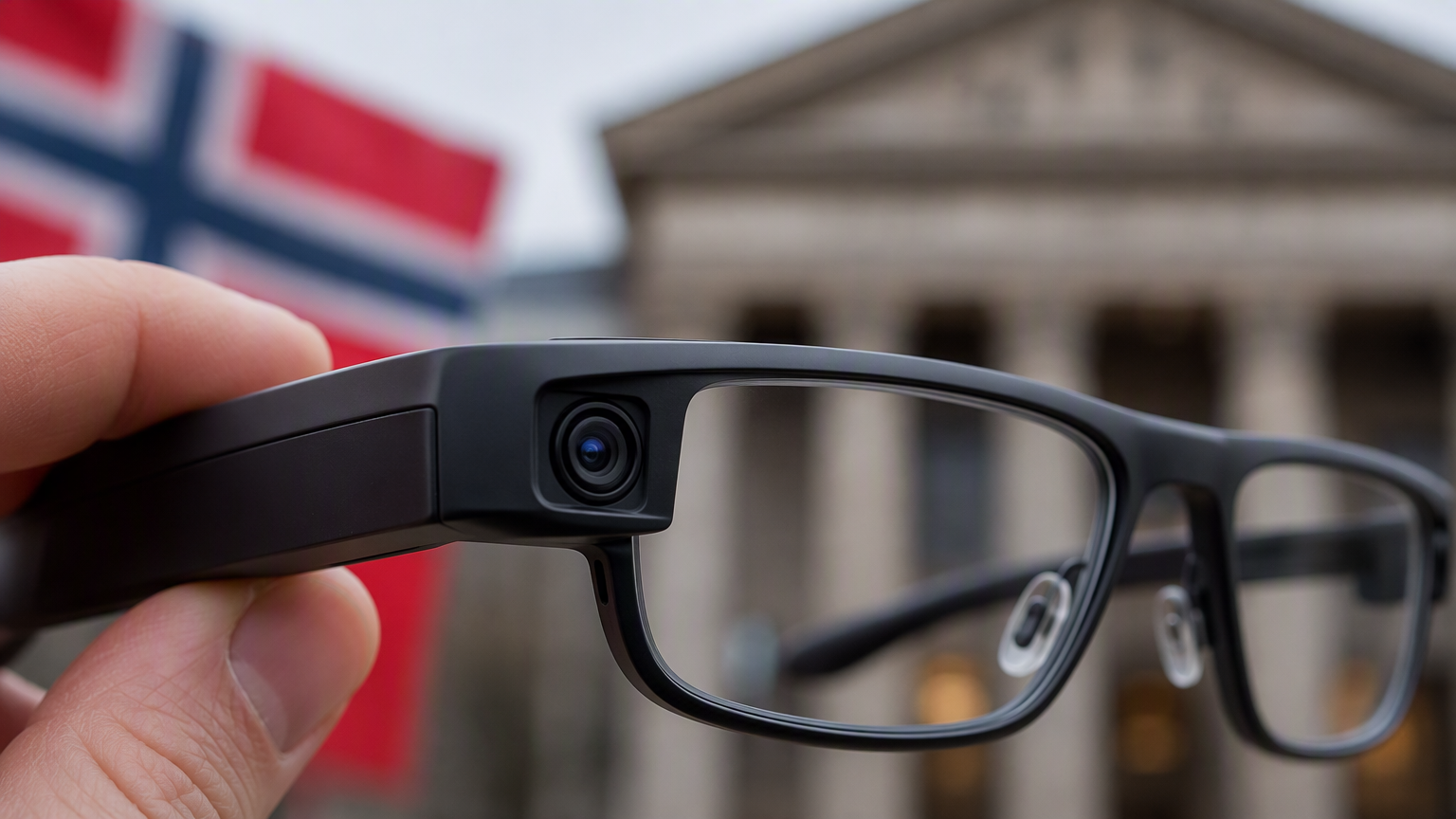
Norway just gave the internet’s least favorite nickname for smart glasses some serious legal weight. Lawmakers there are looking at banning camera-enabled wearables, the kind that let you record people without them ever knowing, and Reddit (naturally) has already crowned them “pervert glasses.” Charming. But also, kind of accurate?
So What’s Actually Happening Here
The short version: Norway’s government is weighing restrictions on wearable devices with built-in cameras, the Meta Ray-Bans and similar gadgets that look like normal sunglasses but can quietly film everything in front of you. No blinking light. No obvious tell. Just… recording. And that’s the whole problem, isn’t it? These things were designed to be discreet, and discreet is exactly what makes people nervous.
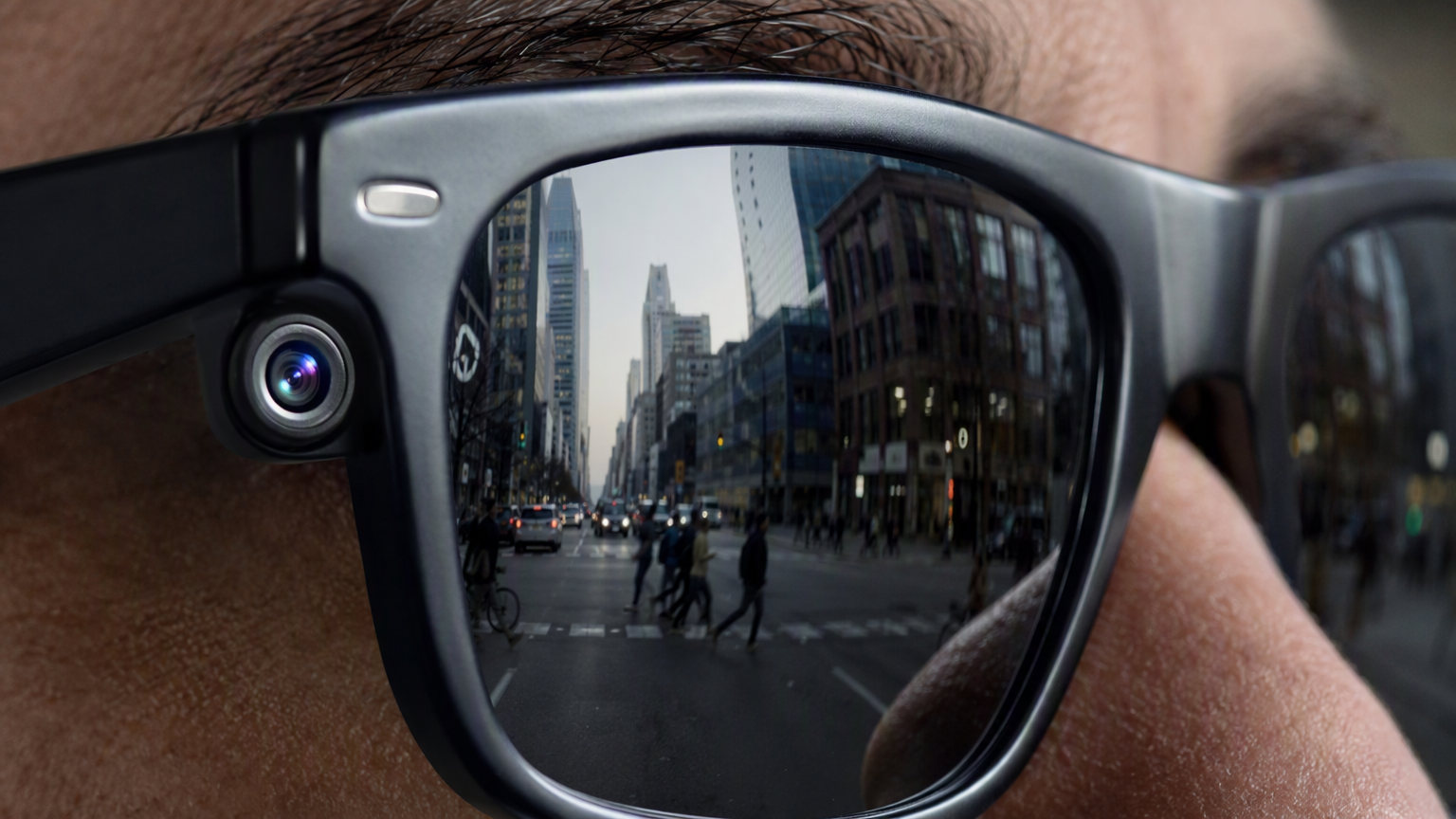
I’ve been skeptical of this product category since it launched, not gonna lie. Everyone talks about how “seamless” and “natural” it feels to just glance at something and capture it. Great for you. Less great for the person standing next to you in a locker room, on a train, at a bar, who has no idea they might end up as content. Norway seems to have landed on the same conclusion a lot of privacy advocates have been shouting about for a while now: convenience for one person can be surveillance for everyone else.
Why Norway, Specifically
Norway has always been kind of aggressive about digital privacy compared to, say, the US. They were early and loud on GDPR enforcement, they’ve gone after facial recognition companies, and their Data Protection Authority doesn’t seem to mess around. So this isn’t some random overreaction. It fits a pattern.
The “Pervert Glasses” Problem Nobody Wants to Say Out Loud
Let’s be honest about why this nickname stuck. It’s not subtle, but it’s not wrong either. The main fear isn’t some dystopian government surveillance angle (though sure, that’s in there too). It’s much more personal and much creepier than that: someone secretly filming you in a changing room, on a beach, in a bathroom line, and you finding out later, if you find out at all.
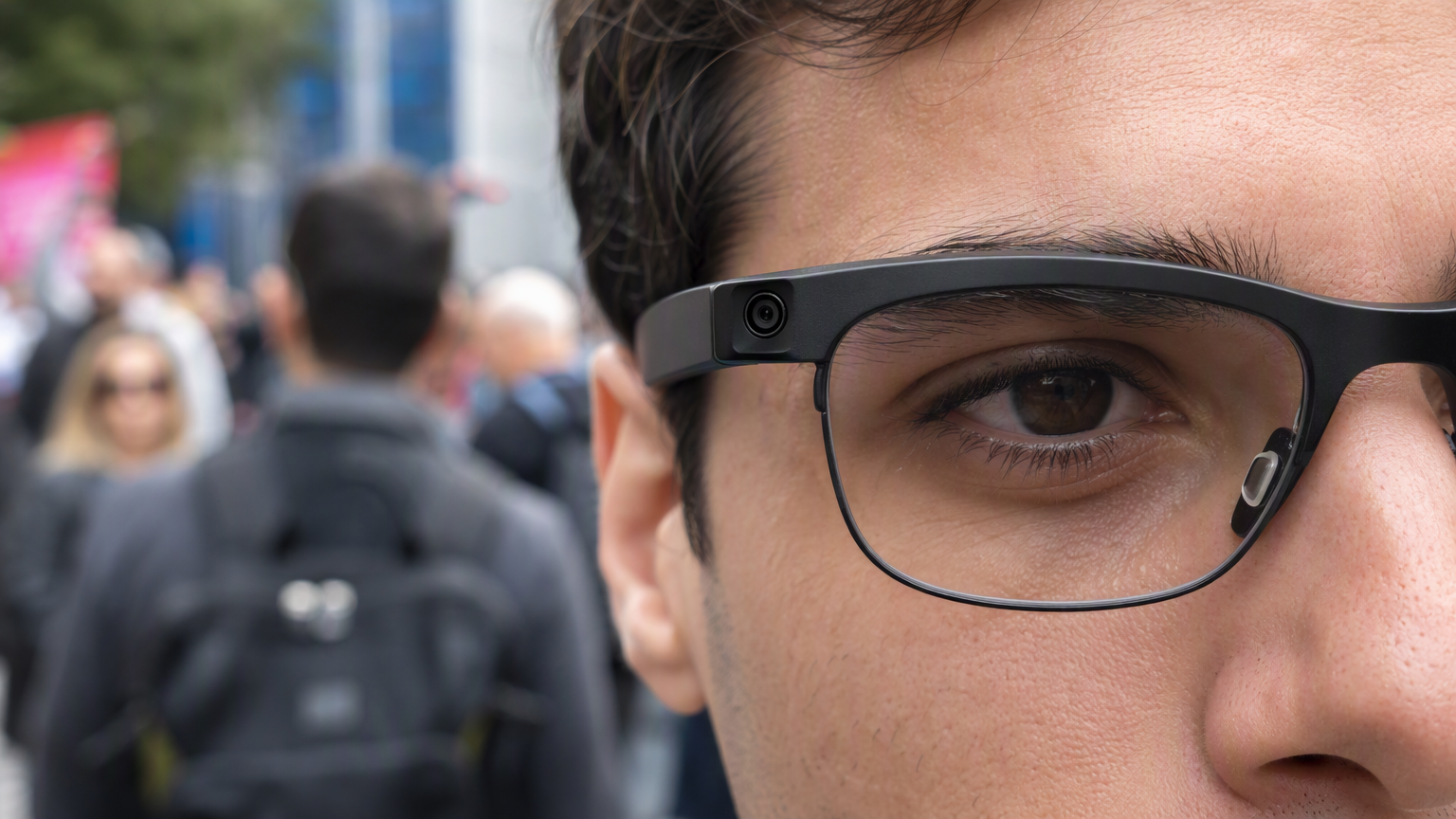
That’s the thing about this tech. It’s not illegal to wear glasses. It’s not obviously illegal to record in public in a lot of places. But stack those two things together with a device built specifically to hide the fact that recording is happening, and you’ve basically built a tool for exactly the kind of abuse everyone’s worried about. Manufacturers will tell you there’s an LED indicator or some other safeguard. Cool. Ask ten random people on the street if they’d notice a tiny light on someone’s glasses from six feet away. I’ll wait.
“The technology has outpaced the social contract around consent and recording, and now regulators are scrambling to catch up.”
This Is Bigger Than Just Norway
Here’s what’s interesting though. This isn’t just a Norway story, even if the headline makes it sound that way. Once one country with a track record of strict privacy enforcement moves on this, other regulators start paying attention. The EU has already flirted with tighter rules around biometric data and covert recording devices. If Norway actually follows through with a ban, or even strict restrictions, that becomes a talking point in Brussels pretty fast.
And honestly, the tech industry kind of saw this coming. Meta’s smart glasses rollout got side-eyed by privacy groups from day one. Google Glass, remember that? Died a slow, awkward death partly because people hated being filmed without knowing it, and there was even a term for it: “Glasshole.” History has this weird way of repeating itself, just with better hardware each time.
What This Actually Means
My honest take? I think Norway’s onto something, even if the enforcement side of this is going to be a nightmare. How do you actually ban a category of hardware without banning legitimate uses, like accessibility tools for people with visual impairments, or just… regular photography? That’s the messy part nobody’s fully solved yet.
But the direction feels right to me. We built these devices faster than we built any real consent framework around them, and now we’re paying for that gap. I don’t think this ends with a full outright ban, if I’m being honest. I think it ends with something messier: mandatory visible indicators, restrictions in certain spaces like gyms and bathrooms, maybe fines steep enough to make manufacturers actually care. Whatever happens, this won’t be the last country to have this fight. Probably not even close.