New York City just told a million-plus public school kids: no ChatGPT for you. Not until high school, anyway. The Department of Education announced this week that AI tools are getting yanked from classrooms for anyone below 9th grade, and honestly? I’ve been waiting for someone with this much scale to just… do something. Anything. Instead of the usual hand-wringing.
Okay, So What Actually Happened
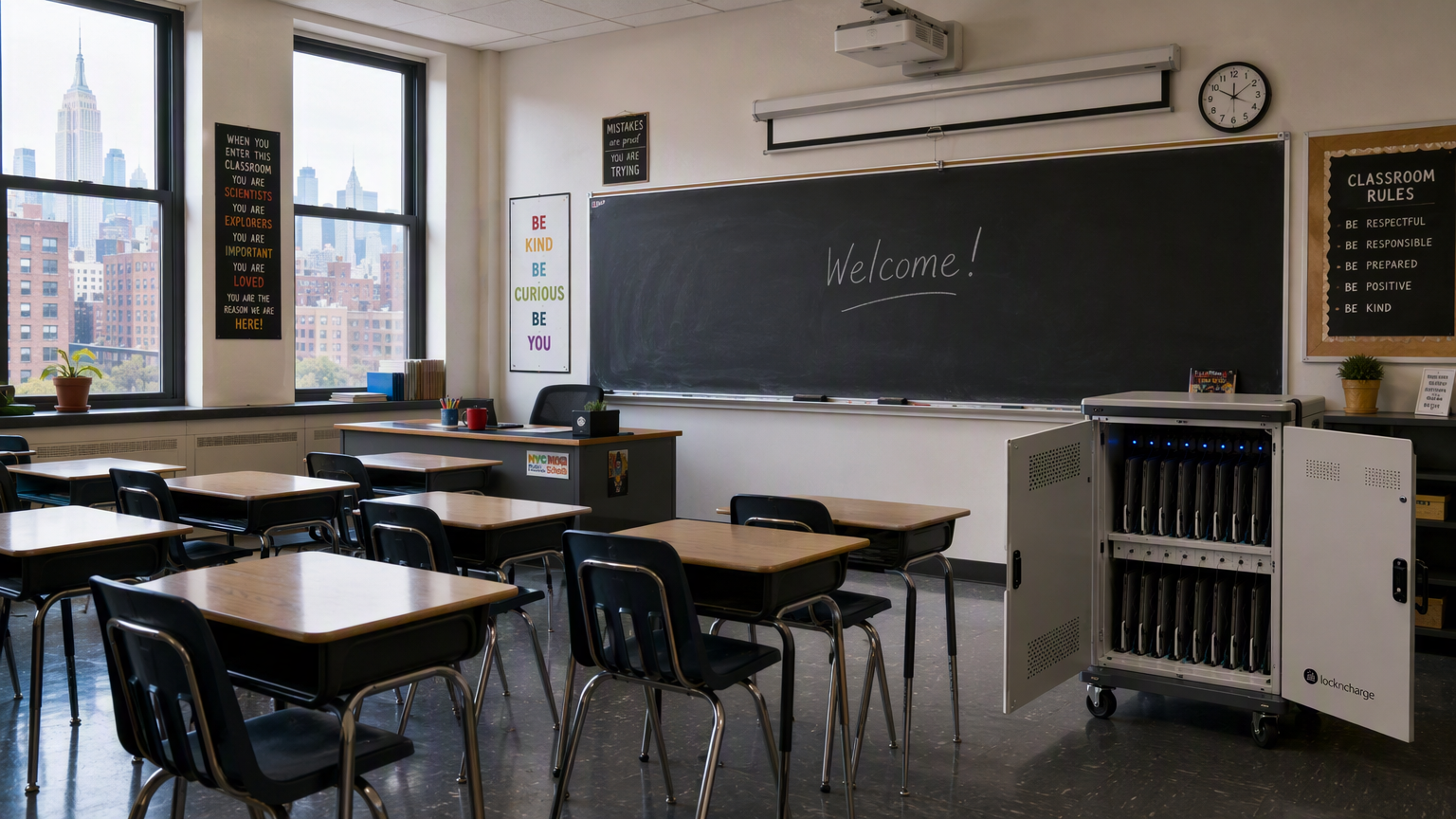
Here’s the deal. NYC schools, the largest public school system in the country (we’re talking over 900 schools, more than a million students), rolled out a policy that basically pumps the brakes on AI for elementary and middle schoolers. High schoolers get some access, but even that comes with guardrails. Teachers are getting new training. Devices are getting locked down. It’s a full-on classroom tech overhaul, not just a quiet memo nobody reads.
And look, I get why this is happening. Walk into basically any middle school in America right now and you’ll find kids using AI to write essays about books they never opened. Not gonna lie, I probably would’ve done the same thing at 13 if it existed back then. Kids are kids. They take the shortcut. That’s not a moral failing, that’s just… being a person with a brain that likes efficiency.
The Reddit Reaction Was Kind Of Wild
This story blew up on r/technology, and the comments were split in a way that felt pretty revealing. Some people were cheering, saying it’s about time someone protected kids from becoming AI-dependent before they even learn to think for themselves. Others were rolling their eyes, arguing this is a losing battle – like banning calculators in the 80s, except this time the genie’s really out of the bottle and it’s not going back in.
Is This Actually Going To Work, Though?
This is where I start getting a little skeptical. Banning something at school doesn’t mean it disappears from a kid’s life. These kids go home to phones, tablets, laptops – all the places AI already lives quietly in the background of apps they use for homework, games, even texting their friends. Snapchat’s AI. Google’s AI. It’s everywhere. NYC can control classroom devices, sure, but they can’t control what happens on a kid’s personal phone at 9pm while “doing homework.”
The thing is, this reminds me a lot of the cell phone bans a lot of districts have been rolling out over the past couple years. Some worked decently well. Others turned into a game of cat and mouse between students and administrators, with kids getting more creative than the IT department. I’ve talked to teachers who say the phone bans helped attention spans, for real, kids seem more present. So maybe there’s precedent here that gives NYC’s plan a fighting chance.
“We want kids to actually learn how to think before we hand them a tool that thinks for them” – which, fine, I actually don’t hate that framing.
The Part Everyone’s Kind Of Skipping Over
What’s interesting here isn’t just the ban itself, it’s the timing. This is happening right as AI companies are aggressively pushing “education” versions of their products into schools. Free tiers. Teacher dashboards. The whole sales pitch. NYC essentially just told every one of those companies “not yet, not for our little kids,” and that’s a pretty loud signal for a district this size to send. Other cities watch what NYC does. They always have, whether it’s mask mandates or curriculum changes or, apparently, AI policy.
I also think there’s something almost refreshing about a major institution admitting “we don’t fully know what this does to a developing brain yet, so let’s slow down.” We didn’t get that kind of caution with social media, and look how that turned out. Ten years too late, we’re now scrambling with lawsuits and surgeon general warnings. Maybe NYC’s just trying not to repeat that mistake with AI. Or maybe I’m being too generous and it’s mostly about liability and standardized test scores. Probably a mix of both, if I’m being honest.
What Teachers Actually Think
From what I can tell scrolling through educator forums and that Reddit thread, teachers are cautiously relieved. A lot of them have been drowning trying to figure out if an essay is AI-written or not, spending hours playing detective instead of, you know, teaching. Taking that tool away entirely for younger grades removes a whole layer of stress they didn’t sign up for. That part I get completely.
What This Actually Means
Here’s my honest take: this policy is going to be messy in practice. Enforcement across 900+ schools with wildly different resources and tech literacy levels among staff? That’s a logistical nightmare waiting to happen, and I’d bet money some schools basically ignore it within a year while others go full lockdown mode. But the intent behind it, protecting the youngest kids from outsourcing their thinking before they’ve even developed it, that part I actually respect.
The bigger question nobody’s really answering yet is what happens at that high school cutoff. Does a 14-year-old suddenly get handed unrestricted AI access with zero ramp-up? That seems like it could backfire just as easily as no restrictions at all. This feels like a first draft of a policy, not a final answer. And honestly, given how fast this technology moves, maybe that’s the most realistic thing NYC could’ve done – pick a line, plant a flag, and figure out the rest as they go.