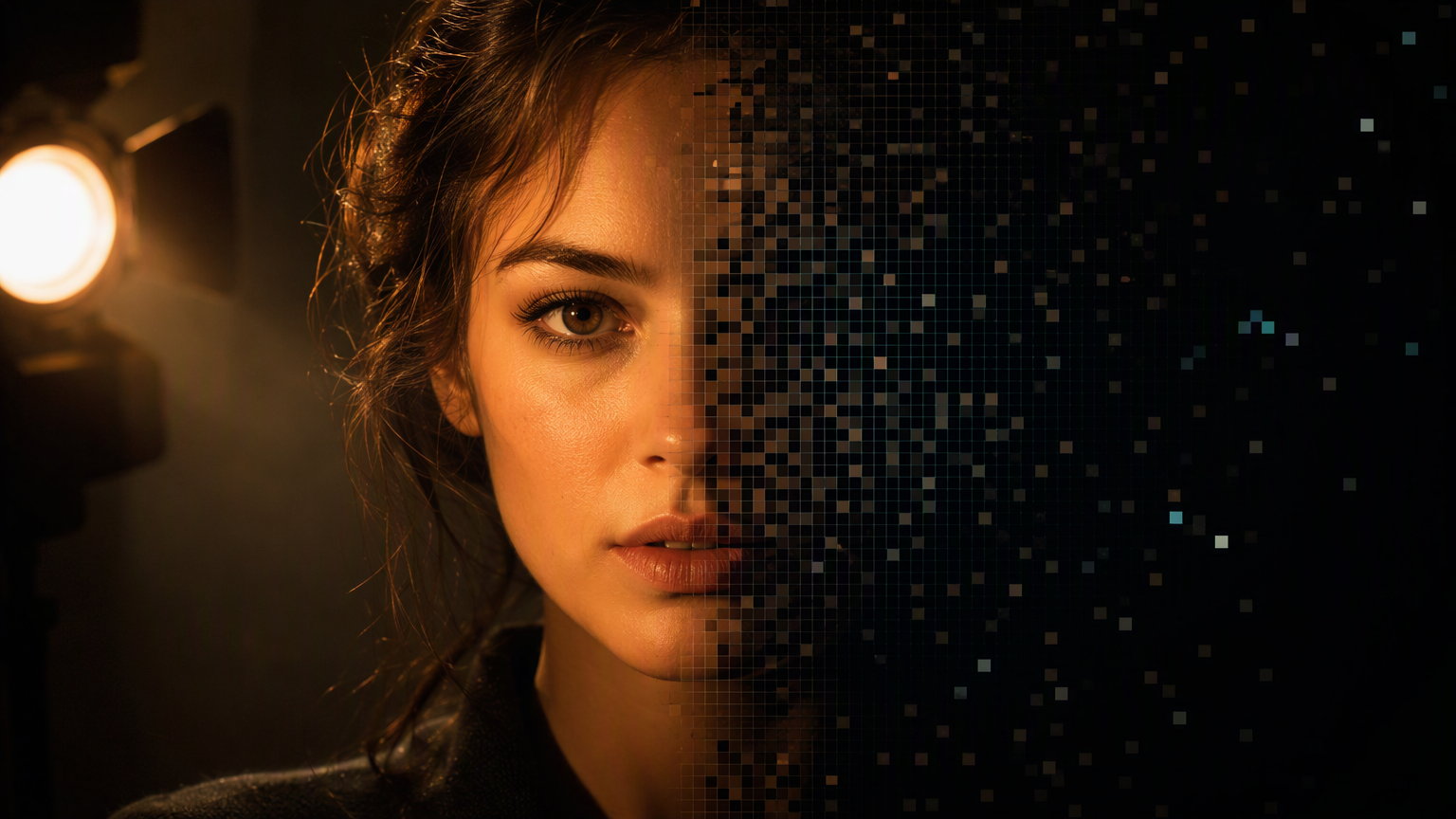
Gal Gadot just did something a lot of actors are too scared to do out loud: she admitted AI is already in her movie, and she’s fine with it. Not “fine with it” in a resigned, whatever-happens-happens way, either. She actively defended it. And honestly? I think she’s right, even though everything in me wants to hate this.
So What Actually Happened Here
The short version, because the internet loves to blow this out of proportion before anyone reads past the headline: Gadot is starring in a movie that used AI-generated sets and lighting. Not AI-generated Gal Gadot. Not a digital clone reciting lines she never said. Sets. Lighting. The stuff that used to require a warehouse full of plywood and a lighting rig the size of a small apartment.
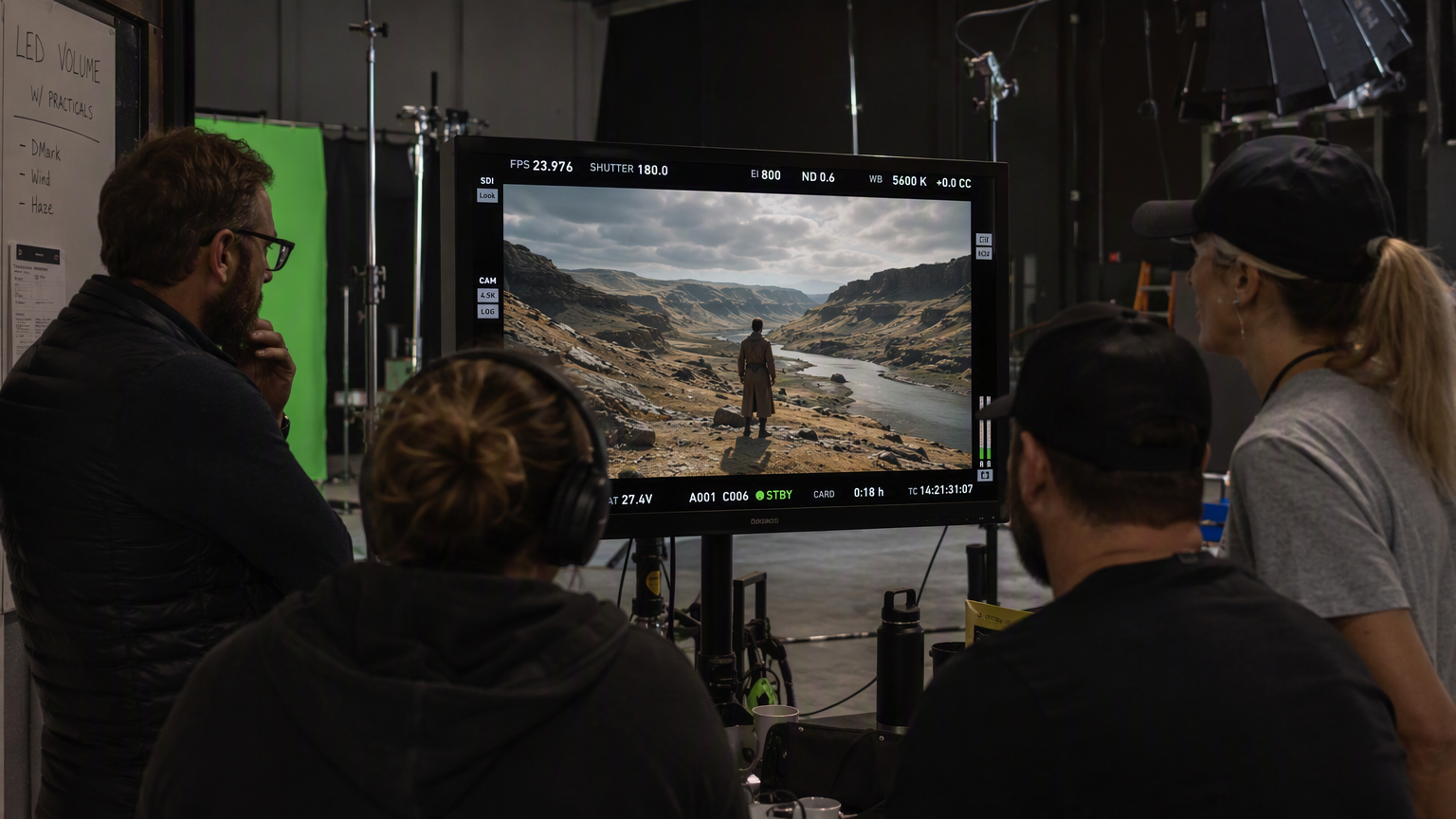
Her defense, paraphrased but not by much: you’re either going to work with this technology or you’re going to get left behind. That’s not some sunny tech-bro optimism talking. That’s an actress who’s been in the industry long enough to watch multiple “this will destroy Hollywood” panics come and go and land somewhere in between disaster and non-event every single time.
The Lawyers Part Is the Part Everyone’s Skipping
Here’s the detail that actually matters and somehow got buried under the outrage headlines: lawyers spent six months, six months, making sure the AI tools couldn’t touch the actors themselves. Not the sets. Not the backgrounds. The people. Their faces, their performances, their likenesses – locked down tight before a single frame got shot.
That’s not nothing. Six months of legal work is not a PR stunt. Nobody spends half a year lawyering up over something they plan to quietly ignore later. This tells me the production actually understood the line that matters to actors right now, which is: use AI to build the world, don’t use AI to replace the person standing in it.
Why This Feels Different From Every Other AI Hollywood Scandal
Remember the SAG-AFTRA strike? Of course you do, it was basically the entire summer of 2023. The whole fight, at its core, was about consent and compensation when it comes to digital likenesses. Actors weren’t saying “no robots allowed on set, ever.” They were saying “don’t scan my face and then generate performances I never gave and never got paid for.”
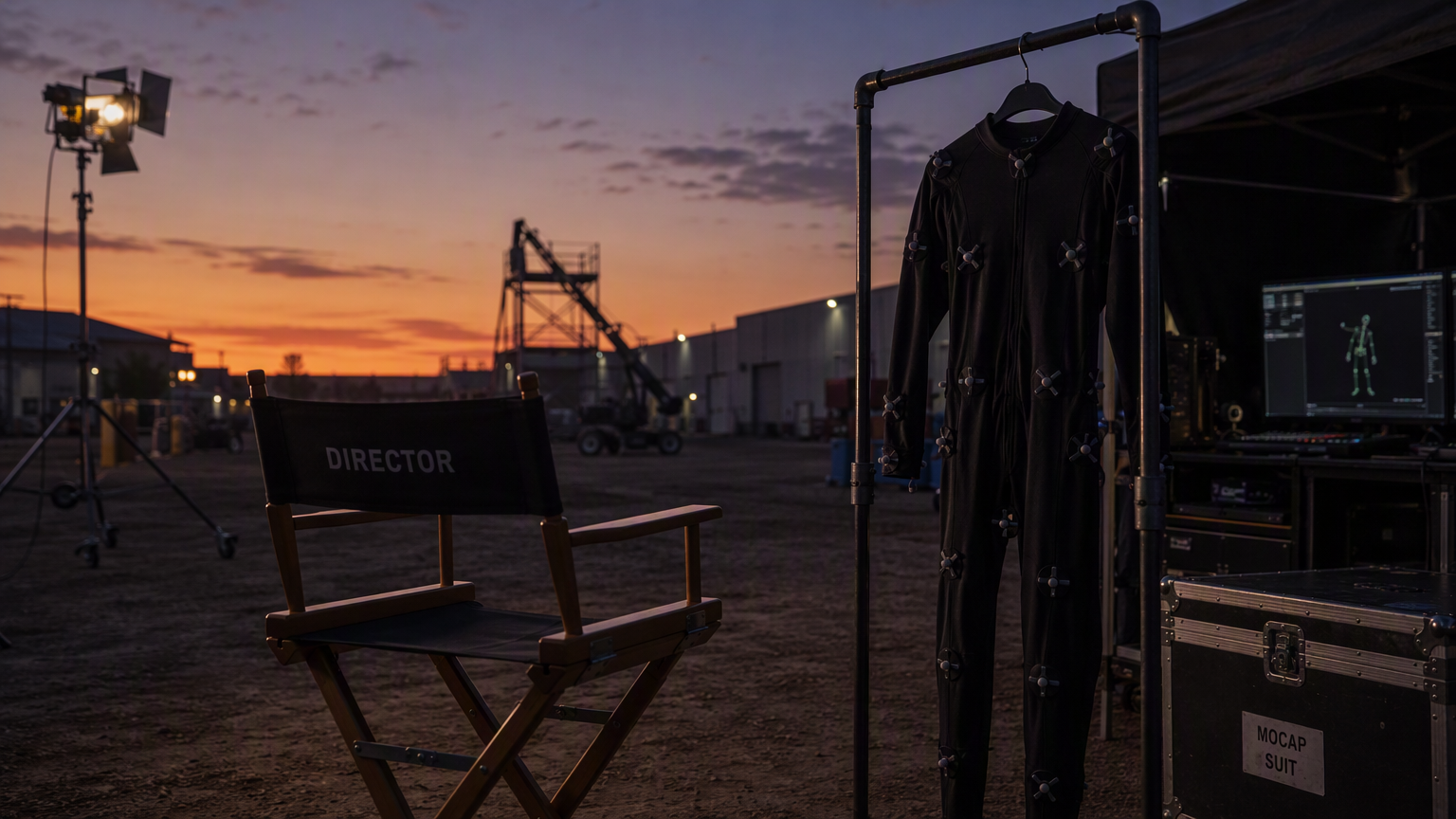
What Gadot’s project is doing is a completely different animal, and I think a lot of people conflating the two are missing that on purpose because outrage travels faster than nuance. AI sets and lighting are closer to digital matte painting than they are to deepfaking an actor’s soul.
“You’re going to work with it or be out of the game.”
That line is going to get quoted a thousand times out of context by people who want to make it sound like she’s cheerleading for actors to be replaced. She’s not. She’s talking about the tools around the performance, not the performance itself. Big difference. Huge, actually.
The Part Nobody Wants to Say Out Loud
Look, movie budgets are insane right now and getting worse. Building a full physical set for a scene that appears on screen for four minutes has always been kind of absurd when you think about it, and productions have been faking it with green screens and CGI for two decades already. AI-generated environments aren’t some brand new moral crisis. They’re the next step in a process that started with matte paintings in the 1930s and went through green screen in the 90s and volume stages (hi, Mandalorian) more recently.
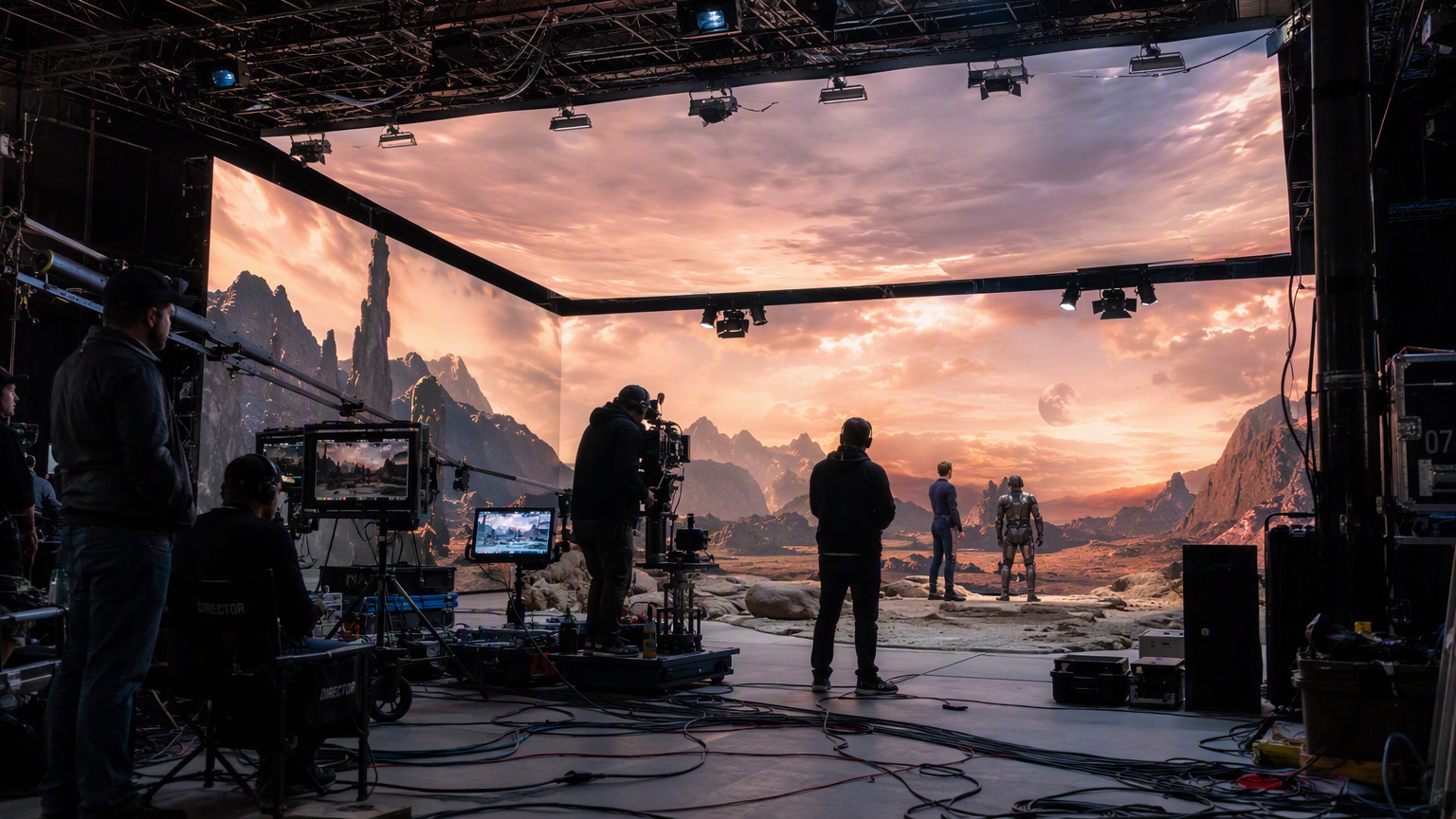
What’s actually new is the speed and the cost. A team that used to need weeks and a small army to build a digital environment can now do a rough version in days. That’s terrifying if you’re a set builder or a lighting technician, no question, and I’m not going to pretend those job losses aren’t real and aren’t already happening in smaller productions you’ve never heard of.
But Here’s My Actual Problem With All This
The conversation keeps getting flattened into “AI good” versus “AI bad,” and that’s just… not how any of this works. The real question, the one nobody’s asking loud enough, is who gets protected when the technology moves faster than the contracts do. Gadot’s production apparently got it right, with the six months of legal groundwork. But that took six months and a legal team that a Gal Gadot movie can afford. What happens on the indie film with a budget of $2 million and no time for a legal deep dive? That’s where this actually gets scary, not on the Warner Bros. set with the A-list lawyers.
What This Actually Means
I don’t think Gadot is wrong, not gonna lie. The technology isn’t going away, and pretending otherwise is the same energy as musicians in the 80s insisting synthesizers would kill “real” music. Some things did change. A lot of session musicians lost work. But music didn’t die, it adapted, and the people who leaned in early ended up shaping what came next instead of getting run over by it.
What I do think is that “adapt or be left behind” can’t be the whole sentence. It needs an addendum: adapt, but only with the same kind of protections Gadot’s team apparently fought for. Six months of lawyers isn’t a burden, it’s the blueprint. If every production treated that as the baseline instead of the exception, this whole debate would look a lot less scary.
The tech isn’t the villain here. The shortcuts are. And we’re about to find out, project by project, who’s actually willing to do the boring, expensive, unglamorous work of protecting people before they hit render.